A dermatologist isn’t one of the specialists you necessarily think you’ll need during and after cancer treatment. However, advances in treatments have made skin-related conditions very common.
We’ve asked one of Canada’s top Onco-Dermatologists, Dr. Maxwell Sauder, for the latest supportive information to help patients reduce and relieve the side effects they are experiencing.
Here are his recommendations for caring for your skin, scalp and nails during treatment and beyond.
Dr. Sauder is a board-certified dermatologist in Canada (FRCPC) and the United States (DABD) with additional fellowship training in cutaneous oncology. He is a former faculty member of Harvard Medical School where he focused on skin toxicities of anti-cancer treatments (STATs). He is currently an onco-dermatologist at Princess Margaret Cancer Centre where he assists in the management of complex cutaneous malignancies and STATs. He also practices at Toronto Dermatology Centre where he is the director of the Pigmented Lesion Clinic that uses cutting edge artificial intelligence technology to identify and manage skin cancers or precancerous lesions at the earliest possible stage.
As a general rule, keep your skincare routine as simple as possible – no serums, acids, toners, etc.
Historically, the point of toners was that cleansers would strip the essential oil off of the skin, because they were quite strong, and the point of toners is to replenish. If you use a neutral based cleanser followed by a moisturizer, you do not really need that toner.
Serums are very nice, but they tend to have a lot of added ingredients, like retinol. However, some of the ingredients can be helpful like niacinamide, which is an anti-inflammatory.
Simple rule: Gentle cleanser. Good moisturizer. Great sunscreen.
The type of base (or “vehicle”) you a product is in—ointment, gel, lotion, or cream—affects how well it works. These terms describe different chemistries, but they can be compared by their viscosity, or thickness. In terms of eczema, the strongest vehicle, from a moisturization standpoint, is an ointment. The issue with an ointment is that it might not be cosmetically pleasing as it can be quite greasy and sticky.
The next best thing is a cream. They are rich, thick, and have a bit of weight to them when you actually scoop them up or put them in your hand. However, they might not rub in quite as nicely as a lotion, which people tend to gravitate to because pump dispensers make application easier and quicker. Lotions contain lots of water and very little oil. Because the amount of oil drops as you move from an ointment to a cream, then to a lotion, oil, or gel, these later products can actually be dehydrating rather than hydrating.
Yes! People going through cancer have skin that is equivalent to eczema. People with eczema have a higher propensity to developing allergies to a product they are using. Even outside of cancer, people come to my clinic experiencing allergies, and I say to them: “I think you are reacting to xxx product” … and they say: “That product? I’ve been using it for the last 20 years.”.
That is exactly right. No one is born with allergies in their skin. We all need to be sensitized to products first and certain treatments can make your skin more sensitive, and therefore make your skin have a greater ability to be sensitized to an allergen. You can use something a million times, and the million and one time, you become allergic to it.
Key signs you are allergic to something:
- If things are getting worse rather than better, when using a product
- If things are red, itchy, scaly, especially in the areas where you are applying the product
I also recommend the website www.producteliminationdiet.com . It’s a wonderful resource and Dr. Skotnicki is fantastic dermatologist. I learn so much from her all the time.
I feel that way too, and I know these products inside and out. Every time I go, I discover new products that I was not aware of.
In general, you want to treat your skin like a person who has eczema – but you don’t necessarily need to get products for “eczema”.
Key words to look for are:
- hypo-allergenic
- fragrance-free – not scent-free (there is actually a difference)
- PH balanced or PH neutral product
There are lots to avoid in the pharmacy or drugstore – especially the acne aisle. Over the counter and prescription treatments tend to be quite irritating . And, acne – or something that looks like acne – is the single biggest side effect that I need to manage as a dermatologist for people that have cancer.
So, you might see an acne-like rash on your skin, but it’s not a great idea to get a strong acne cleanser. Most of these cleansers have acids in them (salicylic acid, lactic acid, alpha/beta hydroxyl acids), which can be irritating to the skin and disrupt the skin’s PH and/or moisture barrier.
The same caution applies to retinol products. The prescription‑strength form is a retinoic acid (the active acid version of vitamin A) that can cause significant dryness, redness, and irritation. Over‑the‑counter retinol is a milder, non‑metabolically active form, but it still tends to dry the skin, which is exactly what we want to avoid.
Cancer treatments can cause skin reactions that are worsened by sun exposure, regardless of skin pigmentation. Using sunscreen helps protect against harmful UV radiation and prevents these reactions.
To protect your skin from the sun, it is recommended to apply sunscreen every day, all year round, regardless of the weather. This is because UVA rays are present throughout the year and throughout the day, and they can even penetrate windows.
If you go outside and engage in physical activities, it’s important to re-apply sunscreen frequently and generously – at least once every 2 hours, and immediately after heavy sweating or swimming.
When choosing a sunscreen, select one with SPF 30 or higher to protect against UVB, and make sure it is labeled “Broad Spectrum” or shows the UVA symbol to ensure UVA protection as well.
Apply sunscreen about 20 minutes before sun exposure for maximum effectiveness, and if using a moisturizer first, let it fully absorb to avoid diluting the sunscreen.
It’s crucial to remember that UVA rays are present year-round and can penetrate windows, while UVB rays are more intense and primarily cause sunburn. For this reason, sunscreen should be applied daily, even when indoors near windows, to protect skin that may be more vulnerable due to cancer treatments.
If a product is labeled “mineral”, it almost always contains zinc, titanium, or both. Some brands also include chemical filters in mineral formulas, but these filters aren’t inherently bad. In fact, many are safe and well-tolerated. Mineral sunscreens offer excellent protection, though they can be harder to blend in, especially over larger areas of skin.
UV-protective clothing is very effective for sun protection and is strongly recommended for anyone spending long periods outdoors or swimming, since water can wash off or reduce the effectiveness of sunscreen. A wide-brimmed hat offers better coverage for the face and neck than a baseball-style cap. Keep in mind that UPF fabrics can thin and lose effectiveness over time, so they will eventually need to be replaced.
For cancers other than skin cancer, the skin is not the intended target of radiation; it is more of an “innocent bystander” as the radiation passes through to reach deeper tissues. When the skin itself is not the target, regular moisturizing before, during, and after treatment is often encouraged to help support the skin barrier. Some cancer centres also follow protocols that include a topical steroid to reduce inflammation, and this does not interfere with the effectiveness of the radiation.
Certain targeted therapies can cause severe acne-like eruptions, known as acneiform eruptions. In these cases, over-the-counter products are usually not effective, and medical intervention is required.
For adults not on these specific medications, acne can still flare due to underlying tendencies, particularly when the body is under stress. If you notice acne while on treatment, it is important to discuss it with your physician or oncologist first to determine whether it is a treatment-related side effect.
If it is not linked to your therapy and is a flare of pre-existing acne, your family doctor or dermatologist can provide targeted care. There are many effective interventions for adult acne, including prescription medications and specialized topical treatments, tailored to the type and severity of acne.
Skin changes are common during cancer treatment and can significantly impact quality of life. About two-thirds of patients say the effects are worse than expected, and around half will experience a treatment interruption or discontinuation because of skin issues.
If your skin reaction is affecting your cancer therapy and quality of life, see a dermatologist familiar with treatment-related reactions. Often, these skin conditions are a sign the therapy is working, so stopping treatment unnecessarily can be harmful. Proper management can help you stay on therapy while protecting your skin.
Whether or not you are experiencing hair loss, it’s recommended to use an anti-dandruff shampoo twice a week. Massage it into the scalp and let it sit for 2–5 minutes. These shampoos are anti-inflammatory and soothing.
If you still have hair and experience redness or itchiness despite using the shampoo, a prescription anti-inflammatory lotion (usually a topical steroid) can be used. Apply nightly until symptoms improve, then gradually reduce frequency.
For a hairless but itchy scalp, continue the anti-dandruff shampoo and follow with a rich moisturizer, cream, or balm to soothe the skin.
Tea tree oil has anti-inflammatory and anti-microbial properties, so it can help with scalp irritation. However, some people may develop an allergy to tea tree oil, and many tea tree shampoos contain fragrances that can also cause reactions, so it’s advised to monitor your scalp for any worsening symptoms.
For chemotherapies that cause anagen effluvium (hair loss), using an anti-dandruff shampoo twice a week can help keep the scalp healthy. Minoxidil (5% foam, brand name Rogaine) may also be useful—applied twice daily for men and once daily for women. Vitamin supplements can be beneficial as well. For certain chemotherapy regimens, a scalp cooling cap can help reduce hair loss, and there is data supporting its effectiveness.
Nail changes during treatment can range from general issues like brittleness, cracking, or Beau’s lines—often related to stress—to more specific reactions from certain medications, such as painful inflammation of the nail bed. These problems can be distressing and significantly impact quality of life.
To care for your nails, stick to the basics: use a gentle soap (bring your own to public restrooms if possible), moisturize regularly, and wear gloves to protect your nails from trauma.
For general issues like brittleness or breaking, over-the-counter nail-strengthening lacquers can help. High doses of biotin are best avoided during treatment, as they can interfere with some lab results.
It depends on the type of treatment. With hormonal therapies, the skin may experience lasting changes. For traditional chemotherapy, the skin usually returns to normal shortly after finishing treatment and once any reactions have subsided.
Watch Our Conversation with Dr. Sauder
<iframe width="560" height="315" src="https://www.youtube.com/embed/Mrzxn2D7ZSA?si=aczHvRCxvjvbp_Jn" title="YouTube video player" frameborder="0" allow="accelerometer; autoplay; clipboard-write; encrypted-media; gyroscope; picture-in-picture; web-share" referrerpolicy="strict-origin-when-cross-origin" allowfullscreen></iframe>
Suncare During Radiation Treatment
As a general rule, you don’t want any sun exposure on a treatment site while receiving radiation treatment. Always check with your radiation oncologist before using sunscreen if you are undergoing radiation. Your doctor may not want you to put sunscreen because the skin is prone to injury.
General Sun Protection Tips During Cancer Treatment
Use a sunscreen that is specially formulated for your face that delivers both UVA and UVB protection in a broad spectrum SPF 30 or higher.
Apply sun protection daily and liberally – a dollop about the size of a golf ball – to all exposed skin, such as the lips, ears, scalp, sides and back of neck, and exposed chest.
Get in the habit of applying sun protection every morning, about 20 to 30 minutes before going outside, and reapply often – about every two hours.
Remember that you’re still exposed to UVA/UVB rays even in the shade.
Stay inside during the intense-sun hours of 11 a.m. to 4 p.m. Though remember: If you’re indoors, windows offer no protection against UVA rays.
Don’t forget to wear a hat – preferably one with a wide brim of about three inches.
Remember:
Put your sunscreen under your makeup. (Apply sunscreen first).
SPF numbers aren’t cumulative. If your moisturizer and foundation both have an SPF of 15, it doesn’t mean that you’ll have a protection of SPF 30.
UVA is long-range ultraviolet radiation that has the ability to penetrate deep into the skin, causing immediate tanning, premature skin ageing and can play a role in the development of certain skin cancers. UVA is not readily absorbed by the ozone layer – about 95% gets through.
UVB is short-wave ultraviolet radiation that can penetrate the epidermis and is responsible for delayed tanning, sunburns and most skin cancers.
A large portion of UVB is absorbed by the earth’s ozone layer – only 5% reaches the planet’s surface.
Source: Health Canada
Protect your skin with expert guidance.
Sign up for our Skincare & Makeup Workshop.
Cleansing and Moisturizing
- Gentle cleanser labelled for sensitive skin or for eczema
- Non-irritating and pH balanced or neutral
- Use lukewarm or cool water (hot water strips natural oils). Keep showers brief (less than 10 minutes) to minimize skin irritation
A cream is likely best for you right now. The type of moisturizer you choose (called the “vehicle”) matters because your skin may be more sensitive and dry during treatment.
Understanding moisturizer types:
- Gels – Lightest, may not provide enough moisture during treatment
- Lotions – Light to medium, absorb quickly but need frequent reapplication
- Creams – Thicker and more moisturizing, ideal for treatment-sensitive skin
- Ointments – Heaviest and most protective, but can feel greasy
Creams typically provide the right balance of moisture and protection for treatment-sensitive skin without being too heavy for daily facial use. Look for cream-based products that are:
- Hypoallergenic
- Fragrance free
- pH balanced or neutral
- Avoid anything labelled “anti-ageing”
Fragrance-free and scent-free are not the same. Scent-free products may still contain masking fragrances, which can be irritating. Look for ‘fragrance-free’ on the label whenever possible.
Moisturize immediately after patting your skin dry from bathing to lock in moisture. If you don’t bathe daily, moisturizing on dry skin is still beneficial.
It’s important to note that oils don’t add moisture – they lock in existing hydration.
For best results, apply oils to slightly damp skin or use them in combination with a moisturizer. The exception is scalp care when you have hair, where oils can be used alone since applying cream to the scalp isn’t practical.
If you want to use oils to lock in moisture, look for ones that are fragrance-free and non-comedogenic (won’t clog pores). Gentle, non-comedogenic options include:
- Rosehip seed oil
- Shea butter
- Squalene
- Argan oil
- Grapeseed oil (cosmetic grade)
- Castor oil
- Baby oil
- Petroleum Jelly
- Bio-oil
Coconut oil can be absorbed through skin and may affect cholesterol levels in some cases. It may cause allergic reactions in those sensitive to cocamidopropyl betaine. It’s better to avoid using cooking oils on your skin and opt for products specifically designed for skincare.
Always test on a patch test on a small skin area that isn’t your face first.
Skincare Ingredients and Treatments
Treat your skin as if you have eczema. Hyaluronic acid is suitable for sensitive skin, but put aside other acids until 6 months after treatment ends. That includes retinol any other active ingredients.
Wait until treatment is complete, or ensure the practitioner is trained to work with cancer patients using extremely gentle, non-irritating products.
Toners are OK if your skin tolerates them and they’re not too drying. With a neutral cleanser and moisturizer, you may not need toner.
Vitamin C serums are generally safe during cancer treatment. Vitamin C is an antioxidant and unlikely to cause problems. However, avoid Vitamin C serums mixed with retinol, as retinol can be drying and harsh on sensitive skin during treatment.
- Start slowly – use every other day to test tolerance
- Choose lower concentrations (10-15%) and stabilized forms for gentler application
- Stop if you experience stinging, redness, or irritation
- Always follow with moisturizer and sunscreen
We’re here for you.
Find more support and connect with experts in our Skincare & Makeup Workshop.
Yes. Remove with oily, acetone-free remover. Use petroleum jelly instead of cutting cuticles. Avoid acrylics (bacteria risk) and wear rubber gloves for chores.
Ask if professionals are trained for cancer patients. Avoid anything causing breaks or bleeding. Skip acrylics due to infection risk. Do not push back, cut, or push down cuticles. Only basic nail polish application is recommended—avoid other specialty services.
Petroleum jelly can be applied to nails to moisturize and act as a barrier cream, helping protect them from everyday damage. You can also consider using a hydro-soluble nail strengthener. Ask your healthcare team or pharmacist for recommendations on products specifically designed to strengthen brittle nails during treatment.
Yes, as long as skin isn’t scratched or broken and you tolerate it.
Recovery timelines:
Fingernails: Nails grow one millimetre per month, so full recovery takes six to twelve months. Bumpy ridges are from treatment interrupting nail growth—they’ll grow out normally.
Toenails: Toenails grow half a millimetre per month, so full regrowth takes twelve to eighteen months, especially the big toe.
Is treatment impacting your nails?
Find help in our Nail Care Workshop.
When I first started experiencing unusual symptoms – constipation, bloating, heartburn, abdominal pain – in the summer of 2024, my first instinct was to put pen to paper. I drew a diagram of my body and wrote down all the things I’d been feeling. That’s the art therapist in me. When I showed the illustration to my doctor, she immediately recognized the signs of ovarian cancer. A CT scan revealed a large tumour over my right ovary, confirming her suspicions. I was completely shocked and devastated.
My career as a clinical counsellor and art therapist with preteens and teenagers abruptly stopped when I was diagnosed. It was such positive and enjoyable work. And not only did I have to leave my private practice, I had to stop doing things that gave me pleasure and joy in life.
I love being active: Zumba, belly dancing, strength training, circuit training. I also enjoy cooking wonderful food and travelling. But quite suddenly, my life was now filled with endless medical appointments. Testing, scans, blood work, chemotherapy, surgeries. It was surreal.
With my psychology background, I knew I had to look after the other parts of myself. The physical was being cared for. What about my emotional self, my sense of self, and my need for connection?
It had seemed that all the joyful activities in my life had come to a halt, but I was able to resurrect some activities that I hadn’t done in a while – things that I could go back to. Those included reading and art. I love art, especially drawing and painting with watercolours, and it has always been my resource during the tough times in life. It’s a wonderful outlet for sorrow and other emotions that need to be released.
I had no words for what was happening to me, and so I started to draw. I drew myself sitting in the middle of a tsunami wave – the tsunami of grief after diagnosis. I painted myself at nighttime in a jungle, with moonlight pouring down – standing in the garden of hope. I created more and more art, navigating the back and forth between despair and hopefulness.
I also talked with my caring partner, Bill. I cried a lot. I got a counsellor. I connected with friends. And I found community. When I first heard about Look Good Feel Better (LGFB), from a woman in the cosmetics department at Shoppers Drug Mart, a little spark went off. I signed up right away. At the workshop, I was amazed by how supportive it felt to be in a space with other women who I could relate to. I wasn’t alone – we were all going through it. The workshop was so informative, helpful, positive, and uplifting – something I dearly needed. And with my body having surrendered to all the necessary medical procedures, learning how to use makeup to my advantage was a way to take back my sense of dignity and to connect with my femininity.
LGFB brought me a respite from my sorrow and loss. It was a bright light, bringing a sense of community and breaking the isolation I was feeling – just like my art. Body, mind, and spirit are all integrated parts of us, and throughout my cancer journey, what really needed tending was my emotional side. It was stormy and intense – it needed to be expressed. We don’t have to be positive and brave all the time.
I can’t control everything, but I can control how I care for myself. Eating well, staying connected, and doing things I enjoy – reading, creativity – have made all the difference.
“I liked getting information that was specifically for teens and connecting with other people who understood what I was going through in the teen workshop.”
Maddie W., Workshop Participant
Prefer direct information from a professional?
Try one of our workshops today!
“I didn’t expect that my most visible side effects would be changes to my skin. I’m not fussy about how I look, but I didn’t like how other people reacted. My faced LOOKED painful. I appreciated getting some tips on how to calm my dry, irritated skin and not have my scalp hurt as much. These resources and the workshop were helpful.”
Marc W., Workshop Participant
Prefer direct information from a professional?
Try one of our workshops today!
- Gentle compression to reduce swelling
- Front closure for easier wear
- Seamless, soft fabrics to prevent irritation
- Typically 2 to 6 weeks, or as advised by your surgeon
- Post-surgical camisoles offer support and help manage surgical drains
- Yes! Many post-op camisoles have built-in pockets to hold and secure drainage tubes comfortably.
Try a leisure bra:
- No underwire
- Soft, breathable fabric
- Gentle support to reduce tension and discomfort
- Yes, the terms can be used interchangeably. They are designed to replicate the shape and feel of a natural breast.
- No. It’s a solid, molded silicone form with a soft, realistic texture.
- Temporary forms (cotton/foam): lightweight and ideal for day and night
- Silicone forms: heavier and realistic; these best for daytime wear after healing
- Yes! Lightweight or swim-friendly prostheses are available for active lifestyles.
- Standard silicone: $200–$400
- Lightweight/specialty: $300–$600
- Custom-made: Up to $1,000+
Check if your provincial health plan or private insurance offers coverage.
- No. Fitters usually have forms you can try during your fitting. (You can always call and ask this in advance of your fitting).
- Post-surgical bras are for healing; soft, stretchy, wire-free, often with drain pockets
- Mastectomy bras are for everyday wear; includes pockets to hold prostheses
- Front-closure, wire-free bras with light compression
- Post-op: soft and adjustable
- After healing: padded bras or those with pockets for added symmetry
No. Comfort is key.
Consider:
- Leisure bras
- Camisoles with built-in bras
- Soft bralettes or seamless camisoles
- Yes! Specialty stores offer low-back, strapless, or front-closure options, some with built-in or removable prostheses.
- Use contoured or asymmetrical forms with tapered wings to fill underarm areas and smooth side bulges
Nightwear & Sleep Support
- Pocketed nightgowns or PJs for temporary breast forms
- Sleep bras (soft and pocketed)
- Camisoles with built-in shelf bras
- Add sewn-in pockets to your favourite sleepwear
- Rinse with lukewarm water
- Use mild soap and a soft cloth
- Rinse thoroughly and air dry
- Store in a breathable container
- Fragrance-free, hypoallergenic detergent
- Wash by hand or use a lingerie bag on a gentle cycle
- Avoid bleach, fabric softener, or hot water
Skincare During Radiation
- Use gentle, fragrance-free cleansers and moisturizers
- Wear loose, soft clothing (cotton or bamboo)
- Avoid sun exposure; use a mineral sunscreen if you must put sunscreen near your radiation area
- Cool compresses and thermal spring water spray can help soothe irritation
- Ask your doctor about topical steroids if irritation occurs
Nipple Appearance Options
- Prosthetic nipples (reusable, adhesive silicone)
- 3D nipple tattoos (semi-permanent)
- Surgical reconstruction
- Stick-on temporary tattoos
- Bras or prostheses with built-in nipples
- Specialty lingerie or mastectomy boutiques
- Medical supply stores
- Some large hospitals or department stores
- Yes, in Canada, it may qualify. Keep your receipts and check with CRA or a tax advisor.
We’re here for you.
Find resources and community in our Bras & Prostheses Workshop.
Teens Workshop
Dealing with cancer is hard. Figure out what works for you during treatment, from gentle skincare routines and makeup hygiene to cute head wrap styles, wigs and nails. Learn all these things, plus meet other teens with cancer, in a space that gets what you’re going through.
About this Workshop
Our online workshop is pretty unique and catered to teens with cancer. It’s a space where you don’t have to explain yourself, or your cancer. No one’s cancer experience is the same, but everyone will have some idea of what you’re going through.
How it works and what you will learn:
Learn skincare, makeup and sun care tricks and tips to help your sensitive skin heal and look its best during treatment
Get expert advice on managing treatment side effects like dryness, discolouration, and dreaded acne
Explore creative, cute, and cool styles for hats, wraps, wigs, scarves, and other hair alternatives
Get a free kit full of awesome skincare and makeup products that are OK to use during treatment
Even it’s ultimately not your thing, do it for the plot
Connect and share OR just listen
You don’t have to join the conversation. Just learning and practicing these tips can help you feel a little bit more like your regular self.
Side effects don’t mean you can’t feel good in your skin
While discoloration, dry skin, acne, and hair loss are temporary, they’re still really lame. That’s where our skincare and make-up experts come in!
Even if you already know a lot about makeup and skincare, your skin needs extra care during treatment. We’ll help you adjust your routine to keep it healthy and strong.
Learn how to apply makeup when you might not have brows or lashes, plus simple ways to bring healthy colour back to your face.
A new theme – and new makeup – every time
Just because we’re talking about how to deal with side-effects to your skin and hair, it doesn’t mean that we can’t have fun with it. Each session covers a new look so you can lean into your artistic side or just change up the basics to help you feel more like yourself.
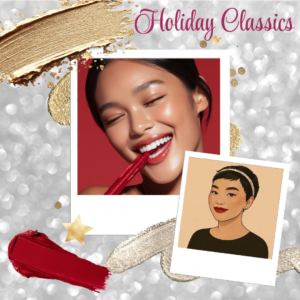
Holiday Classics: Effortless Skin & Bold Red Lip
Thursday, December 3rd
Wrap up the year with a modern classic. Learn simple techniques to keep skin fresh, eyes softly defined, and lips bold and bright. Choose your finish—sheer, satin, or gloss—and let your red lip shine.
Who can attend?
This workshop welcome teens aged 13 to 17 who are currently facing cancer or have completed treatment in the past year.
A bit older or younger and want to attend? Send us an email at [email protected]
Hang out. Have fun. Repeat.
What if you take our workshop, enjoy it, and want to come to another one? That happens a lot! As long as spots are available, we’d love to you to have you back for another one.
Each session has a new make-up theme AND it’s a great way to build friendships over time!
Come hang out with people who kind of understand what you’re going through!
Register for our Teens Workshop today!
Shaving & Men’s Skincare Workshop
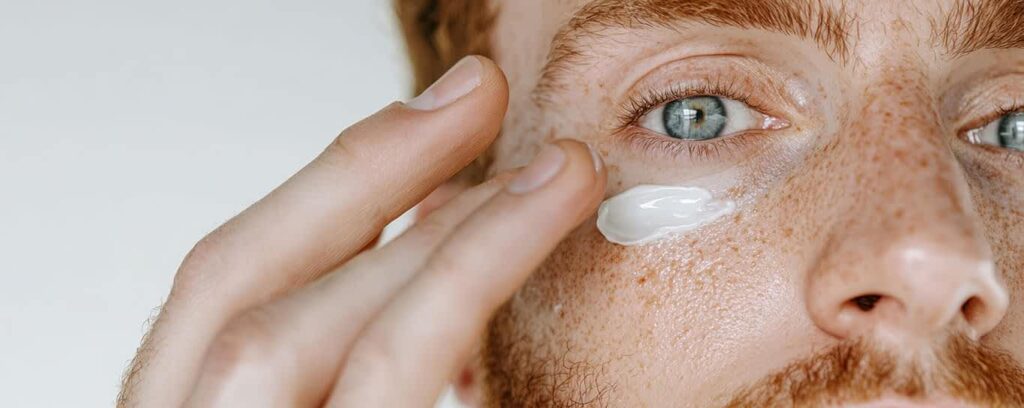
Physical side effects sometimes catch us by surprise. Cancer treatment can bring unexpected changes to your appearance—dry, discoloured skin, hair loss, irritation from shaving, nail changes — but that doesn’t mean you have to just put up with them.
Real advice in a supportive setting
Our Look Good Feel Better Shaving & Men’s Skincare Workshop is designed to help you take control of these changes with a simple, effective skincare regimen and shaving and grooming techniques tailored specifically for men facing cancer.
This free workshop is offered both online and in person at select locations and is held in a comfortable, supportive setting. You can listen, learn, and participate as much—or as little—as you’d like. Participants also receive a complimentary kit of men’s skincare and shaving products to try before and during treatment.
About the Shaving & Men's Skincare Workshop
Even if you’ve never paid much attention to your facial skin before, small changes can make a big difference in how you look and feel. In this session, we’ll cover:
Managing hair loss – What to expect, how to care for your scalp, and what happens when hair grows back
Caring for skin during treatment – Avoid dry, irritated or painful skin with a simple routine that take just a few minutes a day
Shaving with less irritation – Pros and cons of using a regular razor vs an electric razor during treatment and how to shave your face (or scalp) safely when your skin is more sensitive.
Protecting your skin from the sun – We’ll share simple ways to guard sensitive skin from the sun during and after treatment.
Feel more like yourself…
Not in the mood to join the conversation? That’s okay. Just knowing these tips can help you regain a sense of normalcy, even if you choose to keep your skincare regimen private.
Who is the Shaving & Men’s Skincare workshop for?
This session is ideal for:
- Men who are currently undergoing cancer treatment or have completed treatment in the past year
- Anyone facing cancer who would like support around these specific appearance-related side effects
Maybe you didn’t sign up for this workshop…
and someone who cares about you did it on your behalf. You’re not alone. If you’re here because a loved one suggested it, take that as a sign of their support.
A no-pressure, practical approach
Prefer to stay in the background?
No problem! No matter if you’re attending online or in person, you can simply listen and absorb the tips at your own pace, and try them out whenever it suits you.
Whether you’re here for men’s skincare advice, scalp care, guidance on hair loss, or because someone you love suggested you might benefit from the workshop, we’re so glad you are here. This session is all about giving you the tools to move forward with confidence, in whatever way works best for you.
What our participants have to say
” Before treatment, I was worried about hair loss. I didn’t expect that issues with skin on my face and scalp would be the most challenging chemo side effect. The advice in this workshop helped.”
- Joseph S., Workshop Participant
“Actively taking care of myself helped me regain control – I didn’t want to be defined as sick.”
- Adam P., Workshop Participant
Join us for a workshop led by industry experts, tailored for men facing all cancers
Register for the Shaving & Men's Skincare workshop today!