
Teens – This Workshop is just for you
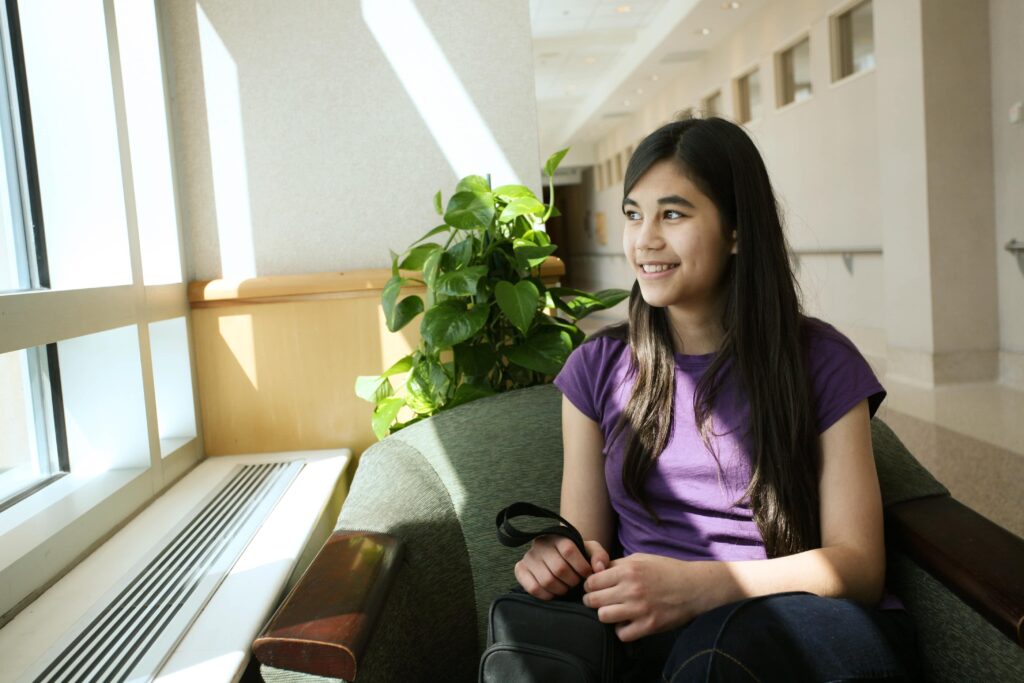
Figure out what works for you during treatment, from gentle skincare routines and makeup hygiene to cute head wrap styles, wigs and nails in a space that gets what you’re going through.
About this Workshop
Our online workshop is pretty unique. It’s a space where you don’t have to explain yourself, or your cancer. No one’s cancer experience is the same, but everyone will have some idea of what you’re going through.
How it works and what you will learn:
Learn skincare, makeup and sun care tricks and tips to help your sensitive skin heal and look its best during treatment
Get expert advice on managing treatment side effects like dryness, discolouration, and acne
Explore creative, cute, and cool styles for hats, wraps, wigs, and other hair alternatives
Get a free kit full of skincare and makeup products that are OK to use during treatment
Even it’s ultimately not your thing, do it for the plot
A new theme – and new makeup – every time
Just because we’re talking about how to deal with side-effects to your skin and hair, it doesn’t mean that we can’t have fun with it. Each session covers a new look so you can lean into your artistic side or just change up the basics to help you feel more like yourself.
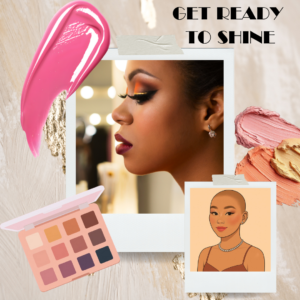
Get Ready to Shine: Camera-Ready Confidence
Thursday, April 2nd
Feel your confidence shine through. Learn simple techniques for smooth, camera-ready skin, softly defined eyes, and light-catching accents. It’s about looking put-together and feeling like yourself—on your terms.
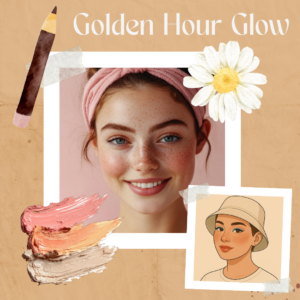
Golden Hour Glow: Warm Radiance & Freckles
Thursday, June 4th
Glide into summer with a soft, golden glow. Build warmth with cream bronzer, add a touch of peachy blush and freckles, and finish with warm eyeliner or a fun colour pop for personality.
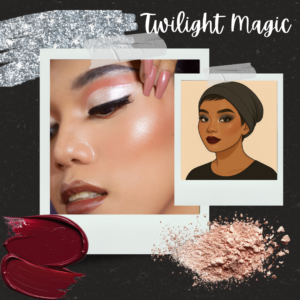
Twilight Magic: Smoky Eyes & Starlit Glow
Thursday, October 1st
Bring a little autumn magic to your routine. This session blends soft smoky techniques and shimmer placement to capture a twilight glow—perfect for fall photos or a subtle Halloween nod.
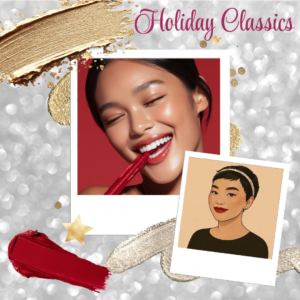
Holiday Classics: Effortless Skin & Bold Red Lip
Thursday, December 3rd
Wrap up the year with a modern classic. Learn simple techniques to keep skin fresh, eyes softly defined, and lips bold and bright. Choose your finish—sheer, satin, or gloss—and let your red lip shine.
Who can attend?
This workshop welcome teens aged 13 to 17 who are currently facing cancer or have completed treatment in the past year.
A bit older or younger and want to attend? Send us an email at workshops@lgfb.ca
Hang out. Have fun. Repeat.
What if you take our workshop, enjoy it and want to come to another one? That happens a lot! As long as spots are available, we’d love to you to have you for a repeat performance.
Each session has a new make-up theme AND it’s a great way to build friendships over time!
Come hang out with people who kind of understand what you’re going through!
Register today!
Let’s navigate this together
Join a community that understands. Receive expert advice, useful resources, and compassionate tips throughout your cancer journey in the LGFB newsletter
Newsletter Form
Post Treatment Nutrition Workshop

What you eat plays a vital role in how you feel after cancer treatment. But with so much nutrition advice out there, it’s easy to feel overwhelmed. What foods support healing? How do you improve energy levels? Can nutrition help prevent deficiencies and support immune function? Join us to answer many common questions about nutrition and cancer.
About this Workshop
Join us for an empowering discussion on:
Gut Health & Digestion – How the gut microbiome affects overall well-being
Key Nutrients – Supporting energy, mental clarity, and immune function
Food Absorption – Making sure your body gets what it needs
The 80/20 Rule – A mindful way to eat well while enjoying your favourite treats
Practical Strategies – Overcoming common post-treatment nutrition challenges
This workshop is available ONLINE
Post-Treatment Cancer support
Whether you are experiencing late effects from treatment, you are concerned about preventing recurrence or you’re managing the transition from intensive support and monitoring back to care by your family doctor or general practitioner, we are here for you.
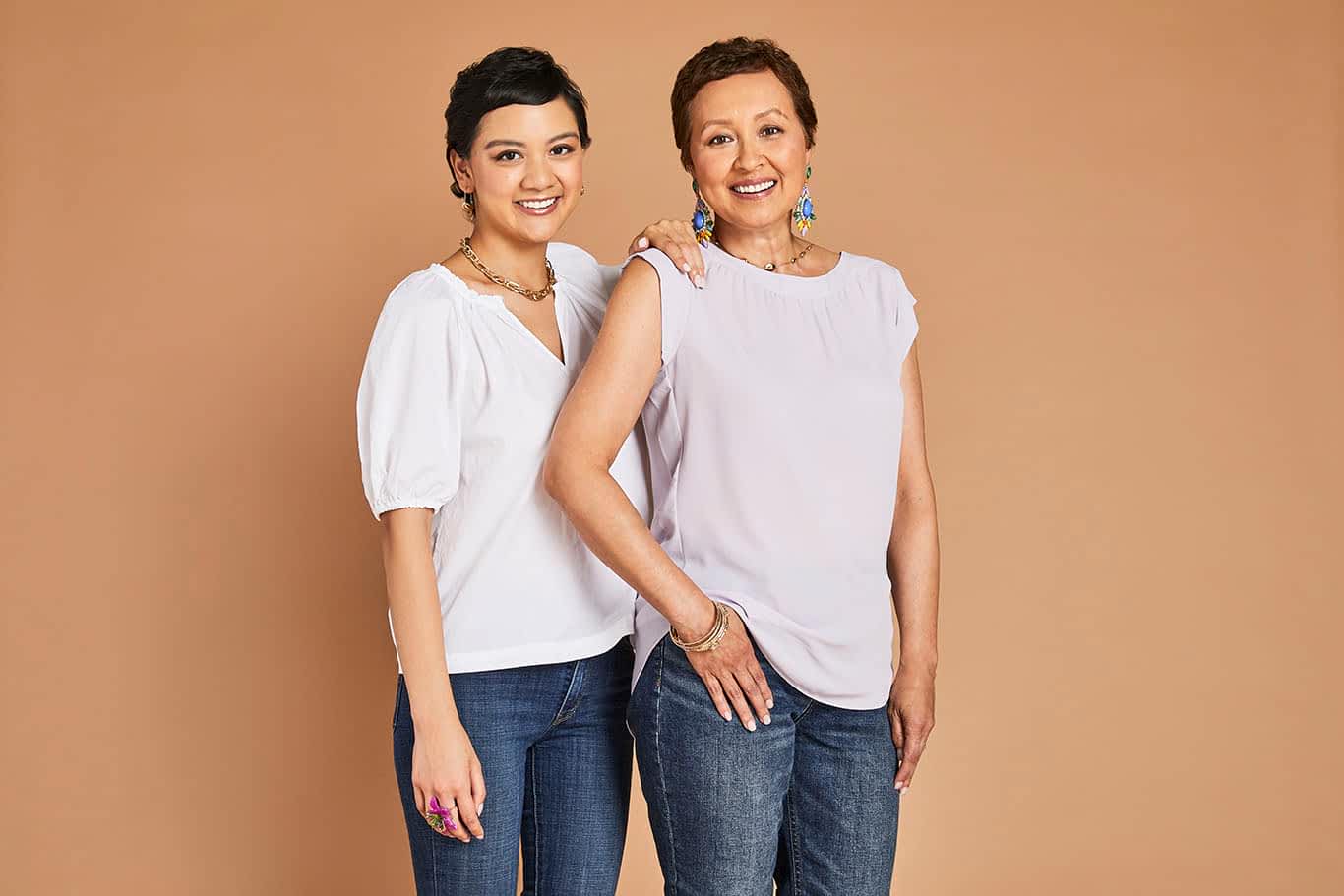
Who should attend this workshop?
- Individuals who are post-treatment and interested in nutrition during and after cancer treatment.
- Anyone interested in nutrition relating to cancer wherever people are in their cancer continuum.

What our participants have to say
“I was struggling with what to eat to prevent recurrence—the 80/20 rule was so helpful in helping me be kinder to myself! A total mindset shift.”
- Emily R., Workshop Participant
Let’s navigate this together
Join a community that understands. Receive expert advice, useful resources, and compassionate tips throughout your cancer journey in the LGFB newsletter
Newsletter Form
Shaving & Men’s Skincare Workshop
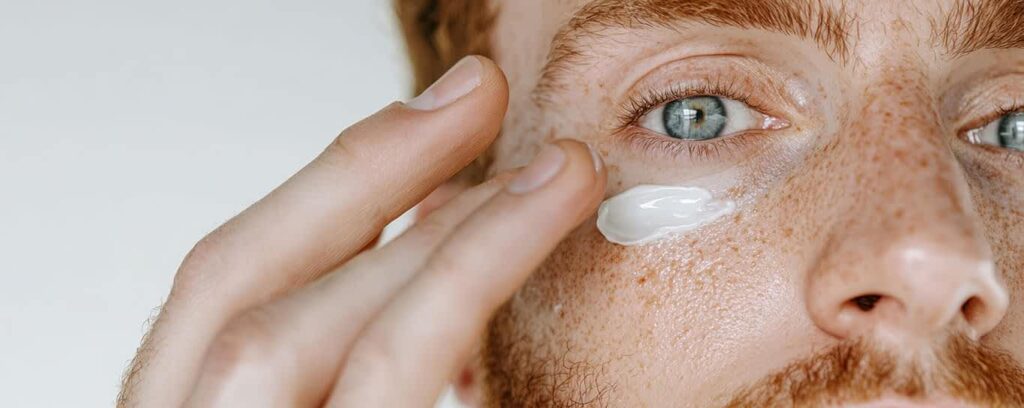
Physical side effects sometimes catch us by surprise. Cancer treatment can bring unexpected changes to your appearance—dry, discoloured skin, hair loss, irritation from shaving, nail changes — but that doesn’t mean you have to just put up with them.
Real advice in a supportive setting
Our Look Good Feel Better Shaving & Men’s Skincare Workshop is designed to help you take control of these changes with simple, effective skincare, shaving and grooming techniques tailored specifically for men facing cancer.
This free workshop is offered both online and in person at select locations and is held in a comfortable, supportive setting. You can listen, learn, and participate as much—or as little—as you’d like. Participants also receive a complimentary kit of skincare and shaving products to try before and during treatment.
About this Workshop
Even if you’ve never paid much attention to your facial skin before, small changes can make a big difference in how you look and feel. In this session, we’ll cover:
Managing hair loss – What to expect, how to care for your scalp, and what happens when hair grows back
Caring for skin during treatment – Avoid dry, irritated or painful skin with simple steps that take just a few minutes a day
Shaving with less irritation – Pros and cons of using a regular razor vs an electric razor during treatment and how to shave your face (or scalp) safely when your skin is more sensitive.
Protecting your skin from the sun – We’ll share simple ways to guard sensitive skin from the sun during treatment.
Who is this workshop for?
This session is ideal for:
- Men who are currently undergoing cancer treatment or have completed treatment in the past year
- Anyone facing cancer who would like support around these specific appearance-related side effects
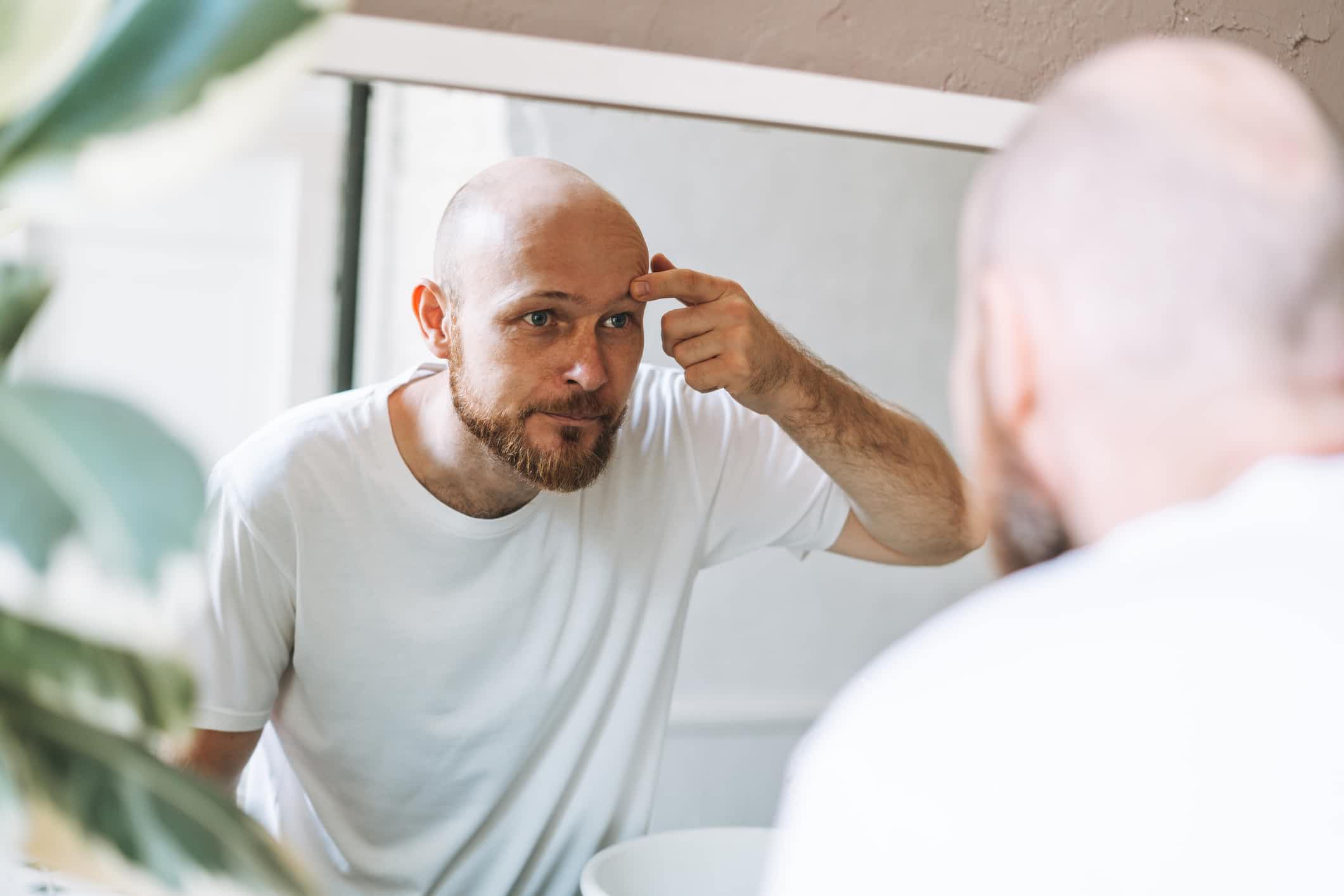
Maybe you didn’t sign up for this workshop…
and someone who cares about you did it on your behalf. You’re not alone. If you’re here because a loved one suggested it, take that as a sign of their support.
A no-pressure, practical approach
Prefer to stay in the background?
No problem! No matter if you’re attending online or in person, you can simply listen and absorb the tips at your own pace, and try them out whenever it suits you.
Whether you’re here for skincare advice, scalp care, guidance on hair loss, or because someone you love suggested you might benefit from the workshop, we’re so glad you are here. This session is all about giving you the tools to move forward with confidence, in whatever way works best for you.
What our participants have to say
” Before treatment, I was worried about hair loss. I didn’t expect that issues with skin on my face and scalp would be the most challenging chemo side effect. The advice in this workshop helped.”
- Joseph S., Workshop Participant
“Actively taking care of myself helped me regain control – I didn’t want to be defined as sick.”
- Adam P., Workshop Participant
Join us for a workshop led by industry experts, tailored for men facing all cancers
Register today!
Let’s navigate this together
Join a community that understands. Receive expert advice, useful resources, and compassionate tips throughout your cancer journey in the LGFB newsletter
Newsletter Form
I’ll never forget my first interaction with Look Good Feel Better (LGFB). It was about 20 years ago, when I was first diagnosed with breast cancer. Going to the LGFB workshop was my best day at the cancer centre. Most of my time there wasn’t cheerful or enjoyable, but my experience with LGFB was just lovely. The people were so kind and helpful, and it was great fun. I look back on it fondly.
I got diagnosed with cancer again last year. This time it was what doctors called a “complex case”: three distinct cancers – endometrial, ovarian, and fallopian – in three different places.
One of the first things I did was to connect with LGFB again and sign up for a workshop. Getting to attend the workshop again, after all these years, was a shiny, happy moment in my cancer journey. Who knew that chemotherapy could include highlights? It was the same supportive experience with people who were genuinely interested in helping me feel my best. I loved how they now provide a helpful booklet with makeup tips, so I didn’t have to take notes during the workshop.
The workshop isn’t really about makeup or skincare for me, though. It’s about the opportunity to chat with other people going through the same experience. And to have a good time – for example, everyone had a good giggle with some of the ladies modelling their wigs and making wonderful faces in the mirror. Sometimes, we just need a day where we’re thinking about nothing other than having fun. There’s no other agenda. It was so helpful in terms of my spirit – just enhancing my mood and joy. It’s more beneficial than therapy or a self-help group for me. LGFB cultivates such a supportive, uplifting environment. It was a very restorative afternoon – such a gift, truly. Whoever came up with this idea deserves immense credit.
Cancer and its treatment affect us all so differently. They can tell you what to expect during chemotherapy, but you never really know what’s coming your way until it’s there. It’s the same way with how cancer treatment’s side effects impact our appearance and self-esteem – it’s so individual. We may respond with acknowledgement or disbelief or rejection or anger. There’s a plethora of possible responses.
In a way, I think it comes down to your willingness to accept your own reality. My personal attitude is one of total acceptance. “It is what it is” – that’s my mantra. I look at whatever’s happening in my life – cancer treatment, or a broken shoelace, or a scenario in one of my past careers in education and social work – and I assess what’s going on and how to deal with it. How best can I move forward? What’s my next step? What’s the most useful and functional response to a situation? Is there a possibility to enhance the situation, to make it better?
That approach has served me well in life, and it’s serving me well now. I change the things I can change, and accept the things I can’t. I like to be realistic about what’s possible.
These days, I’m looking forward to what’s next. I’ve finished my treatment and I’m enjoying being retired. I love to make art – I also teach watercolour classes – and to spend time with my grandchildren. I’m looking forward to getting back to travelling, and specifically to going on a cruise. I just want to be on a ship somewhere warm. I love cruising, it’s my favourite thing. No cooking, no cleaning, just art classes, ocean air, and leisurely afternoon naps. And if I can’t be on a ship just yet, I’ll take an afternoon like the one LGFB gave me any day – one with kindness, laughter, and light.
Hair and Brow Loss During Cancer Treatment
The loss of hair and brows can be just as distressing for men as it is for women, especially for men who have always had a full head of hair. Although it is currently a style statement for some men to have shaved heads, this may not be your personal preference. Hair loss or thinning may or may not happen depending on your specific cancer treatment.
Remember, hair loss is almost always temporary.
Managing Hair Loss
Always comb hair gently and use a mild shampoo (but not a baby shampoo).
As hair starts to thin, consider cutting it short or even having it neatly trimmed by a professional stylist. This can help if your hair becomes thin or patchy.
Don’t shave your head to the scalp. This can cause irritation and potentially cuts or nicks that could lead to infection.
When you’ve lost your hair, your scalp may become drier. Gently massage your scalp with your facial moisturizer to make it feel more comfortable and increase circulation to your stressed hair follicles. Caring for your scalp will greatly reduce sensitivity and itchiness.
There are many hat and cap styles today for sports, sun, cold, rain, wind, etc., to help you find something to cover and protect your head.
Eyebrows
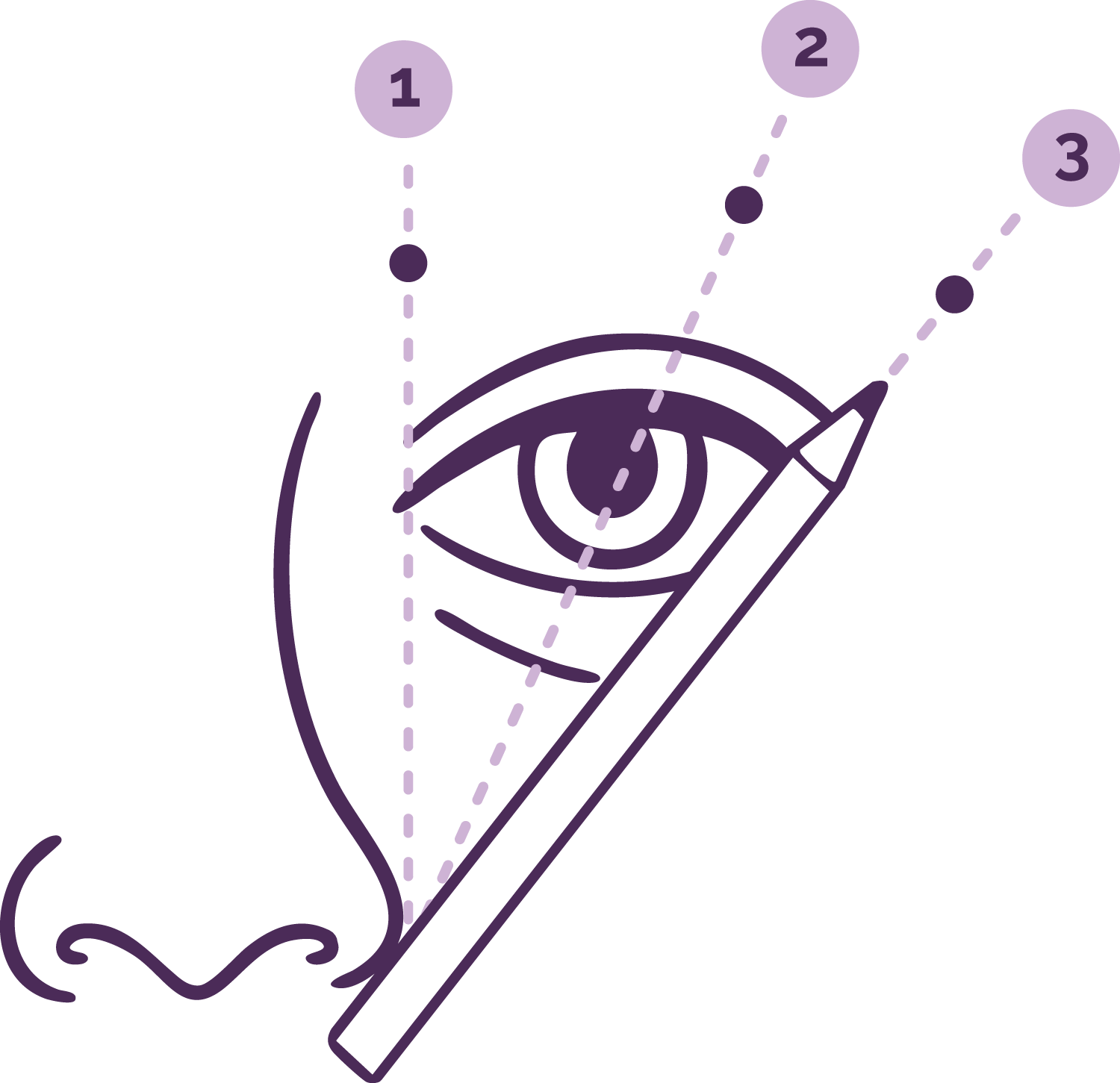
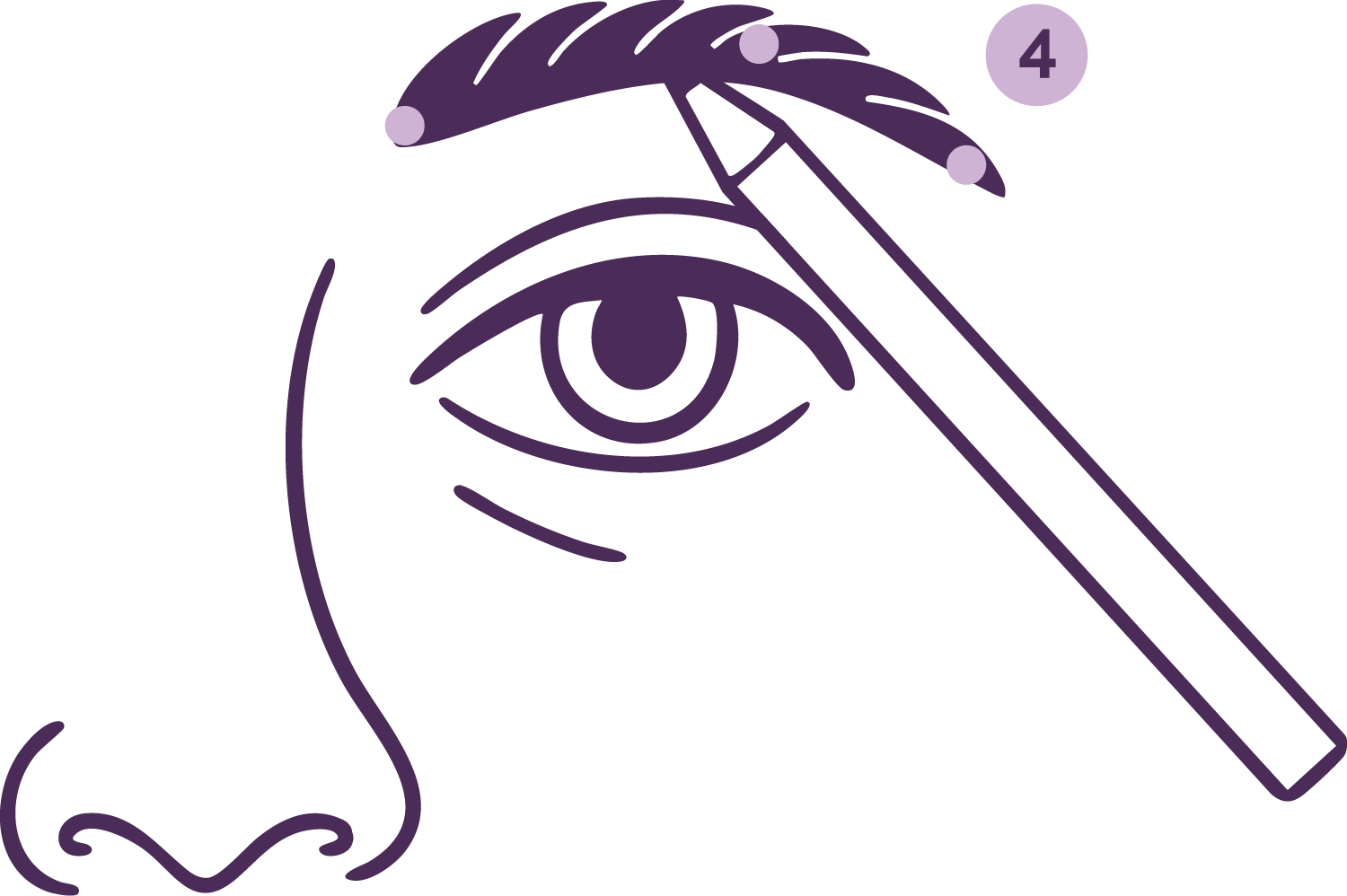
Follow these steps:
- Hold a pencil vertically along the outside of your nostril and inner corner of your eye. Make a dot above your eye at this line, right on the brow bone. This is the inner edge of your brow.
- Hold the pencil vertically across your iris (the coloured part of your eye) and again make a dot above the eye, just above or on the brow bone. This is where your natural arch occurs.
- Hold your pencil at an angle beginning at the outside edge of your nostril, lined up with the outside edge of the eye. This is where your brow should end. Draw another dot.
4. Connect these dots with a series of gentle, arching, feathery strokes to mimic the look of hair. Concentrate on fullness closer to the inner edge, thinning as you go outwards.
Another option to consider, particularly suited to men who wear glasses, is to opt for a thicker framed pair that’ll give the illusion of a fuller brow.
Hair Regrowth
Depending on the type and duration of your treatment, your hair will start to reappear at a rate of about ½ of an inch a month. Once your hair grows back, it may be different than before your treatment due to the absence or alteration of pigments. As the pigment cells return to normal, hair should go back to its original colour and texture.
Experiencing side effects?
Learn how to minimize and manage them in our Shaving & Men’s Skincare Workshop.
Let’s navigate this together
Join a community that understands. Receive expert advice, useful resources, and compassionate tips throughout your cancer journey in the LGFB newsletter
Newsletter Form
The Basics
The Three Basic Steps Are:
Step 1 – Cleanse
A facial cleanser will remove dirt and dry flaky skin and help stimulate circulation.
Look for products that say GENTLE, for SENSITIVE SKIN or for ECEZMA
Ideally, use a facial cleanser twice a day – morning and night
You can use a gentle body wash for the rest of your body
Have flaky skin, black heads or ingrown hairs?
Consider a gentle exfoliator once a week to get a deeper clean. Use it right before cleansing to leave the skin looking smoother, clearer and brighter. Again – look for a gentle option during treatment and try testing on a small area first.
Step 2 – Moisturizer
Moisturizer is hands down the most straightforward and effective way to keep your skin in top shape – apply after washing and patting dry your face.
While most men generally have oilier skin than women, treatment can have an drying effect your skin, so staying hydrated (both inside and out!) is fundamental.
Don’t forget LIP BALM – your lips may be extra dry or chapped during treatment. Keep things simple with a hypoallergenic lip balm with an SPF to keep you moisturized and prevent burning during the day.
Step 3 – Sunscreen
This is an absolute must-have!
One of the most prevalent side-effects of treatment is sun sensitivity
It is essential to wear daily sunscreen protection with a minimum of SPF30
Some Extras to Consider:
Hand Cream
Hydration is a key element in maintaining your skin during this time. Keep a hand cream by your sink.
Body Cream & Lotion
Having a body moisturizer will more than earn its place in your daily care while undergoing treatment. Dryness, irritation and possible skin cracking are all things you want to avoid so laying on the lotion is more than worth the effort. Apply after you shower or bathe, and throughout the day as needed.
Tinted Moisturizer & Concealer
There are some great tinted products out there that are very light-weight and natural. These products help minimize any redness, uneven skin tone and/or dark circles under the eyes. Always look for fragrance free hypo-allergenic products when picking up your grooming essentials as treatment can make even the most robust of skin a little more sensitive.
Experiencing side effects?
Learn how to minimize and manage them in our Shaving & Men’s Skincare Workshop.
Let’s navigate this together
Join a community that understands. Receive expert advice, useful resources, and compassionate tips throughout your cancer journey in the LGFB newsletter
Newsletter Form
Electric Razors or Wet Shaving During Treatment
During treatment your skin may be more dry, red, or itchy and will be more susceptible to cuts, bruising and infection, so it’s important to examine your shaving regimen.
Electric Razors
Many care teams recommend electric razors during cancer treatment. They’re less likely to nick the skin and will help avoid infections, especially when your skin is extra sensitive or your immune system is weakened.
Razor Blades and Wet Shaving
If you prefer to stick with a traditional razor and a wet shave, read our tips to help make it as safe and soothing as possible. Don’t forget to ask your medical team’s advice about shaving while in treatment.
Tips for Shaving with a Razor During Treatment
Shower before shaving or apply a warm towel/face cloth. This warms the skin, opening the pores and softening the hair cuticles.
Apply your chosen sensitive skin shaving gel or foam, ideally using a shaving brush, and make sure you generate a warm, rich protective lather. (Using a shaving bush softens and lifts the facial hair off the face helping to maintain good levels of hydration and lubrication).
Use light, gentle strokes, letting your razor do the work.
Facial hair grows in many directions so you’ll shave both with and against the grain. Shave in the direction that feels most comfortable.
Rinse your blades often.
After Shaving
Rinse with cold water. This will remove shaving cream residue, tighten pores and cool the skin.
Moisturize the whole face and neck area with a mild moisturizer.
Old dogs can learn new tricks.
Learn comfortable shaving techniques in our Shaving & Men’s Skincare Workshop.
Let’s navigate this together
Join a community that understands. Receive expert advice, useful resources, and compassionate tips throughout your cancer journey in the LGFB newsletter
Newsletter Form
Sun Care and Safety during Cancer Treatment
Radiation and chemotherapy treatments, as well as some medications, can increase your susceptibility to sunburn and skin damage. Sun care is especially important when you are undergoing treatment.
Receiving Radiation?
As a general rule, no sun exposure is a good idea when you’re receiving radiation treatment if the site of the treatment is exposed skin. Your doctor may not want you to put sunscreen or any cream on while you’re receiving radiation treatment as the skin is prone to injury at that time.
Sun Safety During Treatment
Apply sun protection daily and liberally – a dollop about the size of a golf ball – to all exposed skin, such as the lips, ears, scalp, sides, and back of neck
Get in the habit of applying sun protection every morning, about 20 to 30 minutes before going outside, and reapply often – about every two hours
Remember that you’re still exposed to UVA/UVB rays even in shady areas. If you’re indoors, windows do not protect against UVA rays
Stay inside during the intense-sun hours of 11 a.m. to 4 p.m. Wear clothing especially formulated with SPF when you have to go out into strong sun.
Have more skin-related questions?
Find practical answers in our Shaving & Men’s Skincare Workshop.
Let’s navigate this together
Join a community that understands. Receive expert advice, useful resources, and compassionate tips throughout your cancer journey in the LGFB newsletter
Newsletter Form
Treatment over? Here are some product options…
Plump it up
Let’s talk about Hyaluronic Acid
If you've noticed your skin getting drier as you age, or that's just your skin type, one active ingredient to be on the lookout for is hyaluronic acid, especially in a serum.
The molecule, famous for holding 1000 times its weight in water, helps bring moisture to the surface of your skin. In the right formulation, it can produce immediate plumping effects, leaving skin looking dewy.
But for folks with very dry skin or who live in a dry climate, Dr. Julia Carroll, dermatologist and co-owner of Compass Medical, suggests layering moisturizer on top of your hyaluronic acid serum to seal it in and provide a barrier to moisture loss.
Brighten & Protect
Vitamin C is a workhorse ingredient and antioxidant
Helps improve uneven skin tone, fine lines, dullness and rough texture
Helps prevent oxidative stress caused by free radicals
"Antioxidant molecules help to neutralize these harmful atoms by giving up some of their own electrons. Think of it as nature’s “off” switch." – Dr. Vincent Richer, Medical & Cosmetic Dermatologist at Pacific Derm
Serum or Moisturizer
A serum and moisturizer combo can enhance your skincare routine —but what is the difference?
Serums are formulated to penetrate deeply into the skin to deliver targeted active ingredients. [This means they’re thinner and lighter to their creamier counterparts and also a more powerful delivery method]. Moisturizers help to reinforce the surface of the skin and work to increase hydration." – Dr. Arisa Ortiz, Harvard-trained & Board Certified Dermatologist
Layering Skincare Products
Whether you are a product minimalist or maximalist, the order you apply your skincare matters—both for your skin’s health and the products’ efficacy.
For the less-is-more folks, keep it simple: cleanser, moisturizer, sunscreen.
If your routine is more robust: cleanser, toner, serum(s), eye cream, moisturizer, face oil, sunscreen.
Still experiencing side effects?
Get expert advice from an onco-dermatologist in our Advanced Skincare Workshop.
Let’s navigate this together
Join a community that understands. Receive expert advice, useful resources, and compassionate tips throughout your cancer journey in the LGFB newsletter
Newsletter Form
Nail Care During Cancer Treatment
Cancer treatment doesn’t just affect your hair and skin—it can change your nails too. Your nails (and the skin around them) might get weaker, develop ridges, get thicker or discoloured, or even fall off. It might sound a little scary, but don’t worry—it’s only temporary and totally normal during treatment.
Tips to Keep Your Hands & Feet Healthy
Want to keep your nails and skin in good shape?
Try these easy tips:
Skip Cutting Your Cuticles – it can lead to cuts or infections (use cuticle cream to keep them soft and help avoid hangnails)
Moisturize Often – with a thick, rich hand cream (your hands will thank you!)
Keep Your Nails Short – so they're less likely to break or snag
Wear Rubber Gloves – when doing stuff like dishes or cleaning. Too much water exposure can cause nail infections
Nail Polish & Salons – What to know!
Still want to rock some nail polish?
Go for it and play it safe!
Stick with light or neutral pinks for a natural, healthy look
Use acetone-free nail polish remover – it's always less drying
If you go to the salon, let them know you're in treatment so they can be extra gentle and hygienic
Not everything has to change during treatment.
Get tips about nails, skincare makeup and hair in our Teens Workshop.
Let’s navigate this together
Join a community that understands. Receive expert advice, useful resources, and compassionate tips throughout your cancer journey in the LGFB newsletter