
Getting diagnosed with breast cancer at age 30 was a huge shock. Everything had been going so well. I was a newlywed, living in the heart of Winnipeg with my husband Peyton and our giant rescue dog Bowie and two cats. We loved taking long trail walks and going out to concerts and art shows. I’m an elementary school teacher and I was teaching grades 1 and 2, which are such a fun age to teach. Life was good.
No one in my family has had breast cancer, and it was an even bigger shock to find out that mine was stage 4. Before my diagnosis, I had no idea that there were different types of breast cancer. Mine is HER2-positive, an aggressive but highly treatable form of breast cancer.
One of the hardest things after I learned of my diagnosis was finding someone to connect with. In all the literature I was given, like booklets on advanced breast cancer, all the pictures and information were geared toward people in their 60s or older. We don’t often come across other 30-year-olds with stage 4 breast cancer. Not being able to find someone I could really relate to was challenging.
Going through my treatment plan was a rollercoaster of emotions. It was tough physically, too. The nausea in the beginning had me feeling seasick, and I had bad bone aches. But all my doctors and nurses were so positive and supportive, and they really helped me to stay positive too.
Staying positive was a big theme for me. My husband was a big part of it. During chemo, when I wasn’t feeling well, we’d watch old sitcoms together and laugh as much as we could. We watched The Great British Bake Off and then started baking together. We just tried to keep things light.
In the moments when I wasn’t positive, Peyton would be there to lift me up and remind me that I was going to be okay and that we were in this together. He helped me through some challenging times. He took notes at my doctors’ appointments and reassured me when I was overwhelmed. When I was nauseous from chemo and had no appetite, he got creative in the kitchen, making soup or bao buns to try to get me to eat protein and vitamins.
The Look Good Feel Better workshop helped me to stay positive too. I was okay with losing my hair – I did a super short, fun haircut with the kitchen scissors. But I was really nervous about losing my eyebrows. The workshop had so many great tips. Learning how to do my eyebrows was a huge thing for me. And I finally learned how to do blush properly.
It’s true that when you feel like you look good, you feel better. The makeup tips and tricks I learned gave me the confidence to go out and do things, to be more social and to feel more like myself again. Especially now that I’m done with chemo – I don’t have the side effects anymore, but I also still don’t have hair. Some days I feel really good but when I look in the mirror, my appearance doesn’t match how I feel. It’s almost like a reminder that I’m still going through this – that I’m still sick. I feel good and I want to look that way, too.
I grieve for my old life before my diagnosis and the future that could have been, but I’m very thankful for targeted therapy and that I’ll be able to live and move forward with my supportive husband and my wonderful fur babies. I’m looking forward to trying a pixie cut, travelling to Italy and eating all the pasta, and getting back to “my regular life.” If you’re going through this, stay positive. It’s going to be okay. Enjoy life, and try to smile.
Finding Calm Through Mindfulness Meditation
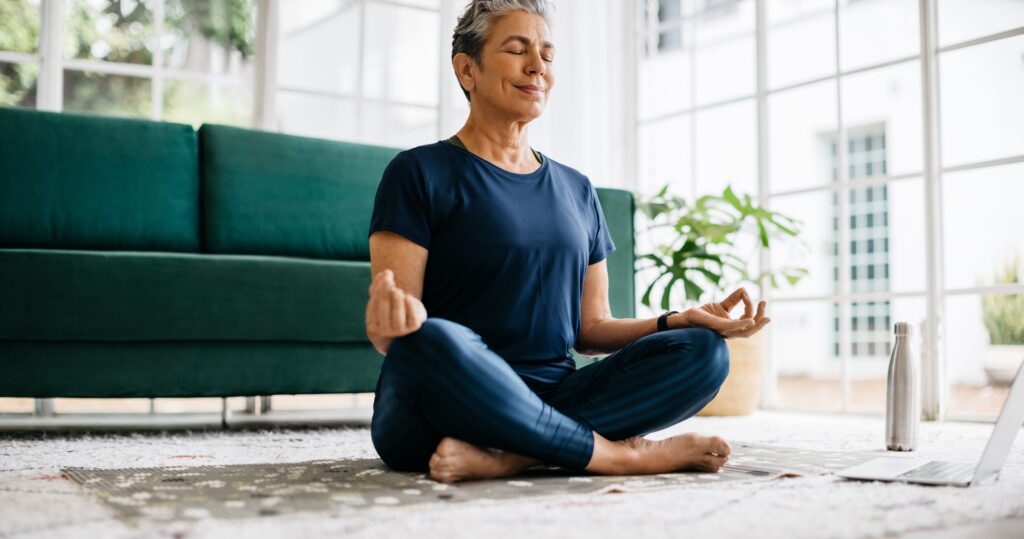
A cancer diagnosis can take a toll on the mental health of patients, families, and caregivers. Guided imagery — a form of visualization meditation — has been shown to reduce stress and anxiety, helping people feel calmer, more in control, and better able to cope with fears about the future and recurrence.
About this Workshop
The information and dialogues are designed to help you understand:
How stress, worry, and uncertainty affect your nervous system and overall wellbeing
How mindfulness meditation can help calm your mind and relax your body
How to practice short visualization exercises you can use at home to help manage anxiety throughout the cancer experience, including during treatment and beyond
Topics Covered in Finding Calm Through Mindfulness Meditation include:
The benefits of mindfulness meditation throughout the cancer experience
How to use visualization meditation to help manage stress, anxiety, and fear of recurrence
Simple ways to incorporate mindfulness into your daily routine
This workshop is available ONLINE
Join us!
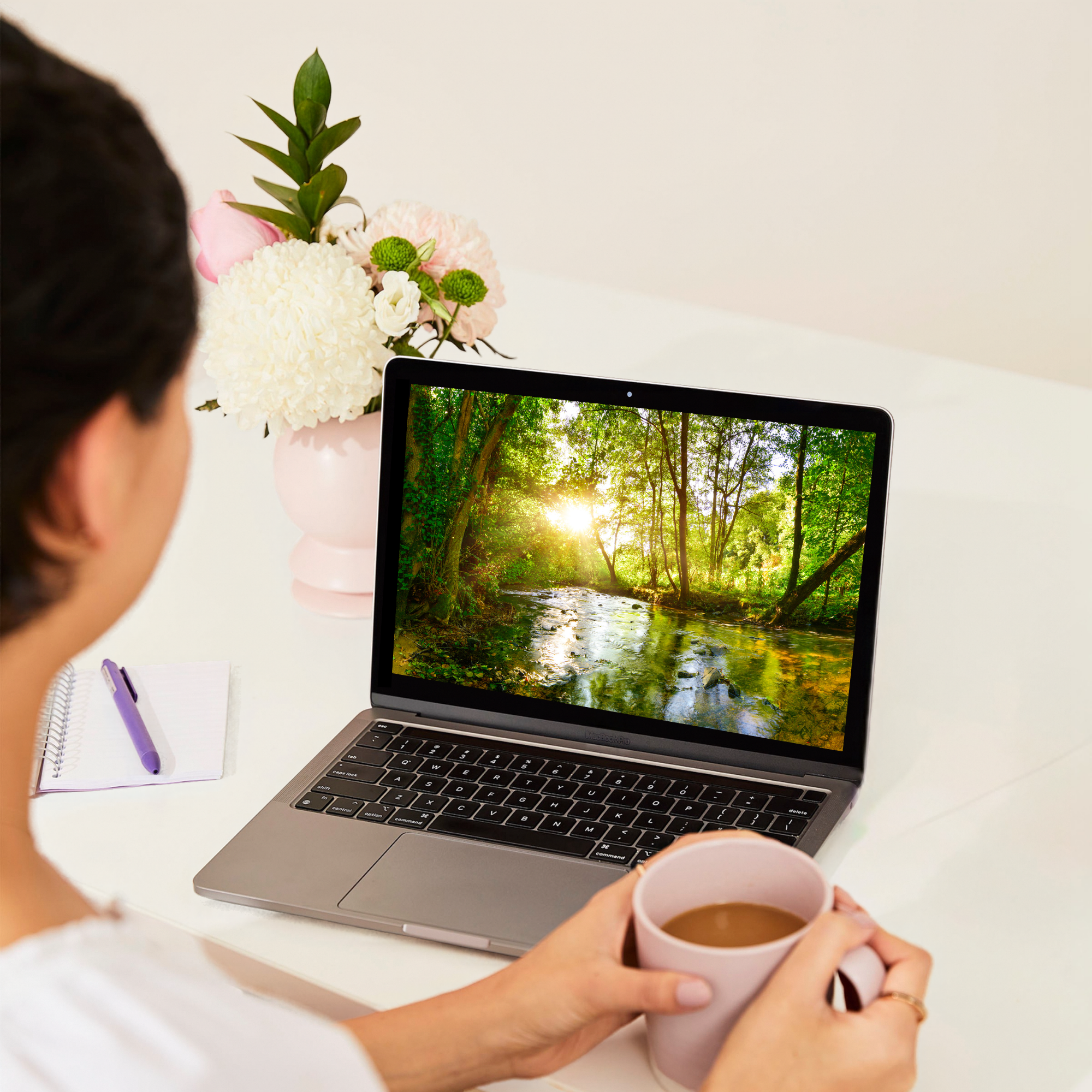
- This session is led by a certified meditation teacher and includes a guided, story-based visualization meditation.
- It is roughly an hour and fifteen (1:15) minutes in length and is delivered over Zoom.
Who should attend this workshop?
- Individuals who are pre-treatment, currently in treatment, post-treatment, or living with cancer.
-
Caregivers, and anyone interested in learning more about using mindfulness meditation to cope with cancer-related stress and anxiety.
Let’s navigate this together
Join a community that understands. Receive expert advice, useful resources, and compassionate tips throughout your cancer journey in the LGFB newsletter.
Newsletter Form
Living through breast cancer and attending a Look Good Feel Better (LGFB) workshop didn’t just impact me – they completely changed the course of my life.
I’ve always wanted to have a job that was in service of people, and to be able to be the bright spot in someone’s day. Last year, in my 50s, as a grandmother of four, I finally did it — nearly a decade after my initial breast cancer diagnosis. I reinvented myself. I quit my job, graduated from an aesthetics program, and started my own business.
Through my business, I offer facials and non-invasive treatments. I always include a facial massage, too. I want to give every single client a deeply relaxing, restorative experience.
The skincare and spa parts of my business were directly inspired by my journey with cancer and LGFB. When I was going through cancer, my skin was a mess. I didn’t feel beautiful or like myself. And I was starved for touch.
There were days I was in the hospital for my treatment and surgery when there was no personal touch – just doctors in and out, surgeons, and stitches. But there was nobody there to wash my back or clean my face. That impacted me quite a bit and left a mark. I was deeply inspired by my own unmet need for gentle, healing touch during treatment.
Now, through my facials, I can offer that same healing touch to others. Touch offers real connection and emotional healing. Just yesterday, a woman told me, “That was better than therapy!” I love that part of my work. I just want to be the best part of someone’s day. And I truly believe that touch is transformative – especially for women and moms. We’re always giving, always putting other people first. We need to receive, too. Seniors, single women, people experiencing illness – there’s a lot of loneliness out there, and caring touch can make all the difference.
Alongside starting my business, I’ve also begun to volunteer. I remember watching hospital volunteers during my treatment and seeing the positive impact they had. I felt the same attending an LGFB workshop. I always thought, “Wouldn’t it be nice to have the time to be able to volunteer?” But I was a single mother of five, and at that point in my life, there just wasn’t time.
Now that my youngest is off to university, I can finally give back. I’ve been volunteering at LGFB’s workshops in Kitchener-Waterloo, and I love it. It feels like such a full-circle moment. I was once sitting in that LGFB chair, and now I’m guiding others through the same transformation. It’s essentially a makeover in an hour. People arrive with slumped shoulders, feeling uncertain and tired. By the end of the workshop, they’re transformed. They’re happy, they’re refreshed. They’re making plans together. They feel like their old selves again. It’s so rewarding to see that. And I love teaching because these lessons are invaluable. I still use the eyebrow technique I learned 10 years ago at my LGFB session!
Through volunteering and running my business, I feel that I’m helping to redefine beauty and aging. After treatment, my hair grew back completely grey – and although it felt too soon to be grey, I embraced it. In fact, I got more compliments on my grey hair than I ever got on my brown hair. My greys, my scars – I embrace it all. I’m in the second act of my life, and it’s pretty amazing. I want to uplift other women going through similar changes.
I found out that I was positive for the BRCA2 gene in May of 2014 after my 94-year-old father was diagnosed with prostate cancer. He was urged to get tested as there’s a history of pancreatic and prostate cancer on his side of the family and, sure enough, his test came back positive. I was sent to the high-risk clinic and made the decision to have my ovaries and fallopian tubes removed. A small tumour was found, and that was the beginning of a journey of more surgeries, chemotherapy, and a deep struggle with my mental health. I was frightened.
As a professional pianist, it was very important that I did everything possible during my chemotherapy to avoid neuropathy – tingling, pain, or even numbness in my hands and feet. After searching online and asking for advice from all the nurses and doctors who were treating me, I ended up using a very questionable and unproven preventative technique of holding ice packs in my hands during therapy. Thank goodness, it seemed to have worked.
Other side effects were more difficult to deal with. Prior to treatment I had a big, thick head of curly hair and, when it started falling out in the shower, it was very difficult. Losing my eyebrows and eyelashes was tough, too. I had fatigue, heartburn, ear infections, and a perforated ear drum, and a period of time where I was crying a lot. I comforted myself by reminding myself that things could always be worse. And I am so lucky to have had a wonderful support system: my amazing husband, dear friends who supported me daily with a meal train and phone calls, and my adult daughter and son, who called regularly and came in from Toronto and the UK to visit, lifting me up with their presence.
My treatment was isolating. I was told to treat this time as if I were in the COVID pandemic as I was immunocompromised. I couldn’t see anyone in person. I longed for some connection, and so attending the Look Good Feel Better (LGFB) workshop was a very welcome opportunity. I saw people in person there for the first time in months.
I attended because I wanted to have eyebrows. I was scheduled to be in a video that was being made about my parents’ architecturally designed home and this was for posterity. So I signed up with that singular purpose in mind.
What I found out was that LGFB is so much more than learning how to apply makeup. It nourished my soul, gave me hope for the future, and helped me feel like myself again – confident to face myself and others. I was struck by how positive the participants were and especially inspired by the facilitator, who shared with us that she was a cancer survivor of over 20 years. She had humour, vitality, and boundless energy – everything I was longing for. I removed my head covering there for the first time in public, baring my bald head, something I couldn’t even do in front of my husband. That was a feeling I can’t even describe. It took a lot of courage for me to do that. I left that session feeling positive, supported, and connected.
There can be silver linings to having cancer. It has forced me to look at life differently, to value friendships, family, and the little things in life and not let them pass me by. This journey puts life into perspective. It has given me an opportunity to reflect on my priorities and to make sure that I can make a difference in the world.
Last spring I attended my son’s graduation ceremony in London, England. And in the summer I hosted a thank-you party for all my beloved friends who supported me during my treatment. I was able to support a friend going through something similar with greater empathy. We will travel again. Life is short and unpredictable, and I want to make the most of it.
Vaginal and Vulvar Dryness & Pain
Sexual Desire (Libido)
Practical Strategies: Where to Start
Sexual Activity & Relationships
Hormones & Treatment Decisions
Hormones & Treatment Decisions
Safety Questions
Getting Support
Finding Your Style
Dressing a Changed Body
Weight Changes & FLuctuating Sizes
Comfort, Side Effects, & Personal Needs
Shopping, Budget, & Overwhelm
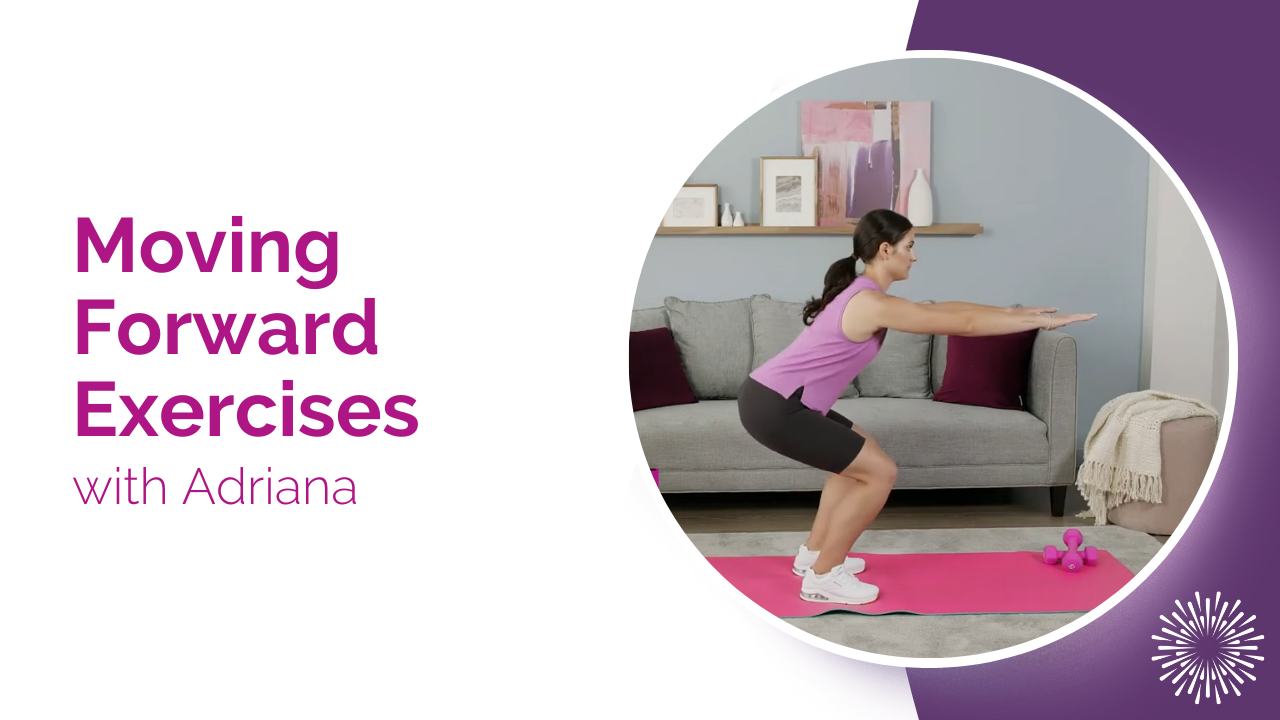
From skincare and makeup guidance to scarf-tying techniques and mindfulness practices, this video library offers practical tools to help you feel more confident, comfortable, and supported.
Skincare & Makeup Videos with Beauty Expert Christine Cho
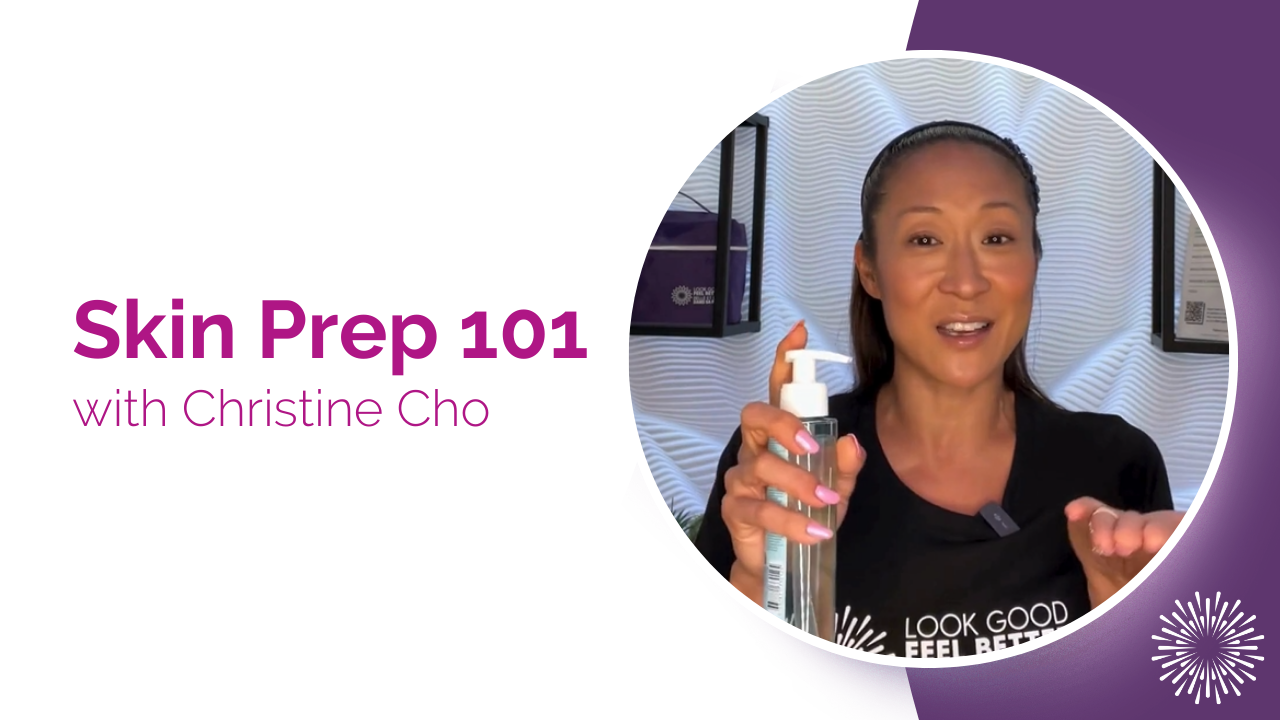
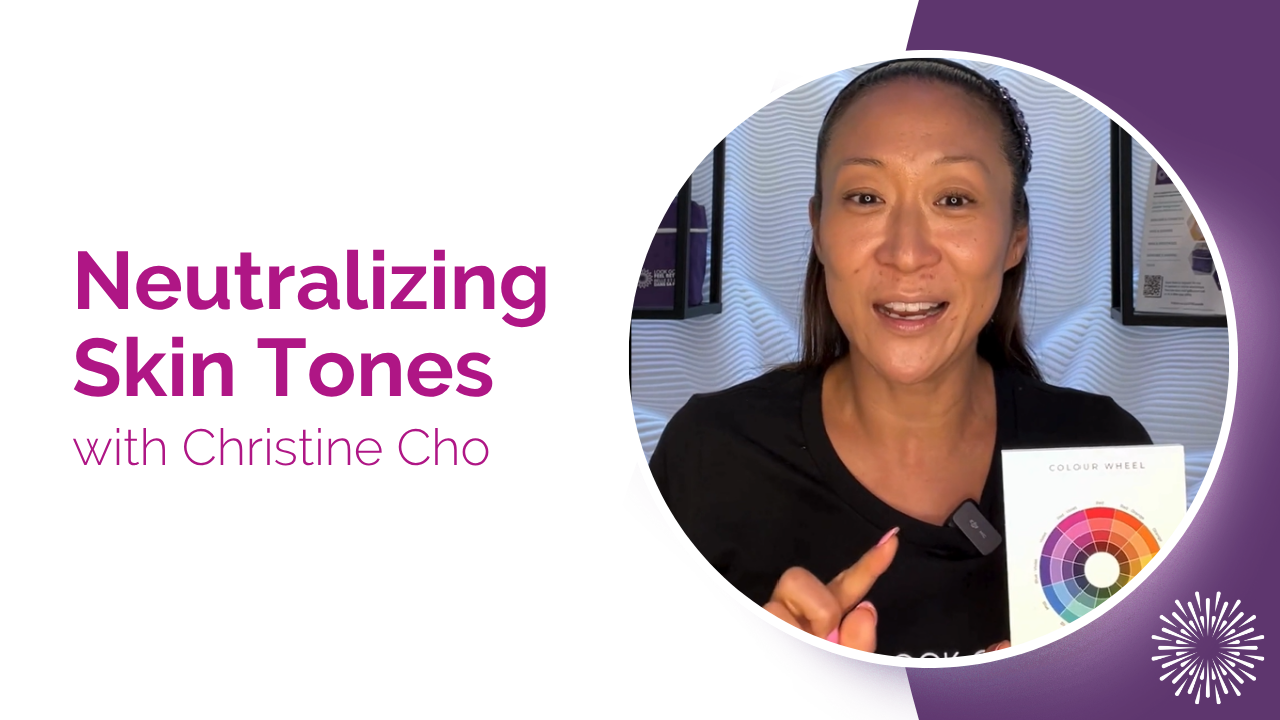
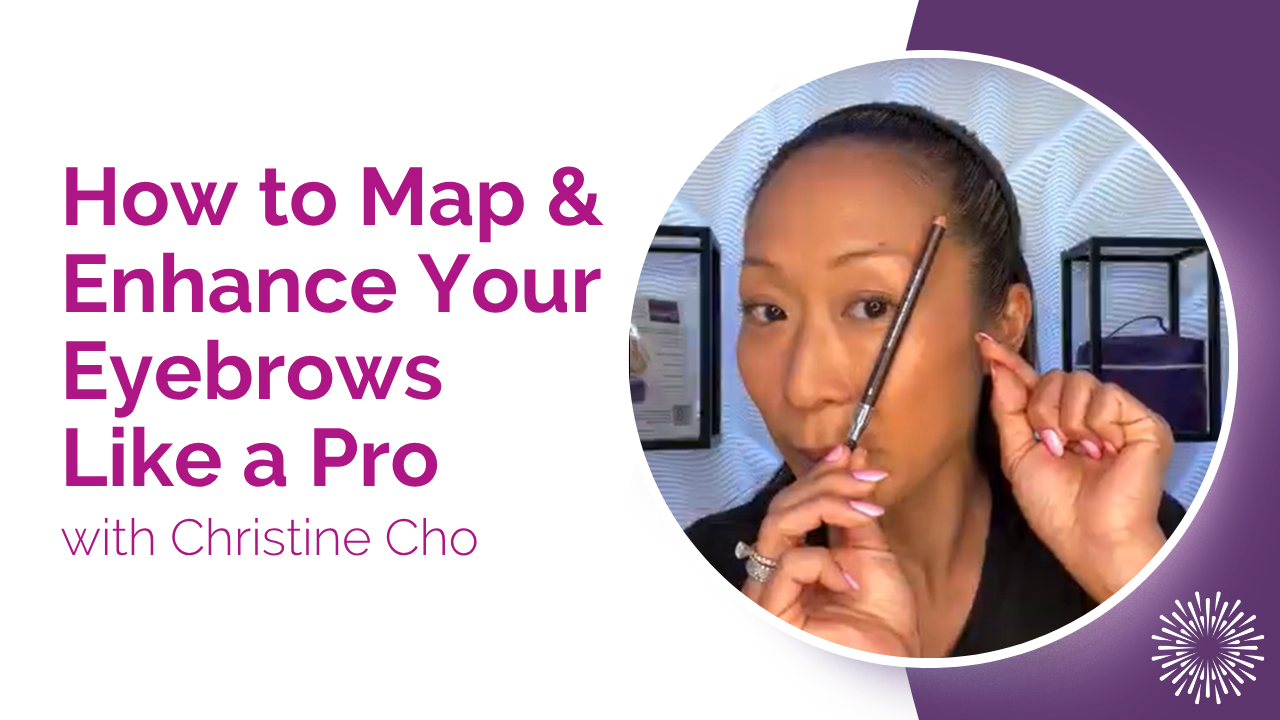
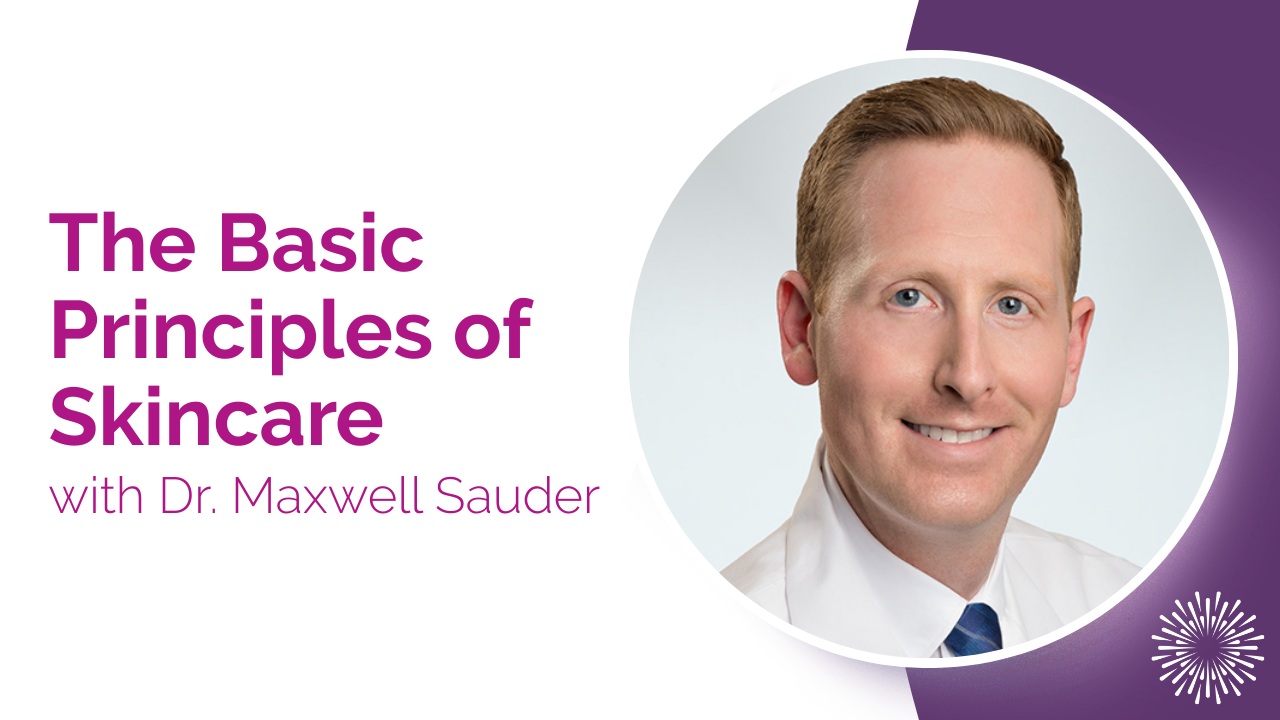
Advanced Skincare Videos with Onco-Dermatologist Dr. Maxwell Sauder



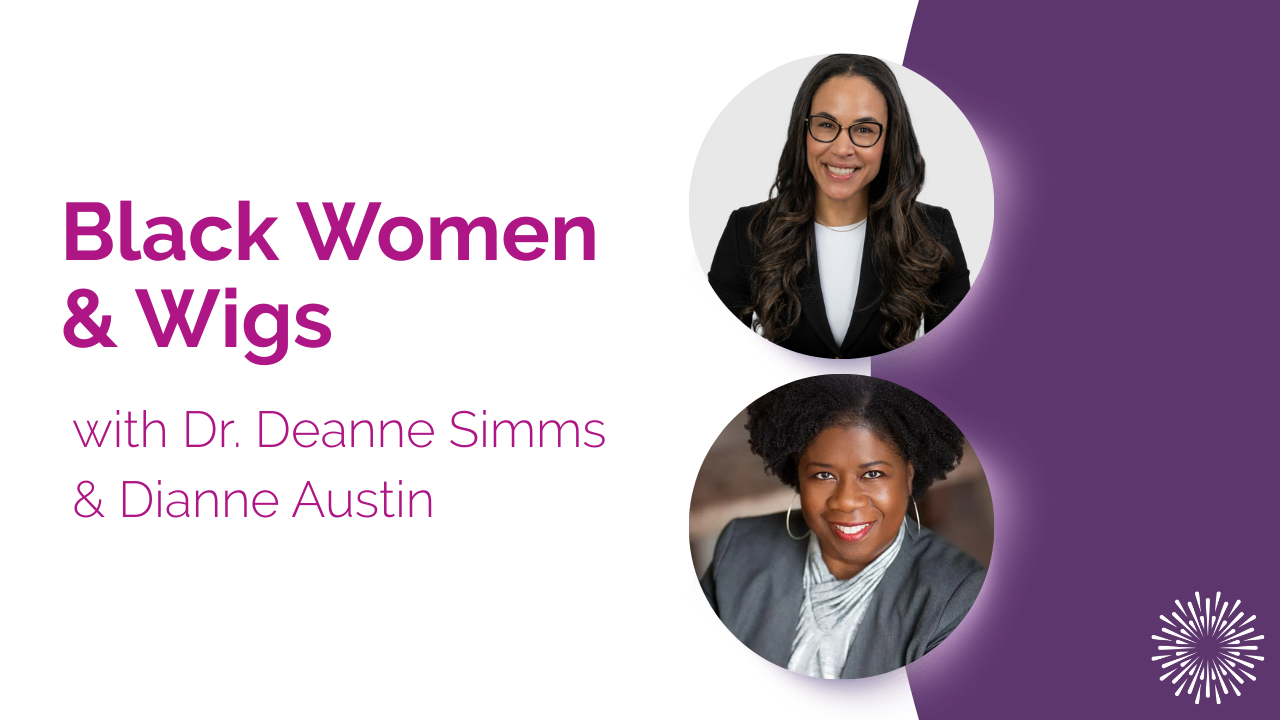
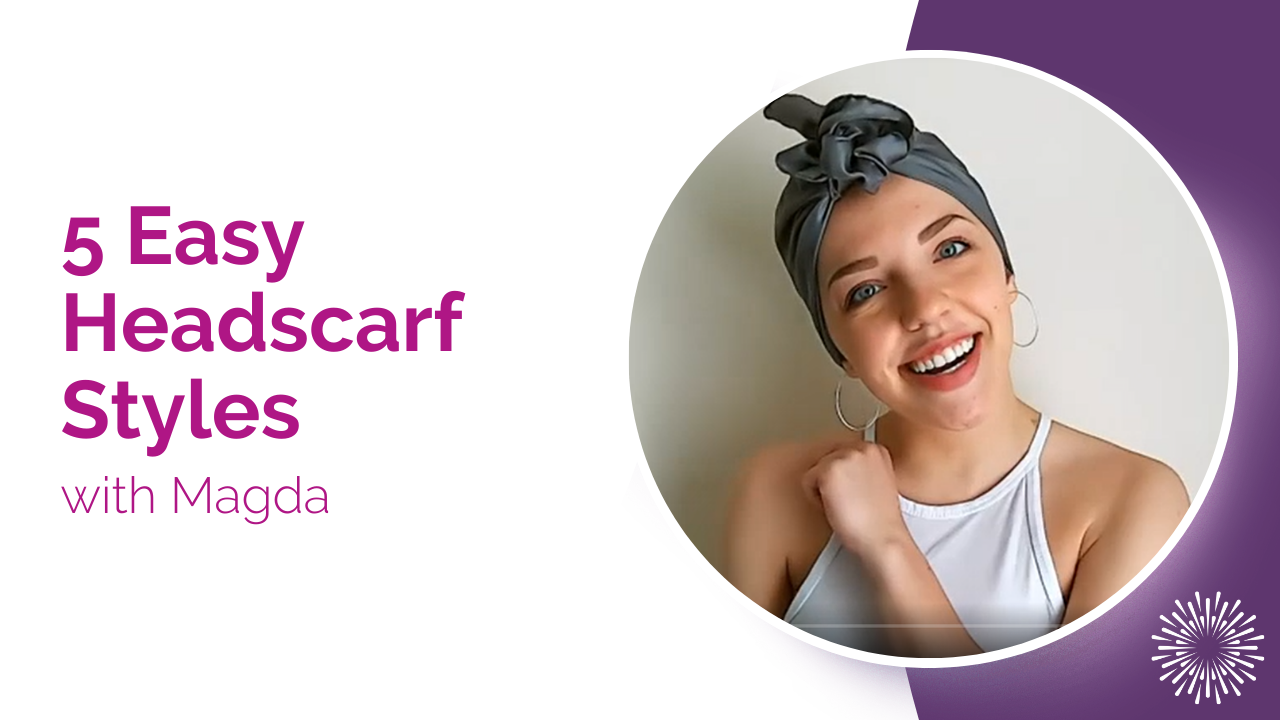
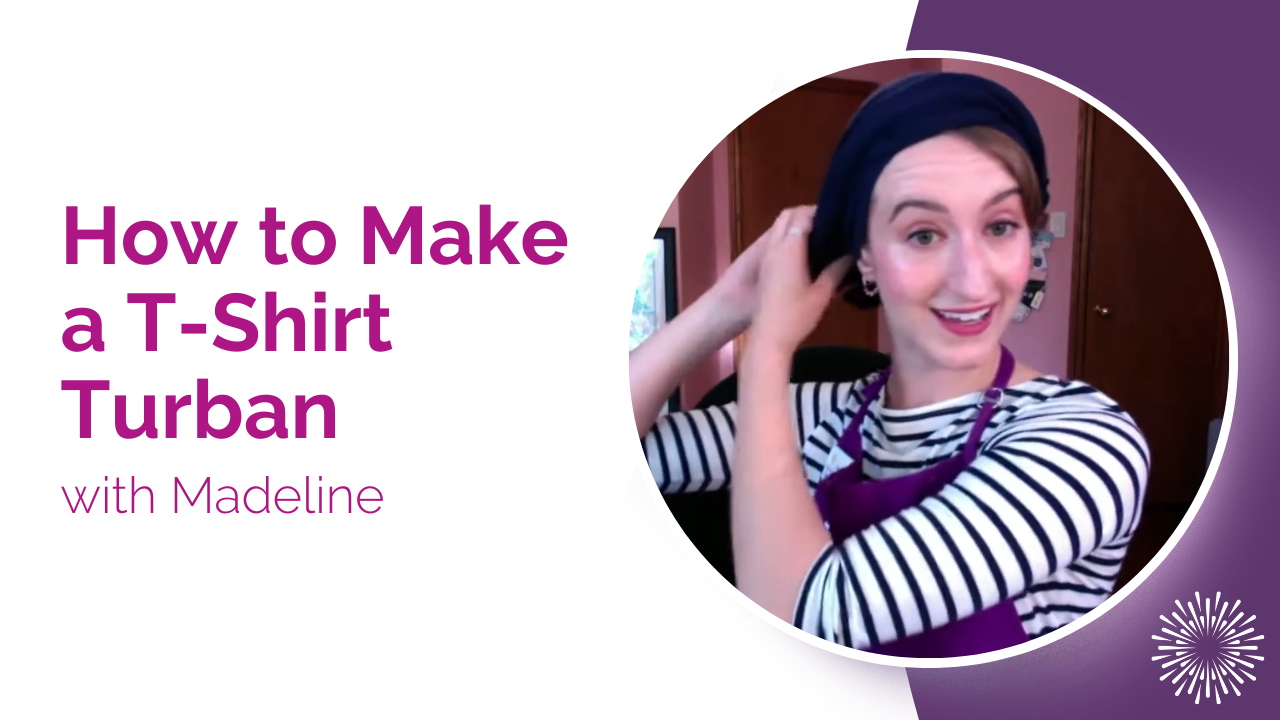
Wigs & Scarves Videos
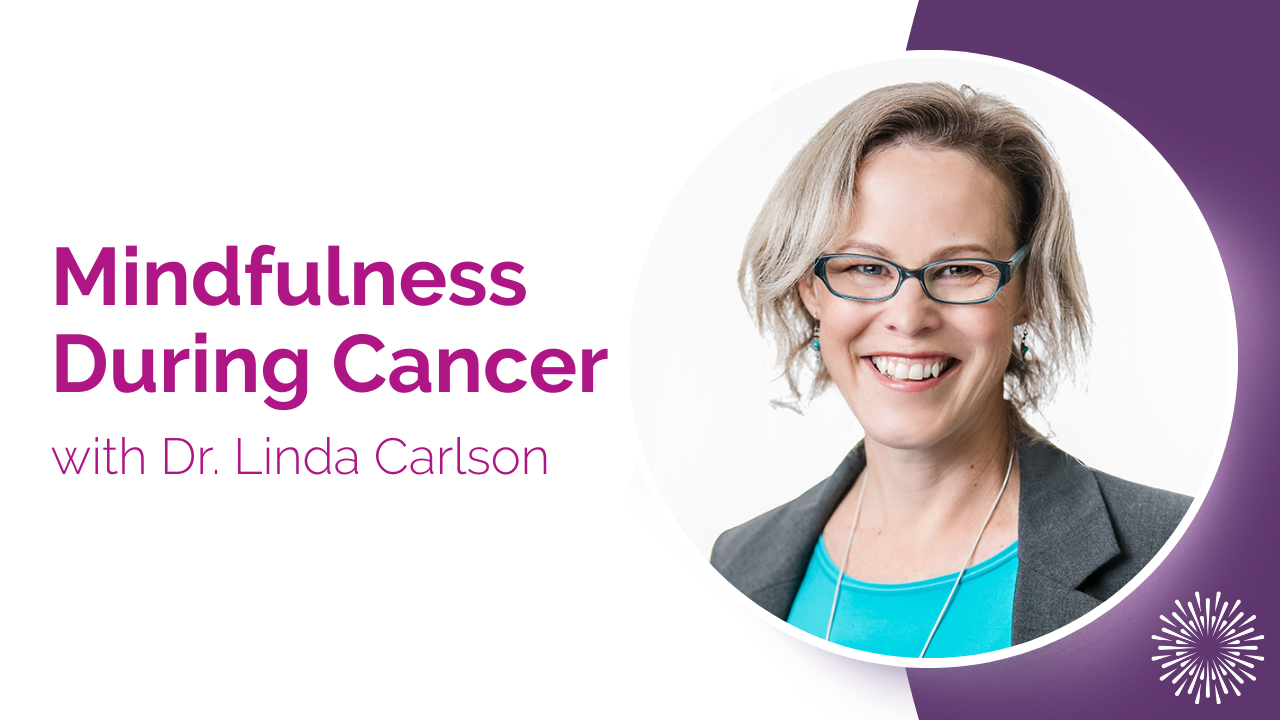
Mindfulness Videos
Nutrition Videos
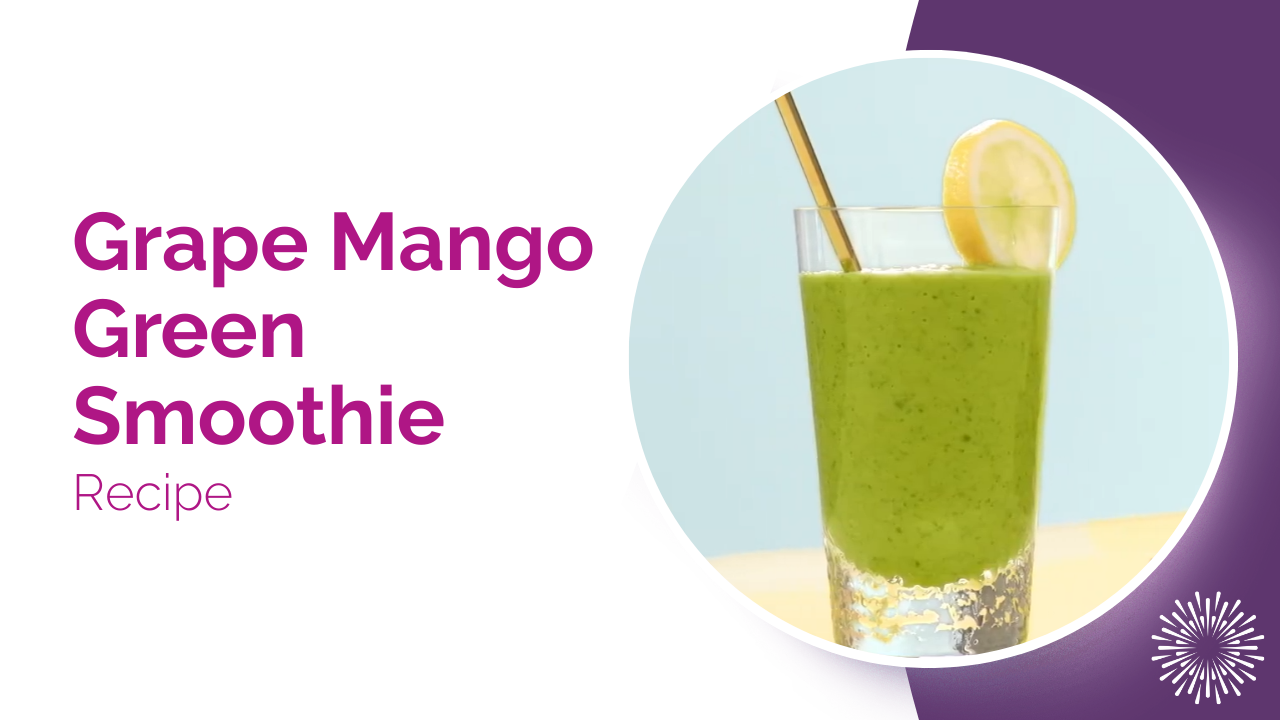
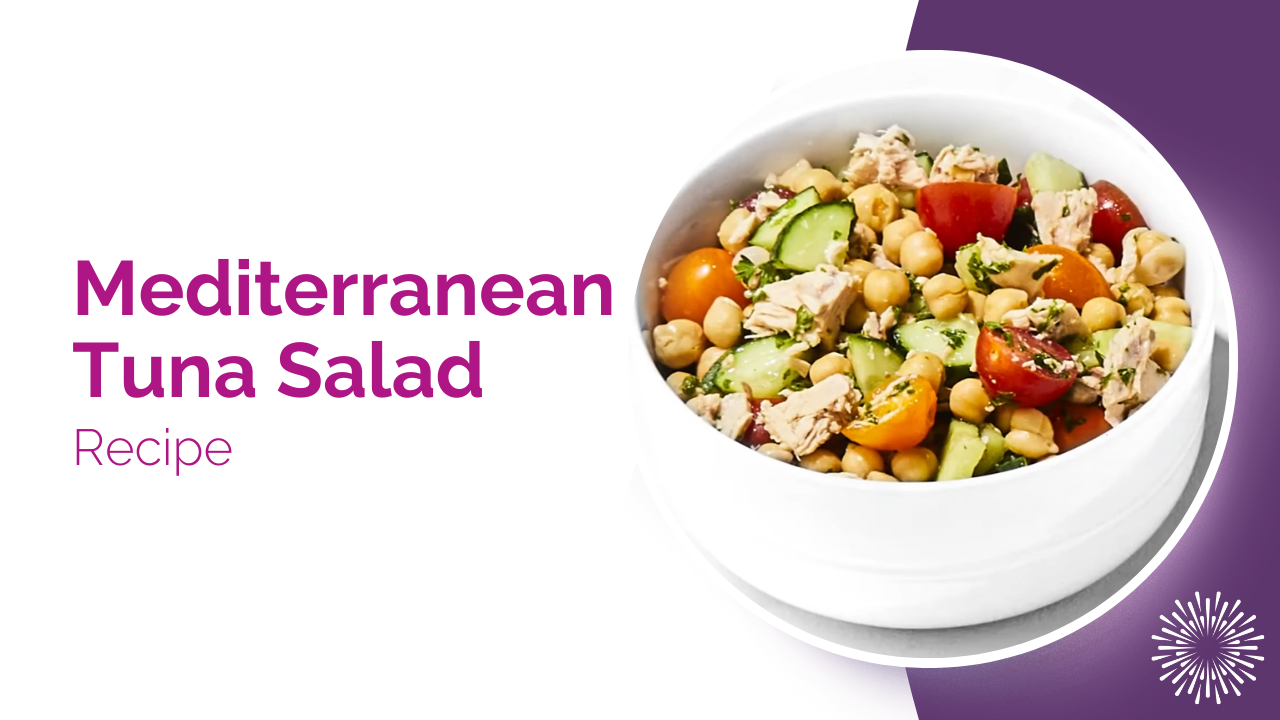
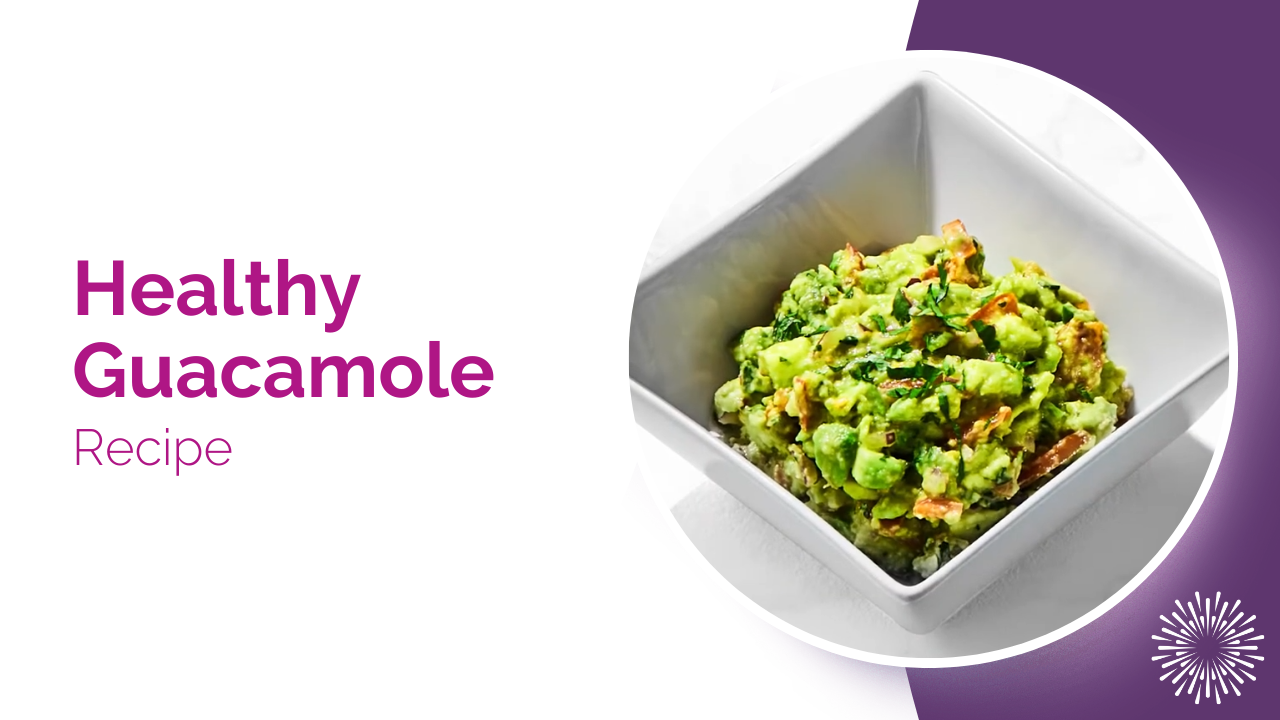
Exercise Videos
On International Women’s Day, we celebrate the strength, resilience, and compassion of women everywhere. At Look Good Feel Better, we see that strength every day in the women navigating cancer who participate in our workshops, as well as in the caregivers—most often women—who stand beside them, and the health care professionals who provide compassionate care along the way. We are also deeply grateful for our community of volunteers, nearly all women, whose generosity and dedication help uplift patients with confidence, connection, and support throughout their cancer journey.
Here are a few thoughts we’d like to share this International Women’s Day.
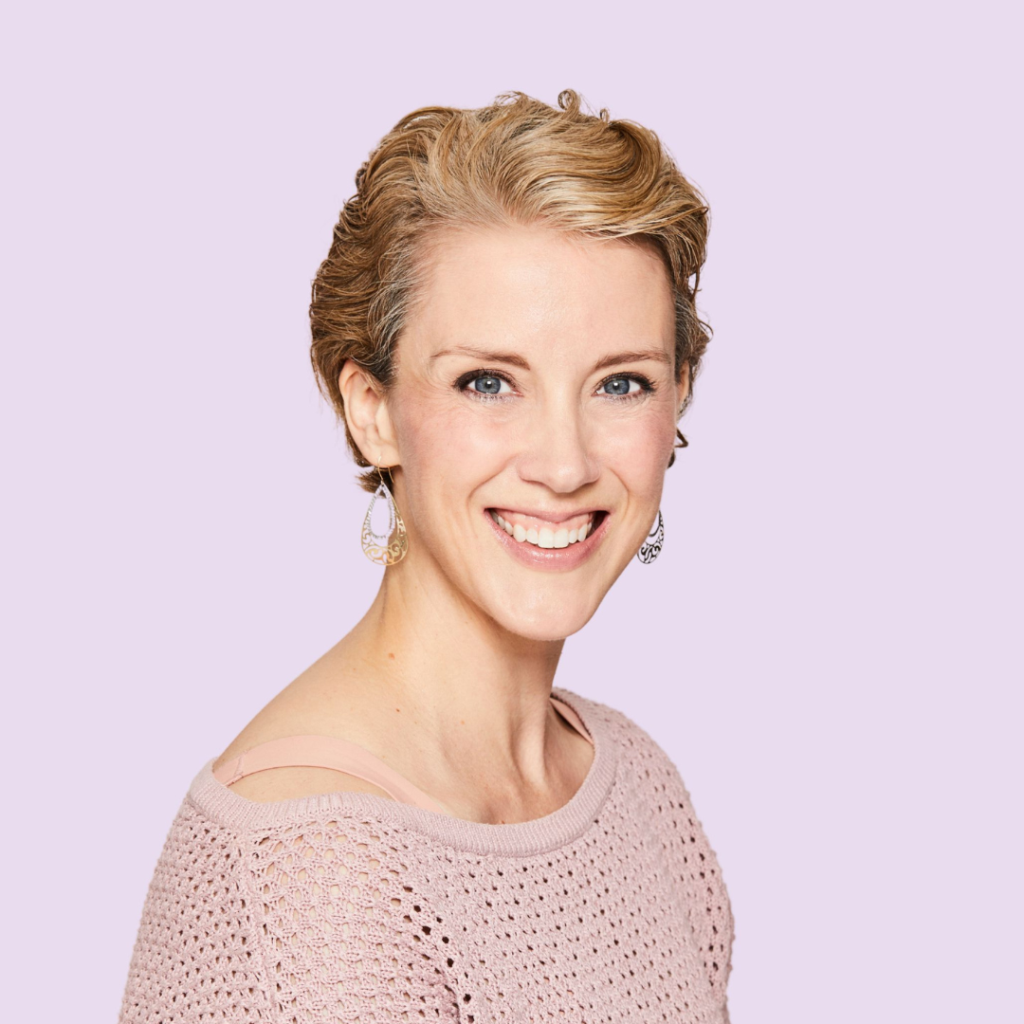
“I am so proud that Look Good Feel Better is a national organization that sees, supports and empowers women. On International Women’s Day, I want to recognize that women are at the core of so much of what we do – they are workshop participants, volunteers, donors, supporters, caregivers, healthcare professionals and LGFB staff.”
—Susan Larkin
President and CEO, Look Good Feel Better
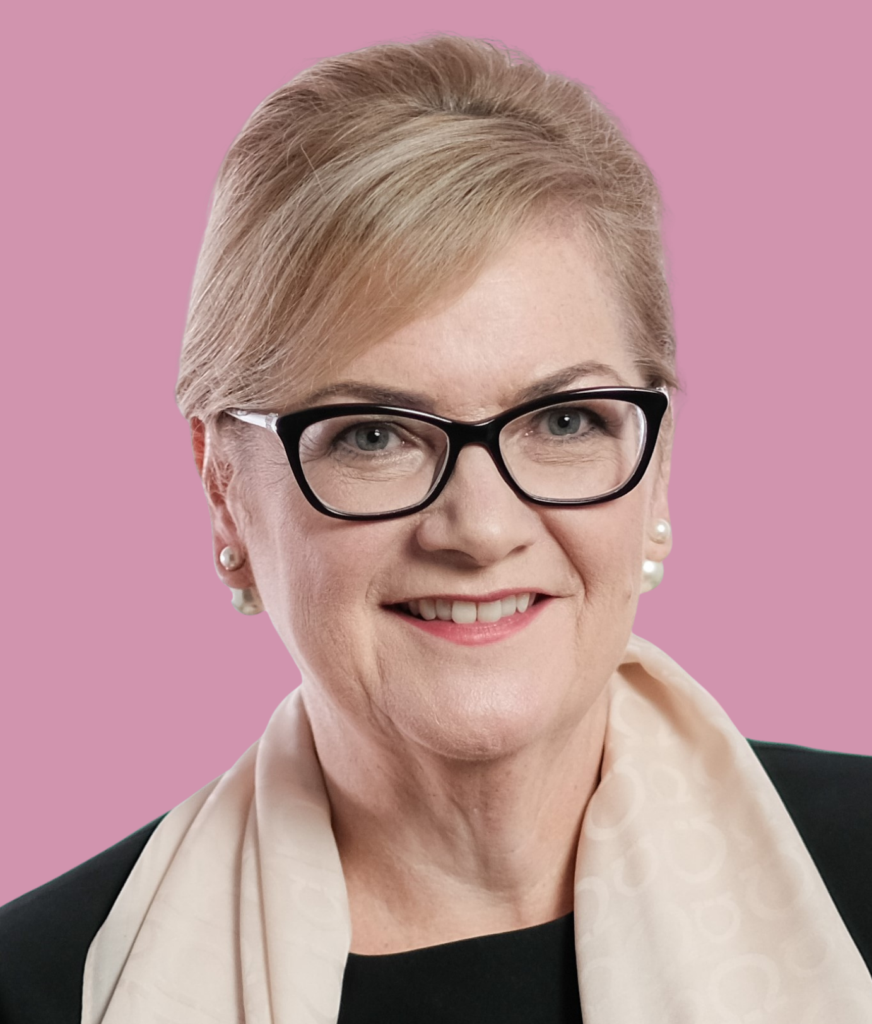
“When we mentor women, we don’t just give guidance — we gain a stronger, braver, more equitable future. Give your experience, your voice, your support — and you gain a community of women who are ready to lead.”
—Louanne McGrory
Board Chair, Look Good Feel Better
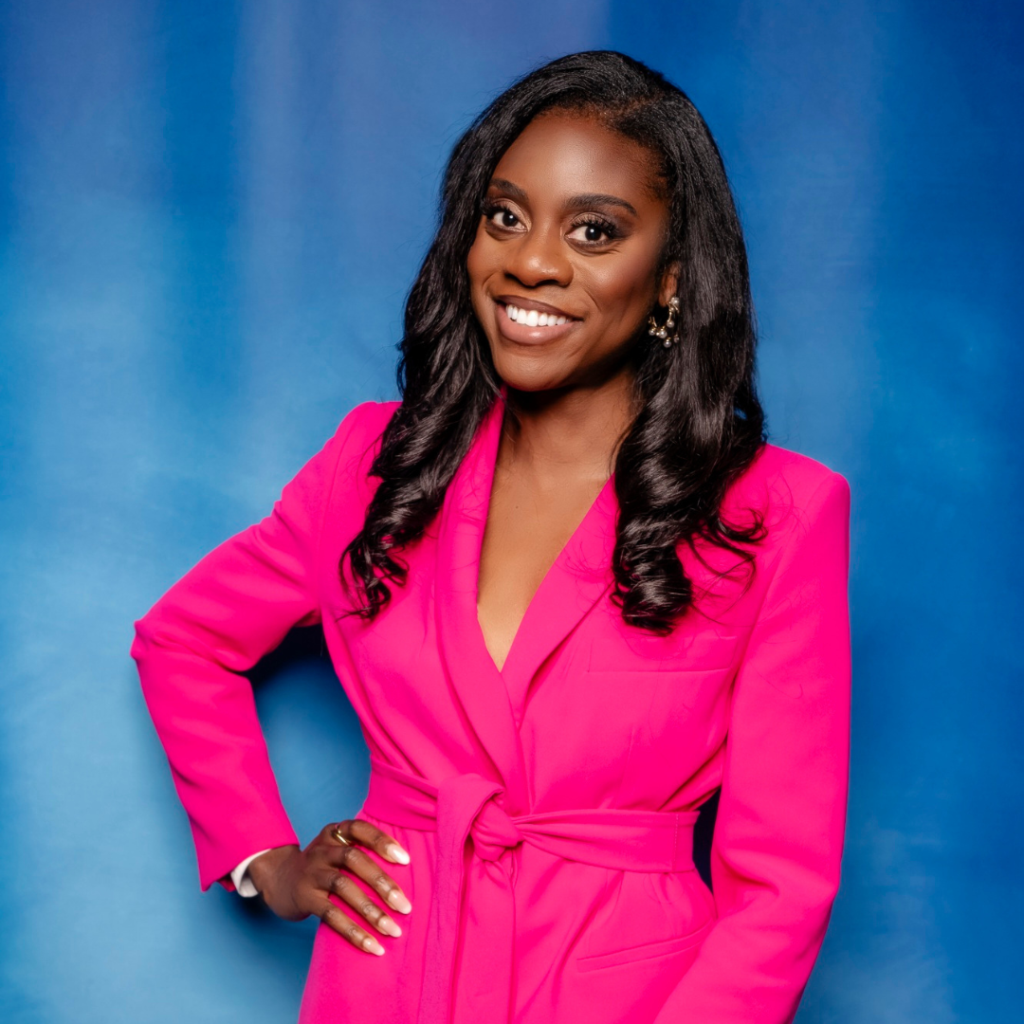
“This year’s International Women’s Day theme #GiveToGain, is more than a message — it’s a mandate. It speaks to a fundamental truth: generosity is a catalyst for equality.
When we give — our time, our mentorship, our influence, our advocacy — we are not giving something away. We are investing forward. We are multiplying opportunity. We are accelerating progress.
I’ve had the privilege of working alongside impactful organizations such as the Shoppers Drug Mart Foundation for Women’s Health, Go Further Women at Loblaw, and the Women’s Health Collective Canada — communities built on the belief that advancing women’s health and leadership is not a peripheral effort or initiative, but a societal imperative. These efforts prove that intentional collaboration creates sustainable, measurable change.
International Women’s Day is a call to action — at home, at work, and within our communities. Each of us has something to give. And when we give boldly and collectively, we don’t just support women — we reshape the future.
When women rise, the world rises with them.”
—Nneka Ezurike
Pharmacist, Pharmacy-Owner, Shoppers Drug Mart, Co-Founder, BBPC and International Speaker & Moderator
Before I was diagnosed with stage 4 cholangiocarcinoma, I lived a very active lifestyle. I was at the gym all the time, doing cardio and strength training. I loved going out and socializing with friends. I had not only a full-time job, but also a side hustle. Type A personality? You bet. I didn’t get much sleep.
Once I got my diagnosis, everything completely changed. My life as I knew it just kind of blew up. But it has been replaced with something fantastic, which is that I’m now really focused on healing and wellness.
These days, I’m doing yoga, mindfulness meditation, and reflexology. I’m writing and listening to music. I’ve slowed down and I’m really living in the present now, and the benefits have been incredible. I’m getting so much more out of life because I’m living every day to the fullest. It may surprise you, but what inspired this new way of living was beauty.
Undergoing cancer treatment is a very unglamorous time for a woman. I no longer recognized myself. My hair had been long, thick, and healthy, but it started coming out in chunks. My skin was dry and breaking out with acne and rashes. I’d had all these procedures that resulted in scars and lots of little marks from the poking and prodding. And during chemo, certain things are restricted like manicures, pedicures, and hair colouring. I had started feeling really awful. I didn’t want to go out – I could feel the social isolation creeping in. And so when I found out about the Look Good Feel Better (LGFB) program, I thought, you know what, it can’t hurt to go. And it made such a difference.
When I arrived at the LGFB workshop, I was warmly greeted by the volunteers hosting the program and the other ladies attending. That alone made me realize, hey, I’m not in this by myself. Talking and laughing with the other women, and getting all these great hair and makeup tips, gave me a real boost.
I was given a bag of makeup and the items were just perfect. I especially loved this bright pink lipstick and a beautiful rose-coloured blush. I was suffering from chemo-induced anemia and looking really pale, and these items brought a much-needed pop of colour to my face.
LGFB was the first program that I was well enough to attend, and it was the first time in my cancer journey that I felt seen, welcomed, and socially connected. It was very powerful. The workshop opened up a lot for me. When I was going out afterwards, I felt like a piece of my former self had returned. I didn’t feel self-conscious anymore. I even started getting compliments!
The boost I got from the LGFB workshop was what started my interest in pursuing health and wellness activities. I shifted from a high-pressure, goal-focused lifestyle to one centered on healing, presence, and wellness.
I’ve really learned to slow down and enjoy every single day. There’s so much joy in living in the present. It’s very healing. I find joy and gratitude in so many things: the sun shining, a walk through the neighbourhood, a call from a friend, or snuggling with my adorable cat Marge Simpson. Having cancer completely changed my entire life. Surprisingly, it’s not all negative. I feel so blessed.
With February marking Cholangiocarcinoma Awareness Month, sharing my story feels especially important right now. I want other people facing a stage 4 diagnosis to have hope, knowing it’s not necessarily the end. And I hope that every woman facing cancer will have the opportunity to experience an LGFB workshop.
I’ve been committed to advocating for women’s health and telling my story for many years now. I’ve experienced more than my fair share of gynecological challenges, from fibroids to challenges with fertility. Being diagnosed with vulvar melanoma last year just felt like the icing on the cake.
But if this had to happen to someone, it feels like it had to be me. And that’s because I refuse to be uncomfortable talking about women’s health and gynecological issues. I want to break stigma and raise awareness, to give back and support other women. Sharing my story is how I do that. It’s taken a lot of recovery and healing for me to get to this point, though.
Healing from my vulvectomy surgery was extremely painful, but what was surprisingly tough was the emotional recovery. I was so angry. After all the gynecological issues I’d already had, to have another made me feel like I was being punished. The vulva represents motherhood, sensuality, and femininity. To have that be physically changed was so difficult to process. I had some really challenging days – days when I didn’t want to get out of bed.
I’m grateful for the supports I had available, and that includes Look Good Feel Better (LGFB). Both of my parents are cancer survivors as well, and when my mom was going through her breast cancer treatment, one thing she always said was, “Look good, feel better.” She really believed in that. And the LGFB program was such a lifeline for me personally, too. It really turned things around for me when I was so low, so angry, and dealing with a lot of negative self-talk.
I felt so seen at the workshop. It was a beautiful community. The kindness and positive energy in that room were overwhelming – I was deeply moved. The volunteers were wonderful, the kit was amazing, but what really impacted me was seeing different women at all stages of their cancer journeys and just feeling extremely supported. I was worried that we’d all sit around crying about what we were going through, but it was the opposite of that – warm and upbeat instead of sad or solemn. And I left that day all done up and feeling like a million bucks.
I also attended LGFB’s Bubbles & Brunch fundraiser with my family and friends, which was incredible. It was a really great day. My husband and brother were both fabulously decked out for the cowboy theme – my brother wore a white cowboy hat and we joined the DJ on stage at one point. I cried happy tears so many times that day because I felt so fortunate to have all my friends who have supported me through all of this rallying around me.
I’ve been so lucky, so privileged on my journey. I was able to get time off work to have procedures done. I live close to excellent hospitals like Princess Margaret – I don’t have to make a big journey and pay for a hotel like so many do. I was able to get really good care, but so many people fall through the cracks.
Women’s health is so underfunded and neglected. There’s still so much stigma. And the injustice of the lack of access makes me really angry. Even accessing period products is so difficult if you’re unhoused or live in a northern community. And when it comes to gynecological cancers, we need to advocate for more self-examination and early detection. These things are incredibly important.
I feel like me getting vulvar melanoma happened for a reason: to help spread awareness. I’m not ashamed of my diagnosis or of what I’ve been through. We have to get comfortable talking about these things. Our lives depend on it.
Sarah’s Instagram: https://www.instagram.com/sarahelizabethclare/