
I found out that I was positive for the BRCA2 gene in May of 2014 after my 94-year-old father was diagnosed with prostate cancer. He was urged to get tested as there’s a history of pancreatic and prostate cancer on his side of the family and, sure enough, his test came back positive. I was sent to the high-risk clinic and made the decision to have my ovaries and fallopian tubes removed. A small tumour was found, and that was the beginning of a journey of more surgeries, chemotherapy, and a deep struggle with my mental health. I was frightened.
As a professional pianist, it was very important that I did everything possible during my chemotherapy to avoid neuropathy – tingling, pain, or even numbness in my hands and feet. After searching online and asking for advice from all the nurses and doctors who were treating me, I ended up using a very questionable and unproven preventative technique of holding ice packs in my hands during therapy. Thank goodness, it seemed to have worked.
Other side effects were more difficult to deal with. Prior to treatment I had a big, thick head of curly hair and, when it started falling out in the shower, it was very difficult. Losing my eyebrows and eyelashes was tough, too. I had fatigue, heartburn, ear infections, and a perforated ear drum, and a period of time where I was crying a lot. I comforted myself by reminding myself that things could always be worse. And I am so lucky to have had a wonderful support system: my amazing husband, dear friends who supported me daily with a meal train and phone calls, and my adult daughter and son, who called regularly and came in from Toronto and the UK to visit, lifting me up with their presence.
My treatment was isolating. I was told to treat this time as if I were in the COVID pandemic as I was immunocompromised. I couldn’t see anyone in person. I longed for some connection, and so attending the Look Good Feel Better (LGFB) workshop was a very welcome opportunity. I saw people in person there for the first time in months.
I attended because I wanted to have eyebrows. I was scheduled to be in a video that was being made about my parents’ architecturally designed home and this was for posterity. So I signed up with that singular purpose in mind.
What I found out was that LGFB is so much more than learning how to apply makeup. It nourished my soul, gave me hope for the future, and helped me feel like myself again – confident to face myself and others. I was struck by how positive the participants were and especially inspired by the facilitator, who shared with us that she was a cancer survivor of over 20 years. She had humour, vitality, and boundless energy – everything I was longing for. I removed my head covering there for the first time in public, baring my bald head, something I couldn’t even do in front of my husband. That was a feeling I can’t even describe. It took a lot of courage for me to do that. I left that session feeling positive, supported, and connected.
There can be silver linings to having cancer. It has forced me to look at life differently, to value friendships, family, and the little things in life and not let them pass me by. This journey puts life into perspective. It has given me an opportunity to reflect on my priorities and to make sure that I can make a difference in the world.
Last spring I attended my son’s graduation ceremony in London, England. And in the summer I hosted a thank-you party for all my beloved friends who supported me during my treatment. I was able to support a friend going through something similar with greater empathy. We will travel again. Life is short and unpredictable, and I want to make the most of it.
Getting cancer made me feel really alone in some ways. Like, no one else around me was losing their hair or going bald. Being bald made – still makes – me feel insanely unique. I didn’t know anyone my age going through cancer. I celebrated my 19th birthday at home, recovering from a tough round of chemo, while my friends headed out to bars to party and toast their 19ths. Having cancer was a lonely experience.
It was also such a shock. My entire family describes the day I got diagnosed with lymphoma as the most shocking day of our lives. Before, I was such a regular 18-year-old. I felt and seemed healthy. I went to the gym all the time – I was really into bodybuilding. I was in school studying hairdressing. I had a boyfriend. I had a part-time job. Like, so typical. I went from thinking my life was fine one day to being in the hospital the next. Getting chemo, losing my hair – it was all happening before I could register the shock.
My family has been so supportive through everything. I live with my parents and my two brothers, along with two bunnies and a dog. They’ve all been so great. My friends and cousin have also been so supportive. But no one really fully got what I was going through.
Going to a Look Good Feel Better (LGFB) workshop was one of the most helpful things for getting me to feel less lonely. I was nervous to go, but I’m so glad I did. My mom came with me. It was genuinely such a nice night out. Everyone was super nice and we all had some good laughs, like when no one knew I was wearing a wig and I just whipped it off. I was going through a hard time, and a lot of things sucked. Getting to go to a girls’ night, receiving free makeup, and having people help me was so awesome.
And the makeup was super fun. I’ve finished my treatment now, but I still don’t have my hair. Putting on both my wig and makeup helped me to feel prettier, and a bit more like myself. I don’t think I would’ve started wearing makeup if I hadn’t gone to the LGFB workshop. I like being able to put on my wig and makeup and to go out and feel OK. I was so scared to lose my hair, but it ended up being totally fine. I’m having fun with it and if anything, I feel more confident now because I have long, blonde, thick hair and when I go out, nobody really knows that it’s not mine. It’s true: when you look good, you do feel better.
Getting diagnosed so young has definitely been scary. I wonder, is this going to affect me for a long time? I’m sure it will, right? I think about the checkups I’ll need, the precautions I’ll have to take, the things I’ll have to consider.
But it’s also given me a different perspective on things. I’m really grateful for the simple things now. Going to a restaurant with friends, or for coffee, or to the movies, or for a walk – these moments are so special now. If there are little things that you enjoy, just do them, you know?
Cancer runs in my family — it has affected six out of eight siblings, my mom, my aunt, my grandmother, my cousins, and even my niece and nephew. But I’ve never let it define me. I don’t even like to use the “C” word — I call it “the unwelcome intruder.” It infiltrated my body and so now we’re just working on getting it out of there. I don’t allow it to control me or have authority over my body.
Throughout my treatment, some things have stayed constant in my life, and this grounds me. I’ve kept working, because I love my job and it gives me a sense of normalcy. My children are there for me — I’m a single mom of four kids, 22-year-old triplet daughters and a 24-year-old son. I love going on walks with my little nine-year-old Havanese and reading psychological thrillers.
My faith has been another constant source of strength. When I had a recurrence of the unwelcome intruder, I prayed a lot. I was like, “I can’t go through this a second time. Lord, what are you doing?” And I received a message saying that this was not a journey I was to take alone — that this was going to be a community-based journey for me. I have a habit of isolating myself, especially during times of struggle. Thanks to this message that came through, I’ve been staying connected and sharing my journey, especially through the women’s connect group at my church. We all go through struggles in our lives, and my hope is that by sharing mine, it’ll help people to see their own challenges in a better light and to know they’re not alone or stuck. I know there’s an end to this.
It wasn’t just my church community, either. Once I decided to overcome my habit of cutting myself off from others, I was surprised at how vast this community travelled. More and more people outside of my church, outside of my faith, have come to walk alongside me. They send texts, stop by, bring me meals, go for walks with me, and even attend appointments. It has been really uplifting, encouraging, and inspiring. I feel held and supported.
This community extends to Look Good Feel Better (LGFB) as well. Losing my hair was a big thing for me. I cried and cried for weeks on end in anticipation. I just turned 61, but I don’t feel old —and I didn’t want to look old, or sick. My hair started falling out just two days before my LGFB workshop. I felt really shut down. I almost didn’t go. But I’m so glad I did, because the workshop really helped me get through it.
I loved how the volunteer talked about hair loss — so calmly, so casually. She’d rip off her wig, put on another, and then switch to a bandana. Something opened up in me when she was doing that. It felt so freeing. I realized I was no longer stuck to my hair, and that it was okay that it was gone. My hair falling out felt like the end of the world for me, but the workshop helped me realize that hair is just hair. It doesn’t define who I am. This new perspective changed the entire trajectory of my journey. The workshop gave me my life back, basically. It was so empowering. As a bonus, I’ve been having a lot of fun with wigs, trying different hair styles and colours.
My positive mindset has really helped me through this journey. Prayer, connection, community — these have been instrumental. And I really do treat this as a journey — not just a medical, physical journey but also a mental, spiritual, soul-deep transformation. I don’t have to worry about the unwelcome intruder in my body because that’s what my medical team does. My responsibility is to make sure that I’m staying as healthy as possible, physically and mentally. I’m not just focusing on the cancer, but on making myself better.
Preparing for Hair Loss
During Hair Loss
We’re here for you.
Find community and practical advice in our Wigs & Scarves workshop.
Let’s navigate this together
Join a community that understands. Receive expert advice, useful resources, and compassionate tips throughout your cancer journey in the LGFB newsletter.
Newsletter Form
“I liked getting information that was specifically for teens and connecting with other people who understood what I was going through in the teen workshop.”
Maddie W., Workshop Participant
Prefer direct information from a professional?
Try one of our workshops today!
Let’s navigate this together
Join a community that understands. Receive expert advice, useful resources, and compassionate tips throughout your cancer journey in the LGFB newsletter.
Newsletter Form
“I didn’t expect that my most visible side effects would be changes to my skin. I’m not fussy about how I look, but I didn’t like how other people reacted. My faced LOOKED painful. I appreciated getting some tips on how to calm my dry, irritated skin and not have my scalp hurt as much. These resources and the workshop were helpful.”
Marc W., Workshop Participant
Prefer direct information from a professional?
Try one of our workshops today!
Let’s navigate this together
Join a community that understands. Receive expert advice, useful resources, and compassionate tips throughout your cancer journey in the LGFB newsletter.
Newsletter Form
“I didn’t want to invest in a wig but after reviewing these resources and attending the LGFB Hair, Wigs & Scarves workshop, I changed my mind. It will be a good option to improve my self image and look and feel better. Now I’m in the process of buying one. Thanks!”
Linda G., Workshop Participant
Prefer direct information from a professional?
Try one of our workshops today!
Let’s navigate this together
Join a community that understands. Receive expert advice, useful resources, and compassionate tips throughout your cancer journey in the LGFB newsletter.
Newsletter Form
Teens Workshop
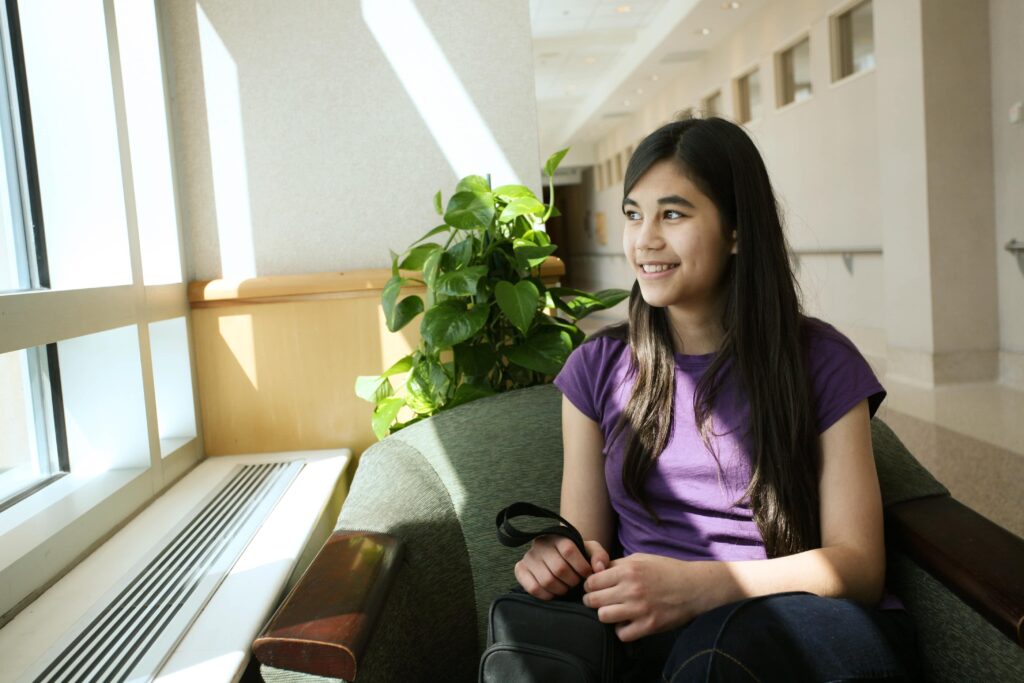
Dealing with cancer is hard. Figure out what works for you during treatment, from gentle skincare routines and makeup hygiene to cute head wrap styles, wigs and nails. Learn all these things, plus meet other teens with cancer, in a space that gets what you’re going through.
About this Workshop
Our online workshop is pretty unique and catered to teens with cancer. It’s a space where you don’t have to explain yourself, or your cancer. No one’s cancer experience is the same, but everyone will have some idea of what you’re going through.
How it works and what you will learn:
Learn skincare, makeup and sun care tricks and tips to help your sensitive skin heal and look its best during treatment
Get expert advice on managing treatment side effects like dryness, discolouration, and dreaded acne
Explore creative, cute, and cool styles for hats, wraps, wigs, scarves, and other hair alternatives
Get a free kit full of awesome skincare and makeup products that are OK to use during treatment
Even it’s ultimately not your thing, do it for the plot
A new theme – and new makeup – every time
Just because we’re talking about how to deal with side-effects to your skin and hair, it doesn’t mean that we can’t have fun with it. Each session covers a new look so you can lean into your artistic side or just change up the basics to help you feel more like yourself.
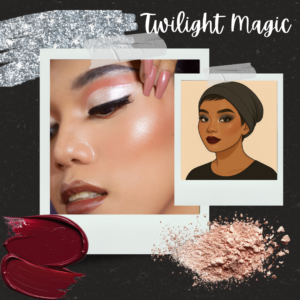
Twilight Magic: Smoky Eyes & Starlit Glow
Thursday, October 1st
Bring a little autumn magic to your routine. This session blends soft smoky techniques and shimmer placement to capture a twilight glow—perfect for fall photos or a subtle Halloween nod.

Holiday Classics: Effortless Skin & Bold Red Lip
Thursday, December 3rd
Wrap up the year with a modern classic. Learn simple techniques to keep skin fresh, eyes softly defined, and lips bold and bright. Choose your finish—sheer, satin, or gloss—and let your red lip shine.
Who can attend?
This workshop welcome teens aged 13 to 17 who are currently facing cancer or have completed treatment in the past year.
A bit older or younger and want to attend? Send us an email at workshops@lgfb.ca
Hang out. Have fun. Repeat.
What if you take our workshop, enjoy it, and want to come to another one? That happens a lot! As long as spots are available, we’d love to you to have you back for another one.
Each session has a new make-up theme AND it’s a great way to build friendships over time!
Come hang out with people who kind of understand what you’re going through!
Register for our Teens Workshop today!
Let’s navigate this together
Join a community that understands. Receive expert advice, useful resources, and compassionate tips throughout your cancer journey in the LGFB newsletter.
Newsletter Form
Shaving & Men’s Skincare Workshop
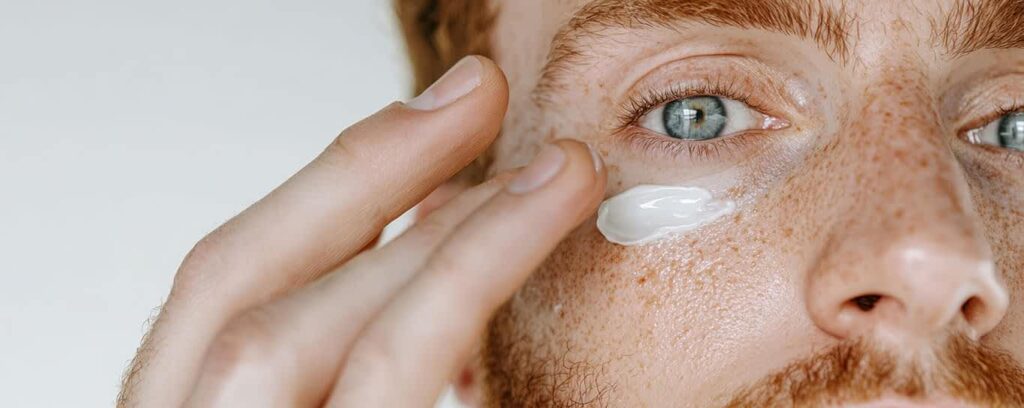
Physical side effects sometimes catch us by surprise. Cancer treatment can bring unexpected changes to your appearance—dry, discoloured skin, hair loss, irritation from shaving, nail changes — but that doesn’t mean you have to just put up with them.
Real advice in a supportive setting
Our Look Good Feel Better Shaving & Men’s Skincare Workshop is designed to help you take control of these changes with a simple, effective skincare regimen and shaving and grooming techniques tailored specifically for men facing cancer.
This free workshop is offered both online and in person at select locations and is held in a comfortable, supportive setting. You can listen, learn, and participate as much—or as little—as you’d like. Participants also receive a complimentary kit of men’s skincare and shaving products to try before and during treatment.
About the Shaving & Men's Skincare Workshop
Even if you’ve never paid much attention to your facial skin before, small changes can make a big difference in how you look and feel. In this session, we’ll cover:
Managing hair loss – What to expect, how to care for your scalp, and what happens when hair grows back
Caring for skin during treatment – Avoid dry, irritated or painful skin with a simple routine that take just a few minutes a day
Shaving with less irritation – Pros and cons of using a regular razor vs an electric razor during treatment and how to shave your face (or scalp) safely when your skin is more sensitive.
Protecting your skin from the sun – We’ll share simple ways to guard sensitive skin from the sun during and after treatment.
Who is the Shaving & Men’s Skincare workshop for?
This session is ideal for:
- Men who are currently undergoing cancer treatment or have completed treatment in the past year
- Anyone facing cancer who would like support around these specific appearance-related side effects
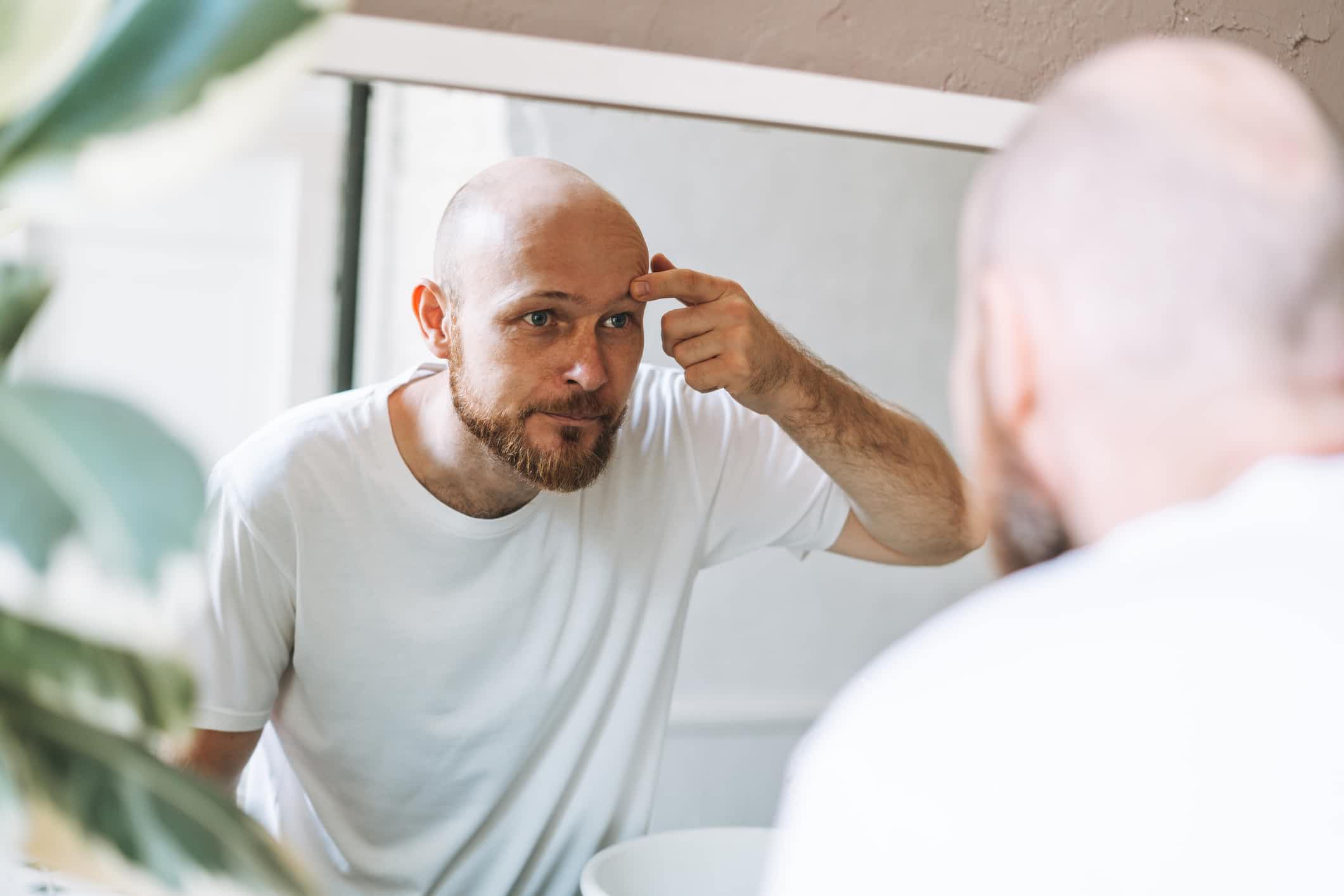
Maybe you didn’t sign up for this workshop…
and someone who cares about you did it on your behalf. You’re not alone. If you’re here because a loved one suggested it, take that as a sign of their support.
A no-pressure, practical approach
Prefer to stay in the background?
No problem! No matter if you’re attending online or in person, you can simply listen and absorb the tips at your own pace, and try them out whenever it suits you.
Whether you’re here for men’s skincare advice, scalp care, guidance on hair loss, or because someone you love suggested you might benefit from the workshop, we’re so glad you are here. This session is all about giving you the tools to move forward with confidence, in whatever way works best for you.
What our participants have to say
” Before treatment, I was worried about hair loss. I didn’t expect that issues with skin on my face and scalp would be the most challenging chemo side effect. The advice in this workshop helped.”
- Joseph S., Workshop Participant
“Actively taking care of myself helped me regain control – I didn’t want to be defined as sick.”
- Adam P., Workshop Participant
Join us for a workshop led by industry experts, tailored for men facing all cancers
Register for the Shaving & Men's Skincare workshop today!
Let’s navigate this together
Join a community that understands. Receive expert advice, useful resources, and compassionate tips throughout your cancer journey in the LGFB newsletter.
Newsletter Form
Hair and Brow Loss During Cancer Treatment
The loss of hair and brows can be just as distressing for men as it is for women, especially for men who have always had a full head of hair. Although it is currently a style statement for some men to have shaved heads, this may not be your personal preference. Hair loss or thinning may or may not happen depending on your specific cancer treatment.
Remember, hair loss is almost always temporary.
Managing Hair Loss
Always comb hair gently and use a mild shampoo (but not a baby shampoo).
As hair starts to thin, consider cutting it short or even having it neatly trimmed by a professional stylist. This can help if your hair becomes thin or patchy.
Don’t shave your head to the scalp. This can cause irritation and potentially cuts or nicks that could lead to infection.
When you’ve lost your hair, your scalp may become drier. Gently massage your scalp with your facial moisturizer to make it feel more comfortable and increase circulation to your stressed hair follicles. Caring for your scalp will greatly reduce sensitivity and itchiness.
There are many hat and cap styles today for sports, sun, cold, rain, wind, etc., to help you find something to cover and protect your head.
Eyebrows
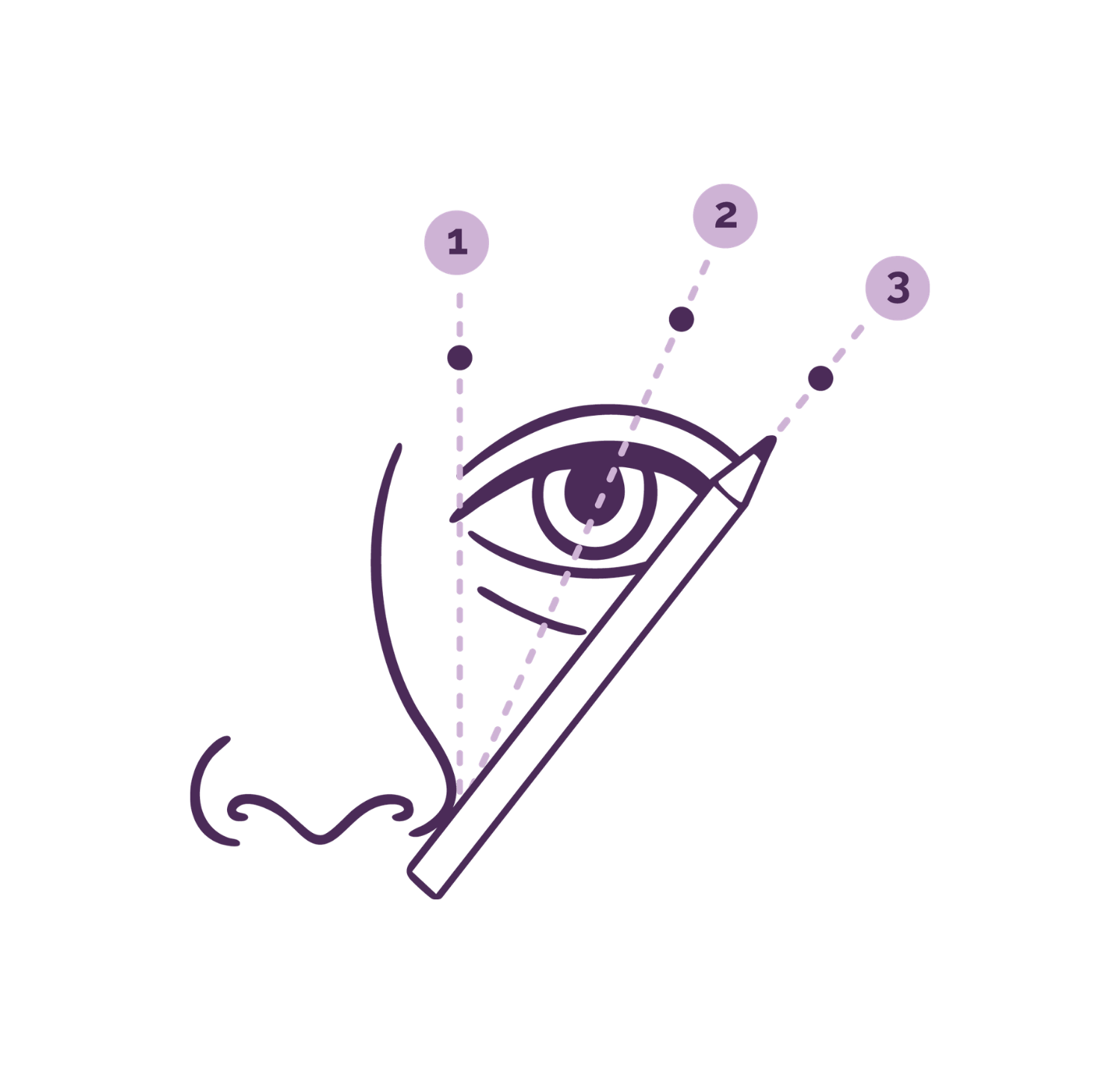
Follow these steps:
- Hold a pencil vertically along the outside of your nostril and inner corner of your eye. Make a dot above your eye at this line, right on the brow bone. This is the inner edge of your brow.
- Hold the pencil vertically across your iris (the coloured part of your eye) and again make a dot above the eye, just above or on the brow bone. This is where your natural arch occurs.
- Hold your pencil at an angle beginning at the outside edge of your nostril, lined up with the outside edge of the eye. This is where your brow should end. Draw another dot.
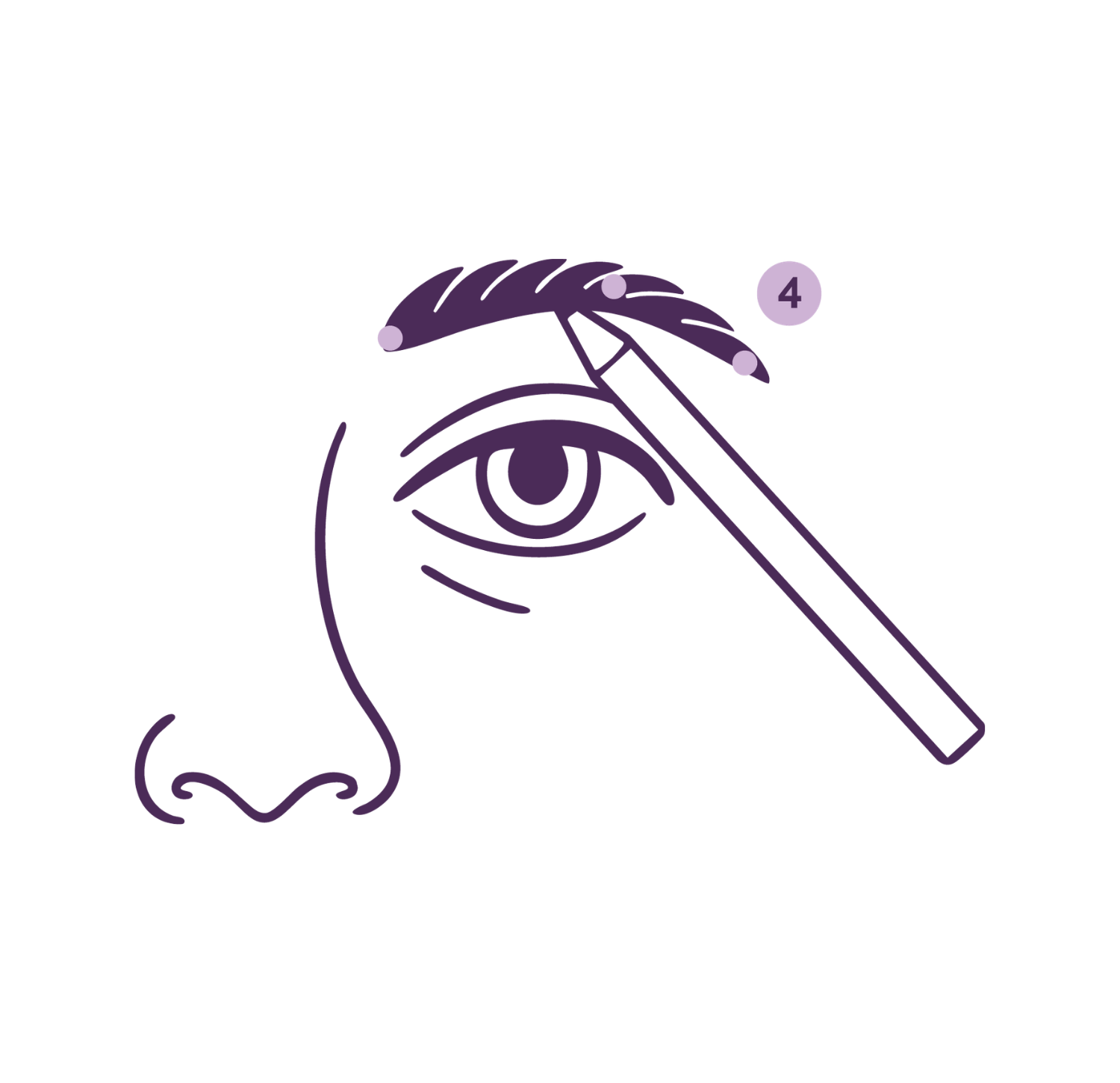
4. Connect these dots with a series of gentle, arching, feathery strokes to mimic the look of hair. Concentrate on fullness closer to the inner edge, thinning as you go outwards.
Another option to consider, particularly suited to men who wear glasses, is to opt for a thicker framed pair that’ll give the illusion of a fuller brow.
Hair Regrowth
Depending on the type and duration of your treatment, your hair will start to reappear at a rate of about ½ of an inch a month. Once your hair grows back, it may be different than before your treatment due to the absence or alteration of pigments. As the pigment cells return to normal, hair should go back to its original colour and texture.
Experiencing side effects?
Learn how to minimize and manage them in our Shaving & Men’s Skincare Workshop.
Let’s navigate this together
Join a community that understands. Receive expert advice, useful resources, and compassionate tips throughout your cancer journey in the LGFB newsletter.