
I’ve been committed to advocating for women’s health and telling my story for many years now. I’ve experienced more than my fair share of gynecological challenges, from fibroids to challenges with fertility. Being diagnosed with vulvar melanoma last year just felt like the icing on the cake.
But if this had to happen to someone, it feels like it had to be me. And that’s because I refuse to be uncomfortable talking about women’s health and gynecological issues. I want to break stigma and raise awareness, to give back and support other women. Sharing my story is how I do that. It’s taken a lot of recovery and healing for me to get to this point, though.
Healing from my vulvectomy surgery was extremely painful, but what was surprisingly tough was the emotional recovery. I was so angry. After all the gynecological issues I’d already had, to have another made me feel like I was being punished. The vulva represents motherhood, sensuality, and femininity. To have that be physically changed was so difficult to process. I had some really challenging days – days when I didn’t want to get out of bed.
I’m grateful for the supports I had available, and that includes Look Good Feel Better (LGFB). Both of my parents are cancer survivors as well, and when my mom was going through her breast cancer treatment, one thing she always said was, “Look good, feel better.” She really believed in that. And the LGFB program was such a lifeline for me personally, too. It really turned things around for me when I was so low, so angry, and dealing with a lot of negative self-talk.
I felt so seen at the workshop. It was a beautiful community. The kindness and positive energy in that room were overwhelming – I was deeply moved. The volunteers were wonderful, the kit was amazing, but what really impacted me was seeing different women at all stages of their cancer journeys and just feeling extremely supported. I was worried that we’d all sit around crying about what we were going through, but it was the opposite of that – warm and upbeat instead of sad or solemn. And I left that day all done up and feeling like a million bucks.
I also attended LGFB’s Bubbles & Brunch fundraiser with my family and friends, which was incredible. It was a really great day. My husband and brother were both fabulously decked out for the cowboy theme – my brother wore a white cowboy hat and we joined the DJ on stage at one point. I cried happy tears so many times that day because I felt so fortunate to have all my friends who have supported me through all of this rallying around me.
I’ve been so lucky, so privileged on my journey. I was able to get time off work to have procedures done. I live close to excellent hospitals like Princess Margaret – I don’t have to make a big journey and pay for a hotel like so many do. I was able to get really good care, but so many people fall through the cracks.
Women’s health is so underfunded and neglected. There’s still so much stigma. And the injustice of the lack of access makes me really angry. Even accessing period products is so difficult if you’re unhoused or live in a northern community. And when it comes to gynecological cancers, we need to advocate for more self-examination and early detection. These things are incredibly important.
I feel like me getting vulvar melanoma happened for a reason: to help spread awareness. I’m not ashamed of my diagnosis or of what I’ve been through. We have to get comfortable talking about these things. Our lives depend on it.
Sarah’s Instagram: https://www.instagram.com/sarahelizabethclare/
When I first started experiencing unusual symptoms – constipation, bloating, heartburn, abdominal pain – in the summer of 2024, my first instinct was to put pen to paper. I drew a diagram of my body and wrote down all the things I’d been feeling. That’s the art therapist in me. When I showed the illustration to my doctor, she immediately recognized the signs of ovarian cancer. A CT scan revealed a large tumour over my right ovary, confirming her suspicions. I was completely shocked and devastated.
My career as a clinical counsellor and art therapist with preteens and teenagers abruptly stopped when I was diagnosed. It was such positive and enjoyable work. And not only did I have to leave my private practice, I had to stop doing things that gave me pleasure and joy in life.
I love being active: Zumba, belly dancing, strength training, circuit training. I also enjoy cooking wonderful food and travelling. But quite suddenly, my life was now filled with endless medical appointments. Testing, scans, blood work, chemotherapy, surgeries. It was surreal.
With my psychology background, I knew I had to look after the other parts of myself. The physical was being cared for. What about my emotional self, my sense of self, and my need for connection?
It had seemed that all the joyful activities in my life had come to a halt, but I was able to resurrect some activities that I hadn’t done in a while – things that I could go back to. Those included reading and art. I love art, especially drawing and painting with watercolours, and it has always been my resource during the tough times in life. It’s a wonderful outlet for sorrow and other emotions that need to be released.
I had no words for what was happening to me, and so I started to draw. I drew myself sitting in the middle of a tsunami wave – the tsunami of grief after diagnosis. I painted myself at nighttime in a jungle, with moonlight pouring down – standing in the garden of hope. I created more and more art, navigating the back and forth between despair and hopefulness.
I also talked with my caring partner, Bill. I cried a lot. I got a counsellor. I connected with friends. And I found community. When I first heard about Look Good Feel Better (LGFB), from a woman in the cosmetics department at Shoppers Drug Mart, a little spark went off. I signed up right away. At the workshop, I was amazed by how supportive it felt to be in a space with other women who I could relate to. I wasn’t alone – we were all going through it. The workshop was so informative, helpful, positive, and uplifting – something I dearly needed. And with my body having surrendered to all the necessary medical procedures, learning how to use makeup to my advantage was a way to take back my sense of dignity and to connect with my femininity.
LGFB brought me a respite from my sorrow and loss. It was a bright light, bringing a sense of community and breaking the isolation I was feeling – just like my art. Body, mind, and spirit are all integrated parts of us, and throughout my cancer journey, what really needed tending was my emotional side. It was stormy and intense – it needed to be expressed. We don’t have to be positive and brave all the time.
I can’t control everything, but I can control how I care for myself. Eating well, staying connected, and doing things I enjoy – reading, creativity – have made all the difference.
“I didn’t expect that my most visible side effects would be changes to my skin. I’m not fussy about how I look, but I didn’t like how other people reacted. My faced LOOKED painful. I appreciated getting some tips on how to calm my dry, irritated skin and not have my scalp hurt as much. These resources and the workshop were helpful.”
Marc W., Workshop Participant
Prefer direct information from a professional?
Try one of our workshops today!
Let’s navigate this together
Join a community that understands. Receive expert advice, useful resources, and compassionate tips throughout your cancer journey in the LGFB newsletter.
Newsletter Form
” There’s lots of great information. I feel as though the questions I had were answered before I even had a chance to ask them. I’m not happy about the changes to my body, but I am accepting them, and I appreciate the tips and support to help me deal with this.”
- Kathryn R, Workshop Participant
Prefer direct information from a professional?
Try our Bras & Prostheses Workshop today!
Let’s navigate this together
Join a community that understands. Receive expert advice, useful resources, and compassionate tips throughout your cancer journey in the LGFB newsletter.
Newsletter Form
Post Surgical Products
Prostheses Basics
Fitting & Clothing Tips
Nightwear & Sleep Support
Care & Maintenance
Skincare During Radiation
Nipple Appearance Options
Access & Financial Help
Let’s navigate this together
Join a community that understands. Receive expert advice, useful resources, and compassionate tips throughout your cancer journey in the LGFB newsletter.
Newsletter Form
Shaving & Men’s Skincare Workshop
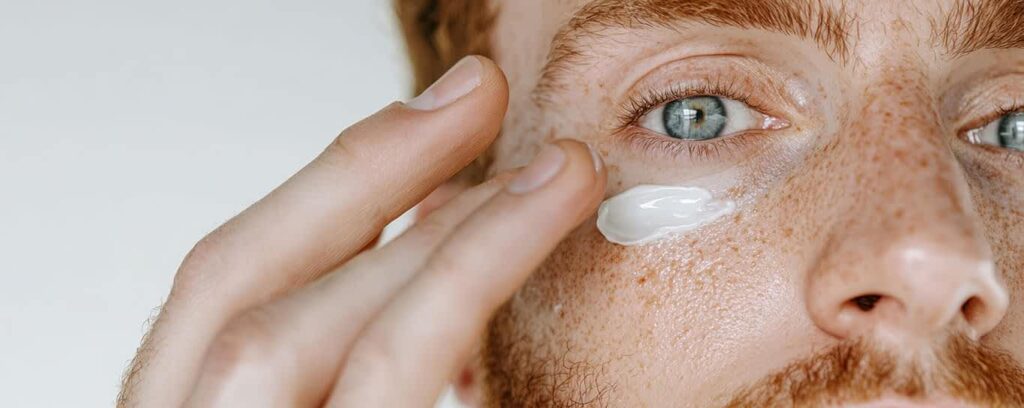
Physical side effects sometimes catch us by surprise. Cancer treatment can bring unexpected changes to your appearance—dry, discoloured skin, hair loss, irritation from shaving, nail changes — but that doesn’t mean you have to just put up with them.
Real advice in a supportive setting
Our Look Good Feel Better Shaving & Men’s Skincare Workshop is designed to help you take control of these changes with a simple, effective skincare regimen and shaving and grooming techniques tailored specifically for men facing cancer.
This free workshop is offered both online and in person at select locations and is held in a comfortable, supportive setting. You can listen, learn, and participate as much—or as little—as you’d like. Participants also receive a complimentary kit of men’s skincare and shaving products to try before and during treatment.
About the Shaving & Men's Skincare Workshop
Even if you’ve never paid much attention to your facial skin before, small changes can make a big difference in how you look and feel. In this session, we’ll cover:
Managing hair loss – What to expect, how to care for your scalp, and what happens when hair grows back
Caring for skin during treatment – Avoid dry, irritated or painful skin with a simple routine that take just a few minutes a day
Shaving with less irritation – Pros and cons of using a regular razor vs an electric razor during treatment and how to shave your face (or scalp) safely when your skin is more sensitive.
Protecting your skin from the sun – We’ll share simple ways to guard sensitive skin from the sun during and after treatment.
Who is the Shaving & Men’s Skincare workshop for?
This session is ideal for:
- Men who are currently undergoing cancer treatment or have completed treatment in the past year
- Anyone facing cancer who would like support around these specific appearance-related side effects
Maybe you didn’t sign up for this workshop…
and someone who cares about you did it on your behalf. You’re not alone. If you’re here because a loved one suggested it, take that as a sign of their support.
A no-pressure, practical approach
Prefer to stay in the background?
No problem! No matter if you’re attending online or in person, you can simply listen and absorb the tips at your own pace, and try them out whenever it suits you.
Whether you’re here for men’s skincare advice, scalp care, guidance on hair loss, or because someone you love suggested you might benefit from the workshop, we’re so glad you are here. This session is all about giving you the tools to move forward with confidence, in whatever way works best for you.
What our participants have to say
” Before treatment, I was worried about hair loss. I didn’t expect that issues with skin on my face and scalp would be the most challenging chemo side effect. The advice in this workshop helped.”
- Joseph S., Workshop Participant
“Actively taking care of myself helped me regain control – I didn’t want to be defined as sick.”
- Adam P., Workshop Participant
Join us for a workshop led by industry experts, tailored for men facing all cancers
Register for the Shaving & Men's Skincare workshop today!
Let’s navigate this together
Join a community that understands. Receive expert advice, useful resources, and compassionate tips throughout your cancer journey in the LGFB newsletter.
Newsletter Form
Body Image after Cancer Treatment and Surgery
For many people living with cancer or in remission, changes in appearance can be a major source of concern and anxiety. This is not vanity. Much of our identity is related to our physical appearance from how we wear our hair to what clothes we choose. Body shape and size, including breasts, are often tied to a sense of self, self-expression, sexuality, and self-esteem.
Appearance Related Side-effects
Appearance-related impacts of cancer can be temporary (like hair loss and skin changes) or more permanent (like surgery or scarring). They can all affect a person at a time when they may already feel vulnerable, which can negatively impact their mental and emotional health.
For anyone facing a cancer diagnosis, there’s enough to cope with emotionally without also feeling that there’s no space to speak about body image issues or that it is somehow selfish or vain to worry about them. For Dee-Jay Jodoin, a B.C. woman in remission, changes to her physical appearance like hair loss and weight gain were hard to accept.
The Physical and Emotional Connection
“People going through cancer treatment often experience a change in their body image and in their relationship with their body,” says Monique Voorn, a social worker at the Simcoe Muskoka Regional Cancer Centre in Barrie, Ontario. “They may be unhappy about how their appearance has changed, whether they’ve had breast surgery or scars they don’t like, or lymphedema. Sometimes, a woman may not have had significant visual changes to her body but feels like her body has failed her or that she can’t count on it.”
There can also be physical changes that a person may not expect. “With radiation, there are skin changes,” notes Larissa Dyck, an oncology nurse in Calgary, Alta. “The area that’s treated darken and may take a while to fade, and skin can get tighter and be uncomfortable for some patients, causing a loss of range of motion.”
Keloids – a type of raised scar that can arise after a surgery. These can be a particular concern for Black women specifically.
Weight can be an issue, too. Being on hormones can cause weight changes that can turn women’s body image completely upside down and they can get really down on themselves.
It takes time for women to recognize and appreciate the full impact of the changes they’ve undergone during their cancer journey. “It’s often near the end of treatment when it really hits women what they’ve been through and all the changes they’ve undergone – physical and otherwise,” says Dyck. “When patients are finished their treatment, they expect things to go back to normal — but they may still be on long-term hormones or medication, and that’s when it can be really hard. They expect their bodies to just bounce back, and they want to go back to work and exercise, but things aren’t the same as before.”
Empowerment is Different for Every Person
While physical symptoms can affect a person in a finite number of ways, the emotional experience is different for everyone.
“When some women lose their hair with chemo, they’ll proudly wear a head scarf. Other women have a complete loss of identity and want to wear a wig. They may fear that their partners won’t be attracted to them.”
Larissa Dyck
– Oncology nurse from Calgary, Alberta
“There’s a wave or rollercoaster ride of emotions in any type of cancer. There’s a lot of grief. We grieve all kinds of changes or losses in our lives that cancer brings — to your body, to your innocence, and to the carefree way that you may have used to experience life.”
Monique Voon
– Social Worker from Simcoe Muskoka Regional Cancer Centre
EVERY DAY WE HELP PEOPLE FEEL LIKE THEMSELVES AGAIN
Look Good Feel Better workshops help women, men and teens with cancer learn how to manage the physical, social and emotional impacts of cancer and its treatment in small and supportive groups.
Skincare & Makeup: Learn how to care for sensitive skin plus tips & techniques for managing the loss of brows and lashes, adding colour back to the face, makeup hygiene, and sun safety.
Bras & Prostheses: Learn about options available for post-surgery and beyond, what to expect at a breast form fitting, tips for where to find financial coverage, and more.
Wigs & Scarves: See a demonstration on various head coverings, what to consider when selecting a wig, easy scarf-tying techniques, plus caring for your scalp during and after treatment.
Teens: This special workshop just for teens includes skincare, on-trend make-up tips to feel your best and a demonstration of fun styles for caps, wraps, and hair alternatives.
Let’s navigate this together
Join a community that understands. Receive expert advice, useful resources, and compassionate tips throughout your cancer journey in the LGFB newsletter.
Newsletter Form
When to use Breast Forms
There is nothing wrong with wanting to feel like yourself. If you’ve been medically cleared to wear breast forms, then you should wear one whenever you choose to.
Some women use breast forms while waiting for reconstruction
Wearing a breast form may help minimize shoulder droop for some people
They can be worn all the time, just on certain days or during certain activities
Others opt not to have reconstructive surgery and use forms as a long-term option
Lots of other people choose to not wear one at all and “live flat”
Types of Breast Forms
Should you choose to wear a breast form, there are lots of different options out there. They vary in weight, material, size and shape. Take the time to explore your options and find the best one for you. Some are even made specially for exercising and swimming.
Custom made breast forms are also available if you aren’t able to find a shape that works for you.
Breast form varieties include:
Various weights that can be very lightweight or match natural breast weight
Different shades to better match skin tones
Partial forms available for lumpectomy
Symmetrical or asymmetrical to match your natural shape
Special forms for swimming or sports
Different materials including silicone, gel, fiber fill, and foam
After Surgery
During the 6-week healing period, you won’t want to add weight or compression to the area. Initial breast forms, which are made of a lightweight, loose fibre, are a good option. Some women like the lightweight fibre of an initial breast form and choose this option as their standard breast form after the recovery period has passed.
Others prefer the weight of a standard breast form as it can feel more what they are used to.
Some women refer to the “hug test” – or what makes them feel most comfortable when hugging another person. Knowing what will work for you will depend on your needs and what makes you comfortable.
Partial Forms
Partial forms or protheses are used after a lumpectomy or lymph node removal. They can also be used several years after a reconstruction to match changes in your other breast due to changes in weight and natural changes over time.
They help balance shape and create symmetry. There are lots of options for every shape and size to match the other breast.
Preparing for a Breast Form Fitting
- Most fittings are more than an hour – call and book an appointment
- Schedule 6+ weeks after surgery
- Ensure you don’t have any swelling to find a proper fit
- Wait until there’s no drainage at site
- You should be completely healed: no wounds or bandages
- Bring a fitted t-shirt to test how your bra looks underneath it
Nervous about going into a retail breast form shop?
Consider asking for recommendations from your cancer care centre, friends or family members, or search online. You can also reference Anita Canada’s list of certified retailers to find one near you.
Call ahead and ask some of these questions:
Do they carry a full range of products?
Will they explain the differences in products to you?
Do they offer private fitting rooms?
How busy will they be at the time of your appointment?
Is the retailer knowledgeable of various surgery types and treatments?
Let’s navigate this together
Join a community that understands. Receive expert advice, useful resources, and compassionate tips throughout your cancer journey in the LGFB newsletter.
Newsletter Form
Breast Forms: Fittings and Retailers
Find a Retailer in your Community
There are many retailers across Canada which carry breast care products. Medical specialist shops are one option and they often carry a large variety of products. Larger departments stores and lingerie stores can carry some mastectomy bras and breast forms too.
Consider asking for recommendations from your cancer care centre, friends or family members, or search online. You can also reference Anita Canada’s list of certified retailers to find one near you. Remember to call ahead to book an appointment and ask questions.
Preparing for a Breast Form Fitting:
Most fittings are more than an hour – call and book an appointment
Schedule 6+ weeks after surgery
Ensure you don’t have any swelling to find a proper fit
Wait until there’s no drainage at site
You should be completely healed: no wounds or bandages
Bring a fitted t-shirt to test how your bra looks underneath it
Nervous about going into a retail breast form shop?
Call ahead and ask some of these questions:
Do they carry a full range of products?
Can you try all of the products on?
Will they explain the differences in products to you?
Do they offer a private fitting room with a full-length mirror?
How busy will they be at the time of your appointment?
Is the retailer knowledgeable of various surgery types and treatments?
Let’s navigate this together
Join a community that understands. Receive expert advice, useful resources, and compassionate tips throughout your cancer journey in the LGFB newsletter.
Newsletter Form
Caring for Scaring
Healing from cancer surgeries involves both physical and emotional challenges. Managing scar tissue is an important part of your recovery journey.
BEFORE SURGERY:
- If you are prone to keloids, ask your surgeon how this can be best managed with medication, topical treatments or strategic scar placement.
- It is okay to be concerned about scarring and to advocate for yourself!
AFTER SURGERY:
- Follow care instructions from your surgeon to keeping the surgical site clean.
- Once approved by your surgeon (approximately one month after surgery), you can start massaging the scar using either a beauty oil or scar reducing oil.
- Silicone scar sheets can help improve healing.
- Don’t wear clothing that compresses the scar for at least 4-6 weeks after surgery. If that makes wearing a regular bra difficult, try a tube top, tank top, or leisure bra to provide support if needed.
- Wait at least one year after all treatments are done before getting any nipple or decorative tattoos.
Physical Discomfort
It can be discouraging to still feel pain, swelling, tightness, sensitivity or a restricted range of motion after completing cancer treatment. For some people, discomfort may last far past their expected recovery time from surgery or radiation.
Prolonged Discomfort
Prolonged discomfort may be a build-up of scar tissue inside the body, typically around the breast, chest or shoulder area.
Scaring can cause the surrounding tissue to become denser and less elastic and result in restricted movement and/or pain. Some patients describe it as feeling “sticky” or “like Velcro” when they try moving the affected area.
Easing Discomfort
You may want to consider adding a physiotherapist or massage therapist who specializes in caring for breast cancer patients to your care team.
Talk to your primary care team about your concerns and mention this possibility. If you find your medical team resistance to these suggestions, don’t be afraid to advocate for yourself.
Physiotherapy or massage therapy is done on the chest, breast and/or shoulders to loosen and soften tissue.
Your provider may suggest techniques such as:
Myofascial release
Deep friction massage
Cupping therapy
Remember to…
Talk to your surgeon or oncologist to ensure that enough recovery time has passed before booking an appointment with a physio or massage therapist.
What healthcare professionals provide care for scar tissue?
Typically, it will be a physiotherapist or massage therapist who will have specialized expertise and experience working with breast cancer patients.
Refer to the Society for Oncology Massage and Canadian Physiotherapy Association to learn more and access a directory.
Your provincial Lymphedema Association can also be a great resource for therapists familiar with breast-cancer related side effects.
Some healthcare professionals use the term Cancer Rehabilitation to refer to their services that help manage the common side effects of cancer and cancer treatment. This can be a great search term when looking for professionals in your area.
Questions to ask Professionals:
Are you a licensed Healthcare provider registered with the provincial college?
Are you experienced in treating breast cancer patients?
Do you provide techniques I can do at home?
Are these services covered by provincial healthcare?
Are they covered by private medical insurance?
You’re not in this alone.
Find a supportive community and get expert advice in our workshops.
Let’s navigate this together
Join a community that understands. Receive expert advice, useful resources, and compassionate tips throughout your cancer journey in the LGFB newsletter.