
Sun Care and Safety during Cancer Treatment
Radiation and chemotherapy treatments, as well as some medications, can increase your susceptibility to sunburn and skin damage. Sun care is especially important when you are undergoing treatment.
Receiving Radiation?
As a general rule, no sun exposure is a good idea when you’re receiving radiation treatment if the site of the treatment is exposed skin. Your doctor may not want you to put sunscreen or any cream on while you’re receiving radiation treatment as the skin is prone to injury at that time.
Sun Safety During Treatment
Apply sun protection daily and liberally – a dollop about the size of a golf ball – to all exposed skin, such as the lips, ears, scalp, sides, and back of neck
Get in the habit of applying sun protection every morning, about 20 to 30 minutes before going outside, and reapply often – about every two hours
Remember that you’re still exposed to UVA/UVB rays even in shady areas. If you’re indoors, windows do not protect against UVA rays
Stay inside during the intense-sun hours of 11 a.m. to 4 p.m. Wear clothing especially formulated with SPF when you have to go out into strong sun.
Have more skin-related questions?
Find practical answers in our Shaving & Men’s Skincare Workshop.
Let’s navigate this together
Join a community that understands. Receive expert advice, useful resources, and compassionate tips throughout your cancer journey in the LGFB newsletter.
Newsletter Form
Advanced Skincare Workshop
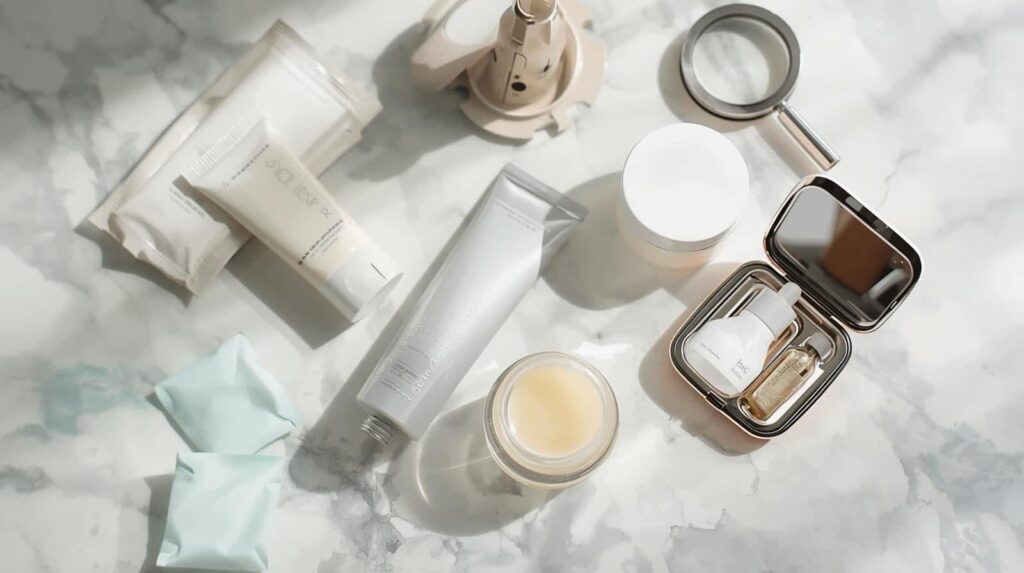
Advances in cancer treatment have led to more people experiencing skin-related side effects, both during and after treatment. In this workshop, expert Onco-Dermatologists share simple steps to help minimize and manage common skin and nail issues.
About this workshop
What you will learn:
How evolving cancer treatments can cause new and different side effects
Practical steps to help minimize and manage common skin, scalp, and nail concerns during and after treatment
Step-by-step guidance from an Onco-Dermatologist
Topics Covered in Advance Skincare include:
Simple skincare and suncare routines
Scalp care
Nail Health
Managing dry, itchy, and irritated skin
Acne and rashes
Skin recovery post-treatment
This workshop is available Online
Join us!
- This workshop delivered via a Q&A with our medical professional, and is offered approximately four times a year.
- It is roughly an hour and fifteen (1:15) minutes in length and is delivered over Zoom.
- Be sure to add your questions on the registration form!
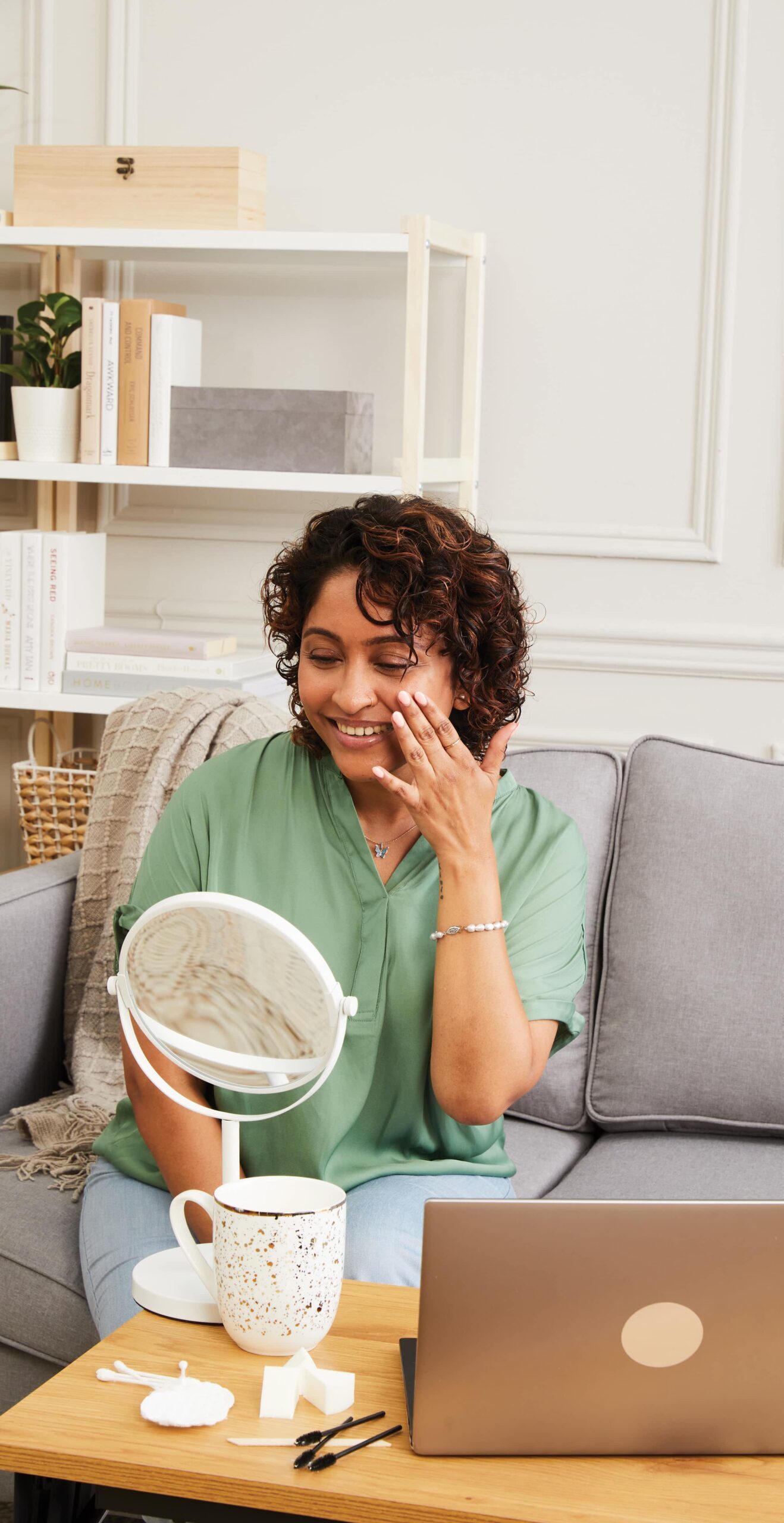
Who should attend this workshop?
This workshop is available for anyone who is…
- Currently in treatment
- Post-treatment but may still be experiencing side-effects impacting their skin, scalp, or nails
- This workshop is designed to address skin concerns wherever people are in their cancer continuum
What Our Participants Have to Say
“Just knowing others are going through the same symptoms gave me hope.”
- Workshop Participant
“This webinar was delivered beautifully. I liked how participants’ questions were answered and things were explained at length.”
- Workshop Participant
Let’s navigate this together
Join a community that understands. Receive expert advice, useful resources, and compassionate tips throughout your cancer journey in the LGFB newsletter.
Newsletter Form
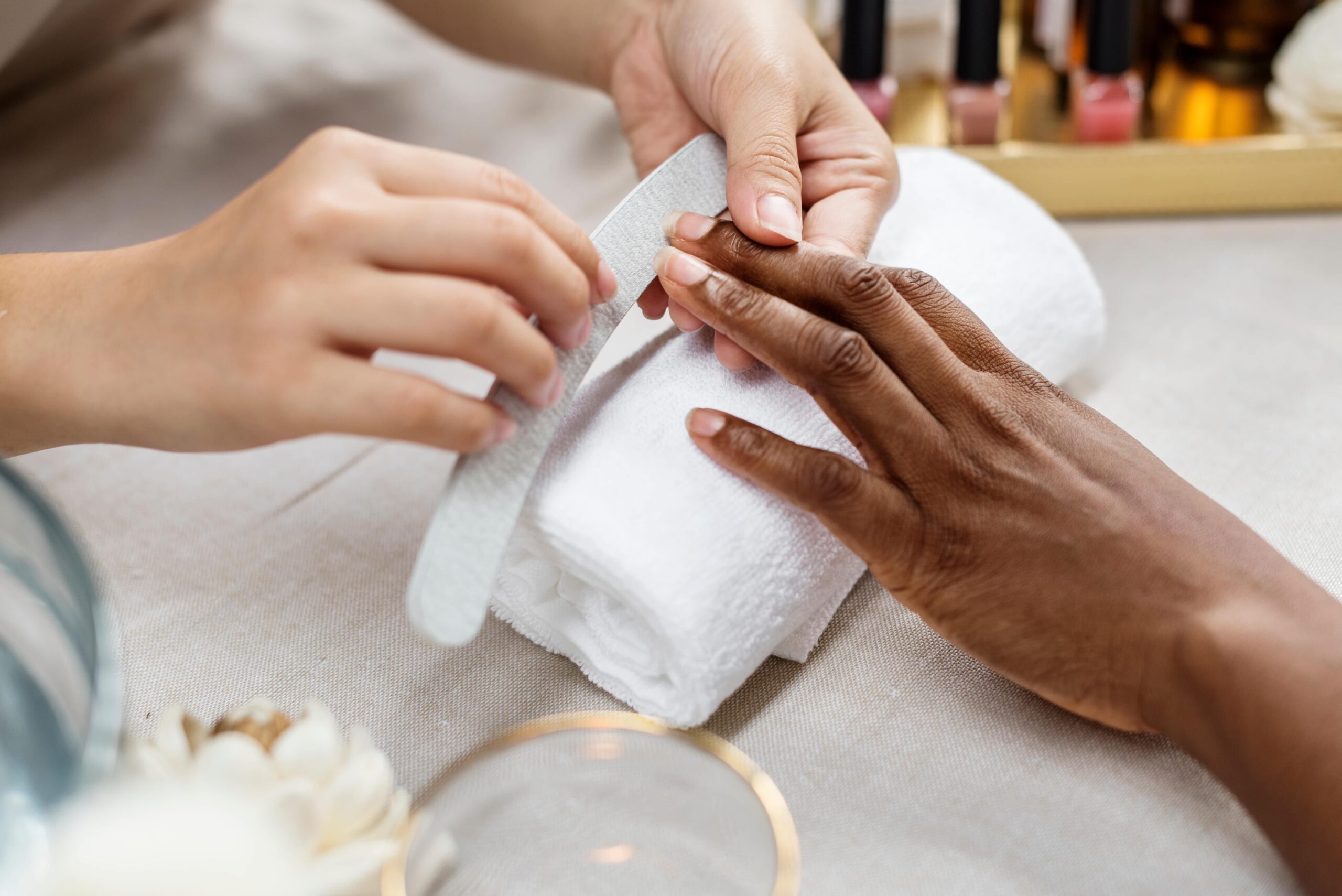
Tips to keep your hands and feet healthy:
-
Avoid cutting your cuticles. Instead, use cuticle cream to help combat dryness, splitting and hangnails.
-
Moisturize with a rich hand cream.
-
Keep nails short.
-
Wear rubber gloves while doing chores as excessive exposure to water can lead to fungal infection of the nail bed.
Nail Polish and Nail Salons
If you’d like to use polish, soft, neutral shades of pink will lend a healthy- looking finish
Use an oily acetone-free polish remover. Acetone is very drying and can make nail problem worse during treatment
When visiting a salon, make sure the staff has worked with clients undergoing cancer treatment (or at least knows how to take extra precautions to keep you safe and healthy)
Let’s navigate this together
Join a community that understands. Receive expert advice, useful resources, and compassionate tips throughout your cancer journey in the LGFB newsletter.