
Cleansing and Moisturizing
Skincare Ingredients and Treatments
We’re here for you.
Find more support and connect with experts in our Skincare & Makeup Workshop.
Let’s navigate this together
Join a community that understands. Receive expert advice, useful resources, and compassionate tips throughout your cancer journey in the LGFB newsletter.
Newsletter Form
Preparing for Hair Loss
During Hair Loss
We’re here for you.
Find community and practical advice in our Wigs & Scarves workshop.
Let’s navigate this together
Join a community that understands. Receive expert advice, useful resources, and compassionate tips throughout your cancer journey in the LGFB newsletter.
Newsletter Form
Nail and Hand Care
Let’s navigate this together
Join a community that understands. Receive expert advice, useful resources, and compassionate tips throughout your cancer journey in the LGFB newsletter.
Newsletter Form
“I didn’t expect that my most visible side effects would be changes to my skin. I’m not fussy about how I look, but I didn’t like how other people reacted. My faced LOOKED painful. I appreciated getting some tips on how to calm my dry, irritated skin and not have my scalp hurt as much. These resources and the workshop were helpful.”
Marc W., Workshop Participant
Prefer direct information from a professional?
Try one of our workshops today!
Let’s navigate this together
Join a community that understands. Receive expert advice, useful resources, and compassionate tips throughout your cancer journey in the LGFB newsletter.
Newsletter Form
Post Treatment Nutrition Workshop

What you eat plays a vital role in how you feel after cancer treatment. But with so much nutrition advice out there, it’s easy to feel overwhelmed. What foods support healing? How do you improve energy levels? Can nutrition help prevent deficiencies and support immune function? Join us to answer many common questions about nutrition and cancer.
About this Workshop
Join us for an empowering discussion on:
Gut Health & Digestion – How the gut microbiome affects overall well-being
Key Nutrients – Supporting energy, mental clarity, and immune function
Food Absorption – Making sure your body gets what it needs
The 80/20 Rule – A mindful way to eat well while enjoying your favourite treats
Practical Strategies – Overcoming common post-treatment nutrition challenges
This workshop is available ONLINE
Post-Treatment Cancer Support
Whether you are experiencing late effects from treatment, you are concerned about preventing recurrence or you’re managing the transition from intensive support and monitoring back to care by your family doctor or general practitioner, we are here for you.

Who should attend this workshop?
- Individuals who are post-treatment and interested in nutrition during and after cancer treatment.
- Anyone interested in nutrition relating to cancer wherever people are in their cancer continuum.

What our participants have to say
“I was struggling with what to eat to prevent recurrence—the 80/20 rule was so helpful in helping me be kinder to myself! A total mindset shift.”
- Emily R., Workshop Participant
Let’s navigate this together
Join a community that understands. Receive expert advice, useful resources, and compassionate tips throughout your cancer journey in the LGFB newsletter.
Newsletter Form
Shaving & Men’s Skincare Workshop

Physical side effects sometimes catch us by surprise. Cancer treatment can bring unexpected changes to your appearance—dry, discoloured skin, hair loss, irritation from shaving, nail changes — but that doesn’t mean you have to just put up with them.
Real advice in a supportive setting
Our Look Good Feel Better Shaving & Men’s Skincare Workshop is designed to help you take control of these changes with a simple, effective skincare regimen and shaving and grooming techniques tailored specifically for men facing cancer.
This free workshop is offered both online and in person at select locations and is held in a comfortable, supportive setting. You can listen, learn, and participate as much—or as little—as you’d like. Participants also receive a complimentary kit of men’s skincare and shaving products to try before and during treatment.
About the Shaving & Men's Skincare Workshop
Even if you’ve never paid much attention to your facial skin before, small changes can make a big difference in how you look and feel. In this session, we’ll cover:
Managing hair loss – What to expect, how to care for your scalp, and what happens when hair grows back
Caring for skin during treatment – Avoid dry, irritated or painful skin with a simple routine that take just a few minutes a day
Shaving with less irritation – Pros and cons of using a regular razor vs an electric razor during treatment and how to shave your face (or scalp) safely when your skin is more sensitive.
Protecting your skin from the sun – We’ll share simple ways to guard sensitive skin from the sun during and after treatment.
Who is the Shaving & Men’s Skincare workshop for?
This session is ideal for:
- Men who are currently undergoing cancer treatment or have completed treatment in the past year
- Anyone facing cancer who would like support around these specific appearance-related side effects
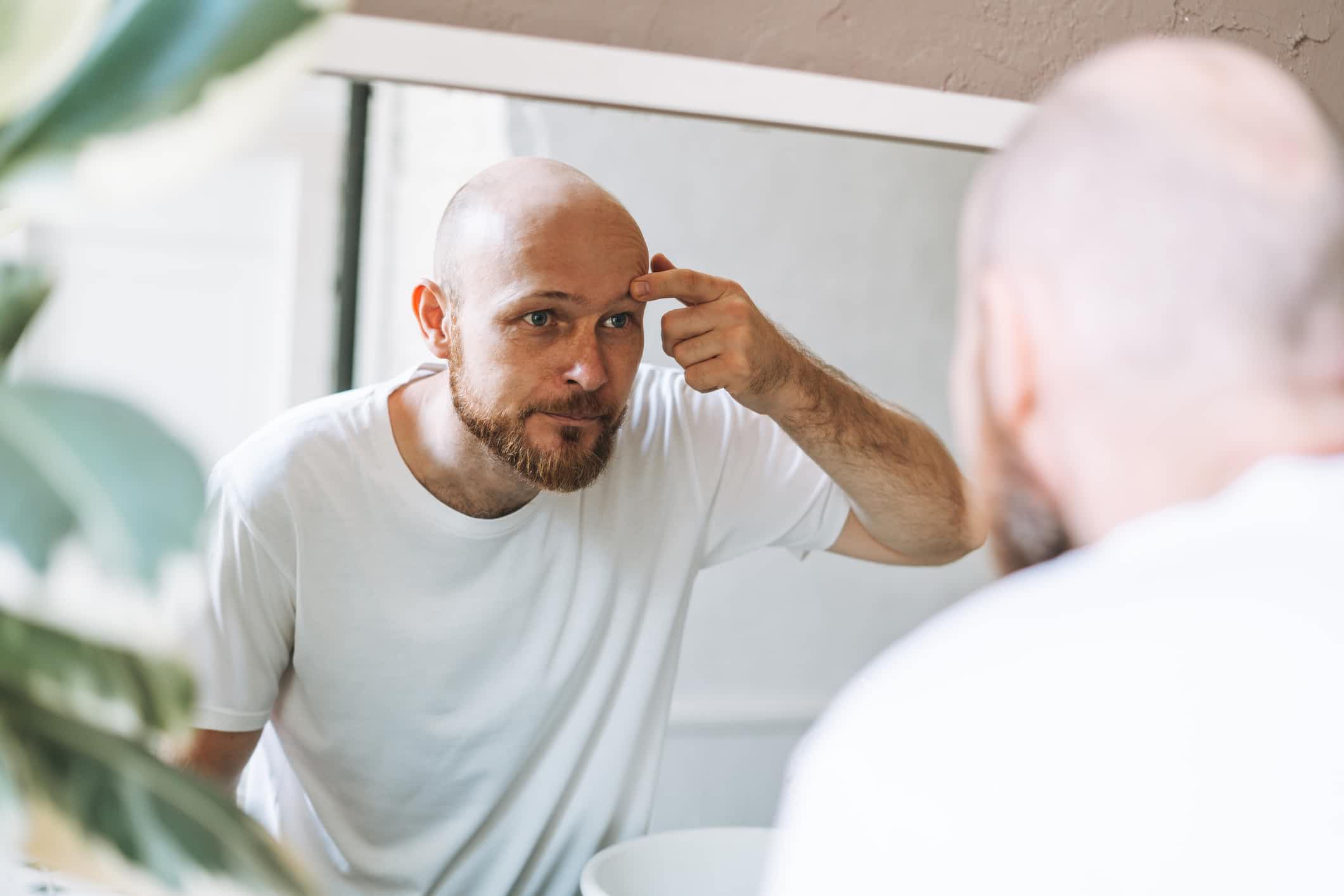
Maybe you didn’t sign up for this workshop…
and someone who cares about you did it on your behalf. You’re not alone. If you’re here because a loved one suggested it, take that as a sign of their support.

A no-pressure, practical approach
Prefer to stay in the background?
No problem! No matter if you’re attending online or in person, you can simply listen and absorb the tips at your own pace, and try them out whenever it suits you.
Whether you’re here for men’s skincare advice, scalp care, guidance on hair loss, or because someone you love suggested you might benefit from the workshop, we’re so glad you are here. This session is all about giving you the tools to move forward with confidence, in whatever way works best for you.
What our participants have to say
” Before treatment, I was worried about hair loss. I didn’t expect that issues with skin on my face and scalp would be the most challenging chemo side effect. The advice in this workshop helped.”
- Joseph S., Workshop Participant
“Actively taking care of myself helped me regain control – I didn’t want to be defined as sick.”
- Adam P., Workshop Participant
Join us for a workshop led by industry experts, tailored for men facing all cancers
Register for the Shaving & Men's Skincare workshop today!
Let’s navigate this together
Join a community that understands. Receive expert advice, useful resources, and compassionate tips throughout your cancer journey in the LGFB newsletter.
Newsletter Form
The Basics
The Three Basic Steps Are:
Step 1 – Cleanse
A facial cleanser will remove dirt and dry flaky skin and help stimulate circulation.
Look for products that say GENTLE, for SENSITIVE SKIN or for ECEZMA
Ideally, use a facial cleanser twice a day – morning and night
You can use a gentle body wash for the rest of your body
Have flaky skin, black heads or ingrown hairs?
Consider a gentle exfoliator once a week to get a deeper clean. Use it right before cleansing to leave the skin looking smoother, clearer and brighter. Again – look for a gentle option during treatment and try testing on a small area first.
Step 2 – Moisturizer
Moisturizer is hands down the most straightforward and effective way to keep your skin in top shape – apply after washing and patting dry your face.
While most men generally have oilier skin than women, treatment can have an drying effect your skin, so staying hydrated (both inside and out!) is fundamental.
Don’t forget LIP BALM – your lips may be extra dry or chapped during treatment. Keep things simple with a hypoallergenic lip balm with an SPF to keep you moisturized and prevent burning during the day.
Step 3 – Sunscreen
This is an absolute must-have!
One of the most prevalent side-effects of treatment is sun sensitivity
It is essential to wear daily sunscreen protection with a minimum of SPF30
Some Extras to Consider:
Hand Cream
Hydration is a key element in maintaining your skin during this time. Keep a hand cream by your sink.
Body Cream & Lotion
Having a body moisturizer will more than earn its place in your daily care while undergoing treatment. Dryness, irritation and possible skin cracking are all things you want to avoid so laying on the lotion is more than worth the effort. Apply after you shower or bathe, and throughout the day as needed.
Tinted Moisturizer & Concealer
There are some great tinted products out there that are very light-weight and natural. These products help minimize any redness, uneven skin tone and/or dark circles under the eyes. Always look for fragrance free hypo-allergenic products when picking up your grooming essentials as treatment can make even the most robust of skin a little more sensitive.
Experiencing side effects?
Learn how to minimize and manage them in our Shaving & Men’s Skincare Workshop.
Let’s navigate this together
Join a community that understands. Receive expert advice, useful resources, and compassionate tips throughout your cancer journey in the LGFB newsletter.
Newsletter Form
Electric Razors or Wet Shaving During Treatment
During treatment your skin may be more dry, red, or itchy and will be more susceptible to cuts, bruising and infection, so it’s important to examine your shaving regimen.
Electric Razors
Many care teams recommend electric razors during cancer treatment. They’re less likely to nick the skin and will help avoid infections, especially when your skin is extra sensitive or your immune system is weakened.
Razor Blades and Wet Shaving
If you prefer to stick with a traditional razor and a wet shave, read our tips to help make it as safe and soothing as possible. Don’t forget to ask your medical team’s advice about shaving while in treatment.
Tips for Shaving with a Razor During Treatment
Shower before shaving or apply a warm towel/face cloth. This warms the skin, opening the pores and softening the hair cuticles.
Apply your chosen sensitive skin shaving gel or foam, ideally using a shaving brush, and make sure you generate a warm, rich protective lather. (Using a shaving bush softens and lifts the facial hair off the face helping to maintain good levels of hydration and lubrication).
Use light, gentle strokes, letting your razor do the work.
Facial hair grows in many directions so you’ll shave both with and against the grain. Shave in the direction that feels most comfortable.
Rinse your blades often.
After Shaving
Rinse with cold water. This will remove shaving cream residue, tighten pores and cool the skin.
Moisturize the whole face and neck area with a mild moisturizer.
Old dogs can learn new tricks.
Learn comfortable shaving techniques in our Shaving & Men’s Skincare Workshop.
Let’s navigate this together
Join a community that understands. Receive expert advice, useful resources, and compassionate tips throughout your cancer journey in the LGFB newsletter.