
Post Surgical Products
Prostheses Basics
Fitting & Clothing Tips
Nightwear & Sleep Support
Care & Maintenance
Skincare During Radiation
Nipple Appearance Options
Access & Financial Help
Let’s navigate this together
Join a community that understands. Receive expert advice, useful resources, and compassionate tips throughout your cancer journey in the LGFB newsletter.
Newsletter Form
By Adriana Lombardo
I went for chemotherapy at Princess Margaret Cancer Centre once a week for two years.
The first time I went I didn’t realize I’d spend a full day there. I didn’t know what to pack at first. I brought along one water, a granola bar, and a book to my first chemo appointment.
Soon afterward, the nurse explained to us that although you may have a “set-time” for blood and chemo, it doesn’t necessarily mean that that is when you get called in. She told us that it takes a while for the blood results to come back and once they are cleared by the nurse practitioner, then chemo gets ordered.
Once chemo gets ordered, it’s a matter of the pharmacy making the order, which takes time.
From that day on, I always made sure to pack my favorite items that I always kept on-hand – not only for chemo, but wherever I went during treatment.
Crackers & Other Dry Goodies
I was on steroids for two years and a bit.
It was brutal during my intensification phase (30 weeks of high dose steroids) where I usually had heartburn or nausea and needed to munch on something dry to feel better.
Crackers were my go-to and always a staple item to have in my bag because I just never knew when I’d get the steroid munchies.
Other dry, salty goodies like popcorn or even bread, made it a lot easier to keep my hunger at bay most of the time…seeing as I was hungry all the time.
Let’s be honest, I always carried some sort of food on me whether it be sandwiches, rice, or leftover pasta.
I would whip it out of my bag and set myself up with a mini picnic.
Different Hats
I had purchased a wig at the Wig Salon at PMH but I only wore it twice because I preferred to go bald and just wear hats out of comfort.
I purchased pretty much every single hat in that store and then some!
I liked carrying around different style hats to change into whether at the hospital, at an appointment or while I was out.
At one point of treatment, changing hats for me was like changing shirts and never knowing which to wear because I just had too many options…yup, that was me! But hey, it’s not like I can’t transition them into everyday hats now that my hair is back.
Chapstick & Moisturizer (LOTS OF IT)
I expected skin changes as one of the side-effects, but because it was the winter time, I had extra chapped lips and extra dry hands. I had to reapply my Chapstick at least three times within the hour and constantly moisturize my hands to prevent them from cracking.
Water
While taking steroids, I found it extremely difficult to keep up with any hydration because everything tasted like metal to me, but I knew I’d regret it if I didn’t try and force myself to drink because then it would lead to other problems…if you know what I’m saying.
At least carrying the bottle with me would encourage me to drink it, not only because it made my bag heavier (motivating me to finish it), but also because it stuck out of my bag, so I knew it was always there right in front of my face.
Sunscreen
Anyone and everyone should always make sure to apply some sort of protection to their skin.
I never thought that I’d start wearing sunscreen during the winter months, but I had to once I learned about all the risks associated with sun exposure during chemotherapy.
As much as it scared me, it put me in place knowing that I needed to constantly reapply it, even if I was just driving around in the car.
Now, it has just become a habit of mine to always apply it in the morning and carry it in my bag to reapply it throughout the day. The small travel size options, or the ones that come in the Look Good Feel Better kit are a great size to have on you.
Antibacterial Soap/Wipes
“Disinfect everything!” are the words that stuck with me throughout my entire treatment.
The nurses made it very clear that germs loved me at this point – being immunosuppressed and all.
I was susceptible to catching anything, so I had to make sure that my hands and any surfaces were always clean.
It was embarrassing at first, having to disinfect tables at the mall in food courts if I went to buy a coffee with family or friends, being extremely cautious in public bathrooms, and even if I was having a picnic at parks…people looked at me funny but I knew I had to be careful. Maybe my actions remind them of the pandemic.
I grew used to the idea of being “safe,” and embraced what I was going through when I had to do it.
If people looked at me funny or stared, I’d smile and say, “I know, right!? How can someone fighting cancer and going through chemo look this great bald?” or “I pay my oncologist big bucks to look the way that I do.” *wink*”
People thought I was ridiculous, but what did I care. I was going through this, not them, so there was absolutely no need for it to bother them in any way, shape, or form.
Just learn to laugh about it and then people will laugh with you.
Books/Magazines & Entertainment
You need to pass the time somehow. During treatment, I grew to love psychology and self-help books. I found them to be quite insightful at this point in my life. I was already going through a life-changing experience, which made me begin to question everything, so I decided to take that time and re-evaluate my whole life and give it a makeover.
Plus, I always had my cellphone on me for social media, games, and texting.
Make sure to carry around things like books, magazines, or crossword puzzles, because you’ll find you’ll have a lot of time on your hands while going to treatment or other appointments. You might as well make the most of it.
Vitamins/Medication
I always found myself to be out and about at the point when my medication or vitamins were due. I found it a lot easier to just carry them around in a cute little makeup bag that I had purchased solely for that purpose. That kept everything safe, clean, and in a place that I knew would always be in my bag.
Teens Workshop
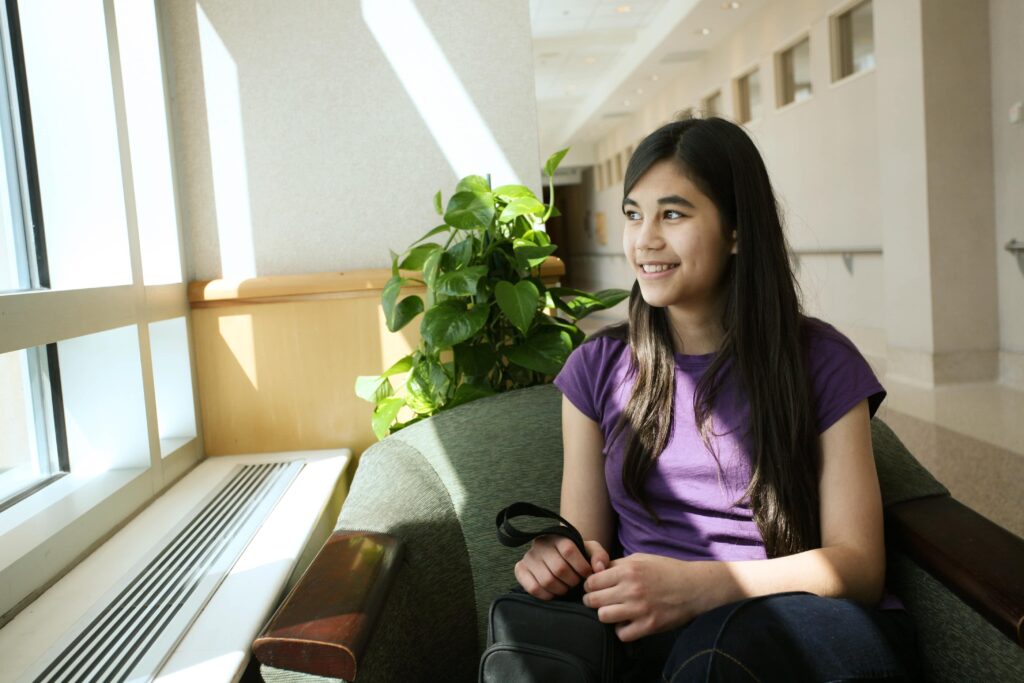
Dealing with cancer is hard. Figure out what works for you during treatment, from gentle skincare routines and makeup hygiene to cute head wrap styles, wigs and nails. Learn all these things, plus meet other teens with cancer, in a space that gets what you’re going through.
About this Workshop
Our online workshop is pretty unique and catered to teens with cancer. It’s a space where you don’t have to explain yourself, or your cancer. No one’s cancer experience is the same, but everyone will have some idea of what you’re going through.
How it works and what you will learn:
Learn skincare, makeup and sun care tricks and tips to help your sensitive skin heal and look its best during treatment
Get expert advice on managing treatment side effects like dryness, discolouration, and dreaded acne
Explore creative, cute, and cool styles for hats, wraps, wigs, scarves, and other hair alternatives
Get a free kit full of awesome skincare and makeup products that are OK to use during treatment
Even it’s ultimately not your thing, do it for the plot
A new theme – and new makeup – every time
Just because we’re talking about how to deal with side-effects to your skin and hair, it doesn’t mean that we can’t have fun with it. Each session covers a new look so you can lean into your artistic side or just change up the basics to help you feel more like yourself.
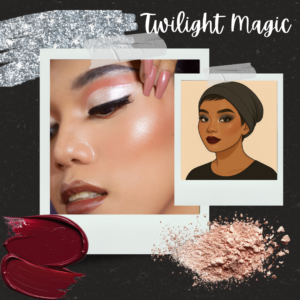
Twilight Magic: Smoky Eyes & Starlit Glow
Thursday, October 1st
Bring a little autumn magic to your routine. This session blends soft smoky techniques and shimmer placement to capture a twilight glow—perfect for fall photos or a subtle Halloween nod.
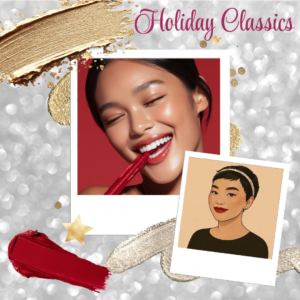
Holiday Classics: Effortless Skin & Bold Red Lip
Thursday, December 3rd
Wrap up the year with a modern classic. Learn simple techniques to keep skin fresh, eyes softly defined, and lips bold and bright. Choose your finish—sheer, satin, or gloss—and let your red lip shine.
Who can attend?
This workshop welcome teens aged 13 to 17 who are currently facing cancer or have completed treatment in the past year.
A bit older or younger and want to attend? Send us an email at workshops@lgfb.ca
Hang out. Have fun. Repeat.
What if you take our workshop, enjoy it, and want to come to another one? That happens a lot! As long as spots are available, we’d love to you to have you back for another one.
Each session has a new make-up theme AND it’s a great way to build friendships over time!
Come hang out with people who kind of understand what you’re going through!
Register for our Teens Workshop today!
Let’s navigate this together
Join a community that understands. Receive expert advice, useful resources, and compassionate tips throughout your cancer journey in the LGFB newsletter.
Newsletter Form
Post Treatment Nutrition Workshop

What you eat plays a vital role in how you feel after cancer treatment. But with so much nutrition advice out there, it’s easy to feel overwhelmed. What foods support healing? How do you improve energy levels? Can nutrition help prevent deficiencies and support immune function? Join us to answer many common questions about nutrition and cancer.
About this Workshop
Join us for an empowering discussion on:
Gut Health & Digestion – How the gut microbiome affects overall well-being
Key Nutrients – Supporting energy, mental clarity, and immune function
Food Absorption – Making sure your body gets what it needs
The 80/20 Rule – A mindful way to eat well while enjoying your favourite treats
Practical Strategies – Overcoming common post-treatment nutrition challenges
This workshop is available ONLINE
Post-Treatment Cancer Support
Whether you are experiencing late effects from treatment, you are concerned about preventing recurrence or you’re managing the transition from intensive support and monitoring back to care by your family doctor or general practitioner, we are here for you.
Who should attend this workshop?
- Individuals who are post-treatment and interested in nutrition during and after cancer treatment.
- Anyone interested in nutrition relating to cancer wherever people are in their cancer continuum.

What our participants have to say
“I was struggling with what to eat to prevent recurrence—the 80/20 rule was so helpful in helping me be kinder to myself! A total mindset shift.”
- Emily R., Workshop Participant
Let’s navigate this together
Join a community that understands. Receive expert advice, useful resources, and compassionate tips throughout your cancer journey in the LGFB newsletter.
Newsletter Form
Shaving & Men’s Skincare Workshop
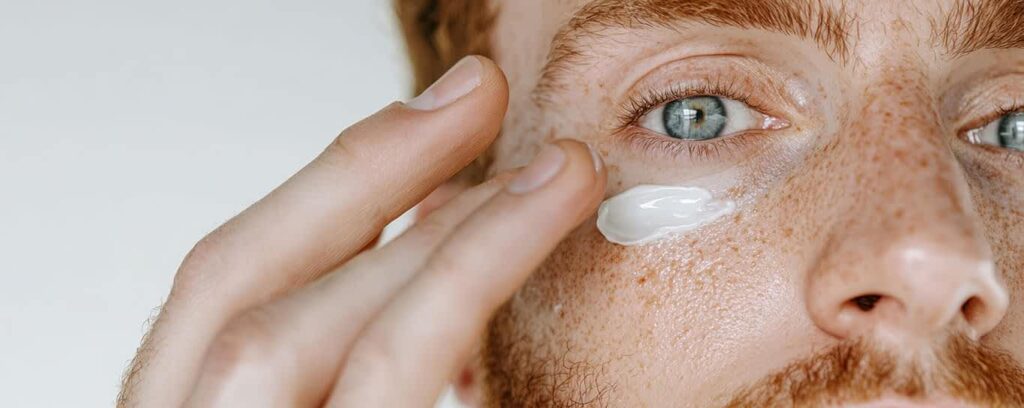
Physical side effects sometimes catch us by surprise. Cancer treatment can bring unexpected changes to your appearance—dry, discoloured skin, hair loss, irritation from shaving, nail changes — but that doesn’t mean you have to just put up with them.
Real advice in a supportive setting
Our Look Good Feel Better Shaving & Men’s Skincare Workshop is designed to help you take control of these changes with a simple, effective skincare regimen and shaving and grooming techniques tailored specifically for men facing cancer.
This free workshop is offered both online and in person at select locations and is held in a comfortable, supportive setting. You can listen, learn, and participate as much—or as little—as you’d like. Participants also receive a complimentary kit of men’s skincare and shaving products to try before and during treatment.
About the Shaving & Men's Skincare Workshop
Even if you’ve never paid much attention to your facial skin before, small changes can make a big difference in how you look and feel. In this session, we’ll cover:
Managing hair loss – What to expect, how to care for your scalp, and what happens when hair grows back
Caring for skin during treatment – Avoid dry, irritated or painful skin with a simple routine that take just a few minutes a day
Shaving with less irritation – Pros and cons of using a regular razor vs an electric razor during treatment and how to shave your face (or scalp) safely when your skin is more sensitive.
Protecting your skin from the sun – We’ll share simple ways to guard sensitive skin from the sun during and after treatment.
Who is the Shaving & Men’s Skincare workshop for?
This session is ideal for:
- Men who are currently undergoing cancer treatment or have completed treatment in the past year
- Anyone facing cancer who would like support around these specific appearance-related side effects
Maybe you didn’t sign up for this workshop…
and someone who cares about you did it on your behalf. You’re not alone. If you’re here because a loved one suggested it, take that as a sign of their support.
A no-pressure, practical approach
Prefer to stay in the background?
No problem! No matter if you’re attending online or in person, you can simply listen and absorb the tips at your own pace, and try them out whenever it suits you.
Whether you’re here for men’s skincare advice, scalp care, guidance on hair loss, or because someone you love suggested you might benefit from the workshop, we’re so glad you are here. This session is all about giving you the tools to move forward with confidence, in whatever way works best for you.
What our participants have to say
” Before treatment, I was worried about hair loss. I didn’t expect that issues with skin on my face and scalp would be the most challenging chemo side effect. The advice in this workshop helped.”
- Joseph S., Workshop Participant
“Actively taking care of myself helped me regain control – I didn’t want to be defined as sick.”
- Adam P., Workshop Participant
Join us for a workshop led by industry experts, tailored for men facing all cancers
Register for the Shaving & Men's Skincare workshop today!
Let’s navigate this together
Join a community that understands. Receive expert advice, useful resources, and compassionate tips throughout your cancer journey in the LGFB newsletter.
Newsletter Form
The Basics
The Three Basic Steps Are:
Step 1 – Cleanse
A facial cleanser will remove dirt and dry flaky skin and help stimulate circulation.
Look for products that say GENTLE, for SENSITIVE SKIN or for ECEZMA
Ideally, use a facial cleanser twice a day – morning and night
You can use a gentle body wash for the rest of your body
Have flaky skin, black heads or ingrown hairs?
Consider a gentle exfoliator once a week to get a deeper clean. Use it right before cleansing to leave the skin looking smoother, clearer and brighter. Again – look for a gentle option during treatment and try testing on a small area first.
Step 2 – Moisturizer
Moisturizer is hands down the most straightforward and effective way to keep your skin in top shape – apply after washing and patting dry your face.
While most men generally have oilier skin than women, treatment can have an drying effect your skin, so staying hydrated (both inside and out!) is fundamental.
Don’t forget LIP BALM – your lips may be extra dry or chapped during treatment. Keep things simple with a hypoallergenic lip balm with an SPF to keep you moisturized and prevent burning during the day.
Step 3 – Sunscreen
This is an absolute must-have!
One of the most prevalent side-effects of treatment is sun sensitivity
It is essential to wear daily sunscreen protection with a minimum of SPF30
Some Extras to Consider:
Hand Cream
Hydration is a key element in maintaining your skin during this time. Keep a hand cream by your sink.
Body Cream & Lotion
Having a body moisturizer will more than earn its place in your daily care while undergoing treatment. Dryness, irritation and possible skin cracking are all things you want to avoid so laying on the lotion is more than worth the effort. Apply after you shower or bathe, and throughout the day as needed.
Tinted Moisturizer & Concealer
There are some great tinted products out there that are very light-weight and natural. These products help minimize any redness, uneven skin tone and/or dark circles under the eyes. Always look for fragrance free hypo-allergenic products when picking up your grooming essentials as treatment can make even the most robust of skin a little more sensitive.
Experiencing side effects?
Learn how to minimize and manage them in our Shaving & Men’s Skincare Workshop.
Let’s navigate this together
Join a community that understands. Receive expert advice, useful resources, and compassionate tips throughout your cancer journey in the LGFB newsletter.
Newsletter Form
Electric Razors or Wet Shaving During Treatment
During treatment your skin may be more dry, red, or itchy and will be more susceptible to cuts, bruising and infection, so it’s important to examine your shaving regimen.
Electric Razors
Many care teams recommend electric razors during cancer treatment. They’re less likely to nick the skin and will help avoid infections, especially when your skin is extra sensitive or your immune system is weakened.
Razor Blades and Wet Shaving
If you prefer to stick with a traditional razor and a wet shave, read our tips to help make it as safe and soothing as possible. Don’t forget to ask your medical team’s advice about shaving while in treatment.
Tips for Shaving with a Razor During Treatment
Shower before shaving or apply a warm towel/face cloth. This warms the skin, opening the pores and softening the hair cuticles.
Apply your chosen sensitive skin shaving gel or foam, ideally using a shaving brush, and make sure you generate a warm, rich protective lather. (Using a shaving bush softens and lifts the facial hair off the face helping to maintain good levels of hydration and lubrication).
Use light, gentle strokes, letting your razor do the work.
Facial hair grows in many directions so you’ll shave both with and against the grain. Shave in the direction that feels most comfortable.
Rinse your blades often.
After Shaving
Rinse with cold water. This will remove shaving cream residue, tighten pores and cool the skin.
Moisturize the whole face and neck area with a mild moisturizer.
Old dogs can learn new tricks.
Learn comfortable shaving techniques in our Shaving & Men’s Skincare Workshop.
Let’s navigate this together
Join a community that understands. Receive expert advice, useful resources, and compassionate tips throughout your cancer journey in the LGFB newsletter.
Newsletter Form
Sun Care and Safety during Cancer Treatment
Radiation and chemotherapy treatments, as well as some medications, can increase your susceptibility to sunburn and skin damage. Sun care is especially important when you are undergoing treatment.
Receiving Radiation?
As a general rule, no sun exposure is a good idea when you’re receiving radiation treatment if the site of the treatment is exposed skin. Your doctor may not want you to put sunscreen or any cream on while you’re receiving radiation treatment as the skin is prone to injury at that time.
Sun Safety During Treatment
Apply sun protection daily and liberally – a dollop about the size of a golf ball – to all exposed skin, such as the lips, ears, scalp, sides, and back of neck
Get in the habit of applying sun protection every morning, about 20 to 30 minutes before going outside, and reapply often – about every two hours
Remember that you’re still exposed to UVA/UVB rays even in shady areas. If you’re indoors, windows do not protect against UVA rays
Stay inside during the intense-sun hours of 11 a.m. to 4 p.m. Wear clothing especially formulated with SPF when you have to go out into strong sun.
Have more skin-related questions?
Find practical answers in our Shaving & Men’s Skincare Workshop.
Let’s navigate this together
Join a community that understands. Receive expert advice, useful resources, and compassionate tips throughout your cancer journey in the LGFB newsletter.
Newsletter Form
Eyebrows
The benefit of shaping and filling eyebrows: helps balance the eyes and flatter all other facial features.
If your eyebrows are sparse or have fallen out completely, you can define them or recreate them using a simple pencil technique.
How to create natural-looking eyebrows
Follow these 4 easy steps:
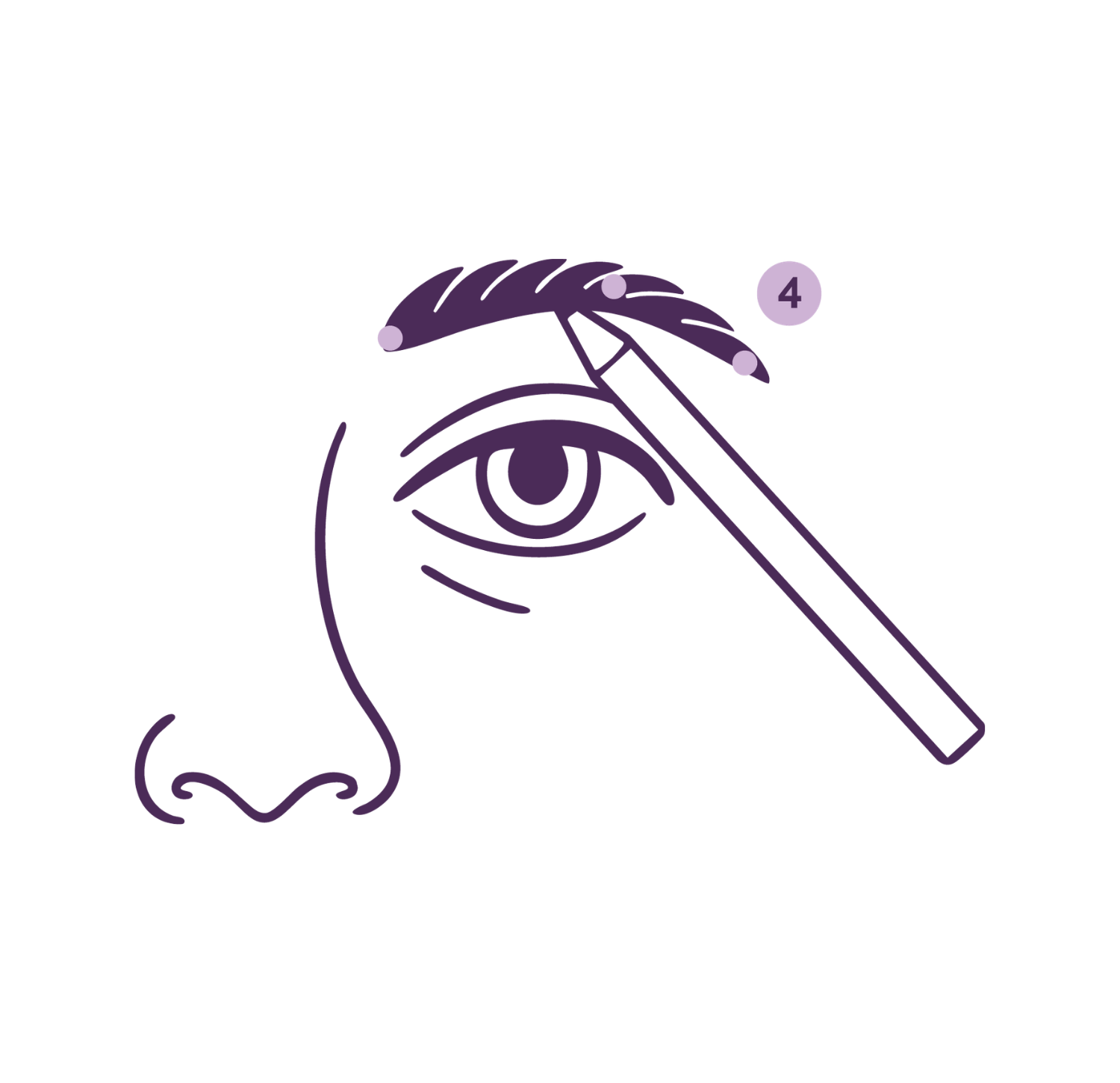
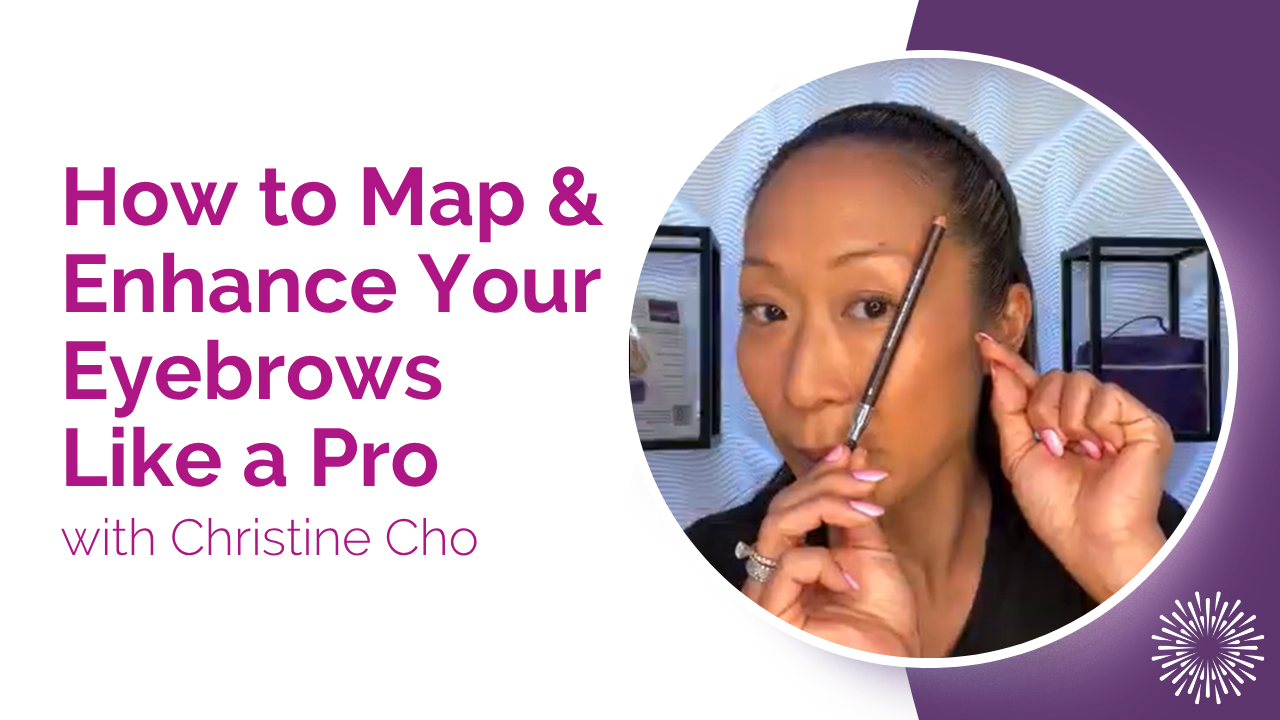
- Hold a brow pencil straight up against your nose, parallel to the inside corner of your eye. Draw a dot on the brow bone at this point. This is where your eyebrow should begin.
- Looking straight ahead, place the pencil parallel to the outside edge of the coloured part (the iris) of your eye. Place a dot where the highest point of the brow line should be. This is the arch of the brow. Use the orbital bone as guide to finding the highest point.
- Place the pencil diagonally from the bottom corner of your nose past the outside corner of your eye and draw a dot. This is the end of your brow. Be sure it’s not lower than the beginning of your brow, as this will create a down-turned expression.
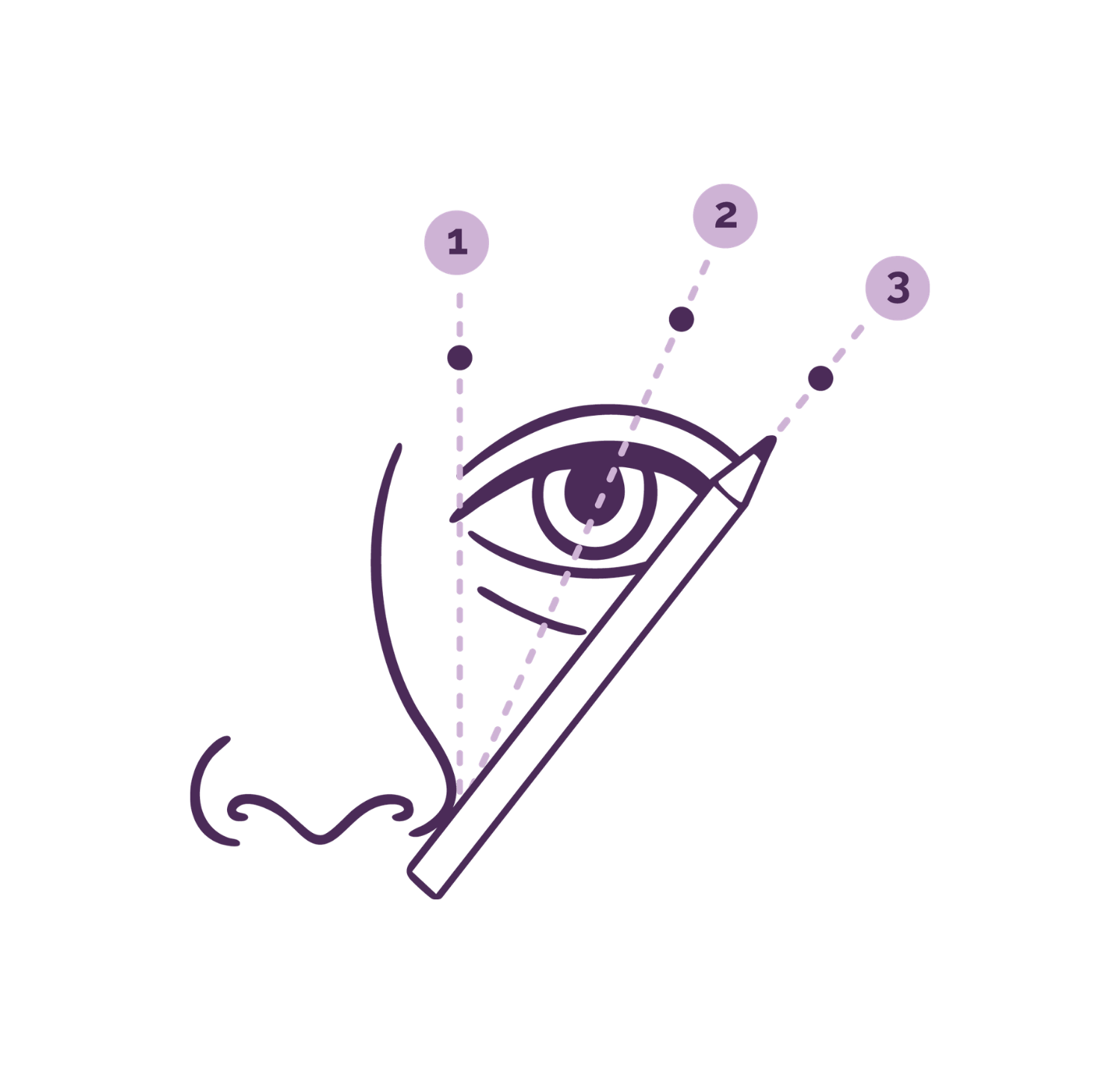
4. Connect the dots into a brow line with light, feather-like strokes of colour, making the brow fuller on the inside corner and thinner as it moves out.
Eyebrow Tutorial
Eyeshadow
The benefit of eyeshadow: Brightens your look and helps define eyes.
Choose a neutral matte eyeshadow palette
Sweep a light shade over the entire lid and up to the brow
Apply a darker shade in a sideways v on the outer corner of the lid starting from the lash line and extending into the crease
Apply a highlight shade under your brow if desired
Blend well to soften the effect
Eyeliner
The benefit of eyeliner: works to define the lash line and create the illusion of full lashes.
Using an eyeliner pencil, draw small dots close to the root of the lashes on the eyelid.
Holding the eyeliner on a slant, starting from the inner corner of the eye, connect the dots at the very base of the lash line.
Using a cotton swab, gently blend. Use a little of the darker eyeshadow over the eyeliner to soften the look and help it last longer.
Make sure to avoid applying liner to your waterline
Mascara
The benefit of mascara: Restores a full look to thinning lashes.
Apply first to the top side of the lashes and then to the underside
Brush the mascara wand lightly across the lower lashes
Avoid waterproof mascara
Let's try this together.
Practice techniques with experts and find a community in our Skincare & Makeup Workshop.
Let’s navigate this together
Join a community that understands. Receive expert advice, useful resources, and compassionate tips throughout your cancer journey in the LGFB newsletter.
Newsletter Form
Colour Accents
Your cheeks and lips are two places that can be hard hit by treatment side effects. With the right techniques and products, you can restore softness, protect sensitive skin, and enhance your natural glow.
Lips
The benefit of lip products: Brightens your look, lifts your spirits and comforts dry lips.
Choose a creamy, moisturizing lip colour from the same colour family as your blush
A light application of lip gloss will provide extra comfort to dry lips and adds the illusion of fullness
If your lips are very dry, use a moisturizing lip balm at night
Lip skin has very little protective pigment so use sun block product on your lips when outdoors
Blush
The benefit of blush: Provides a vibrant healthy look.
Use only a small amount of blush; it’s easier to add colour than to remove it
Smile! Add colour to the apple of your cheeks with a clean cotton ball
Blend along the cheekbone in an upward motion toward the ear
Like hands-on learning?
Get guided practice and support in our Skincare & Makeup Workshop.
Let’s navigate this together
Join a community that understands. Receive expert advice, useful resources, and compassionate tips throughout your cancer journey in the LGFB newsletter.