Finding Calm Through Mindfulness Meditation
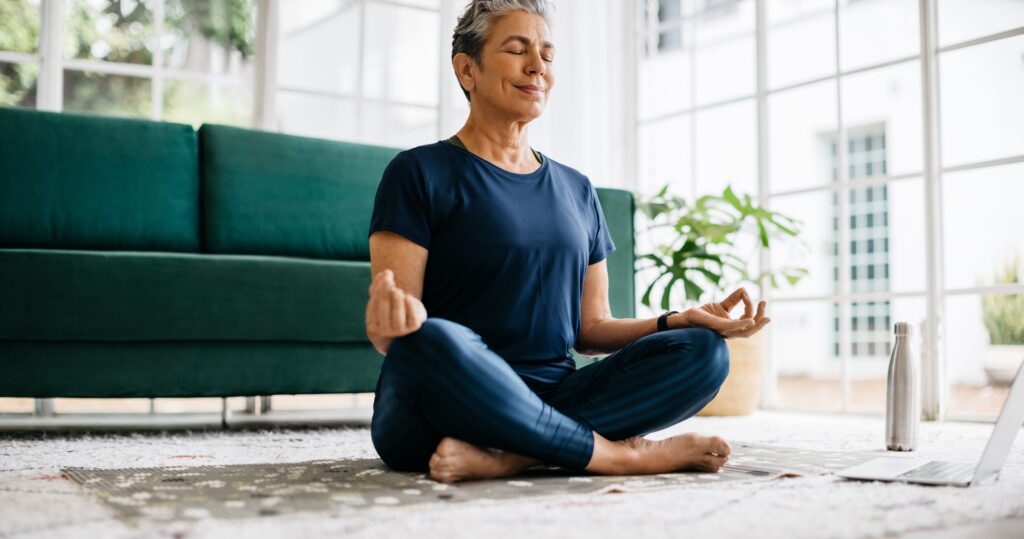
A cancer diagnosis can take a toll on the mental health of patients, families, and caregivers. Guided imagery — a form of visualization meditation — has been shown to reduce stress and anxiety, helping people feel calmer, more in control, and better able to cope with fears about the future and recurrence.
About this Workshop
The information and dialogues are designed to help you understand:
How stress, worry, and uncertainty affect your nervous system and overall wellbeing
How mindfulness meditation can help calm your mind and relax your body
How to practice short visualization exercises you can use at home to help manage anxiety throughout the cancer experience, including during treatment and beyond
Expert advice in a supportive environment
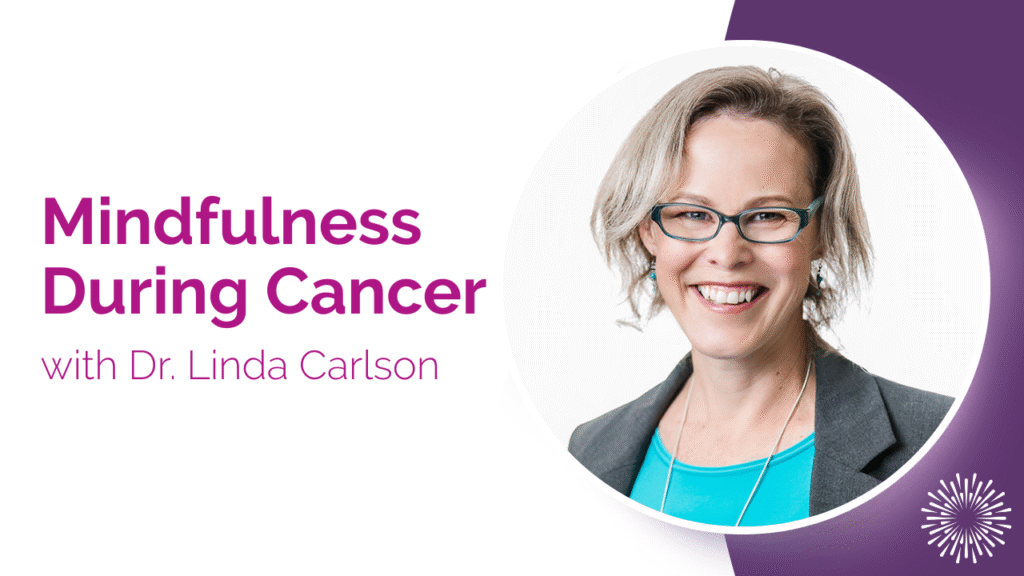
Delivered by Natasha Deen, Certified Meditation Teacher, this workshop offers our community practical, supportive tools and techniques for mindfulness.
Practice mindfulness with a guided meditation
As part of this webinar, you’ll participate in a guided, story-based visualization meditation. This immersive practice is approximately 20 minutes long. For your comfort and privacy, cameras and microphones will be turned off during the meditation, allowing you to fully relax and focus on the experience.
Topics Covered in Finding Calm Through Mindfulness Meditation include:
The benefits of mindfulness meditation throughout the cancer experience
How to use visualization meditation to help manage stress, anxiety, and fear of recurrence
Simple ways to incorporate mindfulness into your daily routine
This workshop is available ONLINE
Join us!
- This session is led by a certified meditation teacher and includes a guided, story-based visualization meditation.
- It is roughly an hour and fifteen (1:15) minutes in length and is delivered over Zoom.
Ready to Register?
Who should attend this workshop?
Find calm amid cancer-related stress with expert-led guidance
Register today
Vaginal and Vulvar Dryness & Pain
Some treatments lower estrogen or affect blood flow and tissue health. This can make the genital tissues thinner, drier, and more sensitive.
- Internal (vaginal) dryness may feel like tightness, irritation, or pain with penetration.
- External (vulvar) dryness may cause discomfort with touch or even daily activities.
- Lubricants are used during sexual activity to reduce friction.
- Moisturizers are used on a regular basis to help improve overall moisture and comfort over time.
- Water-based lubricants are a good place to start.
- Silicone-based lubricants last longer and may help with more severe dryness.
- Do not use silicone-based lubricants with silicone dilators or sex toys, as they can cause damage over time.
- You may need to try a few options to find what works best for you.
Avoid products labeled:
- “Warming”
- “Cooling”
- “Intensifying”
These can irritate sensitive tissues, especially after treatment.
Some people find vaginal suppositories work well to add moisture to the vagina and improve internal dryness. These are inserted into the vagina where the active ingredient (hyaluronic acid) helps to heal and moisturize the tissues.
- Some people use oils (e.g., coconut or olive oil) on external tissues.
- Avoid using oils internally, as they can disrupt the natural balance.
- Oils may stain fabrics and are not compatible with latex condoms.
- Silicone lubricants can damage silicone dilators or vibrators.
Start with comfort:
- Use a good-quality lubricant.
- Take things slowly.
- Focus on non-penetrative sexual activity first.
- Local estrogen is the most effective treatment for vaginal dryness. This is prescription-only medication, and you should talk to your oncologist or primary care provider about this.
- Consider pelvic floor physiotherapy if pain continues.
Many people start with moisturizers and lubricants for more immediate relief. Longer-term approaches, such as pelvic floor therapy and mindfulness, can also help address underlying causes. For many, dryness and pain do improve over time, especially with the right support and a combination of strategies, although it can take time.
Yes. This is very common and can be related to physical, emotional, and hormonal changes.
Painful sexual touch or activity often impacts negatively on libido.
For many people, desire does return — but it may feel different. It often grows through connection, touch, and feeling safe.
- Reducing pressure to “perform”.
- Focusing on closeness and non-sexual touch.
- Getting enough rest and managing stress.
- Talking openly with your partner.
- Recognizing that desire often accompanies arousal. This is called responsive desire as opposed to spontaneous desire.
Practical Strategies: Where to Start
There are some quick strategies that may help right away, such as lubricants, moisturizers, local estrogen, and exercise.
There are other strategies that take time but support long-term improvement. These include pelvic floor physiotherapy, mindfulness, and couples counselling.
Sexual Activity & Relationships
Intimacy can include:
- Touch
- Holding or cuddling
- Emotional connection
- Spending time together
Sex does not have to mean intercourse.
Start small:
- Focus on comfort and connection
- Communicate openly
- Take pressure off performance
Hormones & Treatment Decisions
Yes. Many people feel this way during and after cancer treatment. Treatment can bring physical changes that affect sexuality, as well as emotional changes like depression, anxiety, and loss of confidence. It’s very common to feel disconnected from your body or unsure of your sexual self during this time. These feelings can shift with support, time, and self-compassion.
Hormones & Treatment Decisions
This depends on your type of cancer and treatment. Talk with your healthcare provider about what’s right for you.
There are non-hormonal options available, including moisturizers, lubricants, and other supportive therapies.
This can depend on your treatment and how you’re feeling. It’s best to check with your healthcare provider.
In some cases, protection may be recommended — for example, to reduce risk of infection or exposure to chemotherapy. Check with your healthcare team.
If you are experiencing ongoing pain, dryness, or distress — or if something doesn’t feel right — it’s a good idea to ask for support.
You can start with:
- Your oncology team
- Family doctor or nurse practitioner
- A counsellor or therapist
They can guide you to the right support if needed.
Both of the following associations have a ‘find a provider’ function on their website.
Changes in sexual wellbeing after cancer are common. You are not alone — and there are ways to find support, comfort, connection, and wellbeing over time.
In this family of five sisters, the year 2025 will be marked by an unexpected and deeply shared experience. In the space of just a few months, three of them — Claudette, Ginette and Danielle — were diagnosed with breast cancer. Three different life paths, three different ages, but the same challenge that further strengthened their already solid bond.
Claudette, the eldest of the family, is 71 years old. In June 2025, her doctor informs her that the cancer that first appeared in 1993 has returned. This time, the tumour is rare and located in the nipple. Unfortunately, Claudette is no stranger to the disease: this diagnosis marks her fifth bout with cancer. Over the years, she has already battled three breast cancers, undergone a hysterectomy and been treated for a bladder tumour. She will face this new challenge with the experience and determination of someone who has already weathered several storms.
A month later, in July 2025, it is 66-year-old Ginette’s turn to receive the same news. For her, too, it is a recurrence. Her first breast cancer dates back to 1998. This time, she chooses a radical approach: even though only one breast is affected, she asks for both to be removed to avoid any future risk. She undergoes a total mastectomy in the autumn.
The youngest of the three sisters, 62-year-old Danielle, was actually the first to receive her diagnosis, in January 2025. On 7 March, she underwent a mastectomy of her right breast with reconstruction. Danielle is the youngest in the clan. “There are five girls in the family,” she explains. “And luckily, the other two are doing well.” Despite the difficulty of the situation, the three sisters find comfort in being able to go through this period together.
Amidst medical appointments and treatments, a simple initiative offered them a moment of respite and sharing. Danielle, who was already taking yoga classes at La Maison Main…Tenir L’espoir, heard about Look Good Feel Better. Intrigued, she decided to sign up and told her sisters about it. They liked the idea and chose to participate together.
For Claudette, this wasn’t her first experience of this kind. She had already attended a similar workshop in 1993 in Montreal. However, the workshop in Trois-Rivières was particularly touching for her, as she participated with her sisters. Ginette also attended a LGFB workshop on her own when she was first diagnosed in 1998.
As soon as they arrived, the three sisters rediscovered something precious: the joy of being together. “We don’t see each other often, so it was good for us,” says Danielle. The atmosphere quickly became friendly and filled with laughter.
The volunteers took the time to patiently and attentively guide each participant through simple personal care techniques: learning how to apply foundation, use concealer or redraw eyebrows. For some participants, these were new techniques to discover. For others, like Ginette, it was an opportunity to revisit advice she had received nearly thirty years earlier.
Claudette, for her part, is particularly concerned about her eyebrows, which she has lost. She feels unskilled at redrawing them and makes the group laugh when she jokes that she was afraid of looking like a clown. In a room with about eight women, each story is different, but they all share the same need for listening and support.
Danielle particularly appreciates the aspect of sharing and solidarity. Even if she does not necessarily use all the techniques she has learned, she values the advice she receives and the exchanges with the other participants. The conversations naturally broaden to include discussions about treatments, concerns, and everyday life.
For Danielle, these workshops play an essential role. “They give us hope and encourage us to take care of ourselves,” she explains. “Even when you’re going through illness, you can still take time for yourself.”
Beyond beauty tips, the three sisters have found a space where they feel understood. A place where they can talk freely, ask questions and meet other people who are going through the same thing. Danielle has also attended other workshops offered by LGFB and enjoys receiving their newsletter. She also wants to encourage her sisters to explore the various online workshops.
Today, they have agreed to share their story with one simple goal in mind: that their experience may be of use to others.
Three sisters, three journeys, one emotional year. But also three women who chose to go through this together—with courage, solidarity… and sometimes even a little humour, in front of a mirror, trying to draw the “perfect” eyebrow.
Cancer can transform so many things, including how you see yourself and how you feel in your clothes. After so much change, wearing clothing that helps you feel like your favourite version of the new you can be empowering.
I believe when you are feeling disconnected from your body, it is a perfect time to drape it in clothing that is going to make you feel put together. And maybe that means treating ourselves to an amazing pair of PJs or great underwear.
The key place to start is with defining who you are right now and how you want to show up. You want to get super clear on your ideal style and what that looks like (and what it doesn’t).
My recommendation is to start a vision board of outfits that you resonate with. Don’t worry about the models matching you or your body at all, just think of them as mannequins. Start with searching by your style icon or a piece of clothing you used to love to wear, then save all the pictures you pause on.
Once you have 12 or more, take notice of similarities and pieces that you may already own. Use these as your recipes for style. Try shopping your own closet with them first and then take them in store to try them on. Then ask a friend or family member to use a few words to try and describe the style of your style vision board. This will help you get a sense of whether people are describing your style in a way that you want to be seen.
There isn’t a one-size-fits-all answer for this unfortunately. It depends on whether you want to draw attention to your flat chest or balance it. The key thing to think about here is your focal points. Where do you want the eye to be drawn?
If you are looking to add volume at the chest, breast pockets, high necklines or horizontal lines are great. If you would like to draw the eye towards the shoulders, puff sleeves, shoulder pads or epaulettes will work well. Prefer to draw the eye towards the waist? Belts, details or rises that end in the smallest part of your torso work well to show off your natural waist. If your legs are your favourite asset, then I suggest a more streamlined pant or lighter colours or patterns on the bottom.
I recommend using diagonals and focal points to balance your tummy area. Princess seams, ruched shirts or wrap dress are all examples of diagonals built right into clothing. You can also add them on with a blazer, cardigan, or jacket. When left open, they create great verticals and diagonals that carve out where we want people to look.
You want to decide where you want people to look and place your details there. Whether it is an accent colour, or pattern or maybe a detail like a pocket or bow, you can decide where the eye is drawn in any of your outfits.
It is always amazing to hear how many of my clients don’t know their body shape even though we live and dress our bodies every day. So, the best advice I can give, is to get to know your new body and what shape it is, then decide if you want to emphasize that shape and follow the lines or use clothes to create the illusion of a different shape.
For example, a person with an A body shape could decide to emphasize that A shape with tight tops and pants or create more of an X body shape by adding more volume on the top half with a puff shoulder and high neckline. Whatever styles you choose, try fabrics that mimic and follow the lines of your body.
Weight Changes & FLuctuating Sizes
I recommend fabrics and styles with stretch and drape to allow your clothes to adapt well to a changing body. You should also find a local tailor that you can trust. There are so many tricks to allow waistbands to be taken in and out (think of the elastic they put in kid’s clothes). Tailors are worth their weight in gold.
I recommend building a core capsule of pieces you love and feel great in. One layering piece, two bottoms, three tops and four accessories that all work together effortlessly. The key thing is to ensure that all the pieces match in colour and your ideal style.
I recommend a professional colour analysis for anyone who wants to identify the specific tones, tints or shades of the colours that work best for you. But there are a few tips or tricks that you can try at home as well.
Colour analysis palettes are broken up into cold and warm colours, so you can look at whether gold or silver compliments you to try and decipher which side you may belong on.
Another tip is to use an online makeup site to try on lipsticks in various hues to see what harmonizes with you and what washes you out. You can also check the description if you use a foundation or concealer to see if it describes your skin as warm, cold or neutral.
Comfort, Side Effects, & Personal Needs
The key thing is to find fabrics that breathe and don’t cling.
- 100% Cotton (organic would be great if possible): Soft and breathable, helping to keep skin cool and irritation down.
- Linen: Has great airflow and natural moisture wicking. It is ideal if your skin reacts to heat and sweat.
- Bamboo/bamboo-derived fabrics: Naturally smooth and antibacterial, it is often very comfortable on sensitive skin.
- TENCEL/Lyocell/Modal: Hypoallergenic, soft, and breathable with good moisture management.
- Silk (washable is great too): Has a light smooth surface that minimizes friction and irritation.
You’ll want to avoid anything that ties or zips or buttons along the back. Wrap tops or loose layering pieces are great. If you find any pieces you love with buttons or frustrating closures, you can also take them to your tailor to have velcro or magnets applied to make them easier to get on or off.
To feel as comfortable as possible when wearing compression garments or medical devices you’ll want to focus on fabrics that drape or flow over them rather than restrict you. I also recommend looking for natural fabrics that breath since the compression garments generally do not.
Shopping, Budget, & Overwhelm
The best way to have a successful shopping trip is to shop with intention and with a list. That means taking stock of what you have at home and what you need. It also means checking out the stores stock online beforehand to plan what you are going to try on.
I recommend trying a capsule wardrobe so you can buy less but wear more. A capsule wardrobe is a small wardrobe that mixes and matches and multitasks. Every piece works with every other piece, so you can close your eyes, pick two pieces and know that they work together.
From skincare and makeup guidance to scarf-tying techniques and mindfulness practices, this video library offers practical tools to help you feel more confident, comfortable, and supported.
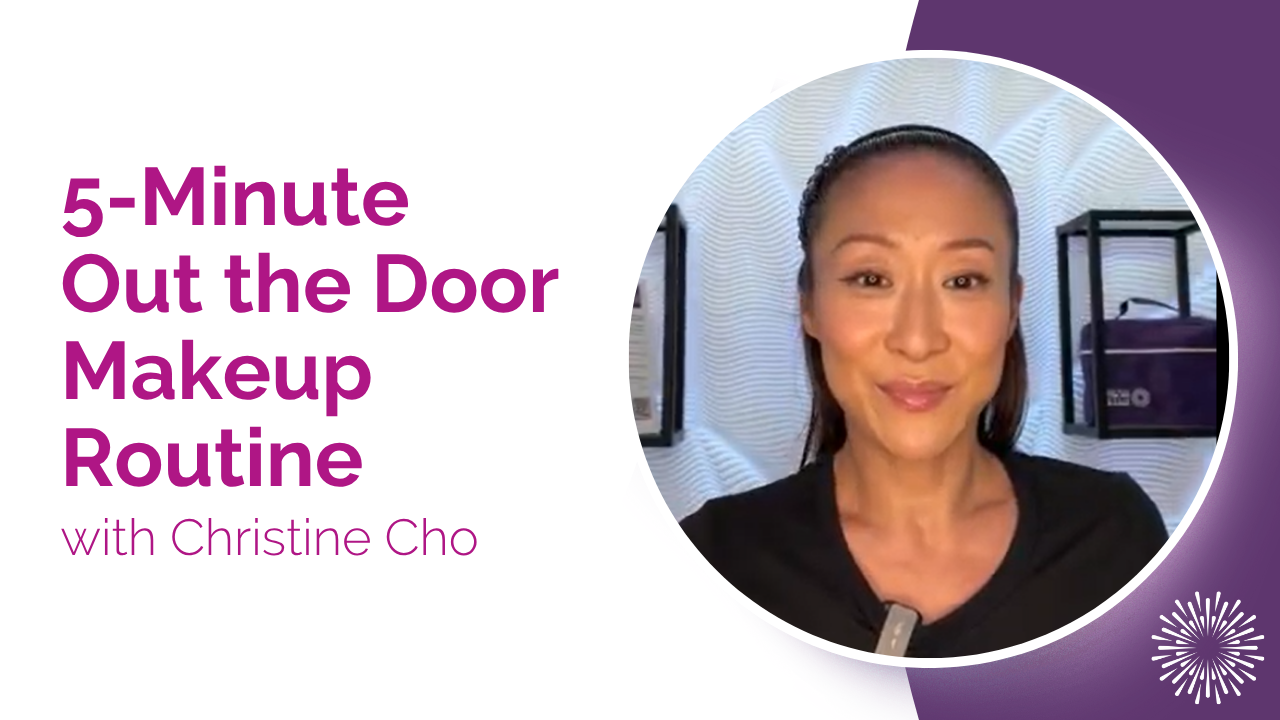
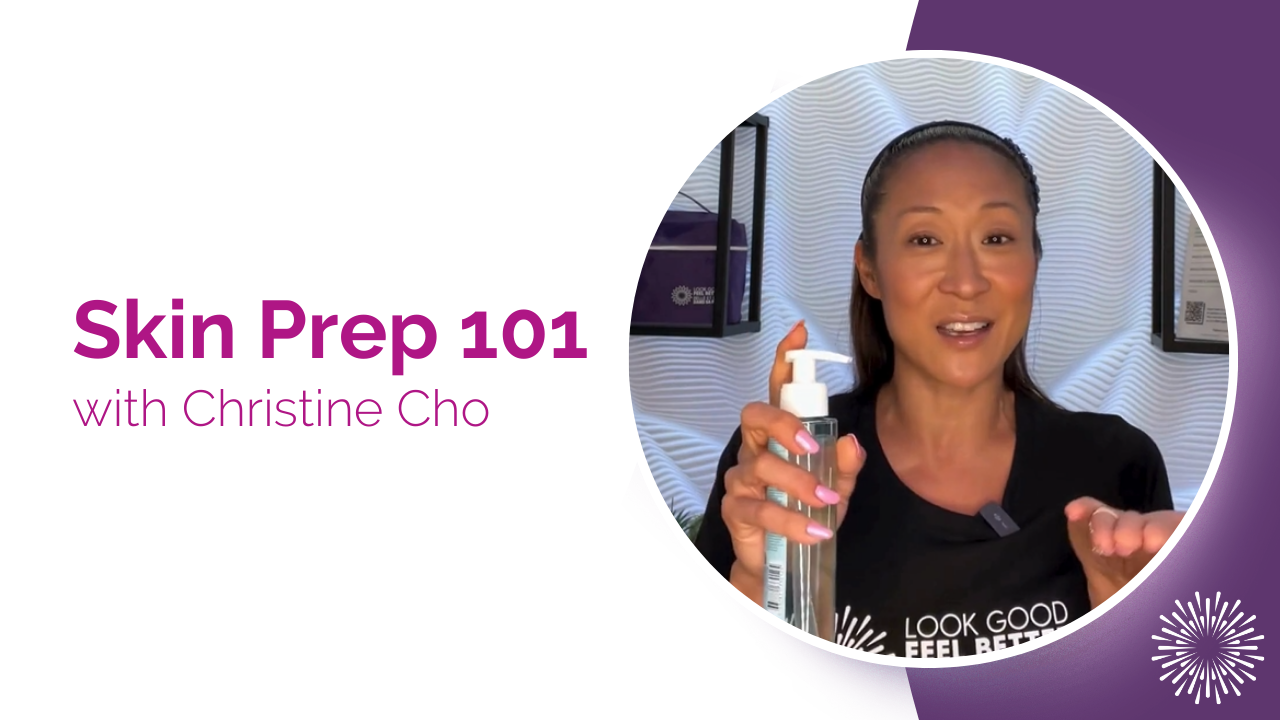
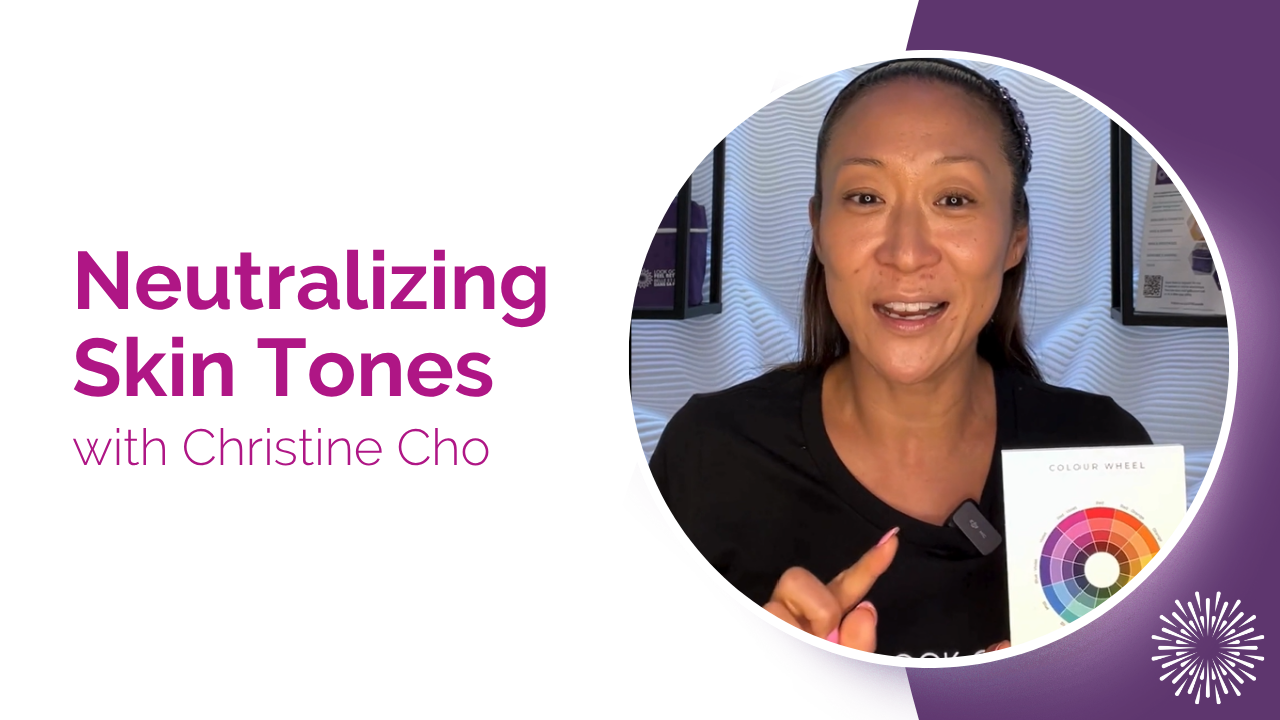
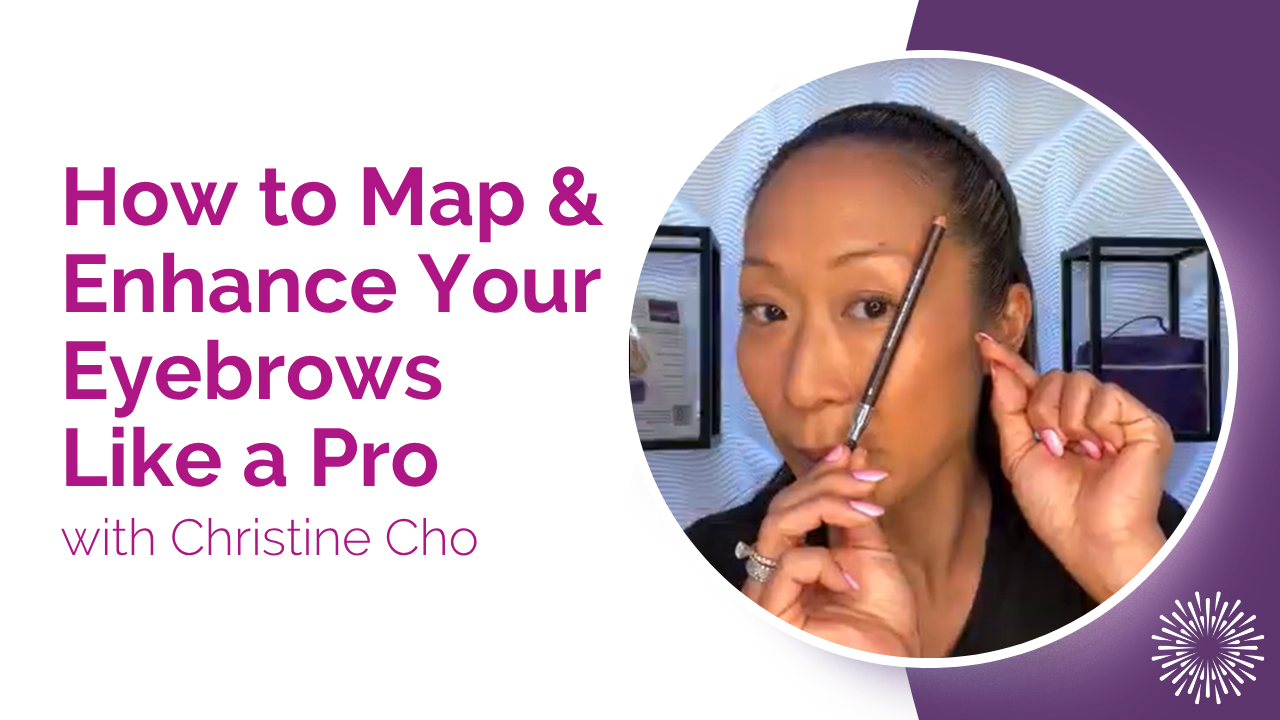
Skincare & Makeup Videos with Beauty Expert Christine Cho
<iframe width="560" height="315" src="https://www.youtube.com/embed/66028o3JsiI?si=DG3hBP8X4eB-Vxnp" title="YouTube video player" frameborder="0" allow="accelerometer; autoplay; clipboard-write; encrypted-media; gyroscope; picture-in-picture; web-share" referrerpolicy="strict-origin-when-cross-origin" allowfullscreen></iframe>
<iframe width="560" height="315" src="https://youtube.com/embed/_wN9oj96UnU?si=VPQJDE5MVx6lPrnI" title="YouTube video player" frameborder="0" allow="accelerometer; autoplay; clipboard-write; encrypted-media; gyroscope; picture-in-picture; web-share" referrerpolicy="strict-origin-when-cross-origin" allowfullscreen></iframe>
Advanced Skincare Videos with Onco-Dermatologist Dr. Maxwell Sauder
<iframe width="560" height="315" src="https://www.youtube.com/embed/Mrzxn2D7ZSA?si=aczHvRCxvjvbp_Jn" title="YouTube video player" frameborder="0" allow="accelerometer; autoplay; clipboard-write; encrypted-media; gyroscope; picture-in-picture; web-share" referrerpolicy="strict-origin-when-cross-origin" allowfullscreen></iframe>
Wigs & Scarves Videos
<iframe width="560" height="315" src="https://www.youtube.com/embed/CQ5BGMpeR0I?si=COin0mueubuLZ3Wx" title="YouTube video player" frameborder="0" allow="accelerometer; autoplay; clipboard-write; encrypted-media; gyroscope; picture-in-picture; web-share" referrerpolicy="strict-origin-when-cross-origin" allowfullscreen></iframe>
Mindfulness Videos
<iframe width="560" height="315" src="https://www.youtube.com/embed/Ir5iiNo1dy4?si=ke0ESIX1IPmphzKs" title="YouTube video player" frameborder="0" allow="accelerometer; autoplay; clipboard-write; encrypted-media; gyroscope; picture-in-picture; web-share" referrerpolicy="strict-origin-when-cross-origin" allowfullscreen></iframe>
Nutrition Videos
<iframe width="560" height="315" src="https://www.youtube.com/embed/d-Ksi5eO2O0?si=VrrGHKLyiTk-5E0t" title="YouTube video player" frameborder="0" allow="accelerometer; autoplay; clipboard-write; encrypted-media; gyroscope; picture-in-picture; web-share" referrerpolicy="strict-origin-when-cross-origin" allowfullscreen></iframe>
Exercise Videos
<iframe width="560" height="315" src="https://www.youtube.com/embed/hDZbzPWyOOU?si=egkSLoPenYUGGMBf" title="YouTube video player" frameborder="0" allow="accelerometer; autoplay; clipboard-write; encrypted-media; gyroscope; picture-in-picture; web-share" referrerpolicy="strict-origin-when-cross-origin" allowfullscreen></iframe>
A dermatologist isn’t one of the specialists you necessarily think you’ll need during and after cancer treatment. However, advances in treatments have made skin-related conditions very common.
We’ve asked one of Canada’s top Onco-Dermatologists, Dr. Maxwell Sauder, for the latest supportive information to help patients reduce and relieve the side effects they are experiencing.
Here are his recommendations for caring for your skin, scalp and nails during treatment and beyond.
Dr. Sauder is a board-certified dermatologist in Canada (FRCPC) and the United States (DABD) with additional fellowship training in cutaneous oncology. He is a former faculty member of Harvard Medical School where he focused on skin toxicities of anti-cancer treatments (STATs). He is currently an onco-dermatologist at Princess Margaret Cancer Centre where he assists in the management of complex cutaneous malignancies and STATs. He also practices at Toronto Dermatology Centre where he is the director of the Pigmented Lesion Clinic that uses cutting edge artificial intelligence technology to identify and manage skin cancers or precancerous lesions at the earliest possible stage.
As a general rule, keep your skincare routine as simple as possible – no serums, acids, toners, etc.
Historically, the point of toners was that cleansers would strip the essential oil off of the skin, because they were quite strong, and the point of toners is to replenish. If you use a neutral based cleanser followed by a moisturizer, you do not really need that toner.
Serums are very nice, but they tend to have a lot of added ingredients, like retinol. However, some of the ingredients can be helpful like niacinamide, which is an anti-inflammatory.
Simple rule: Gentle cleanser. Good moisturizer. Great sunscreen.
The type of base (or “vehicle”) you a product is in—ointment, gel, lotion, or cream—affects how well it works. These terms describe different chemistries, but they can be compared by their viscosity, or thickness. In terms of eczema, the strongest vehicle, from a moisturization standpoint, is an ointment. The issue with an ointment is that it might not be cosmetically pleasing as it can be quite greasy and sticky.
The next best thing is a cream. They are rich, thick, and have a bit of weight to them when you actually scoop them up or put them in your hand. However, they might not rub in quite as nicely as a lotion, which people tend to gravitate to because pump dispensers make application easier and quicker. Lotions contain lots of water and very little oil. Because the amount of oil drops as you move from an ointment to a cream, then to a lotion, oil, or gel, these later products can actually be dehydrating rather than hydrating.
Yes! People going through cancer have skin that is equivalent to eczema. People with eczema have a higher propensity to developing allergies to a product they are using. Even outside of cancer, people come to my clinic experiencing allergies, and I say to them: “I think you are reacting to xxx product” … and they say: “That product? I’ve been using it for the last 20 years.”.
That is exactly right. No one is born with allergies in their skin. We all need to be sensitized to products first and certain treatments can make your skin more sensitive, and therefore make your skin have a greater ability to be sensitized to an allergen. You can use something a million times, and the million and one time, you become allergic to it.
Key signs you are allergic to something:
- If things are getting worse rather than better, when using a product
- If things are red, itchy, scaly, especially in the areas where you are applying the product
I also recommend the website www.producteliminationdiet.com . It’s a wonderful resource and Dr. Skotnicki is fantastic dermatologist. I learn so much from her all the time.
I feel that way too, and I know these products inside and out. Every time I go, I discover new products that I was not aware of.
In general, you want to treat your skin like a person who has eczema – but you don’t necessarily need to get products for “eczema”.
Key words to look for are:
- hypo-allergenic
- fragrance-free – not scent-free (there is actually a difference)
- PH balanced or PH neutral product
There are lots to avoid in the pharmacy or drugstore – especially the acne aisle. Over the counter and prescription treatments tend to be quite irritating . And, acne – or something that looks like acne – is the single biggest side effect that I need to manage as a dermatologist for people that have cancer.
So, you might see an acne-like rash on your skin, but it’s not a great idea to get a strong acne cleanser. Most of these cleansers have acids in them (salicylic acid, lactic acid, alpha/beta hydroxyl acids), which can be irritating to the skin and disrupt the skin’s PH and/or moisture barrier.
The same caution applies to retinol products. The prescription‑strength form is a retinoic acid (the active acid version of vitamin A) that can cause significant dryness, redness, and irritation. Over‑the‑counter retinol is a milder, non‑metabolically active form, but it still tends to dry the skin, which is exactly what we want to avoid.
Cancer treatments can cause skin reactions that are worsened by sun exposure, regardless of skin pigmentation. Using sunscreen helps protect against harmful UV radiation and prevents these reactions.
To protect your skin from the sun, it is recommended to apply sunscreen every day, all year round, regardless of the weather. This is because UVA rays are present throughout the year and throughout the day, and they can even penetrate windows.
If you go outside and engage in physical activities, it’s important to re-apply sunscreen frequently and generously – at least once every 2 hours, and immediately after heavy sweating or swimming.
When choosing a sunscreen, select one with SPF 30 or higher to protect against UVB, and make sure it is labeled “Broad Spectrum” or shows the UVA symbol to ensure UVA protection as well.
Apply sunscreen about 20 minutes before sun exposure for maximum effectiveness, and if using a moisturizer first, let it fully absorb to avoid diluting the sunscreen.
It’s crucial to remember that UVA rays are present year-round and can penetrate windows, while UVB rays are more intense and primarily cause sunburn. For this reason, sunscreen should be applied daily, even when indoors near windows, to protect skin that may be more vulnerable due to cancer treatments.
If a product is labeled “mineral”, it almost always contains zinc, titanium, or both. Some brands also include chemical filters in mineral formulas, but these filters aren’t inherently bad. In fact, many are safe and well-tolerated. Mineral sunscreens offer excellent protection, though they can be harder to blend in, especially over larger areas of skin.
UV-protective clothing is very effective for sun protection and is strongly recommended for anyone spending long periods outdoors or swimming, since water can wash off or reduce the effectiveness of sunscreen. A wide-brimmed hat offers better coverage for the face and neck than a baseball-style cap. Keep in mind that UPF fabrics can thin and lose effectiveness over time, so they will eventually need to be replaced.
For cancers other than skin cancer, the skin is not the intended target of radiation; it is more of an “innocent bystander” as the radiation passes through to reach deeper tissues. When the skin itself is not the target, regular moisturizing before, during, and after treatment is often encouraged to help support the skin barrier. Some cancer centres also follow protocols that include a topical steroid to reduce inflammation, and this does not interfere with the effectiveness of the radiation.
Certain targeted therapies can cause severe acne-like eruptions, known as acneiform eruptions. In these cases, over-the-counter products are usually not effective, and medical intervention is required.
For adults not on these specific medications, acne can still flare due to underlying tendencies, particularly when the body is under stress. If you notice acne while on treatment, it is important to discuss it with your physician or oncologist first to determine whether it is a treatment-related side effect.
If it is not linked to your therapy and is a flare of pre-existing acne, your family doctor or dermatologist can provide targeted care. There are many effective interventions for adult acne, including prescription medications and specialized topical treatments, tailored to the type and severity of acne.
Skin changes are common during cancer treatment and can significantly impact quality of life. About two-thirds of patients say the effects are worse than expected, and around half will experience a treatment interruption or discontinuation because of skin issues.
If your skin reaction is affecting your cancer therapy and quality of life, see a dermatologist familiar with treatment-related reactions. Often, these skin conditions are a sign the therapy is working, so stopping treatment unnecessarily can be harmful. Proper management can help you stay on therapy while protecting your skin.
Whether or not you are experiencing hair loss, it’s recommended to use an anti-dandruff shampoo twice a week. Massage it into the scalp and let it sit for 2–5 minutes. These shampoos are anti-inflammatory and soothing.
If you still have hair and experience redness or itchiness despite using the shampoo, a prescription anti-inflammatory lotion (usually a topical steroid) can be used. Apply nightly until symptoms improve, then gradually reduce frequency.
For a hairless but itchy scalp, continue the anti-dandruff shampoo and follow with a rich moisturizer, cream, or balm to soothe the skin.
Tea tree oil has anti-inflammatory and anti-microbial properties, so it can help with scalp irritation. However, some people may develop an allergy to tea tree oil, and many tea tree shampoos contain fragrances that can also cause reactions, so it’s advised to monitor your scalp for any worsening symptoms.
For chemotherapies that cause anagen effluvium (hair loss), using an anti-dandruff shampoo twice a week can help keep the scalp healthy. Minoxidil (5% foam, brand name Rogaine) may also be useful—applied twice daily for men and once daily for women. Vitamin supplements can be beneficial as well. For certain chemotherapy regimens, a scalp cooling cap can help reduce hair loss, and there is data supporting its effectiveness.
Nail changes during treatment can range from general issues like brittleness, cracking, or Beau’s lines—often related to stress—to more specific reactions from certain medications, such as painful inflammation of the nail bed. These problems can be distressing and significantly impact quality of life.
To care for your nails, stick to the basics: use a gentle soap (bring your own to public restrooms if possible), moisturize regularly, and wear gloves to protect your nails from trauma.
For general issues like brittleness or breaking, over-the-counter nail-strengthening lacquers can help. High doses of biotin are best avoided during treatment, as they can interfere with some lab results.
It depends on the type of treatment. With hormonal therapies, the skin may experience lasting changes. For traditional chemotherapy, the skin usually returns to normal shortly after finishing treatment and once any reactions have subsided.
Watch Our Conversation with Dr. Sauder
<iframe width="560" height="315" src="https://www.youtube.com/embed/Mrzxn2D7ZSA?si=aczHvRCxvjvbp_Jn" title="YouTube video player" frameborder="0" allow="accelerometer; autoplay; clipboard-write; encrypted-media; gyroscope; picture-in-picture; web-share" referrerpolicy="strict-origin-when-cross-origin" allowfullscreen></iframe>
I’m someone who has always been comfortable behind the scenes. In my career, I design corporate learning programs – I’m not the one leading the classroom. I like to be in the background, building the curriculum – creating change and quietly shaping experiences for others.
When I got breast cancer at 27, things changed. Suddenly, I couldn’t hide. Not from the diagnosis. Not from the mirror. Not from the fear.
I had to push for the diagnosis. I had a lump but was told it was probably nothing. I insisted on testing. When I got the news, my fiancé David – now my husband – and I were just completely shocked and devastated. I’d been living in this grey area of uncertainty prior to the diagnosis, and suddenly everything became very black and white. I searched desperately for someone like me – someone in their 20s, newly diagnosed, terrified and dealing with this cancer that has the stigma of being an old woman’s cancer. I kept scrolling on social media, hoping to find her, hoping to relate to someone. But I couldn’t. I felt so isolated, like I was the only one going through this.
When I finished chemo, I decided to become the advocate that I’d searched for so fervently. I wanted to create a community for other young people who are facing or have faced the same thing. I surprised myself by coming out from behind the scenes and putting myself in the spotlight. I opened TikTok. I turned the camera on. And I started filming.
On my TikTok account (@natorrico), I share what life after treatment is like – and what healing and thriving can look like. Creating this content is very healing. It’s very soft. I show my day-to-day life: relaxing nature walks with David and our miniature dachshund, Ozzie; tending to my houseplants; making nourishing, nutritious food; brewing the perfect cup of coffee; watching the sun pour in the window. There’s a lot of intentional self-care and romanticizing my routine. When I was going through my treatment, I wished that there was something like this, someone like me out there. I hope I can give comfort to someone else feeling anxious and wondering what their life will look like once they get through cancer. I want to show what’s possible, what’s next. There’s a lack of this type of space in the post-cancer experience. My goal this year is to become a breast cancer advocate – not just for myself, but for other women as well.
Breast cancer is so intense. It changed my identity – and deeply affected my confidence. I felt like my womanhood was being taken away. I wondered whether I’d still be able to have kids some day. And I would look at myself in the mirror and think, “Who am I?” I had always been Blonde Natalia, Natalia Who’s Always Running and Exercising – that’s who I am, or who I was – but I couldn’t be that person anymore. Things needed to change. I had to rewrite the narrative.
Look Good Feel Better supported me on this journey. The organization showed me the power of advocacy and community. It helped give me the courage to put myself in the spotlight – visible, vocal, and vulnerable – so that I, too, can support others.
Post-cancer Natalia is a very different person from pre-cancer Natalia. I know who I am now and what I want. After gathering up the courage to advocate for myself and speak up, I’ve really found my voice. I’m more independent, more confident, and better able to prioritize what’s truly important to me. I’m letting my natural red hair grow back – no more blonde. Getting cancer in one’s 20s is certainly not something I’d wish on anyone. It was a devastating experience for me. But there are good things that can come out of these situations, and I’m really embracing those good things now. I’ve come out of it learning just how strong and resilient I am, and I couldn’t be prouder of myself.
Natalia’s Instagram: https://www.instagram.com/natorrico
Psychosocial Support
Look Good Feel Better is here for you with emotional, social and practical supports and resources.
We’re here when you need us
At Look Good Feel Better, we know that cancer doesn’t just affect the physical body. We support the whole person, addressing the emotional, psychological, and social well-being of you and your family.
Our workshops are run by caring, knowledgeable volunteers with expertise in their topics. Our resources offer practical advice and address topics that aren’t always covered by medical teams.
Whether you want to join one of our workshops, have questions at 4am (when the rest of your support system is asleep), or you want to connect with someone who understands what you are going through, know that we see you and will support you, no matter where you are in your cancer journey.
What we offer:
Caring, non-judgemental workshops that address the physical and emotional side-effects of cancer treatment (available in-person and online)
A supportive community that appreciates that every person is unique but also shares some understanding of what you’re experiencing
Practical resources and tips, whether you are pre-treatment, in-treatment, post-treatment or living with cancer
Access to our programming, no matter where you live. We are here for all Canadians
We’re here for you.
Find support, expertise, and practical tips in our workshops.
Suncare During Radiation Treatment
As a general rule, you don’t want any sun exposure on a treatment site while receiving radiation treatment. Always check with your radiation oncologist before using sunscreen if you are undergoing radiation. Your doctor may not want you to put sunscreen because the skin is prone to injury.
General Sun Protection Tips During Cancer Treatment
Use a sunscreen that is specially formulated for your face that delivers both UVA and UVB protection in a broad spectrum SPF 30 or higher.
Apply sun protection daily and liberally – a dollop about the size of a golf ball – to all exposed skin, such as the lips, ears, scalp, sides and back of neck, and exposed chest.
Get in the habit of applying sun protection every morning, about 20 to 30 minutes before going outside, and reapply often – about every two hours.
Remember that you’re still exposed to UVA/UVB rays even in the shade.
Stay inside during the intense-sun hours of 11 a.m. to 4 p.m. Though remember: If you’re indoors, windows offer no protection against UVA rays.
Don’t forget to wear a hat – preferably one with a wide brim of about three inches.
Remember:
Put your sunscreen under your makeup. (Apply sunscreen first).
SPF numbers aren’t cumulative. If your moisturizer and foundation both have an SPF of 15, it doesn’t mean that you’ll have a protection of SPF 30.
UVA is long-range ultraviolet radiation that has the ability to penetrate deep into the skin, causing immediate tanning, premature skin ageing and can play a role in the development of certain skin cancers. UVA is not readily absorbed by the ozone layer – about 95% gets through.
UVB is short-wave ultraviolet radiation that can penetrate the epidermis and is responsible for delayed tanning, sunburns and most skin cancers.
A large portion of UVB is absorbed by the earth’s ozone layer – only 5% reaches the planet’s surface.
Source: Health Canada
Protect your skin with expert guidance.
Sign up for our Skincare & Makeup Workshop.
Cancer Support Resources
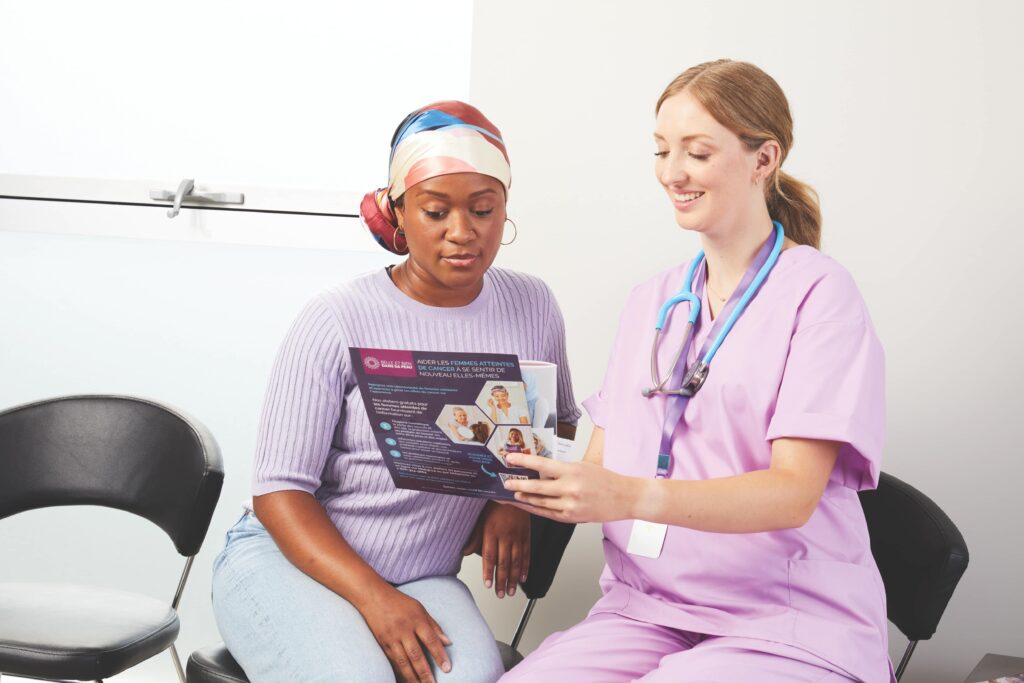
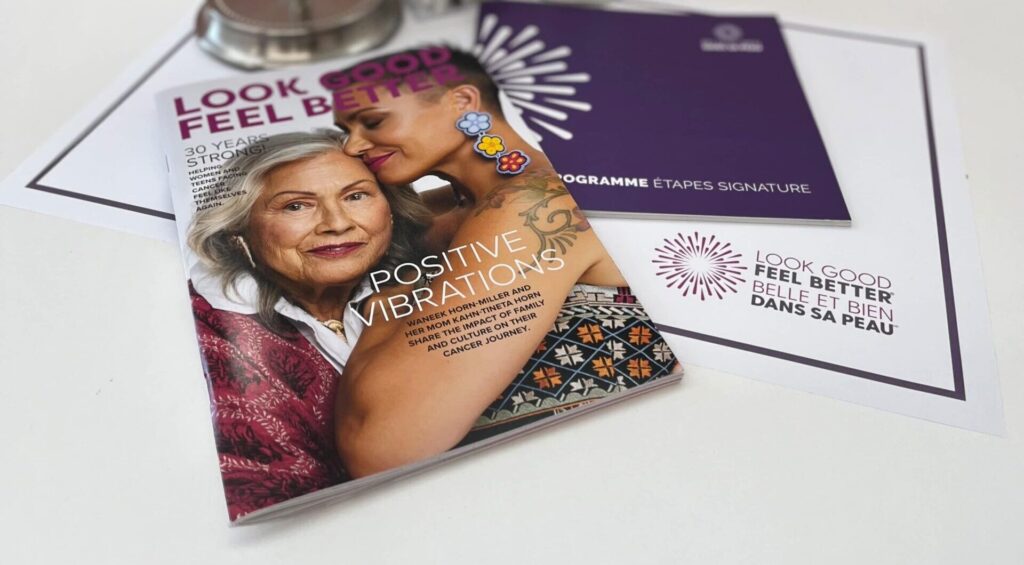
Look Good Feel Better offers free cancer support resources for the whole person—covering breast care, caregiver support, men’s programs, nutrition, and psychosocial well-being. From skincare and makeup tips to mindfulness, hair, wigs, and teen workshops, our resources empower confidence before, during and after treatment.
LGFB strives to provide you with important information through Supportive Workshops & Helpful Resources.
Take a look through our can cancer support resources to discover helpful tips, tricks, and techniques that will give you confidence and knowledge through your cancer journey.
Additional Resources to Explore