
Nail and Hand Care
Let’s navigate this together
Join a community that understands. Receive expert advice, useful resources, and compassionate tips throughout your cancer journey in the LGFB newsletter.
Newsletter Form
Understanding Your Wig Options
Choosing & Purchasing a Wig
Wig Fitting and Comfort
Managing Wig Comfort Issues
Styling and Customization
Caring for a Wig
We’re here for you.
Find community and practical advice in our Wigs & Scarves workshop.
Let’s navigate this together
Join a community that understands. Receive expert advice, useful resources, and compassionate tips throughout your cancer journey in the LGFB newsletter.
Newsletter Form
Community Resources
Here is Look Good Feel Better's list of trusted non-profit organizations offering complementary resources for people affected by cancer.
Community Partners
Look Good Feel Better is a national charity supporting Canadians affected by cancer.
Cancer can affect many aspects of life beyond the disease itself, but there are many organizations across Canada that help individuals, families, and caregivers navigate these challenges.
For local or community-based support, the Canadian Cancer Society’s Community Services Locator (CSL) connects Canadians to more than 4,500 cancer-related services nationwide.
The organizations listed below are trusted national partners working alongside Look Good Feel Better to help people affected by cancer access the care and resources they need.
We’re here for you.
Find support, expertise, and practical tips in our workshops.
Let’s navigate this together
Join a community that understands. Receive expert advice, useful resources, and compassionate tips throughout your cancer journey in the LGFB newsletter.
Newsletter Form
Nutrition
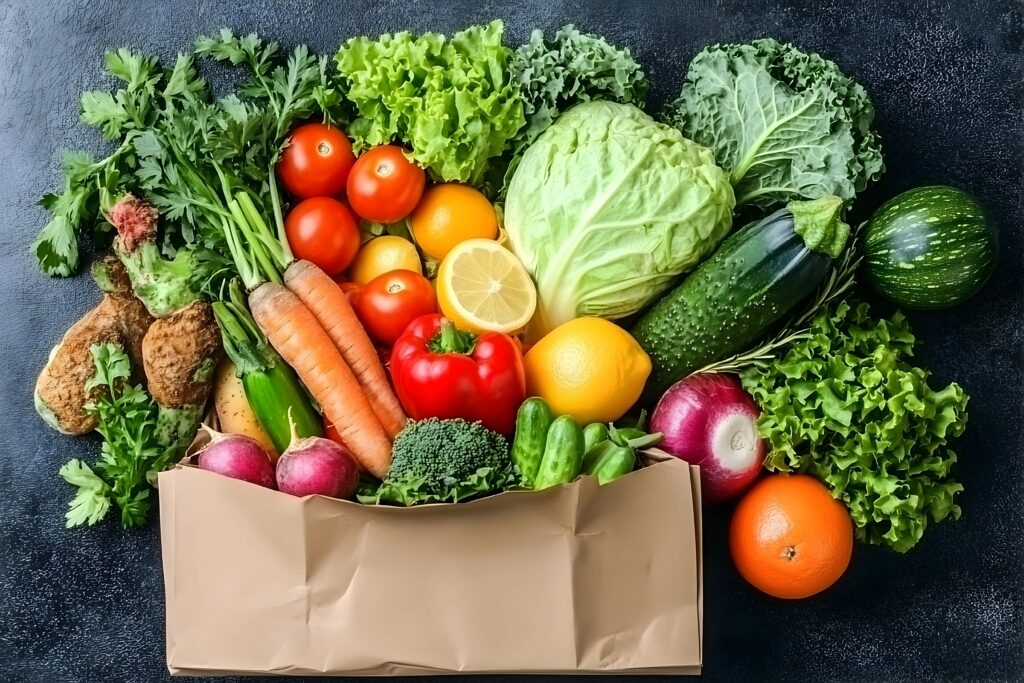
Good nutrition plays a vital role at every stage of the cancer journey, from easing treatment side effects to supporting recovery. Use these practical strategies suggested from an oncology nutritionist to help guide your approach.
Nutrition during and after treatment
While practicing healthy eating habits and staying active is important for every stage of life, they become increasingly important during cancer treatment. Maintaining your strength, decreasing the side effects of chemotherapy, and feeling good are all benefits of good nutrition and exercise. If you count a dietitian or nutritionist as part of your care team, it’s important to consult them prior to creating a schedule or grocery list—every body is unique!
Eating Well: A dietician and survivor shares her best nutrition tips
Focusing on nutrition gives cancer patients a greater sense of well-being and control. People who have been diagnosed with cancer, are in remission or are living with cancer have a lot on their minds – a nutrition may not be high on their list. Yet, nutrition can be a critical part of one’s cancer journey.
Jean LaMantia, a Toronto-based registered dietitian, and cancer survivor, recommends approaching nutrition in two phases:
- Phase 1: Nutrition that helps you get through your treatment
- Phase 2: Nutrition Post-treatment as a positive step to potentially prevent reoccurrence
Phase 1
“During my lymphoma treatment, I had severe nausea and vomiting, so I had to get strategic about what I could eat and what I could keep down.”
Jean LaMantia, Registered Dietitian and Cancer Survivor
Top Tips During Treatment
While you’re going through treatment, don’t worry about eating the PERFECT diet. LaMantia recommends taking this pressure off and simply eating in a way that helps you manage your side effects.
Eat cold and room temperature foods. They have less aroma and are less likely to trigger nausea
Plate food beautifully on a small plate to combat low appetite
Prioritize highly-nourishing foods, especially protein sources
Add extra calories to your meal with a drizzle of extra virgin olive oil
Phase 2
“After treatment, people who are in remission can experience a lot of anxiety, worrying about reoccurrence. Proactively doing your best to eat healthy foods that could lower your risk of recurrence can put your mind at ease. I find that it can be very empowering and can help you take back control.”
Jean LaMantia, Registered Dietitian and Cancer Survivor
Top Food Picks Post Treatment
Post-treatment, nutrition can play an important role in your recovery and healing.
According to LaMantia, the key is to focus on foods that are supportive of the immune system, anti-inflammatory, and proven to target cancer cells.
Mushrooms
Foods high in vitamin E (particularly wheat germ and almonds)
Garlic and onions
Spices including ginger and turmeric
Omega 3 fatty acids (found in fish like salmon, mackerel, rainbow trout, sardines, herring, and anchovies)
Cruciferous vegetables (broccoli, cabbage, brussels sprouts, cauliflower, and kale)
Berries
Whole grains (quinoa, wild rice, and whole grain pasta)
Protein foods (skinless poultry, yogurt, dried peas, beans, or lentils)
You have questions?
We have answers, practical advice, and support in our Post-Treatment Nutrition Workshop.
Let’s navigate this together
Join a community that understands. Receive expert advice, useful resources, and compassionate tips throughout your cancer journey in the LGFB newsletter.
Newsletter Form
LGFB Podcast: Facing Cancer Together
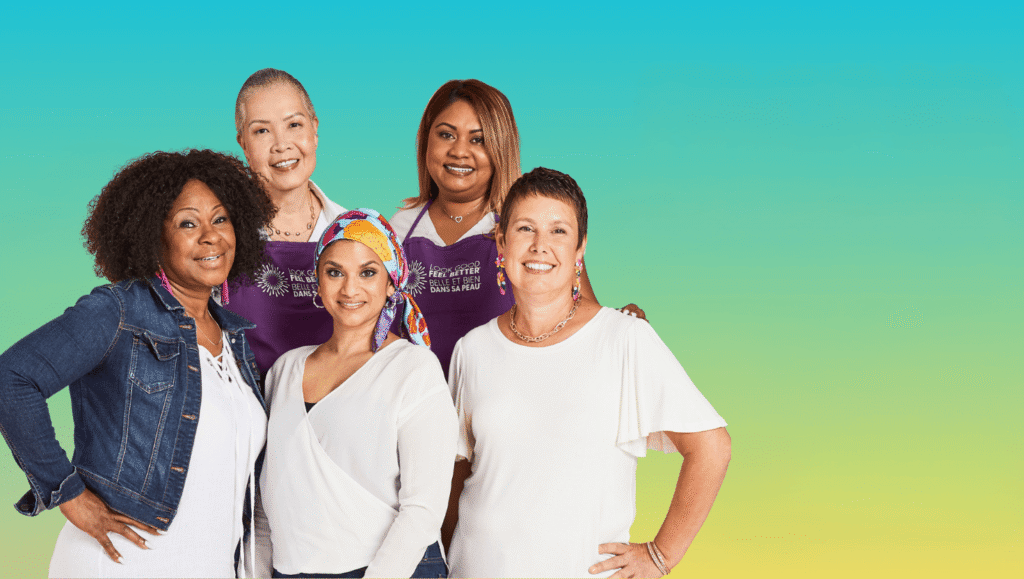
Support and insights for patients, loved ones, and care teams – all in one podcast. If your life is touched by cancer, the Facing Cancer Together podcast is for you.
Facing cancer doesn’t mean you are now only “the cancer patient”
So often, people in our workshops tell us that they need to feel seen, to feel understood and not feel alone. Please share the Facing Cancer Together podcast with anyone in your life facing a cancer diagnosis – or caring for someone who is.
Episode Guide
Sit Back, Relax, & Enjoy these informative episodes hosted by our very own Susan Larkin!
| Title | Description | |
|---|---|---|
| EP 0 | What is the Facing Together Podcast? | Introduction |
| EP 1 | You have cancer – Now What? | In our first episode, host Susan Larkin introduces some of the real voices you will hear throughout the series as they share the real deal about their own personal cancer experiences. Whether you are a patient, family, friends, or part of the health care team – we are – Facing Cancer Together. |
| EP 2 | This is Supposed to be Normal? | Hair loss. Brittle fingernails. Rashes. Stomach upset. Fatigue. Brain fog. Just a short list of the many side effects someone may have told you was “normal”. Dr. Margaret Fitch, Oncology Nurse professor and a leading researcher in psychosocial support in oncology explains how there is nothing normal about it. |
| EP 3 | Jules Whish on Living with Cancer | With advancement in treatments and greater understanding of the disease – there are people who are living with cancer. But what does that mean? Jules Whish joins us and shares how she is figuring it out as she goes – along with sharing on social media. Learn more about Jules Whish: https://www.heyjules.ca/ |
| EP 4 | Support Systems | What the heck is psychosocial support? It can be emotional support, spiritual, overall well-being, and even practical support. Dr. Margaret Fitch, Oncology Nurse, professor and a leading researcher in psychosocial support is back, talking about just how important these supports are. |
| EP 5 | Michelle Audoin is Living with Cancer | Navigating stage four cancer, facing cancer as a Black woman, grieving – and dried up raisins. Michelle Audoin is here to talk about it all – including how she ended up revealing more than she thought she ever would. |
| EP 6 | Navigating Nutrition | Going through treatment, there can be so many extra sources of stress – including food & nutrition. Hopefully listening to Registered Dietician Denise Gabrielson will help take some of that stress off your plate. |
| EP 7 | Brave, Fierce and Funny Part 1 | Anyone who names their own podcast “Women of Ill Repute” is not going to hold back. And Maureen Halloway and Wendy Mesley certainly do not hold back when it comes to sharing their cancer experience. |
| EP 8 | Brave, Fierce and Funny Part 2 | Radio broadcaster Maureen Halloway and television journalist Wendy Mesley are back – continuing the conversation about their cancer experience. |
| EP 9 | Unique Experiences | Everyone’s cancer experience is unique. In this episode, you’ll hear from Michelle Sylvain who is currently in treatment, then Denise Dmitruk on going through treatment as a nurse – and her most unusual pet. We finish with a male perspective from Michael Suba, who is looking back years later – and learning to trust his body again. |
| EP 10 | Talking to your Kids with Guest Audrey Guth | Often, a personal cancer experience can highlight gaps in the system. For Audrey Guth, it led her to helping mothers facing cancer and helping their children. In this episode, Audrey teaches us how to talk to kids about cancer. |
| EP 11 | How to Feel Like Yourself | The appearance-related impacts of cancer treatment can take a very serious toll on someone’s overall well-being. It’s not vanity. It’s about looking into a mirror, and not seeing the “Cancer Patient” – but instead seeing yourself. Dr. Margaret Fitch, and some of our other special guests, discuss why feeling like yourself does, in fact, make you feel better. Then, Andrea Galley talks about “Boobie Parties”, and body image post-surgery. |
| EP 12 | Back to Work / Back to “Normal”…Now What? | When treatment is done, people around you – including co-workers and bosses – may feel you are now “back to normal”. But side effects can last much longer after treatment ends. Dr. Christine Maheu and Maureen Parkinson, Co-Directors of Cancer and Work, will join us to share best practices. |
| EP 13 | You Are Not Alone | Throughout this podcast, you’ve heard people share their very personal stories and experiences around cancer. So many of them were nervous about being “interviewed”. When I asked them why they were doing it – they all said the same thing. They wanted to share their story to help someone else going through treatment, to know they are not alone. |
Let’s navigate this together
Join a community that understands. Receive expert advice, useful resources, and compassionate tips throughout your cancer journey in the LGFB newsletter.
Newsletter Form
Talking to Kids About Cancer Workshop
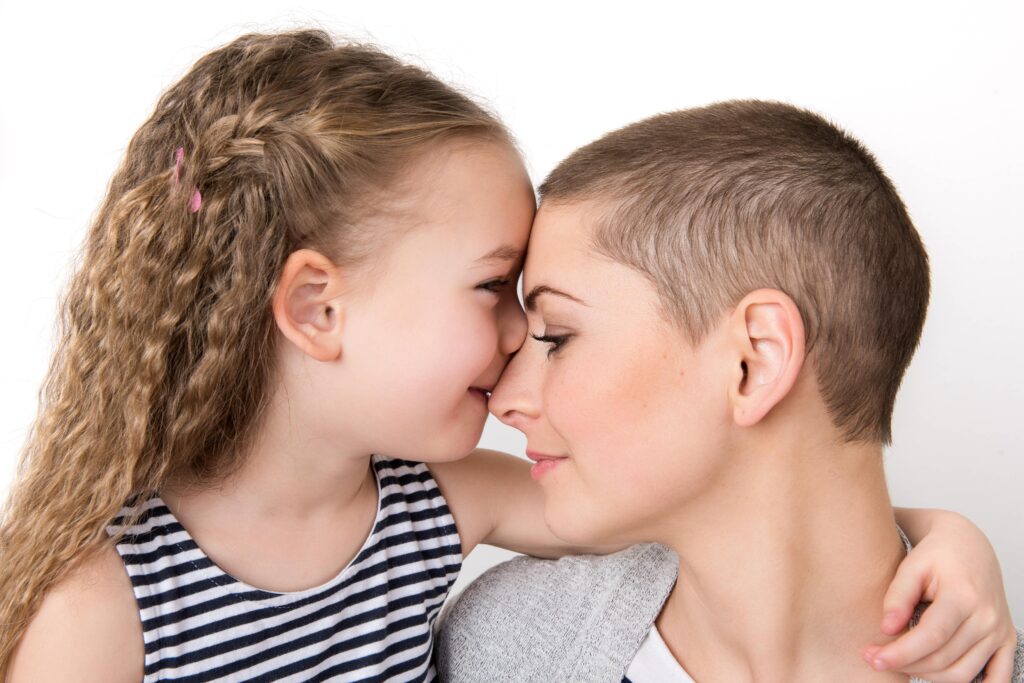
Talking to kids about cancer requires sensitivity and care. These conversations can feel overwhelming, but with the right approach, you can help children understand and cope in age-appropriate ways.
About this workshop
What you will learn:
Practical, age‑appropriate strategies to help you face tough conversations with confidence
How to share medical information clearly—what cancer is, why it happens, and what to expect—while creating a safe space for kids to ask questions, share feelings, and avoid misconceptions
Navigate Emotional Responses and the “Six Cs”
Understand how children at different developmental stages may react—whether preschoolers, school‑age kids , or teens —and how you can tailor your approach accordingly.
You’ll learn real phrases and tools to foster trust and emotional resilience.
What is cancer?
Did I cause it?
Will I catch it?
Who will care for me?
Can I be cured?
How do I stay connected?
This workshop is available Online
Join us!
- It is led by a NanKind Child-Life Specialist and delivered over Zoom. It is an hour and 15 minutes long.
- French translation is offered for French speakers.
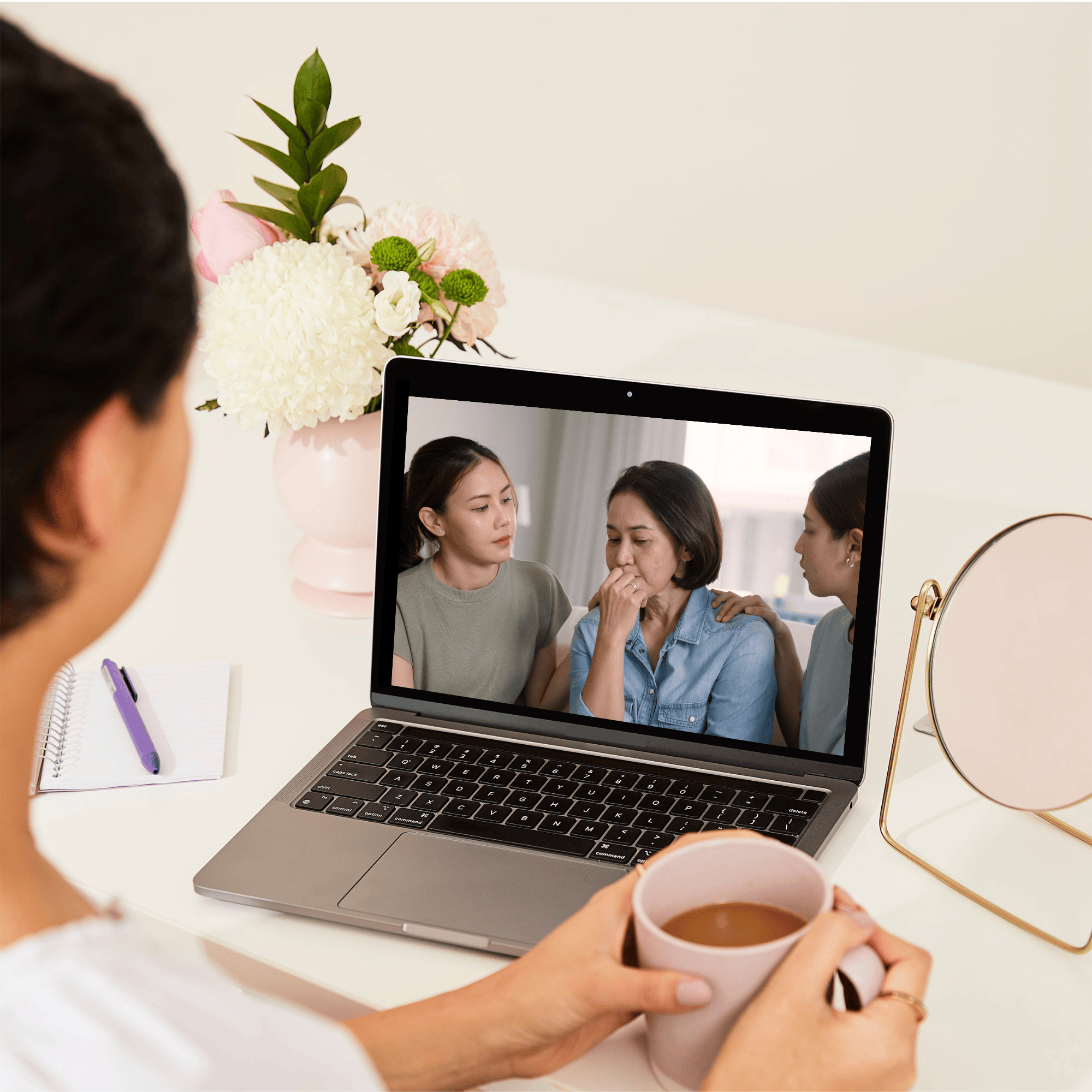
Who should attend this workshop?
- This workshop is ideal for parents, teachers, caregivers, coaches, or anyone who supports children emotionally – giving you the tools needed to approach these vital conversations with empathy and clarity.
Let’s navigate this together
Join a community that understands. Receive expert advice, useful resources, and compassionate tips throughout your cancer journey in the LGFB newsletter.
Newsletter Form
“I liked getting information that was specifically for teens and connecting with other people who understood what I was going through in the teen workshop.”
Maddie W., Workshop Participant
Prefer direct information from a professional?
Try one of our workshops today!
Let’s navigate this together
Join a community that understands. Receive expert advice, useful resources, and compassionate tips throughout your cancer journey in the LGFB newsletter.
Newsletter Form
“I didn’t expect that my most visible side effects would be changes to my skin. I’m not fussy about how I look, but I didn’t like how other people reacted. My faced LOOKED painful. I appreciated getting some tips on how to calm my dry, irritated skin and not have my scalp hurt as much. These resources and the workshop were helpful.”
Marc W., Workshop Participant
Prefer direct information from a professional?
Try one of our workshops today!
Let’s navigate this together
Join a community that understands. Receive expert advice, useful resources, and compassionate tips throughout your cancer journey in the LGFB newsletter.
Newsletter Form
“I didn’t want to invest in a wig but after reviewing these resources and attending the LGFB Hair, Wigs & Scarves workshop, I changed my mind. It will be a good option to improve my self image and look and feel better. Now I’m in the process of buying one. Thanks!”
Linda G., Workshop Participant
Prefer direct information from a professional?
Try one of our workshops today!
Let’s navigate this together
Join a community that understands. Receive expert advice, useful resources, and compassionate tips throughout your cancer journey in the LGFB newsletter.
Newsletter Form
” There’s lots of great information. I feel as though the questions I had were answered before I even had a chance to ask them. I’m not happy about the changes to my body, but I am accepting them, and I appreciate the tips and support to help me deal with this.”
- Kathryn R, Workshop Participant
Prefer direct information from a professional?
Try our Bras & Prostheses Workshop today!
Let’s navigate this together
Join a community that understands. Receive expert advice, useful resources, and compassionate tips throughout your cancer journey in the LGFB newsletter.