
Living through breast cancer and attending a Look Good Feel Better (LGFB) workshop didn’t just impact me – they completely changed the course of my life.
I’ve always wanted to have a job that was in service of people, and to be able to be the bright spot in someone’s day. Last year, in my 50s, as a grandmother of four, I finally did it — nearly a decade after my initial breast cancer diagnosis. I reinvented myself. I quit my job, graduated from an aesthetics program, and started my own business.
Through my business, I offer facials and non-invasive treatments. I always include a facial massage, too. I want to give every single client a deeply relaxing, restorative experience.
The skincare and spa parts of my business were directly inspired by my journey with cancer and LGFB. When I was going through cancer, my skin was a mess. I didn’t feel beautiful or like myself. And I was starved for touch.
There were days I was in the hospital for my treatment and surgery when there was no personal touch – just doctors in and out, surgeons, and stitches. But there was nobody there to wash my back or clean my face. That impacted me quite a bit and left a mark. I was deeply inspired by my own unmet need for gentle, healing touch during treatment.
Now, through my facials, I can offer that same healing touch to others. Touch offers real connection and emotional healing. Just yesterday, a woman told me, “That was better than therapy!” I love that part of my work. I just want to be the best part of someone’s day. And I truly believe that touch is transformative – especially for women and moms. We’re always giving, always putting other people first. We need to receive, too. Seniors, single women, people experiencing illness – there’s a lot of loneliness out there, and caring touch can make all the difference.
Alongside starting my business, I’ve also begun to volunteer. I remember watching hospital volunteers during my treatment and seeing the positive impact they had. I felt the same attending an LGFB workshop. I always thought, “Wouldn’t it be nice to have the time to be able to volunteer?” But I was a single mother of five, and at that point in my life, there just wasn’t time.
Now that my youngest is off to university, I can finally give back. I’ve been volunteering at LGFB’s workshops in Kitchener-Waterloo, and I love it. It feels like such a full-circle moment. I was once sitting in that LGFB chair, and now I’m guiding others through the same transformation. It’s essentially a makeover in an hour. People arrive with slumped shoulders, feeling uncertain and tired. By the end of the workshop, they’re transformed. They’re happy, they’re refreshed. They’re making plans together. They feel like their old selves again. It’s so rewarding to see that. And I love teaching because these lessons are invaluable. I still use the eyebrow technique I learned 10 years ago at my LGFB session!
Through volunteering and running my business, I feel that I’m helping to redefine beauty and aging. After treatment, my hair grew back completely grey – and although it felt too soon to be grey, I embraced it. In fact, I got more compliments on my grey hair than I ever got on my brown hair. My greys, my scars – I embrace it all. I’m in the second act of my life, and it’s pretty amazing. I want to uplift other women going through similar changes.
In this family of five sisters, the year 2025 will be marked by an unexpected and deeply shared experience. In the space of just a few months, three of them — Claudette, Ginette and Danielle — were diagnosed with breast cancer. Three different life paths, three different ages, but the same challenge that further strengthened their already solid bond.
Claudette, the eldest of the family, is 71 years old. In June 2025, her doctor informs her that the cancer that first appeared in 1993 has returned. This time, the tumour is rare and located in the nipple. Unfortunately, Claudette is no stranger to the disease: this diagnosis marks her fifth bout with cancer. Over the years, she has already battled three breast cancers, undergone a hysterectomy and been treated for a bladder tumour. She will face this new challenge with the experience and determination of someone who has already weathered several storms.
A month later, in July 2025, it is 66-year-old Ginette’s turn to receive the same news. For her, too, it is a recurrence. Her first breast cancer dates back to 1998. This time, she chooses a radical approach: even though only one breast is affected, she asks for both to be removed to avoid any future risk. She undergoes a total mastectomy in the autumn.
The youngest of the three sisters, 62-year-old Danielle, was actually the first to receive her diagnosis, in January 2025. On 7 March, she underwent a mastectomy of her right breast with reconstruction. Danielle is the youngest in the clan. “There are five girls in the family,” she explains. “And luckily, the other two are doing well.” Despite the difficulty of the situation, the three sisters find comfort in being able to go through this period together.
Amidst medical appointments and treatments, a simple initiative offered them a moment of respite and sharing. Danielle, who was already taking yoga classes at La Maison Main…Tenir L’espoir, heard about Look Good Feel Better. Intrigued, she decided to sign up and told her sisters about it. They liked the idea and chose to participate together.
For Claudette, this wasn’t her first experience of this kind. She had already attended a similar workshop in 1993 in Montreal. However, the workshop in Trois-Rivières was particularly touching for her, as she participated with her sisters. Ginette also attended a LGFB workshop on her own when she was first diagnosed in 1998.
As soon as they arrived, the three sisters rediscovered something precious: the joy of being together. “We don’t see each other often, so it was good for us,” says Danielle. The atmosphere quickly became friendly and filled with laughter.
The volunteers took the time to patiently and attentively guide each participant through simple personal care techniques: learning how to apply foundation, use concealer or redraw eyebrows. For some participants, these were new techniques to discover. For others, like Ginette, it was an opportunity to revisit advice she had received nearly thirty years earlier.
Claudette, for her part, is particularly concerned about her eyebrows, which she has lost. She feels unskilled at redrawing them and makes the group laugh when she jokes that she was afraid of looking like a clown. In a room with about eight women, each story is different, but they all share the same need for listening and support.
Danielle particularly appreciates the aspect of sharing and solidarity. Even if she does not necessarily use all the techniques she has learned, she values the advice she receives and the exchanges with the other participants. The conversations naturally broaden to include discussions about treatments, concerns, and everyday life.
For Danielle, these workshops play an essential role. “They give us hope and encourage us to take care of ourselves,” she explains. “Even when you’re going through illness, you can still take time for yourself.”
Beyond beauty tips, the three sisters have found a space where they feel understood. A place where they can talk freely, ask questions and meet other people who are going through the same thing. Danielle has also attended other workshops offered by LGFB and enjoys receiving their newsletter. She also wants to encourage her sisters to explore the various online workshops.
Today, they have agreed to share their story with one simple goal in mind: that their experience may be of use to others.
Three sisters, three journeys, one emotional year. But also three women who chose to go through this together—with courage, solidarity… and sometimes even a little humour, in front of a mirror, trying to draw the “perfect” eyebrow.
A dermatologist isn’t one of the specialists you necessarily think you’ll need during and after cancer treatment. However, advances in treatments have made skin-related conditions very common.
We’ve asked one of Canada’s top Onco-Dermatologists, Dr. Maxwell Sauder, for the latest supportive information to help patients reduce and relieve the side effects they are experiencing.
Here are his recommendations for caring for your skin, scalp and nails during treatment and beyond.
Dr. Sauder is a board-certified dermatologist in Canada (FRCPC) and the United States (DABD) with additional fellowship training in cutaneous oncology. He is a former faculty member of Harvard Medical School where he focused on skin toxicities of anti-cancer treatments (STATs). He is currently an onco-dermatologist at Princess Margaret Cancer Centre where he assists in the management of complex cutaneous malignancies and STATs. He also practices at Toronto Dermatology Centre where he is the director of the Pigmented Lesion Clinic that uses cutting edge artificial intelligence technology to identify and manage skin cancers or precancerous lesions at the earliest possible stage.
Watch Our Conversation with Dr. Sauder



Psychosocial Support
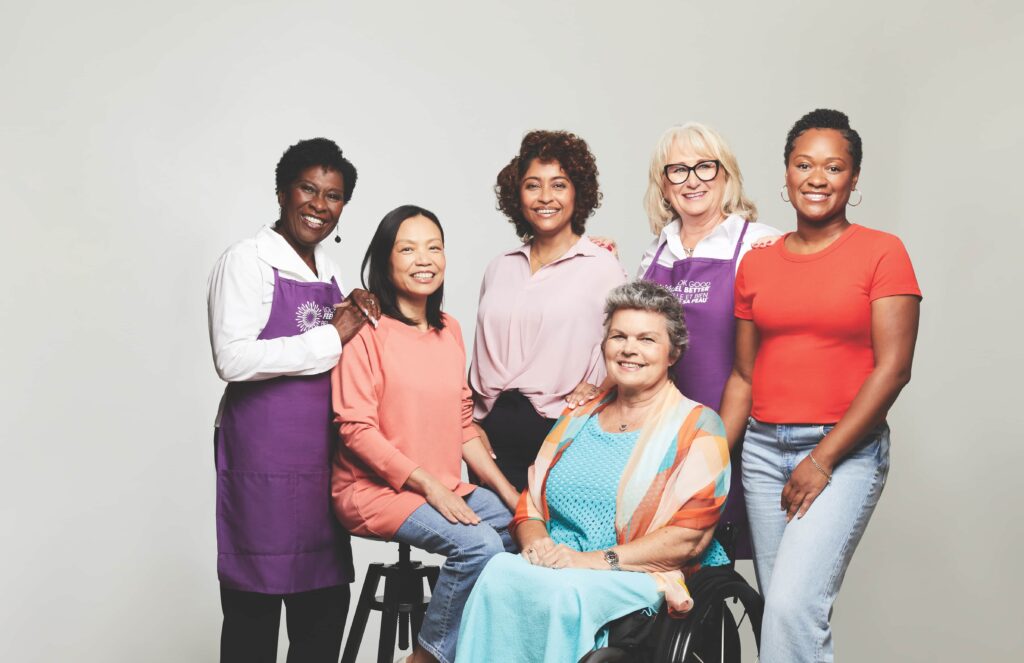
Look Good Feel Better is here for you with emotional, social and practical supports and resources.
We’re here when you need us
At Look Good Feel Better, we know that cancer doesn’t just affect the physical body. We support the whole person, addressing the emotional, psychological, and social well-being of you and your family.
Our workshops are run by caring, knowledgeable volunteers with expertise in their topics. Our resources offer practical advice and address topics that aren’t always covered by medical teams.
Whether you want to join one of our workshops, have questions at 4am (when the rest of your support system is asleep), or you want to connect with someone who understands what you are going through, know that we see you and will support you, no matter where you are in your cancer journey.
What we offer:
Caring, non-judgemental workshops that address the physical and emotional side-effects of cancer treatment (available in-person and online)
A supportive community that appreciates that every person is unique but also shares some understanding of what you’re experiencing
Practical resources and tips, whether you are pre-treatment, in-treatment, post-treatment or living with cancer
Access to our programming, no matter where you live. We are here for all Canadians
We’re here for you.
Find support, expertise, and practical tips in our workshops.
Let’s navigate this together
Join a community that understands. Receive expert advice, useful resources, and compassionate tips throughout your cancer journey in the LGFB newsletter.
Newsletter Form
Cancer Support Resources
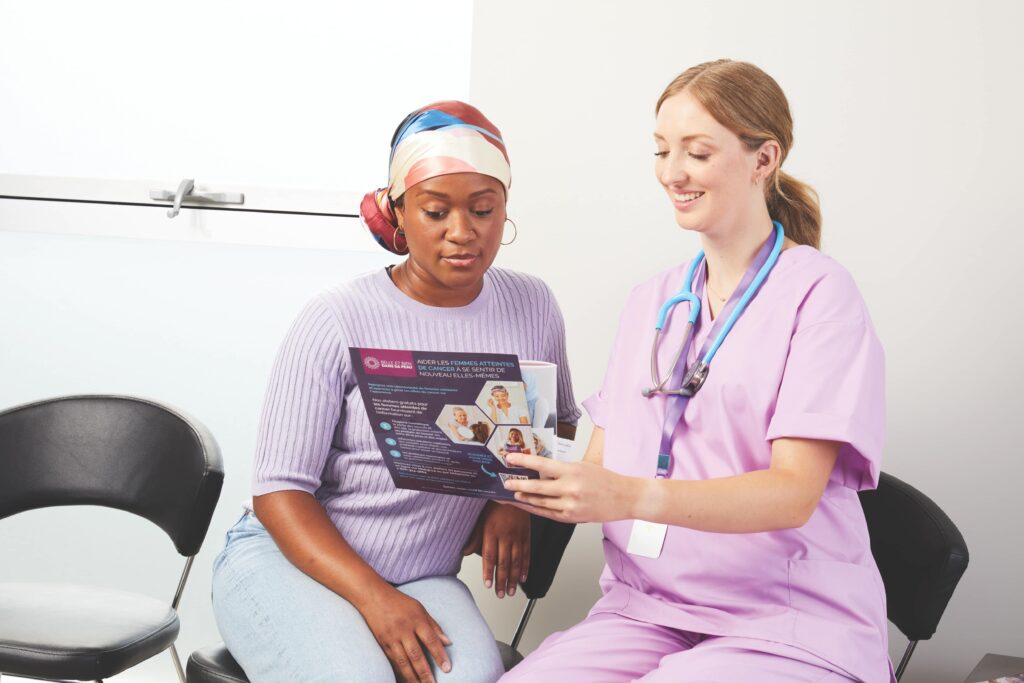
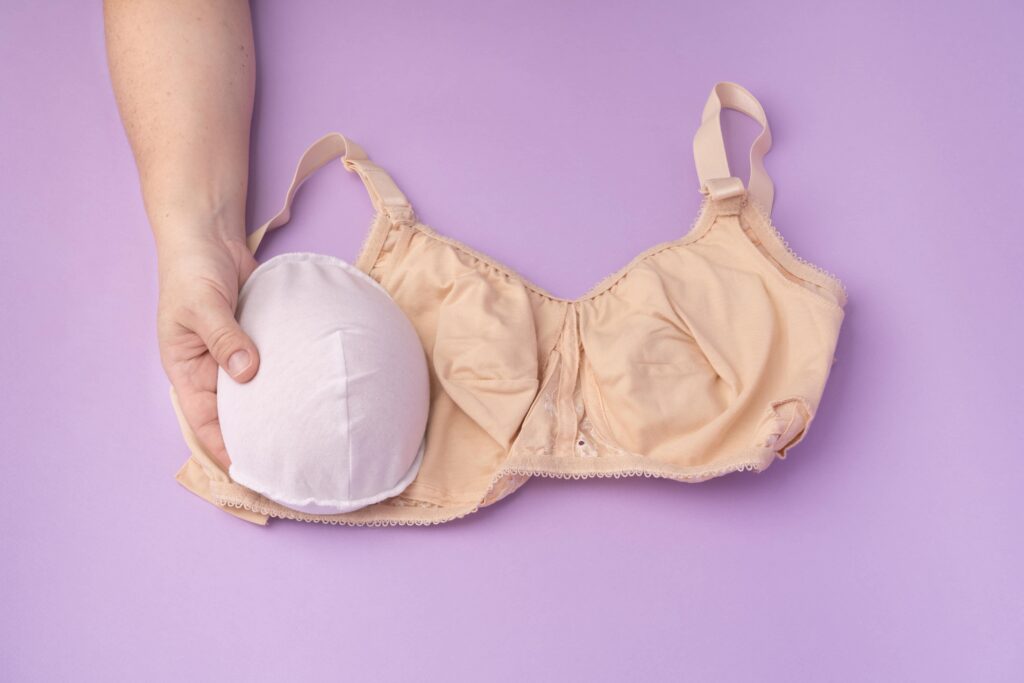
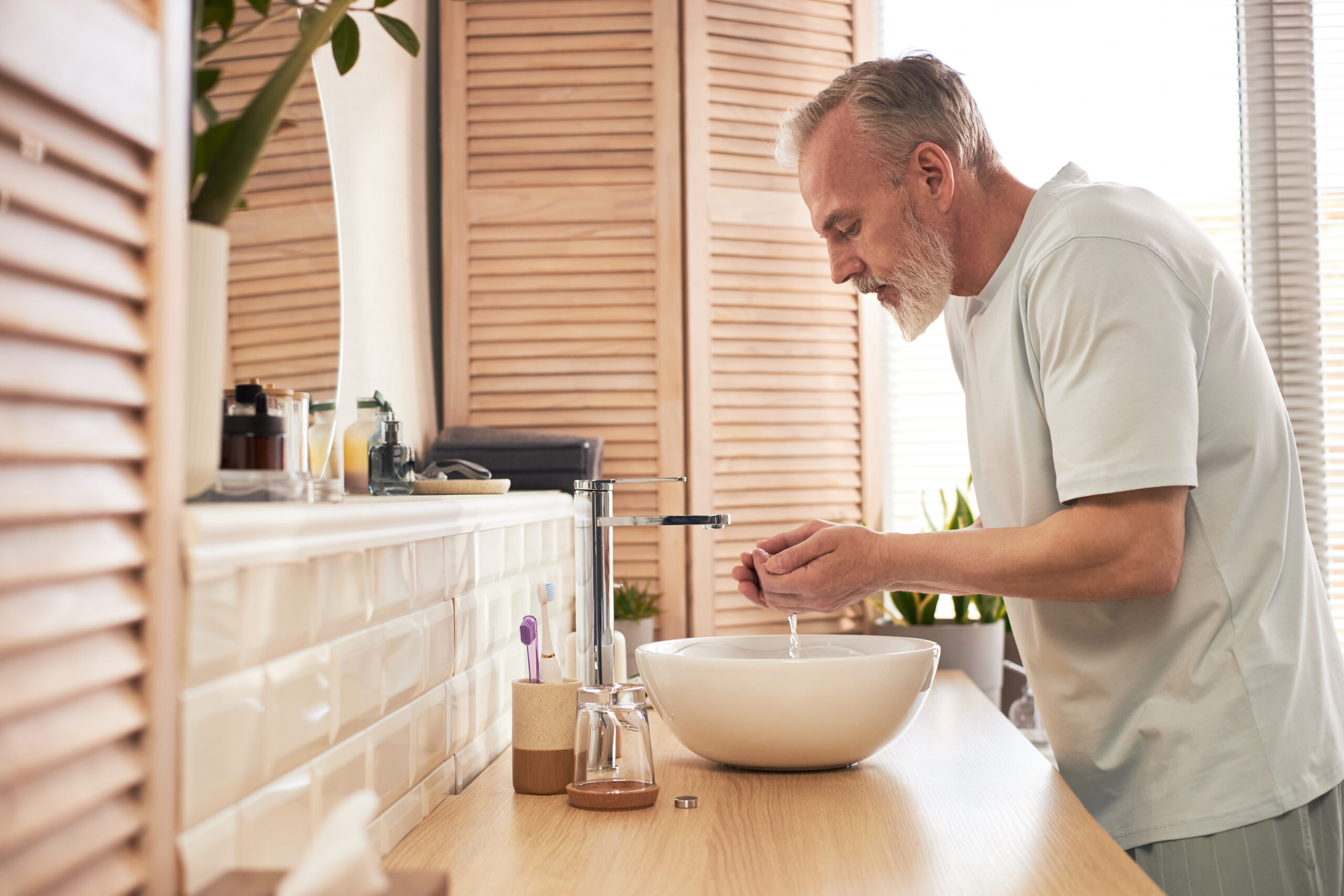
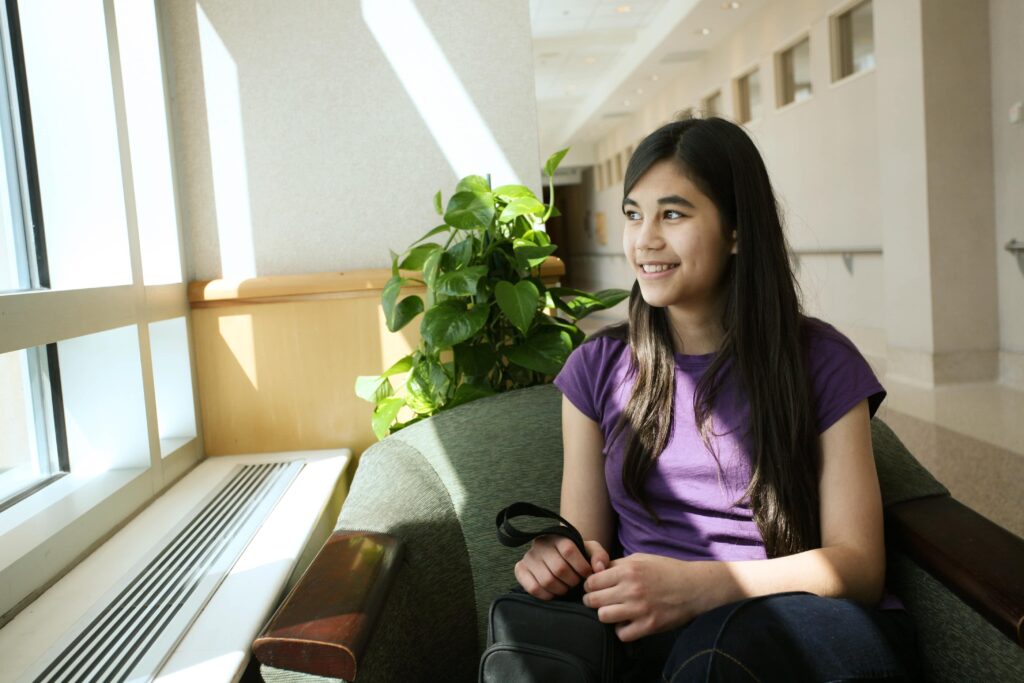
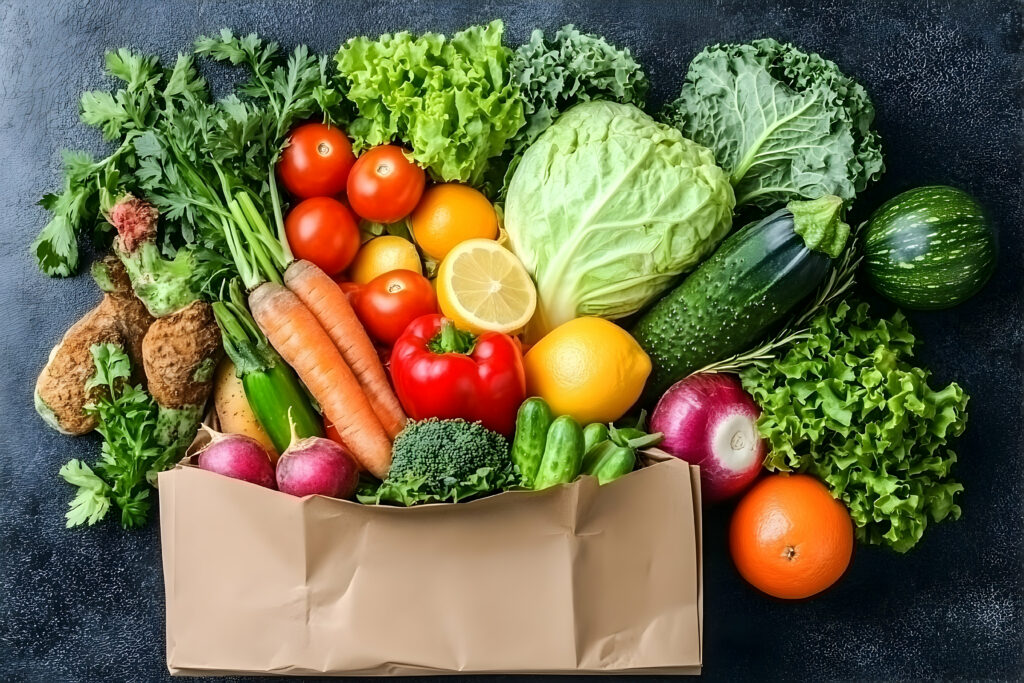
Look Good Feel Better offers free cancer support resources for the whole person—covering breast care, caregiver support, men’s programs, nutrition, and psychosocial well-being. From skincare and makeup tips to mindfulness, hair, wigs, and teen workshops, our resources empower confidence before, during and after treatment.
LGFB strives to provide you with important information through Supportive Workshops & Helpful Resources.
Take a look through our can cancer support resources to discover helpful tips, tricks, and techniques that will give you confidence and knowledge through your cancer journey.
Resources by Topic
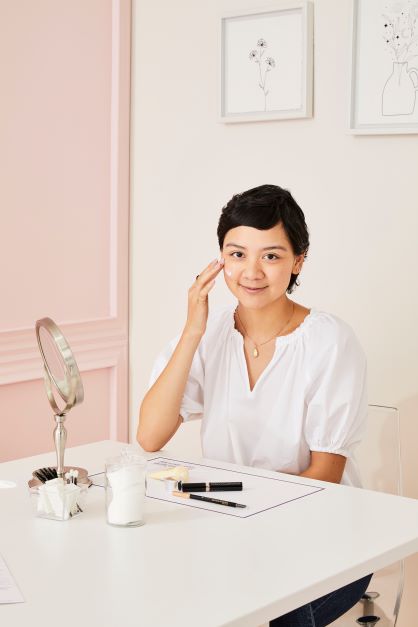
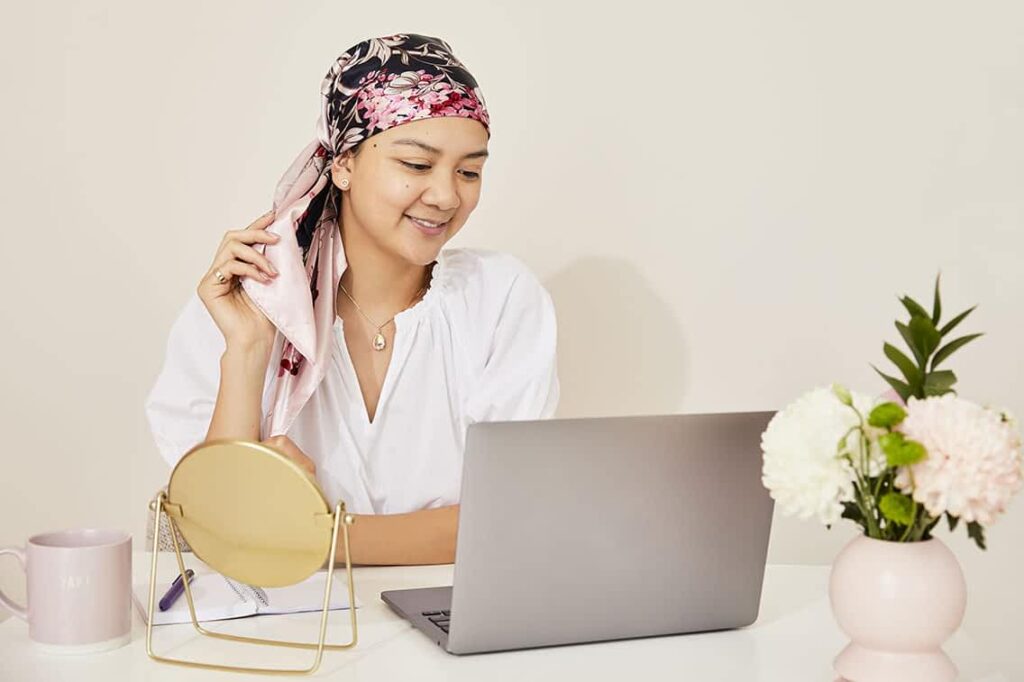
Additional Resources to Explore
Let’s navigate this together
Join a community that understands. Receive expert advice, useful resources, and compassionate tips throughout your cancer journey in the LGFB newsletter.
Newsletter Form
Cancer-Related Fatigue Workshop
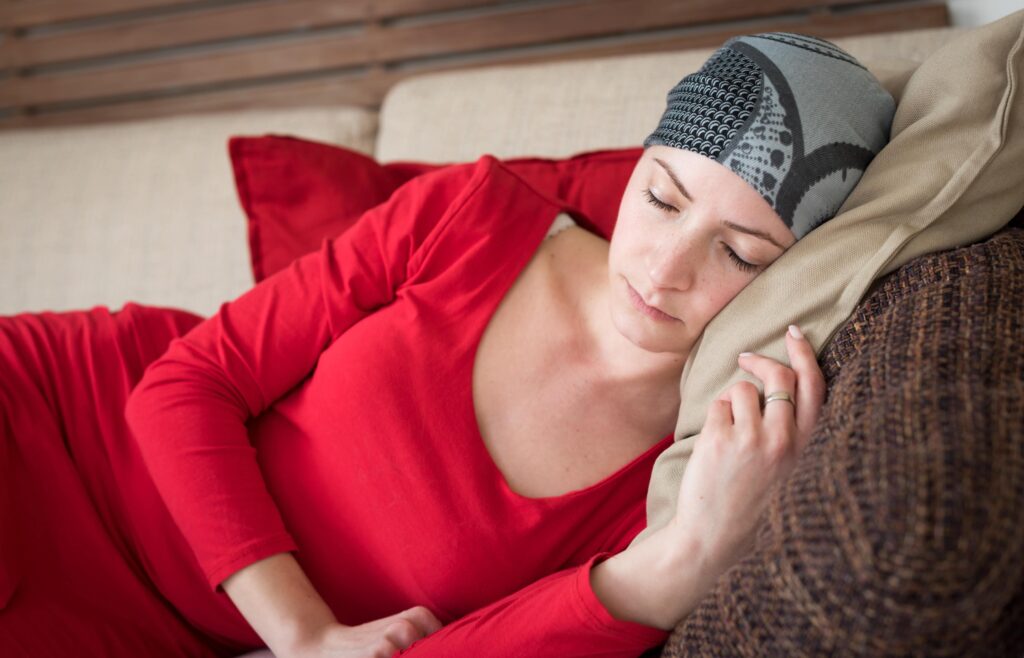
Cancer-related fatigue is one of the most common and overwhelming side effects of treatment. It can continue well after treatment has ended. In this workshop, Dr. Scott Adams shares practical strategies and the latest best practices to help manage fatigue and rebuild energy.
About this Workshop
The information and dialogues are designed to help you understand:
What cancer-related fatigue is, and how it differs from everyday tiredness
The main causes of fatigue during and after treatment
How movement and exercise therapy can support recovery by improving strength, aerobic efficiency, and energy use
Best practices from cancer fatigue programs, including the role of cardiopulmonary exercise testing (CPET)
Practical pacing and self-monitoring strategies to manage fatigue safely
How to access support from physiotherapists and rehab professionals
Topics Covered in Cancer-Related Fatigue include:
Energy pacing and the “boom-bust” cycle
Self-monitoring tools (talk test, fatigue logs, perceived effort)
Examples of safe starting points for movement (including for those with severe fatigue)
How strength and aerobic conditioning support daily life recovery
Navigating referrals and accessing rehab supports
This workshop is available ONLINE
Join us!
- This workshop delivered via a Q&A with our health professional.
- It is roughly an hour and fifteen (1:15) minutes in length and is delivered over Zoom.
- Be sure to add your questions on the registration form.
Who should attend this workshop?
- Individuals who are currently in treatment.
- Individuals who are post-treatment, but still may be experiencing side-effects impacting fatigue or energy levels.
- Anyone interested in fatigue-related concerns wherever people are in their cancer continuum.
Let’s navigate this together
Join a community that understands. Receive expert advice, useful resources, and compassionate tips throughout your cancer journey in the LGFB newsletter.
Newsletter Form
Cleansing and Moisturizing
Skincare Ingredients and Treatments
We’re here for you.
Find more support and connect with experts in our Skincare & Makeup Workshop.
Let’s navigate this together
Join a community that understands. Receive expert advice, useful resources, and compassionate tips throughout your cancer journey in the LGFB newsletter.
Newsletter Form
Preparing for Hair Loss
During Hair Loss
We’re here for you.
Find community and practical advice in our Wigs & Scarves workshop.
Let’s navigate this together
Join a community that understands. Receive expert advice, useful resources, and compassionate tips throughout your cancer journey in the LGFB newsletter.
Newsletter Form
Nail and Hand Care
Let’s navigate this together
Join a community that understands. Receive expert advice, useful resources, and compassionate tips throughout your cancer journey in the LGFB newsletter.
Newsletter Form
When I first started experiencing unusual symptoms – constipation, bloating, heartburn, abdominal pain – in the summer of 2024, my first instinct was to put pen to paper. I drew a diagram of my body and wrote down all the things I’d been feeling. That’s the art therapist in me. When I showed the illustration to my doctor, she immediately recognized the signs of ovarian cancer. A CT scan revealed a large tumour over my right ovary, confirming her suspicions. I was completely shocked and devastated.
My career as a clinical counsellor and art therapist with preteens and teenagers abruptly stopped when I was diagnosed. It was such positive and enjoyable work. And not only did I have to leave my private practice, I had to stop doing things that gave me pleasure and joy in life.
I love being active: Zumba, belly dancing, strength training, circuit training. I also enjoy cooking wonderful food and travelling. But quite suddenly, my life was now filled with endless medical appointments. Testing, scans, blood work, chemotherapy, surgeries. It was surreal.
With my psychology background, I knew I had to look after the other parts of myself. The physical was being cared for. What about my emotional self, my sense of self, and my need for connection?
It had seemed that all the joyful activities in my life had come to a halt, but I was able to resurrect some activities that I hadn’t done in a while – things that I could go back to. Those included reading and art. I love art, especially drawing and painting with watercolours, and it has always been my resource during the tough times in life. It’s a wonderful outlet for sorrow and other emotions that need to be released.
I had no words for what was happening to me, and so I started to draw. I drew myself sitting in the middle of a tsunami wave – the tsunami of grief after diagnosis. I painted myself at nighttime in a jungle, with moonlight pouring down – standing in the garden of hope. I created more and more art, navigating the back and forth between despair and hopefulness.
I also talked with my caring partner, Bill. I cried a lot. I got a counsellor. I connected with friends. And I found community. When I first heard about Look Good Feel Better (LGFB), from a woman in the cosmetics department at Shoppers Drug Mart, a little spark went off. I signed up right away. At the workshop, I was amazed by how supportive it felt to be in a space with other women who I could relate to. I wasn’t alone – we were all going through it. The workshop was so informative, helpful, positive, and uplifting – something I dearly needed. And with my body having surrendered to all the necessary medical procedures, learning how to use makeup to my advantage was a way to take back my sense of dignity and to connect with my femininity.
LGFB brought me a respite from my sorrow and loss. It was a bright light, bringing a sense of community and breaking the isolation I was feeling – just like my art. Body, mind, and spirit are all integrated parts of us, and throughout my cancer journey, what really needed tending was my emotional side. It was stormy and intense – it needed to be expressed. We don’t have to be positive and brave all the time.
I can’t control everything, but I can control how I care for myself. Eating well, staying connected, and doing things I enjoy – reading, creativity – have made all the difference.