
Preparing for Hair Loss
During Hair Loss
We’re here for you.
Find community and practical advice in our Wigs & Scarves workshop.
Let’s navigate this together
Join a community that understands. Receive expert advice, useful resources, and compassionate tips throughout your cancer journey in the LGFB newsletter.
Newsletter Form
Understanding Your Wig Options
Choosing & Purchasing a Wig
Wig Fitting and Comfort
Managing Wig Comfort Issues
Styling and Customization
Caring for a Wig
We’re here for you.
Find community and practical advice in our Wigs & Scarves workshop.
Let’s navigate this together
Join a community that understands. Receive expert advice, useful resources, and compassionate tips throughout your cancer journey in the LGFB newsletter.
Newsletter Form
Let’s Listen
Dr. Deanne Simms, Clinical Psychologist will speak to the mental health benefits of managing appearance during cancer, the impact of the loss of control and the connection between hair and identity, specifically for BIPOC women.
Dianne Austin, Cancer Survivor and Entrepreneur, will then share her story of how her personal experience has led her to create a social enterprise to meet gaps in supporting Black women facing hair loss.
Discussions with Dr. Deanne Simms & Dianne Austin
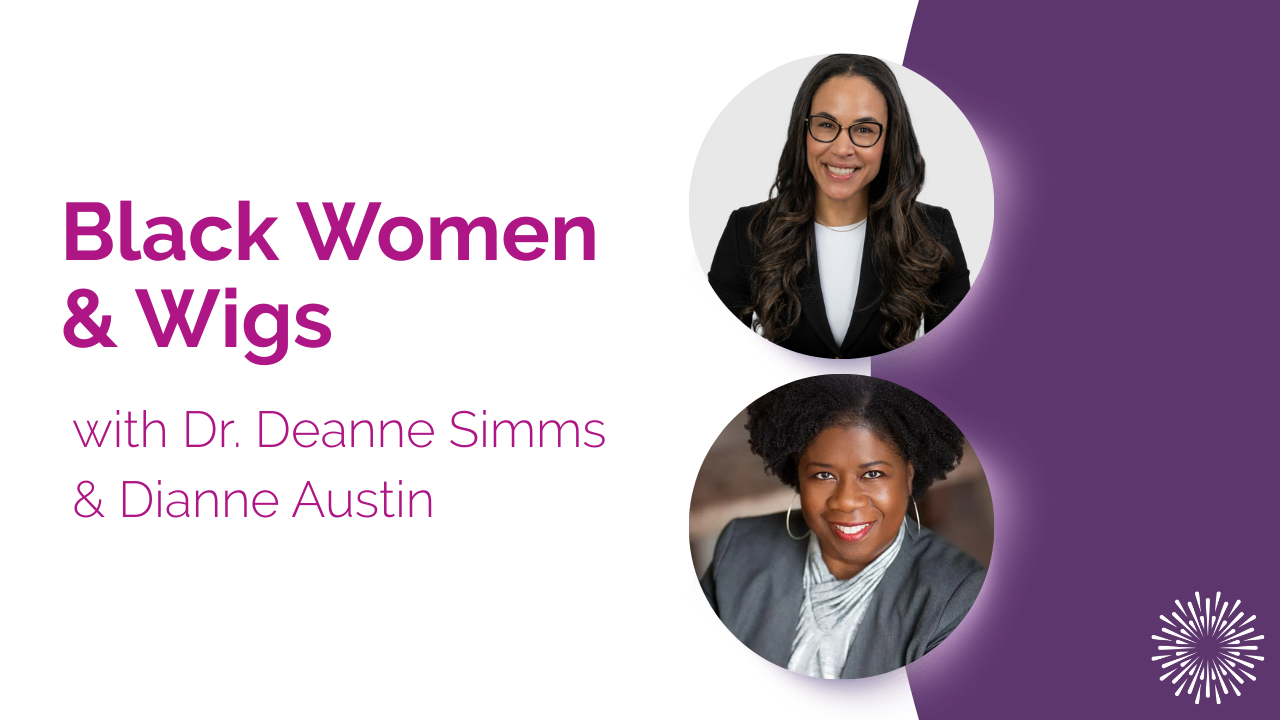
Our Speakers
Dr. Deanne Simms
President and CEO, ThriveSpace Health and Wellness
Dr. Simms is a senior Clinical Health Psychologist who has a well-established career providing specialized care for children, adolescents and adults with complex mental and physical health challenges or conditions. In her work, Dr. Simms works collaboratively with her clients while utilizing evidence-based, cognitive behavioral interventions within a measurement-based care framework. In her work ranging from primary to tertiary care settings across 4 Canadian provinces, Dr. Simms has worked to build and evaluate evidence-based practices and programs. Dr. Simms strives to support the health and well-being of the individuals she works with, while enhancing and improving service delivery in both the private and public health sectors.
Dr. Simms is a passionate leader whose responsibilities have extended to provincial and national health leadership. Dr. Simms is an innovator who drives change, and is a sought-after consultant for system-level projects. Using her scientific background, combined with her dedication to enhancing and extending health service delivery, Dr. Simms contributes meaningfully to boards, steering committees, working groups and initiatives aimed at transforming the health care landscape through disruptive, data-driven innovation. Dr. Simms is the President and CEO of ThriveSpace Health and Wellness, a company which focuses on delivering and enhancing digital health services. In this space, Dr. Simms consults with individuals, clinicians, organizations and health systems to augment and enhance service delivery. Dr. Simms is passionate about ensuring individuals everywhere can access the right care, at the right time, in the way that most suits their needs.
Dianne Austin
Co-founder and CEO of Coils to Locs
Dianne Austin, B.S. is the co-founder and CEO of the startup, Coils to Locs, a direct to hospital distributor of high-quality coily, curly hair prosthesis (wigs) for Black women or any woman with highly textured hair. Coils to Locs is at the forefront of addressing an unrecognized health care disparity that impacts Black women experiencing chemotherapy-related hair loss: The lack of coily, curly wigs that are available at cancer centers in the U.S. that can be purchased with health insurance reimbursement.
A five-year breast cancer survivor and thriver, Dianne is passionate about healthcare equity issues given her personal experiences and that of family and friends within the healthcare system.
Let’s navigate this together
Join a community that understands. Receive expert advice, useful resources, and compassionate tips throughout your cancer journey in the LGFB newsletter.
Newsletter Form
“I didn’t want to invest in a wig but after reviewing these resources and attending the LGFB Hair, Wigs & Scarves workshop, I changed my mind. It will be a good option to improve my self image and look and feel better. Now I’m in the process of buying one. Thanks!”
Linda G., Workshop Participant
Prefer direct information from a professional?
Try one of our workshops today!
Let’s navigate this together
Join a community that understands. Receive expert advice, useful resources, and compassionate tips throughout your cancer journey in the LGFB newsletter.
Newsletter Form
Teens Workshop
Dealing with cancer is hard. Figure out what works for you during treatment, from gentle skincare routines and makeup hygiene to cute head wrap styles, wigs and nails. Learn all these things, plus meet other teens with cancer, in a space that gets what you’re going through.
About this Workshop
Our online workshop is pretty unique and catered to teens with cancer. It’s a space where you don’t have to explain yourself, or your cancer. No one’s cancer experience is the same, but everyone will have some idea of what you’re going through.
How it works and what you will learn:
Learn skincare, makeup and sun care tricks and tips to help your sensitive skin heal and look its best during treatment
Get expert advice on managing treatment side effects like dryness, discolouration, and dreaded acne
Explore creative, cute, and cool styles for hats, wraps, wigs, scarves, and other hair alternatives
Get a free kit full of awesome skincare and makeup products that are OK to use during treatment
Even it’s ultimately not your thing, do it for the plot
A new theme – and new makeup – every time
Just because we’re talking about how to deal with side-effects to your skin and hair, it doesn’t mean that we can’t have fun with it. Each session covers a new look so you can lean into your artistic side or just change up the basics to help you feel more like yourself.

Holiday Classics: Effortless Skin & Bold Red Lip
Thursday, December 3rd
Wrap up the year with a modern classic. Learn simple techniques to keep skin fresh, eyes softly defined, and lips bold and bright. Choose your finish—sheer, satin, or gloss—and let your red lip shine.
Who can attend?
This workshop welcome teens aged 13 to 17 who are currently facing cancer or have completed treatment in the past year.
A bit older or younger and want to attend? Send us an email at [email protected]
Hang out. Have fun. Repeat.
What if you take our workshop, enjoy it, and want to come to another one? That happens a lot! As long as spots are available, we’d love to you to have you back for another one.
Each session has a new make-up theme AND it’s a great way to build friendships over time!
Come hang out with people who kind of understand what you’re going through!
Register for our Teens Workshop today!
Let’s navigate this together
Join a community that understands. Receive expert advice, useful resources, and compassionate tips throughout your cancer journey in the LGFB newsletter.
Newsletter Form
Shaving & Men’s Skincare Workshop

Physical side effects sometimes catch us by surprise. Cancer treatment can bring unexpected changes to your appearance—dry, discoloured skin, hair loss, irritation from shaving, nail changes — but that doesn’t mean you have to just put up with them.
Real advice in a supportive setting
Our Look Good Feel Better Shaving & Men’s Skincare Workshop is designed to help you take control of these changes with a simple, effective skincare regimen and shaving and grooming techniques tailored specifically for men facing cancer.
This free workshop is offered both online and in person at select locations and is held in a comfortable, supportive setting. You can listen, learn, and participate as much—or as little—as you’d like. Participants also receive a complimentary kit of men’s skincare and shaving products to try before and during treatment.
About the Shaving & Men's Skincare Workshop
Even if you’ve never paid much attention to your facial skin before, small changes can make a big difference in how you look and feel. In this session, we’ll cover:
Managing hair loss – What to expect, how to care for your scalp, and what happens when hair grows back
Caring for skin during treatment – Avoid dry, irritated or painful skin with a simple routine that take just a few minutes a day
Shaving with less irritation – Pros and cons of using a regular razor vs an electric razor during treatment and how to shave your face (or scalp) safely when your skin is more sensitive.
Protecting your skin from the sun – We’ll share simple ways to guard sensitive skin from the sun during and after treatment.
Who is the Shaving & Men’s Skincare workshop for?
This session is ideal for:
- Men who are currently undergoing cancer treatment or have completed treatment in the past year
- Anyone facing cancer who would like support around these specific appearance-related side effects
Maybe you didn’t sign up for this workshop…
and someone who cares about you did it on your behalf. You’re not alone. If you’re here because a loved one suggested it, take that as a sign of their support.

A no-pressure, practical approach
Prefer to stay in the background?
No problem! No matter if you’re attending online or in person, you can simply listen and absorb the tips at your own pace, and try them out whenever it suits you.
Whether you’re here for men’s skincare advice, scalp care, guidance on hair loss, or because someone you love suggested you might benefit from the workshop, we’re so glad you are here. This session is all about giving you the tools to move forward with confidence, in whatever way works best for you.
What our participants have to say
” Before treatment, I was worried about hair loss. I didn’t expect that issues with skin on my face and scalp would be the most challenging chemo side effect. The advice in this workshop helped.”
- Joseph S., Workshop Participant
“Actively taking care of myself helped me regain control – I didn’t want to be defined as sick.”
- Adam P., Workshop Participant
Join us for a workshop led by industry experts, tailored for men facing all cancers
Register for the Shaving & Men's Skincare workshop today!
Let’s navigate this together
Join a community that understands. Receive expert advice, useful resources, and compassionate tips throughout your cancer journey in the LGFB newsletter.
Newsletter Form
Hair and Brow Loss During Cancer Treatment
The loss of hair and brows can be just as distressing for men as it is for women, especially for men who have always had a full head of hair. Although it is currently a style statement for some men to have shaved heads, this may not be your personal preference. Hair loss or thinning may or may not happen depending on your specific cancer treatment.
Remember, hair loss is almost always temporary.
Managing Hair Loss
Always comb hair gently and use a mild shampoo (but not a baby shampoo).
As hair starts to thin, consider cutting it short or even having it neatly trimmed by a professional stylist. This can help if your hair becomes thin or patchy.
Don’t shave your head to the scalp. This can cause irritation and potentially cuts or nicks that could lead to infection.
When you’ve lost your hair, your scalp may become drier. Gently massage your scalp with your facial moisturizer to make it feel more comfortable and increase circulation to your stressed hair follicles. Caring for your scalp will greatly reduce sensitivity and itchiness.
There are many hat and cap styles today for sports, sun, cold, rain, wind, etc., to help you find something to cover and protect your head.
Eyebrows
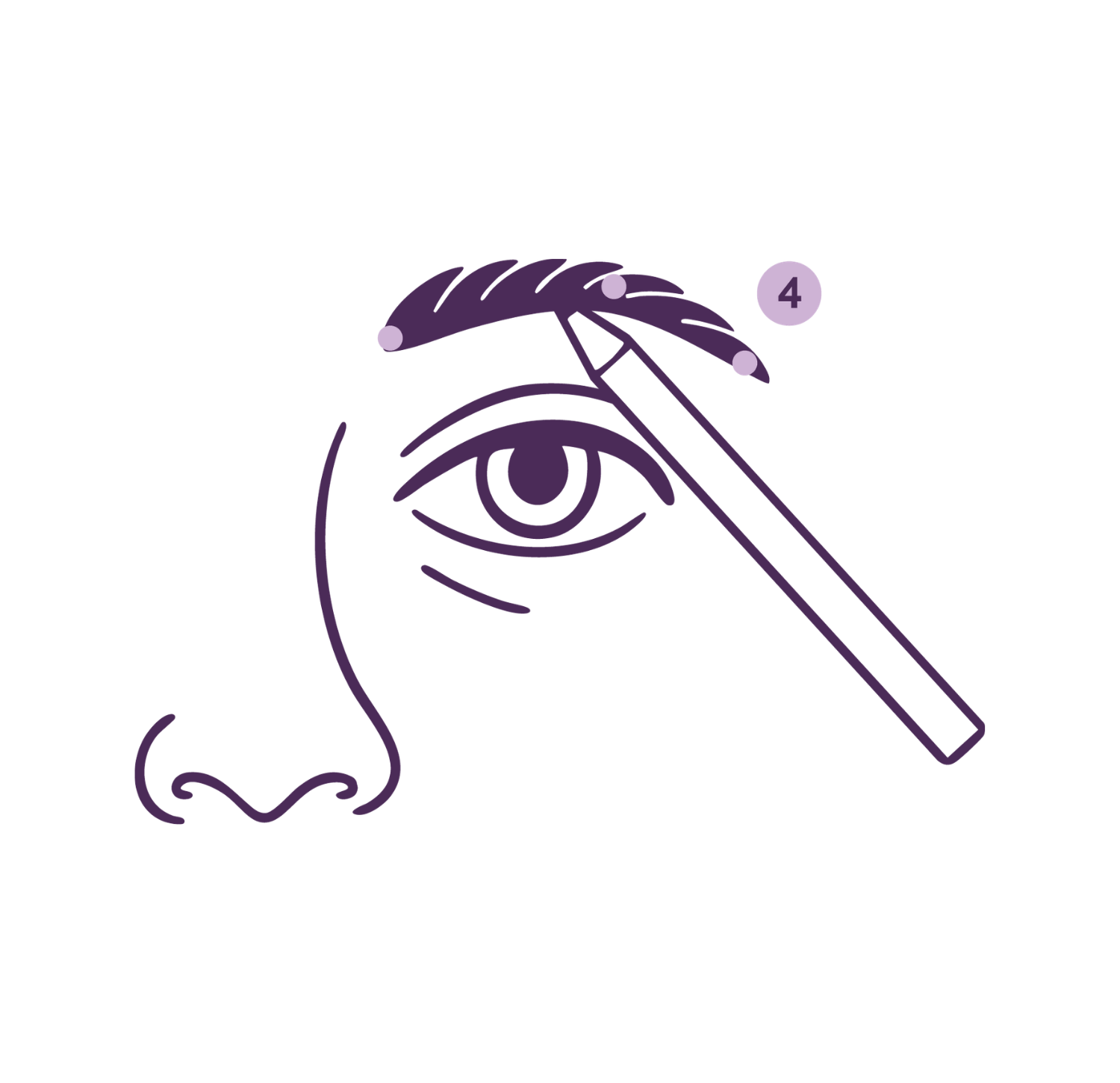
Follow these steps:
- Hold a pencil vertically along the outside of your nostril and inner corner of your eye. Make a dot above your eye at this line, right on the brow bone. This is the inner edge of your brow.
- Hold the pencil vertically across your iris (the coloured part of your eye) and again make a dot above the eye, just above or on the brow bone. This is where your natural arch occurs.
- Hold your pencil at an angle beginning at the outside edge of your nostril, lined up with the outside edge of the eye. This is where your brow should end. Draw another dot.

4. Connect these dots with a series of gentle, arching, feathery strokes to mimic the look of hair. Concentrate on fullness closer to the inner edge, thinning as you go outwards.
Another option to consider, particularly suited to men who wear glasses, is to opt for a thicker framed pair that’ll give the illusion of a fuller brow.
Hair Regrowth
Depending on the type and duration of your treatment, your hair will start to reappear at a rate of about ½ of an inch a month. Once your hair grows back, it may be different than before your treatment due to the absence or alteration of pigments. As the pigment cells return to normal, hair should go back to its original colour and texture.
Experiencing side effects?
Learn how to minimize and manage them in our Shaving & Men’s Skincare Workshop.
Let’s navigate this together
Join a community that understands. Receive expert advice, useful resources, and compassionate tips throughout your cancer journey in the LGFB newsletter.
Newsletter Form
Dealing With Hair Loss During Cancer Treatment
For some people, losing their hair can feel even harder than getting a cancer diagnosis. And that’s totally valid. Your hair might feel like a big part of who you are—it’s how you express yourself, feel confident, or just feel like you. Since hair loss is a visible sign of illness, it can mess with how you see yourself and how others see you. You might feel anxious, vulnerable, or just off.
But here’s the good news: Hair loss is temporary
And there are lots of things—like wigs, hats, or even totally new looks—that can help you feel more confident while your hair takes a break.
Whether you want to keep things feeling familiar or try something bold and new, we’ve got a few tips to help you through it.
Dealing With Thinning Hair
If your hair’s starting to thin, here are some ways to take care of it:
Don’t dye or bleach it—your hair is more fragile right now
Use a moisturizing shampoo and conditioner to help soften brittle strands
Try going shorter—it can make thinning hair less noticeable and puts less stress on the roots
Avoid heat styling tools (like blow dryers and curling irons), hairsprays, and products with alcohol
Sleep on a satin or silk pillowcase—it’s way gentler on your hair and scalp
Not everything has to change during treatment.
Get tips about nails, skincare makeup and hair in our Teens Workshop.
Let’s navigate this together
Join a community that understands. Receive expert advice, useful resources, and compassionate tips throughout your cancer journey in the LGFB newsletter.
Newsletter Form
How to Choose?
Choosing a wig takes some time and effort, but it will be worth it to find the wig that feels right.
A wig feels different than your natural hair and will take some getting used to. Commit to giving yourself time to adjust to this change. Over time, it can become as familiar as any other accessory in your wardrobe.
The first question that many women consider is what fibre or material to choose. Both can be cut and styled by a hairdresser with wig experience.
When Making the Decision:
Most people choose a wig that matches their colour, texture, and style as closely as possible
Both synthetic and human hair wigs can look natural—fit and placement are key
Consider maintenance and comfort—synthetic wigs are easier to care for, while human hair wigs offer more styling options
Let’s navigate this together
Join a community that understands. Receive expert advice, useful resources, and compassionate tips throughout your cancer journey in the LGFB newsletter.
Newsletter Form
Buying Tips
Make an appointment – it can take 45 minutes to an hour to discuss options, choose the right wig, and get fitted
Ask if the salon provides clients with nylon caps to wear when trying on wigs, which is important for hygienic reasons
Take a friend or family member for support and second opinions
Bring a photo of yourself with your favourite hairstyle and colour for reference
Keep hair short to ensure the best wig fit. Experts suggest that your own hair should only be ¼ inch or shorter
Try a variety of styles and colours – having choices is really empowering
Take your time making decisions
Let’s navigate this together
Join a community that understands. Receive expert advice, useful resources, and compassionate tips throughout your cancer journey in the LGFB newsletter.