Caring for Scaring
Healing from cancer surgeries involves both physical and emotional challenges. Managing scar tissue is an important part of your recovery journey.
BEFORE SURGERY:
- If you are prone to keloids, ask your surgeon how this can be best managed with medication, topical treatments or strategic scar placement.
- It is okay to be concerned about scarring and to advocate for yourself!
AFTER SURGERY:
- Follow care instructions from your surgeon to keeping the surgical site clean.
- Once approved by your surgeon (approximately one month after surgery), you can start massaging the scar using either a beauty oil or scar reducing oil.
- Silicone scar sheets can help improve healing.
- Don’t wear clothing that compresses the scar for at least 4-6 weeks after surgery. If that makes wearing a regular bra difficult, try a tube top, tank top, or leisure bra to provide support if needed.
- Wait at least one year after all treatments are done before getting any nipple or decorative tattoos.
Physical Discomfort
It can be discouraging to still feel pain, swelling, tightness, sensitivity or a restricted range of motion after completing cancer treatment. For some people, discomfort may last far past their expected recovery time from surgery or radiation.
Prolonged Discomfort
Prolonged discomfort may be a build-up of scar tissue inside the body, typically around the breast, chest or shoulder area.
Scaring can cause the surrounding tissue to become denser and less elastic and result in restricted movement and/or pain. Some patients describe it as feeling “sticky” or “like Velcro” when they try moving the affected area.
Easing Discomfort
You may want to consider adding a physiotherapist or massage therapist who specializes in caring for breast cancer patients to your care team.
Talk to your primary care team about your concerns and mention this possibility. If you find your medical team resistance to these suggestions, don’t be afraid to advocate for yourself.
Physiotherapy or massage therapy is done on the chest, breast and/or shoulders to loosen and soften tissue.
Your provider may suggest techniques such as:
Myofascial release
Deep friction massage
Cupping therapy
Remember to…
Talk to your surgeon or oncologist to ensure that enough recovery time has passed before booking an appointment with a physio or massage therapist.
What healthcare professionals provide care for scar tissue?
Typically, it will be a physiotherapist or massage therapist who will have specialized expertise and experience working with breast cancer patients.
Refer to the Society for Oncology Massage and Canadian Physiotherapy Association to learn more and access a directory.
Your provincial Lymphedema Association can also be a great resource for therapists familiar with breast-cancer related side effects.
Some healthcare professionals use the term Cancer Rehabilitation to refer to their services that help manage the common side effects of cancer and cancer treatment. This can be a great search term when looking for professionals in your area.
Questions to ask Professionals:
Are you a licensed Healthcare provider registered with the provincial college?
Are you experienced in treating breast cancer patients?
Do you provide techniques I can do at home?
Are these services covered by provincial healthcare?
Are they covered by private medical insurance?
You’re not in this alone.
Find a supportive community and get expert advice in our workshops.
Let’s navigate this together
Join a community that understands. Receive expert advice, useful resources, and compassionate tips throughout your cancer journey in the LGFB newsletter.
Newsletter Form
Before Radiation
Start A Routine:
If you haven’t started radiation yet, now is an excellent time to start a skincare routine. It will help protect your moisture barrier and give you a good starting point.
Follow these simple steps:
Cleanse
Moisturize
Protect
Make sure you choose products that are labeled with words like:
Gentle
Fragrance-free
ph-balancing
For eczema
During Radiation Treatment
Here are some easy-to-follow tips to help your skin during treatment:
- Keep showers or baths short and use lukewarm water; avoid extreme temperatures.
- Use gentle, fragrance free and ph-balancing products daily to cleanse and moisturize.
- Protect your skin from sun because treatment areas will be extra-sensitive.
- Cover the treated area with sun-protective clothing or items you cannot see through when you hold them up to the light. If you can’t cover the area, ask your care team about sunscreen options.

Be Gentle with the Treatment Area
- Don’t rub, massage or scratch the area.
- Avoid using facecloths. The friction can damage the skin.
- Use a soft towel to pat skin just enough to remove water – don’t rub completely dry.
- Prevent rubbing and friction by wearing loose-fitting clothing, ideally cotton or other soft, breathable fabrics.

Things to Consider
- Save shaving or use hair removal creams for after treatment. Don’t try to remove hair from a treatment area.
- Consider products with thermal water, which have been shown to reduce radiation’s negative impacts on the skin.
- Keep areas under your breast dry to avoid fungal infections in the folds.
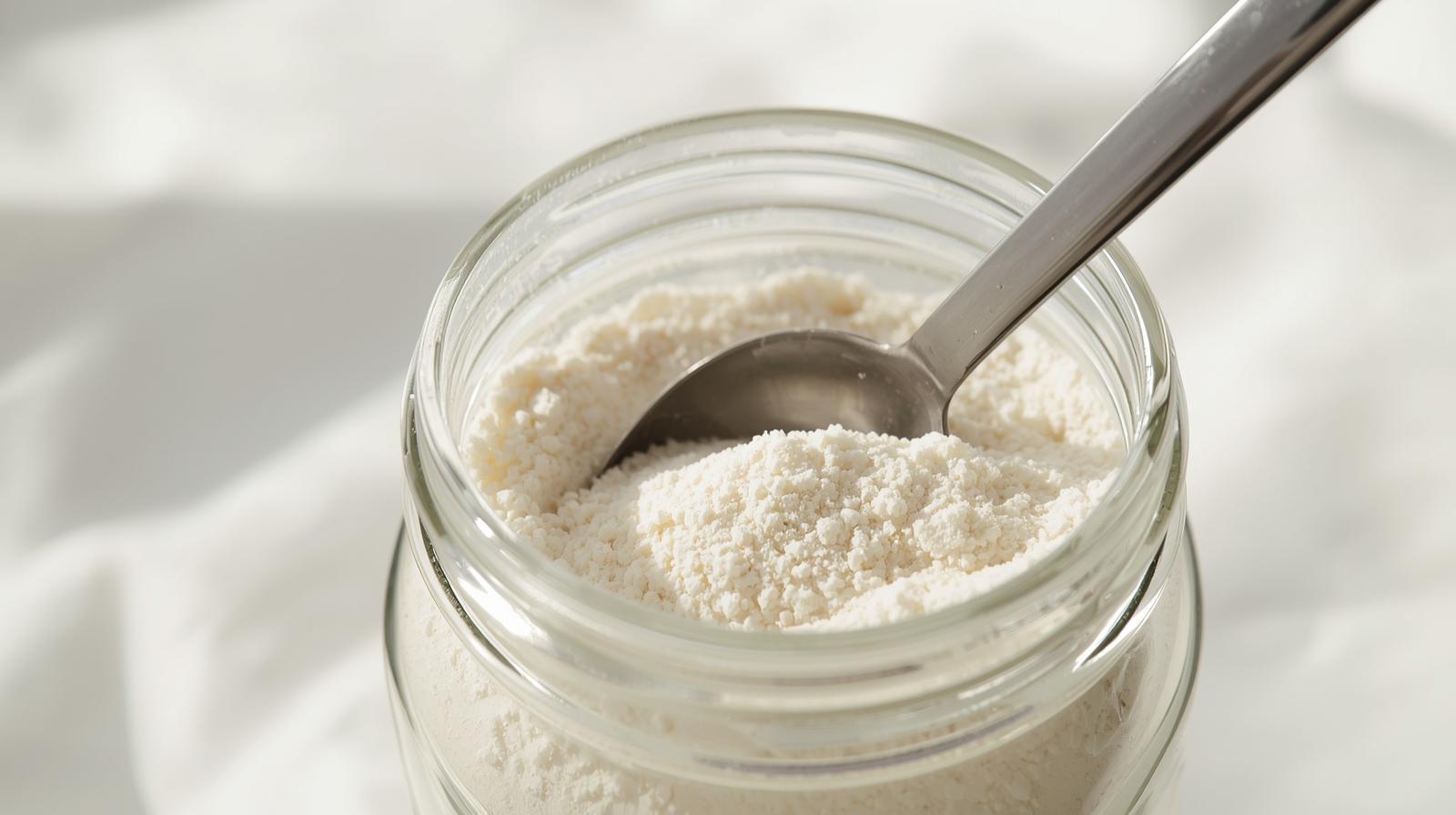
Cornstarch (not talcum powder) or an antifungal powder can help manage itchiness and redness.
Experiencing skin side effects?
Learn how to minimize and manage them in our Advanced Skincare Workshop.
Let’s navigate this together
Join a community that understands. Receive expert advice, useful resources, and compassionate tips throughout your cancer journey in the LGFB newsletter.
Newsletter Form
Wig Care: What do you need?
A wire stand that allows air to circulate through the wig
If your wig is synthetic, special cleansers and leave-in conditioners (available at all wig salons), and a wide-tooth comb
If your wig is human hair, salon-quality shampoo and conditioner for chemically treated hair
About an hour for your first wig-cleaning experience
It will eventually take less time as you practice and gain experience caring for your wig
Cleaning Your Wig
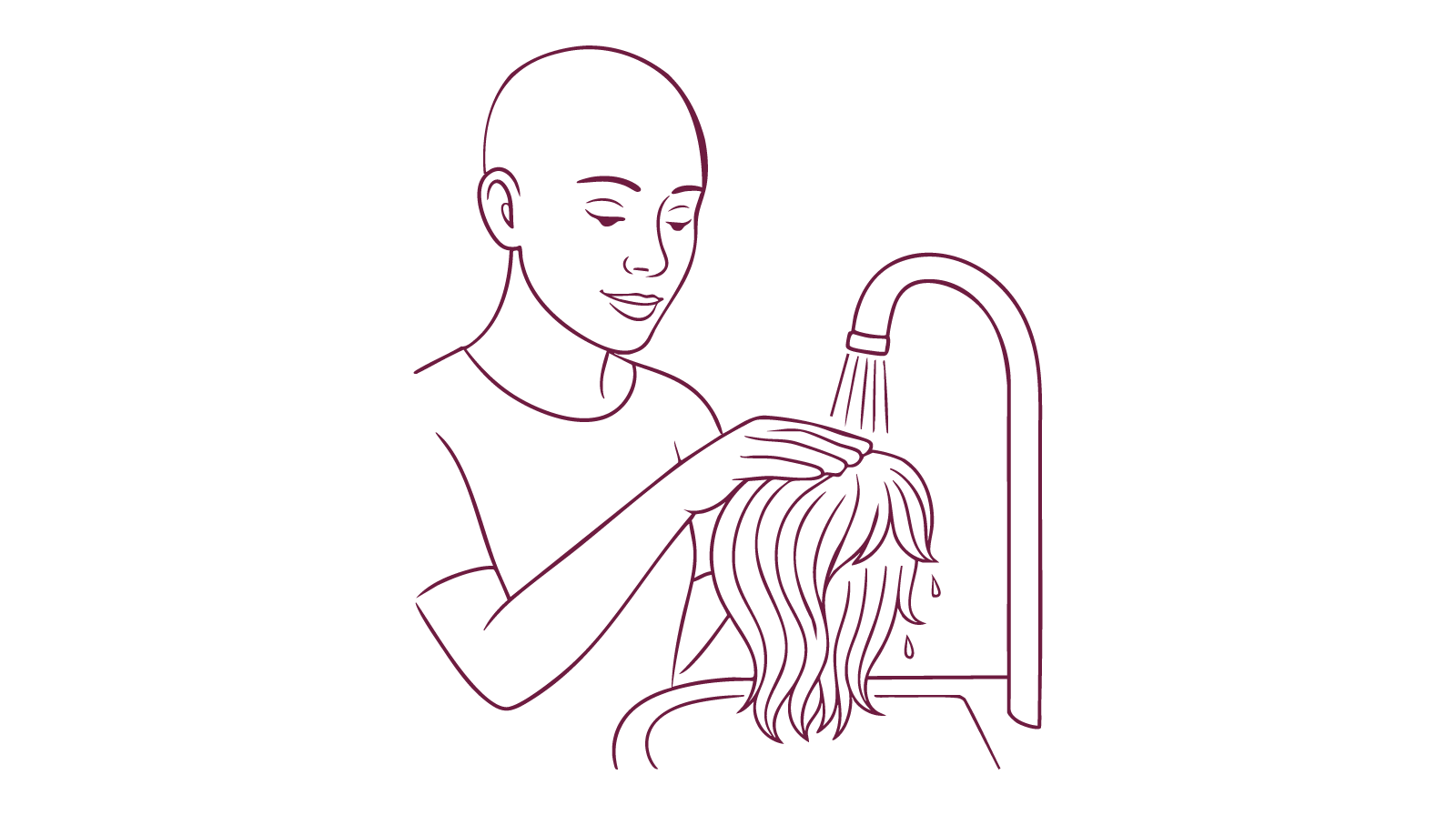
Synthetic-Hair Wig:
- With a wide-tooth comb, gently but thoroughly brush or comb your wig before washing.
- Fill sink with cold water and thoroughly mix in 1 to 2 tbsp. (15–30 ml) of appropriate shampoo.
- Turn wig inside out, swish through water, and submerge a few times.
- Drain sink and refill with fresh cold water, then immerse wig a few times to rinse.
- Gently shake water from wig over the sink – do not squeeze or twist.
- Place on wire stand to dry – about eight to 12 hours.
- Never comb or brush a wig when it’s wet; wait until it’s completely dry.
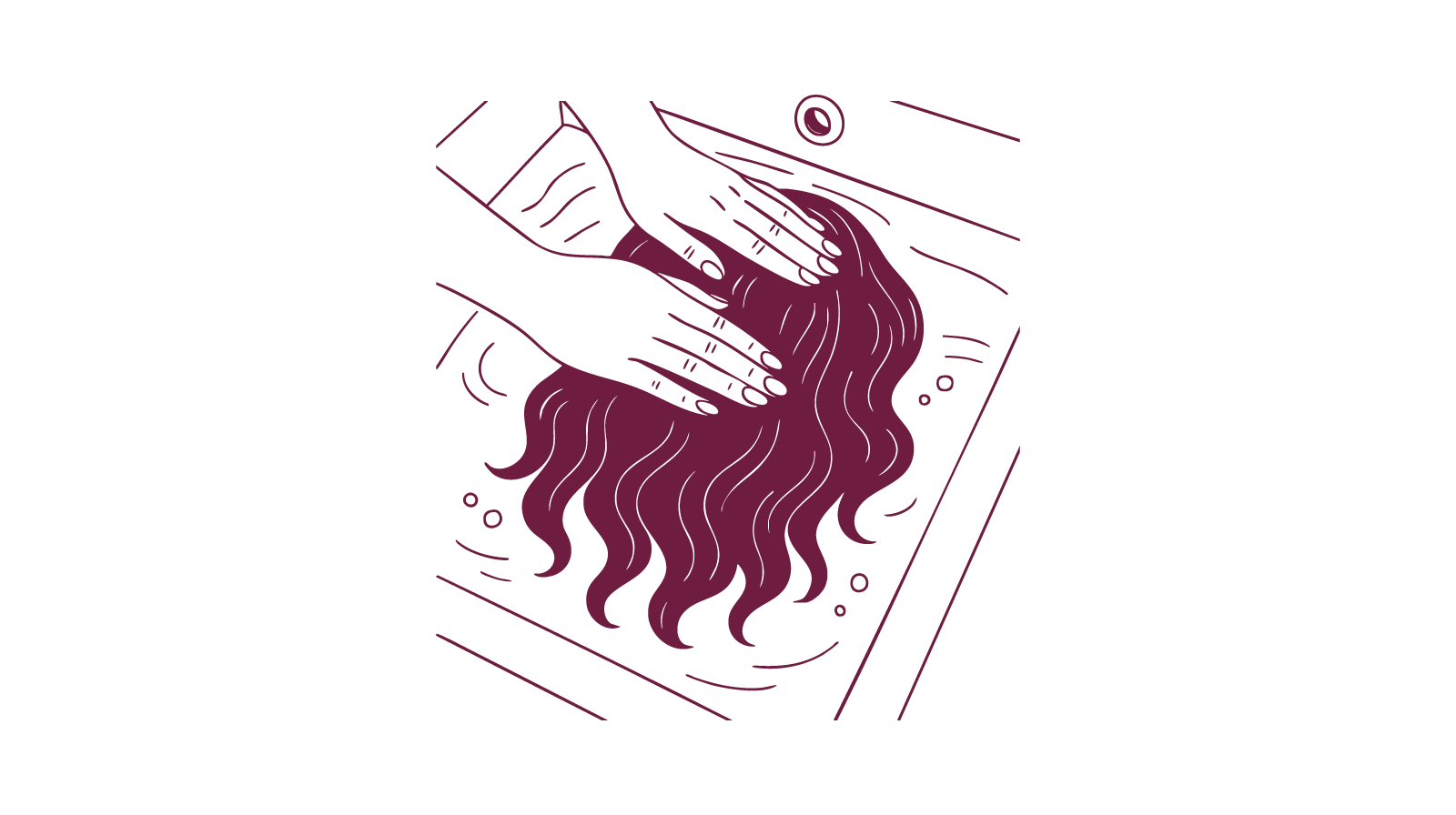
Human-Hair Wig:
- Run wig under warm water.
- Place a small amount of shampoo on fingers and gently work into the hair, stroking downward from the weft (base) to the ends.
- Rinse thoroughly under warm running water until water runs clear.
- Place a small amount of conditioner in your hand; gently work into hair and let sit for three to five minutes.
- Rinse thoroughly in warm water.
- Gently comb wet hair with a wide-tooth comb from weft to ends.
- Place on wire stand to dry.
Let’s navigate this together
Join a community that understands. Receive expert advice, useful resources, and compassionate tips throughout your cancer journey in the LGFB newsletter.
Newsletter Form
Advanced Skincare Workshop
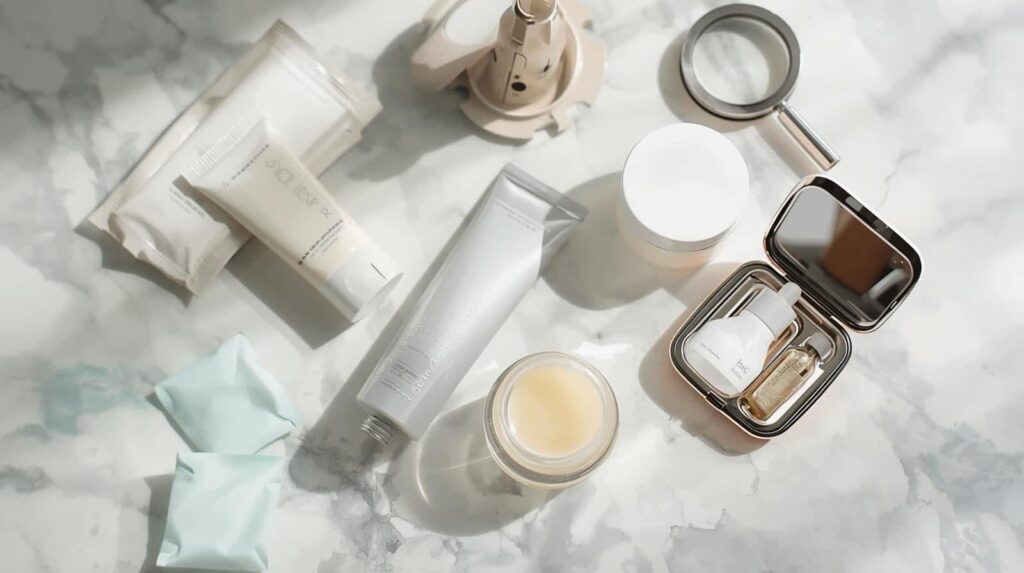
Advances in cancer treatment have led to more people experiencing skin-related side effects, both during and after treatment. In this workshop, expert Onco-Dermatologists share simple steps to help minimize and manage common skin and nail issues.
About this workshop
What you will learn:
How evolving cancer treatments can cause new and different side effects
Practical steps to help minimize and manage common skin, scalp, and nail concerns during and after treatment
Step-by-step guidance from an Onco-Dermatologist
Topics Covered in Advance Skincare include:
Simple skincare and suncare routines
Scalp care
Nail Health
Managing dry, itchy, and irritated skin
Acne and rashes
Skin recovery post-treatment
This workshop is available Online
Join us!
- This workshop delivered via a Q&A with our medical professional, and is offered approximately four times a year.
- It is roughly an hour and fifteen (1:15) minutes in length and is delivered over Zoom.
- Be sure to add your questions on the registration form!

Who should attend this workshop?
This workshop is available for anyone who is…
- Currently in treatment
- Post-treatment but may still be experiencing side-effects impacting their skin, scalp, or nails
- This workshop is designed to address skin concerns wherever people are in their cancer continuum
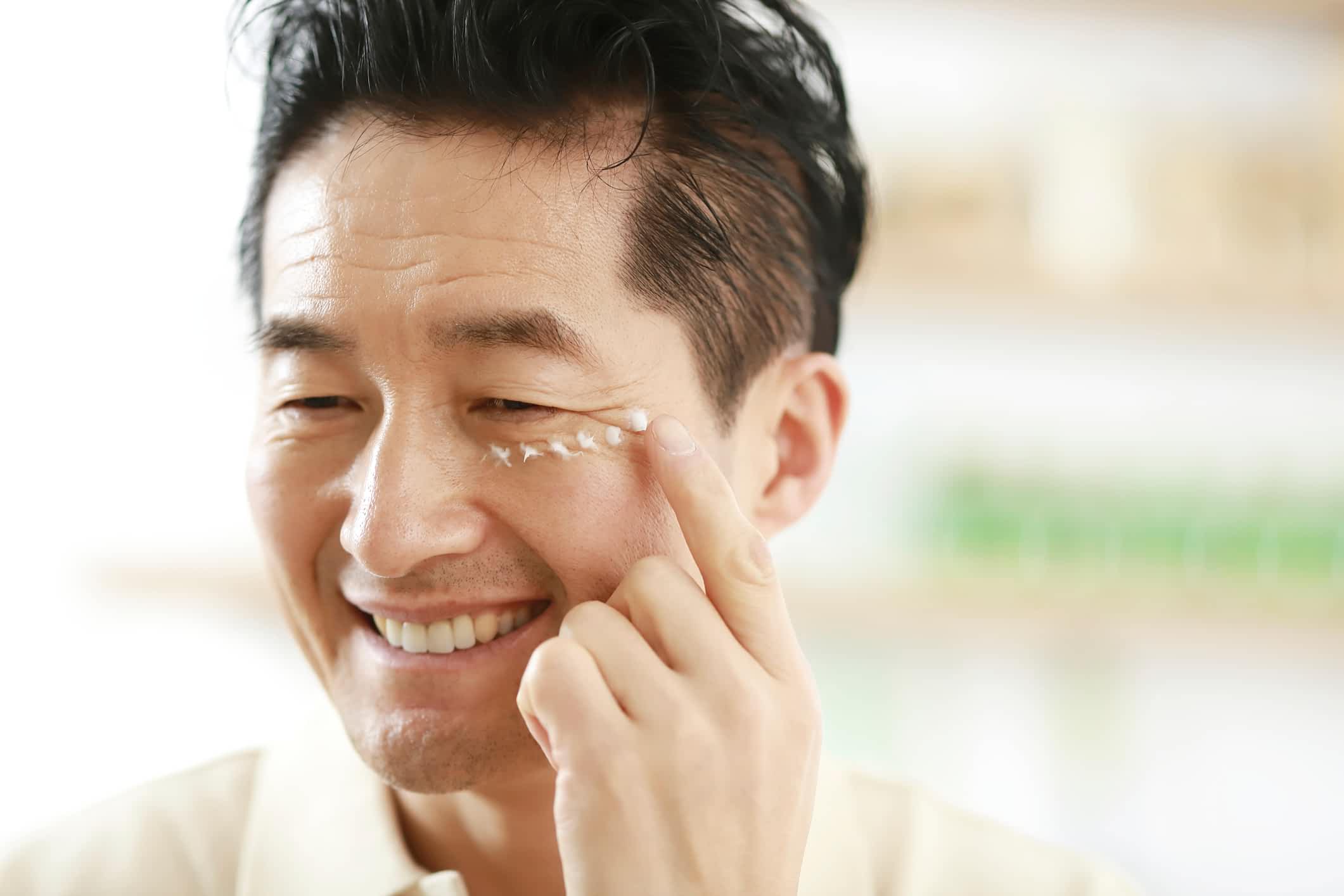
What Our Participants Have to Say
“Just knowing others are going through the same symptoms gave me hope.”
- Workshop Participant
“This webinar was delivered beautifully. I liked how participants’ questions were answered and things were explained at length.”
- Workshop Participant
Let’s navigate this together
Join a community that understands. Receive expert advice, useful resources, and compassionate tips throughout your cancer journey in the LGFB newsletter.
Newsletter Form
Wigs & Scarves Workshop
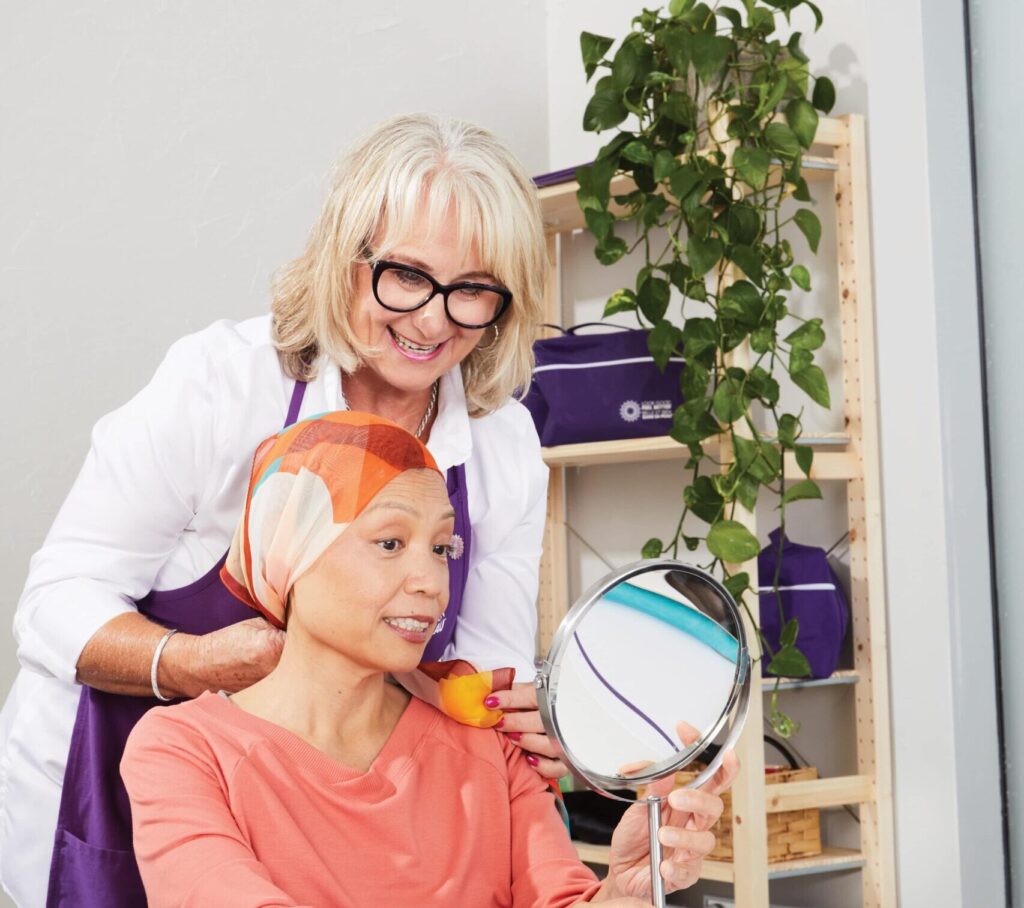
Losing your hair during cancer treatment can be emotional and overwhelming. Learn about what to expect with hair loss, how to care for your scalp during and after treatment, all about wigs and other hair alternatives, including scarf-tying techniques.
About this Workshop
What you will learn:
Caring for your scalp during and after cancer treatment
What to expect with hair regrowth
Discover all types of head coverings and hair alternatives, including wigs
What to consider if selecting a wig, including how to take care of and style them
Pros and cons between synthetic and human hair wigs
Easy scarf-tying techniques and more
The information and dialogues are designed to help you:
Manage the physical side effects of cancer treatment (including hair loss) with simple, practical guidance
Connect with others who may understand what you are going through
Know what to expect during treatment
Prepare for treatment to help minimize potential side effects
Feel more like yourself
This workshop is available ONLINE and IN-PERSON
Online Workshop
- The ONLINE workshop is ONE HOUR long and is delivered via Zoom.
- Relax and join us from the comfort of your home.
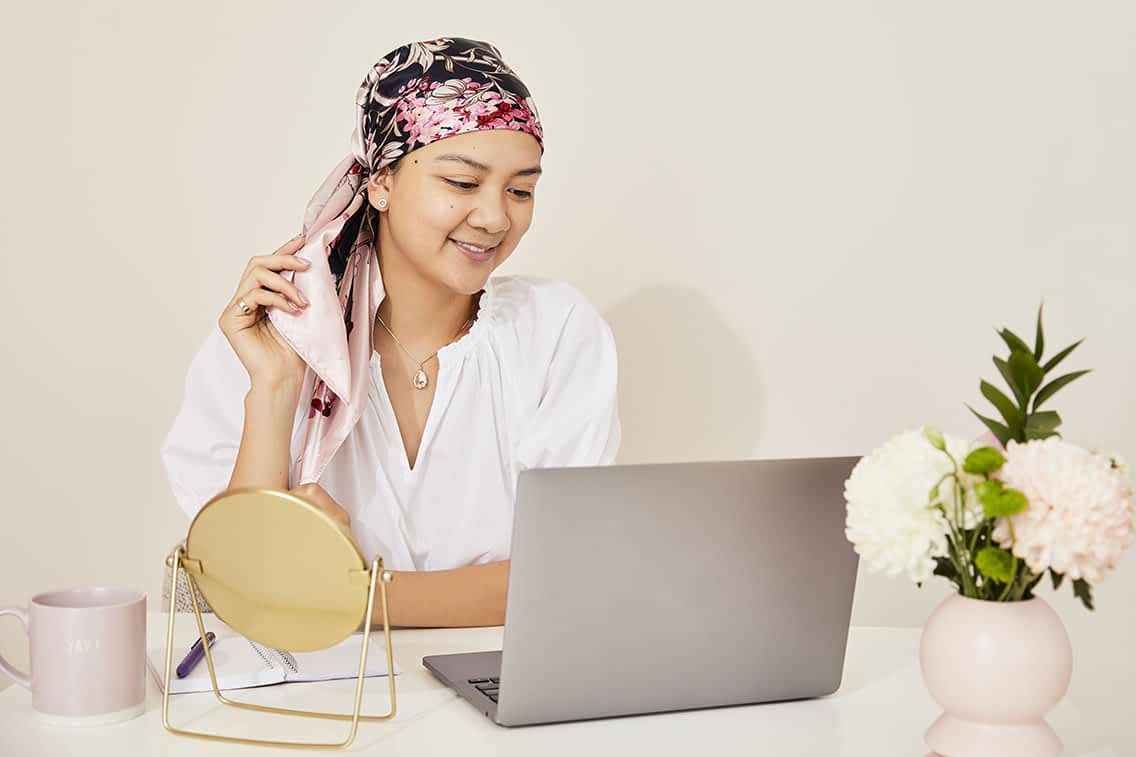
In-person Workshop
- The IN-PERSON workshop is 2 HOURS long and is called Skincare, Makeup & Hair.
- It combines our Wigs & Scarves and our Skincare & Makeup Workshops into a single 2-hour session.
- The in-person workshop is only available in select locations around Canada.
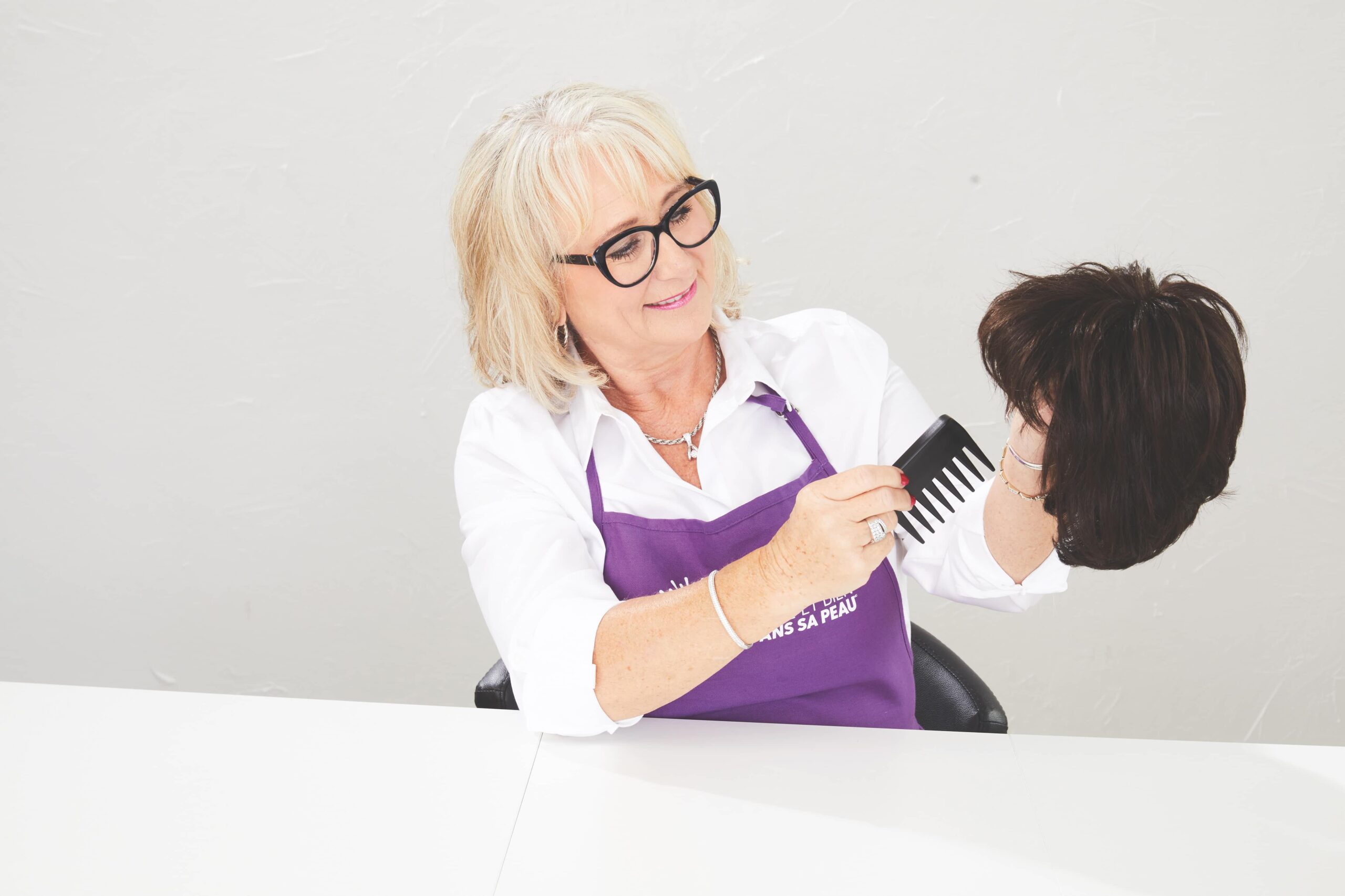
Who should attend this workshop?
This workshop is available to anyone who is about to start cancer treatment, is currently in treatment or has completed treatment in the last 12 months and would like information about or support around hair loss, wigs, and other hair alternatives.
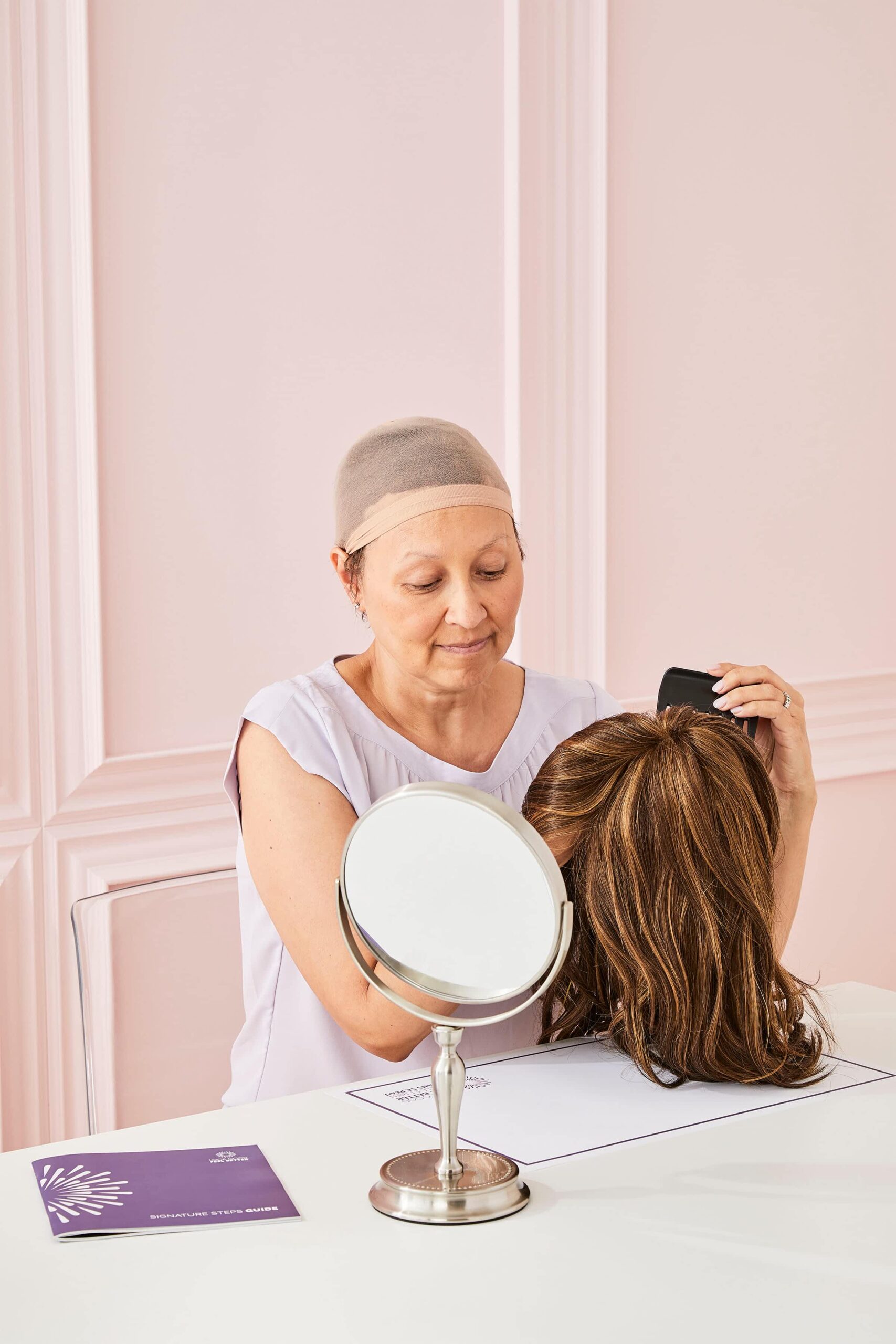
What are participants have to say
“The volunteers were excellent and so caring. It’s the first time I’ve laughed in awhile.”
- Workshop Participant
“This workshop exceeded my expectations. It helps to talk to an expert who is positive, fashionable and gives all the tips. One example – I had no idea how a chemo/sleep cap is such an important base layer!”
- Workshop Participant
Ready to Register for the Wigs & Scarves workshop?
Find the right one for you!
Let’s navigate this together
Join a community that understands. Receive expert advice, useful resources, and compassionate tips throughout your cancer journey in the LGFB newsletter.
Newsletter Form
Skincare & Makeup Workshop
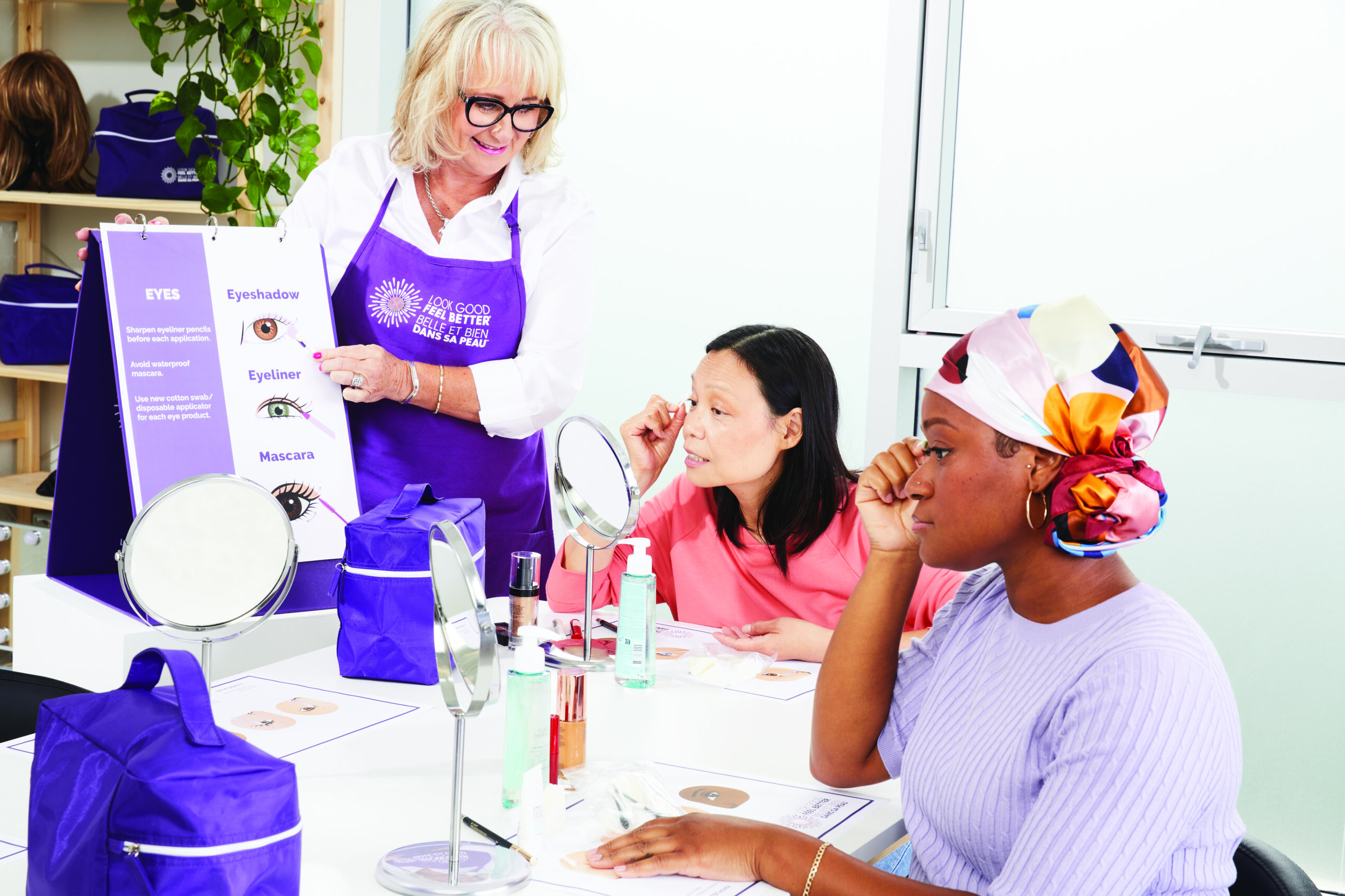
Skincare and makeup for people facing cancer should feel approachable, not overwhelming. Discover practical ways to manage the physical side effects of cancer treatment on your skin, hair, and face, including skincare, makeup, hair loss, wigs and other head coverings. Available online or in-person.
About this workshop
What you will learn:
Counteract side effects such as discolouration and dry skin
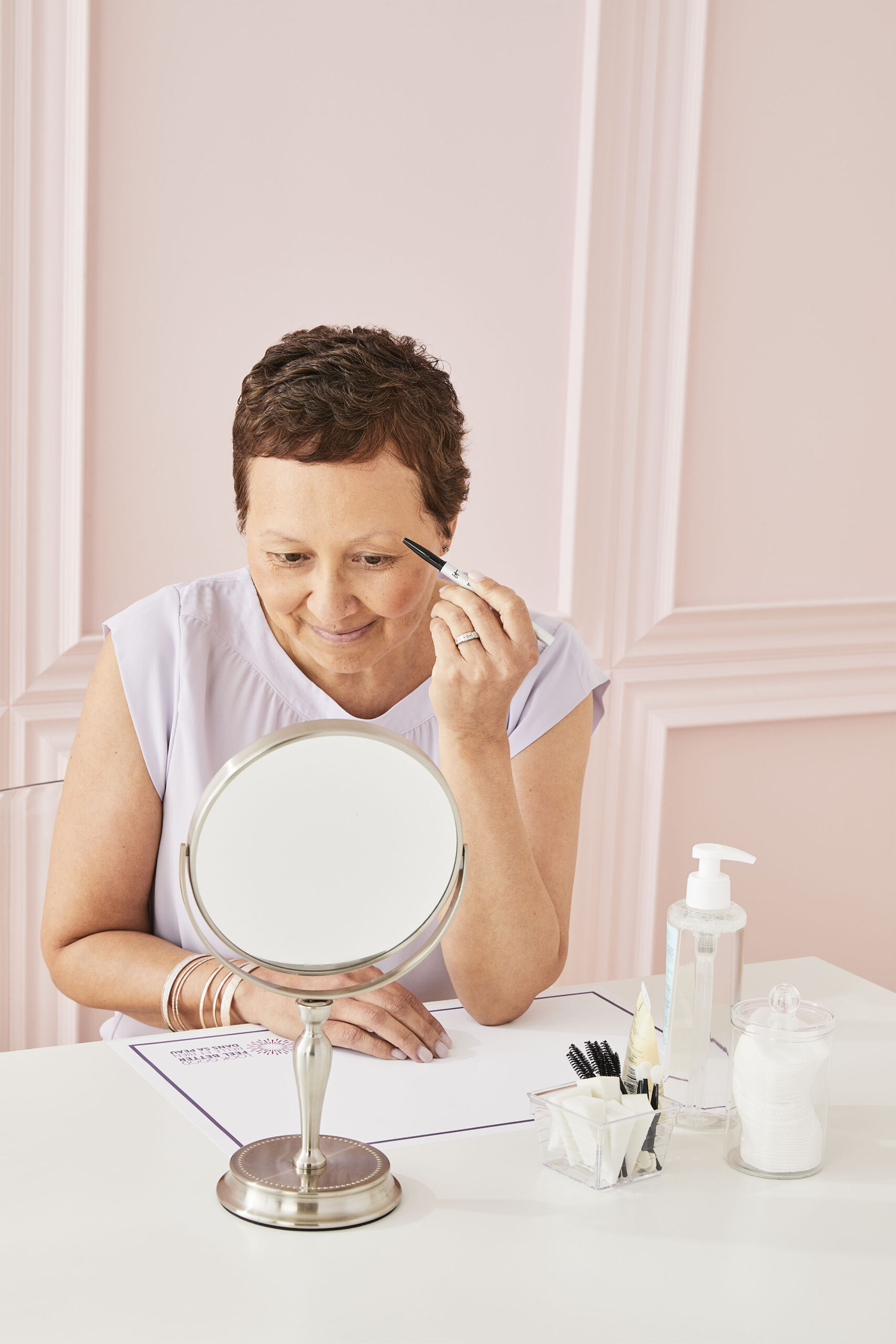
Find tips and techniques for managing the loss of brows and lashes
Practice simple makeup steps to add colour back to your face
Makeup hygiene and sun safety
The information and dialogues are designed to help you:
Manage the physical side effects of cancer treatment with clear, practical guidance.
Connect with others who may understand what you are going through.
Understand what to expect during treatment.
Prepare for treatment to help minimize potential side effects.
Feel more like yourself again.
This workshop is available ONLINE and IN-PERSON.
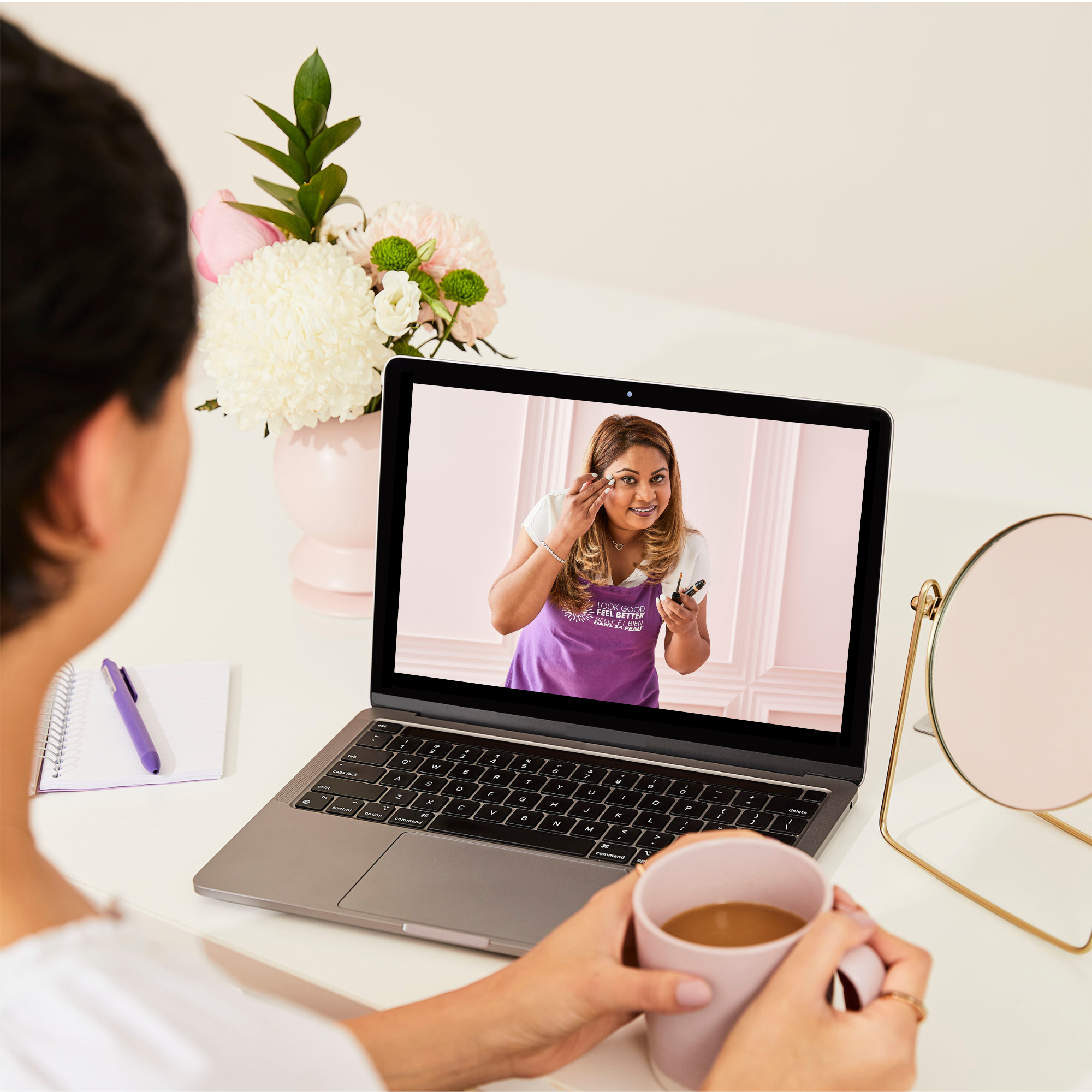
ONLINE
- The ONLINE workshop is one hour long and is delivered via Zoom.
- Relax and learn from the comfort of your own home.
IN-PERSON
- The IN-PERSON workshop is 2 hours long.
- Called Skincare, Makeup & Hair, it combines both our Skincare & Makeup and our Wigs & Hair Alternatives workshops.
- In-person workshops are only available in select locations around Canada.
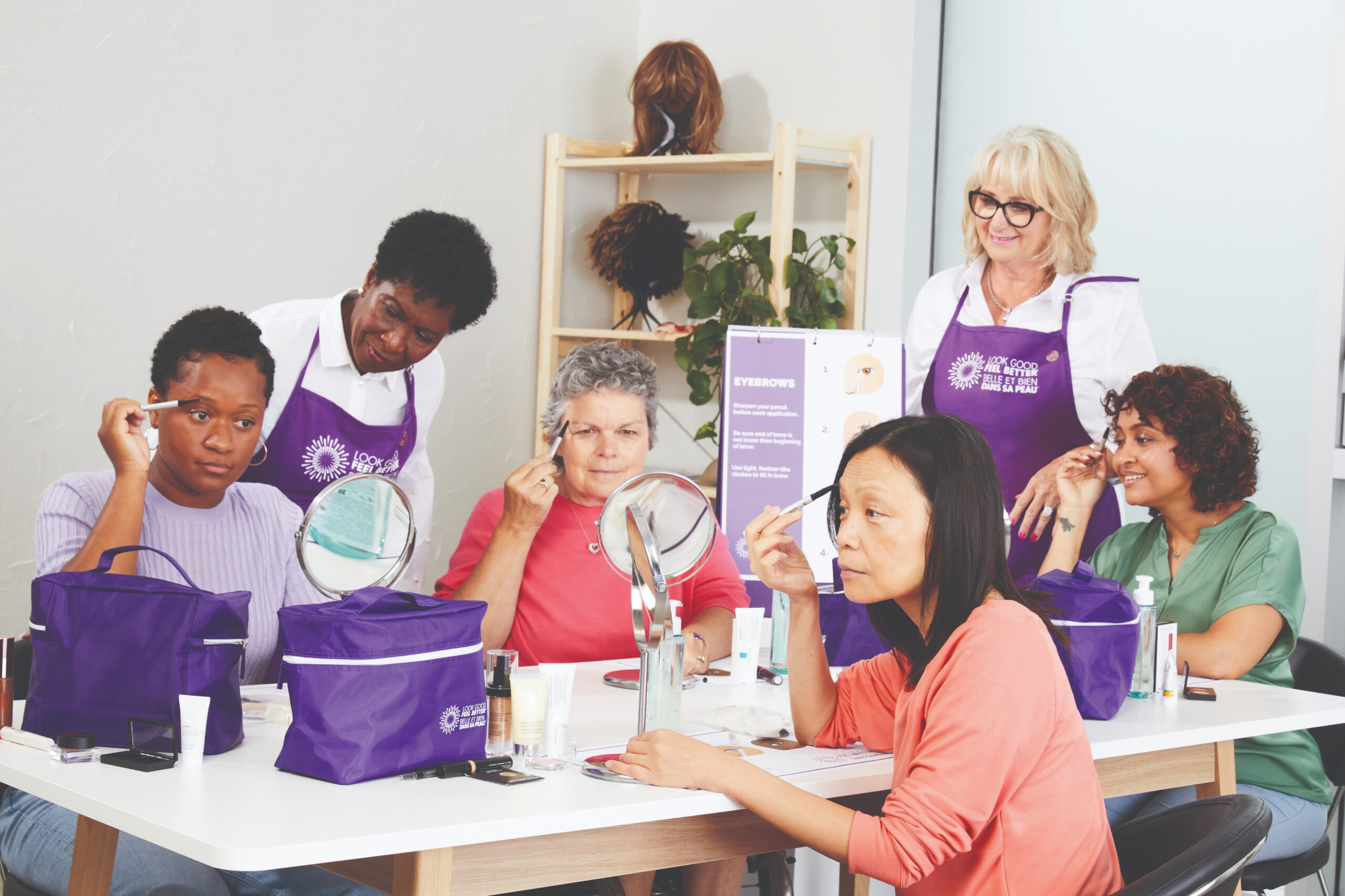
Who should attend this workshop?
This workshop is available to anyone who is:
- about to start cancer treatment
- is currently in treatment or
- has completed treatment in the last 12 months and would like information about or support around this topic.
The Confidence Kit
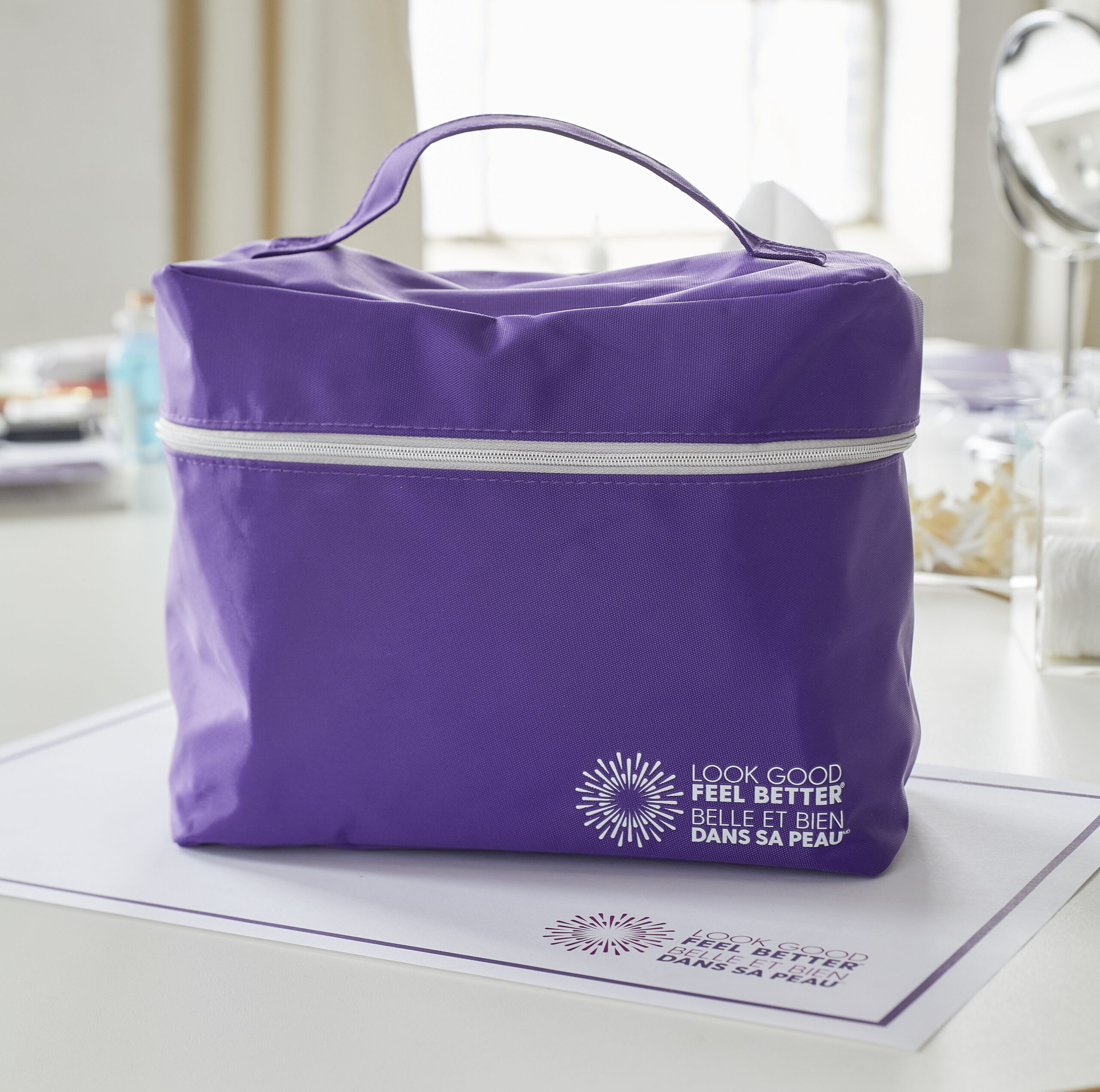
Participants in the Skincare & Makeup workshop receive a free kit of skincare and cosmetics products.
These products are generously donated to Look Good Feel Better and meet the regulations set forth by Health Canada.
These products are for educational purposes, so you may practice the techniques explained in the workshop.
- In-person workshop: You will receive the kit in the workshop.
- Online workshop: The kit will be shipped to you. It generally arrives 15-20 business days AFTER the workshop.
What our participants have to say about this workshop
” This workshop was so useful because it wasn’t just information. It ‘normalized’ the techniques to cope with cancer & treatment related challenges to appearance. Yes, wear makeup and take care of your skin not just in spite of cancer and treatments but because of cancer and treatments! Here is how to do it well and safely!”
- Mirabel R., Workshop Participant
Participating in our workshops
97%
of Workshop Participants
would recommend our workshops to another person facing cancer.
32%
of Our Participants
feel somewhat confident BEFORE our workshops.
89.1%
of Our Participants
reported feeling somewhat confident or confident about their appearance AFTER our workshops.
Ready to Register for a Skincare & Makeup Workshop?
Find the right one for you!
Let’s navigate this together
Join a community that understands. Receive expert advice, useful resources, and compassionate tips throughout your cancer journey in the LGFB newsletter.
Newsletter Form
Working as an oncology nurse has been my dream for so long. Losing my mom to breast cancer definitely influenced my decision to work in oncology and my desire to help people. It’s incredibly rewarding. But one thing’s for sure – I never expected to be on the other side of the diagnosis, facing cancer myself.
I especially didn’t expect it at just 30 years old – and 24 weeks pregnant with my first child. My mom passed away when I was only two years old, and to suddenly get the same diagnosis while I was on the verge of becoming a mom myself was beyond terrifying. I practically blacked out when I heard the news. I kept thinking, “What? I’m pregnant. This isn’t supposed to happen.” It was quite the curveball, to say the least.
While it was the most difficult news to receive, I’m so grateful they caught it early. I’m thankful that there were chemo medications I could take that were safe for my unborn son. I have the most phenomenal doctors and nurses – my colleagues in the cancer centre in Sudbury, Ontario, became my caregivers overnight. I have a wonderful support team through my husband, Ryan, and my step-mom, who I really think of as my mom, as she’s been a mother to me my whole life. She has been my rock. And this whole ordeal has given me a completely new perspective on facing cancer, despite the fact that I’ve cared for cancer patients for seven years now.
For example, although I supported cancer patients in their journeys everyday as a nurse, I underestimated the mental and emotional toll that cancer treatment would have on me. For one, losing my hair was so tough. I had always been like, “Oh, it’s just hair, it’ll grow back.” But it’s not just hair. It was part of me and my self-esteem and how I presented myself to the world.
I already knew about Look Good Feel Better (LGFB) through my work in the chemo room, and it became such a valuable resource for me. I signed up for a workshop right away, and boy, was it ever awesome. As a nurse, I had often heard about the impact of LGFB but experiencing it firsthand was completely different. Like losing my hair, I didn’t fully grasp how much it would mean to me until I was living it.
I took my mom to the workshop as my support person, and it was so good for the soul. I learned some great hair and makeup tips, but more than that, it gave me a powerful sense of hope. It helped me reclaim my self-esteem and made the scary experience I was going through feel a whole lot less scary. I loved connecting with other women who were going through what I was going through. Having cancer can feel so lonely – I had all the support in the world, but people didn’t really understand what I was going through, because, well, they didn’t have the diagnosis. Being able to share my experience with the women in the workshop was really special.
I’m so grateful that LGFB exists, and that my future patients will have the opportunity to attend the workshops. And now, I can speak to the experience personally. When I’m able to go back to work, I know I’ll be able to connect with and support my patients on a whole new level.
My son, Matthew, has arrived, and things feel so much better now. A lot of the anxiety and fear of the unknown that I experienced – about cancer, about being a first-time mom – have faded. This journey has given me a deeper understanding of resilience, both for myself and my patients.
By Adriana Lombardo
Let me be blunt with you. These past few months have been crap – to put it politely.
Only now is it hitting me: Survivor’s Guilt.
Why did I survive a deadly disease while I had to bury people I’ve met along the way?
Why am I finding it so difficult to move forward with my life without feeling extremely guilty?
This sucks!
I knew this feeling may come. I’d heard of survivor’s guilt and was aware of the emotions I had yet to face, but to be honest with you, I had started living and actually enjoying life without having to worry about appointments, etc, that I didn’t think it was going to happen.
I thought I was one of the lucky ones who wouldn’t go through it – who am I kidding.
As sad as this may be, or as weird as it may come across, I miss having cancer.
Weird, huh?
Who would ever say such words?
Let me explain:
Life was easier when I was sick; at least it seemed to be.
I didn’t have much to worry about other than chemo, appointments, procedures, if the cancer was going to kill me or not, you know, the usual “cancer stuff.”
Now that I’m back “in the real world,” I find myself struggling to accept that chapter has now closed.
It was two-plus long years of fighting and not having any worries about anything other than me.
I’ve moved on, almost as if nothing ever happened, but I find myself holding onto anger and pain and all these other emotions that I have never accepted until now.
I smiled all throughout my treatment – a genuine smile – but now I find I’m faking one to show people that I’m still alright.
How do you explain to people that while going through cancer I was genuinely doing fine, but now I feel as if I’m not?
I know it’s not up to me to explain this to anyone but that’s the thing about society – once you’ve gone through any sort of heartache, they expect you to pick up and keep going without actually acknowledging what you’ve gone through.
But that’s just it: once you’re “healed” or “cured”, people stop asking how you are because they assume everything is alright. That you’re “back to normal”.
I’m still trying to figure out my new normal while juggling these emotions.
It saddens me to know I had to remove my rose-coloured glasses at such a young age and that the benefit of the doubt doesn’t really exist once you’ve gone through cancer.
You see things and people for what and who they really are.
Anger and frustration followed.
Like I mentioned earlier, there are a lot of emotions that I’m battling now with Survivor’s Guilt.
It’s a matter of finding a balance between not letting go and moving forward.
I’m going to challenge myself for the next month. My goal is not to have it all figured out, but to accept what I’m feeling and just let myself feel it.
No one will ever have it figured out, so why should I?
I’m not sure that I’ll figure out why I’m feeling the way that I do, but I do owe myself ways of figuring out how to deal with it.
It’s going to be challenging but I’m going to learn to love myself all over again for the sake of my mental health and wellbeing.
I thought I had moved on. I thought that my cancer journey was behind me — far in the past. When a routine mammogram led to a new breast cancer diagnosis in 2023, it was a complete shock. My cancer had recurred after 13 years.
At first, I beat myself up over the diagnosis. I thought I had been doing everything right — eating well, working out, taking care of myself. “What did I do wrong?” I wondered. “How could this have happened?” I started to doubt my every move, every bite that I put in my mouth. My self-confidence declined. But I quickly realized that blaming myself wasn’t going to help. I had to act. I needed to take back control.
This time, I chose a double mastectomy with reconstruction. It felt like the safest option — I didn’t want to rely on mammograms anymore. And although I was reluctant to undergo chemo again after my painful first experience, I knew it was necessary. Thankfully, the treatment was a little easier this time. I received a new scalp cooling treatment that helped prevent hair loss, which made a huge difference for me emotionally. Though the chemo still brought its challenges — nausea, fatigue, and rashes — keeping some of my hair helped me feel like I hadn’t completely lost myself to the disease. Scalp cooling was a new innovation that hadn’t been available to me the first time around, so I was grateful for the opportunity to try it out.
Building a support system was also a priority for me. I’m from Mauritius, a tropical island off the coast of South Africa, and most of my family is still there, so I had to create my own network here. I discovered Look Good Feel Better (LGFB), and attending their workshop made a huge difference. My “look” is very important for me, and it was comforting to feel pampered and cared for, especially after all the blows and bad news I’d been receiving. The workshop helped me to regain confidence and connected me to a group of women who understood exactly what I was going through.
I also started a walking group for cancer patients and later joined a dragon boat group for breast cancer survivors. Looking at the strength of these paddlers made me feel strong, too. If they can do it, so can I. It was encouraging. After my first cancer experience, I was eager to move on and forget about it. But now, I realize there’s power in staying connected with the cancer community and with other survivors. I’m a two-time survivor. This is my life and my reality, and I accept it now.
This time, my son also played a bigger role in my recovery. He was just a toddler the first time I had cancer, but now, as a teenager, he became part of my support system. He loves photography, and whenever I did my makeup, he’d take photos of me and edit them. It made me feel good about myself and it became our bonding time, and those photos now hold a special place in my heart.
Today, I cherish every moment with my husband and son. We cook, go for walks, shop, watch movies — those little everyday moments mean everything to me now. I’m grateful for each day and, rather than cry about what happened to me or worry about the future, I choose to live in the present. Cancer may be part of my story, but it doesn’t define who I am.
By JC Chessell
It’s funny – as I sit here about to blog on my ‘expertise’ with hats and scarves, I find myself wearing a knitted toque aptly placed on my head. I do not know which came first: my love affair with hats or the loss of hair, which led me to my love affair of hats. Whichever it is, I still find myself wearing hats and head coverings A LOT. And I love it!
Today, I wear them out of personal freedom and choice but wearing hats during my treatment is forever a memory etched on my heart. Having cancer made it less of an option and more of a necessity for me to wear hats, but I enjoyed the look and the way they warmly protected my head.
I’d like to share my personal guide to “Covering Your Head During Cancer Treatment”.
Let’s say you’ve just been diagnosed and are thinking of covering your head with SOMETHING. You will discover there are various options for your head covering: hats, scarves and wigs (natural and synthetic).
Having so many choices gives us each more control as we move through our personal journeys. You will find that having a head covering, such as a scarf or hat, gives such a nice, quick pick-me-up and you may feel better about yourself and your outward appearance.
I mainly wore hats through my chemotherapy and radiation sessions. I kept my natural-hair wig for special occasions, like weddings and events.
Since I was diagnosed at the end of summer going into fall and cold winter weather followed, practically speaking, hats were my favourite and most sensible option. As you decide which head covering to go with, try to think about what look you want to present.
Hats give us SO many options, from fun and sassy to a more laid-back, practical type of look. You will see how your face changes as you wear different shapes, from the wide-rimmed to the smaller fisherman cap. And it only takes a second to put on a hat. Again, the choice is yours.
Scarves, I find, are a better option for spring/summer weather. Your scalp has breathing space due to the softer fabrics and overall, scarves have a lighter feel on the head. If you allow your imagination to run really wild, you can create a gorgeous scarf ‘up-do’ with layers of different scarves, thus allowing for height and dimension to frame your face—think Eryka Badu.
If you are deciding on a scarf option, my only advice would be to stay away from silk since the fabric slides off easily on bald or short hair scalp and will become more of an annoyance rather than anything else. The rest is up to you. And this is really where you get to play up different looks
Thankfully, new companies pop up offering us so many options with fabrics, colours and texture. And here’s a little do-it yourself tidbit: go to Fabricland, pick out a pattern that catches your eye—one that speaks to you. Ask the sales associate to cut off a specific amount of it (enough to wrap around your head at least twice) and make into a headscarf yourself. You may need to practice the wrapping a few times but soon enough, you’ll be an expert.
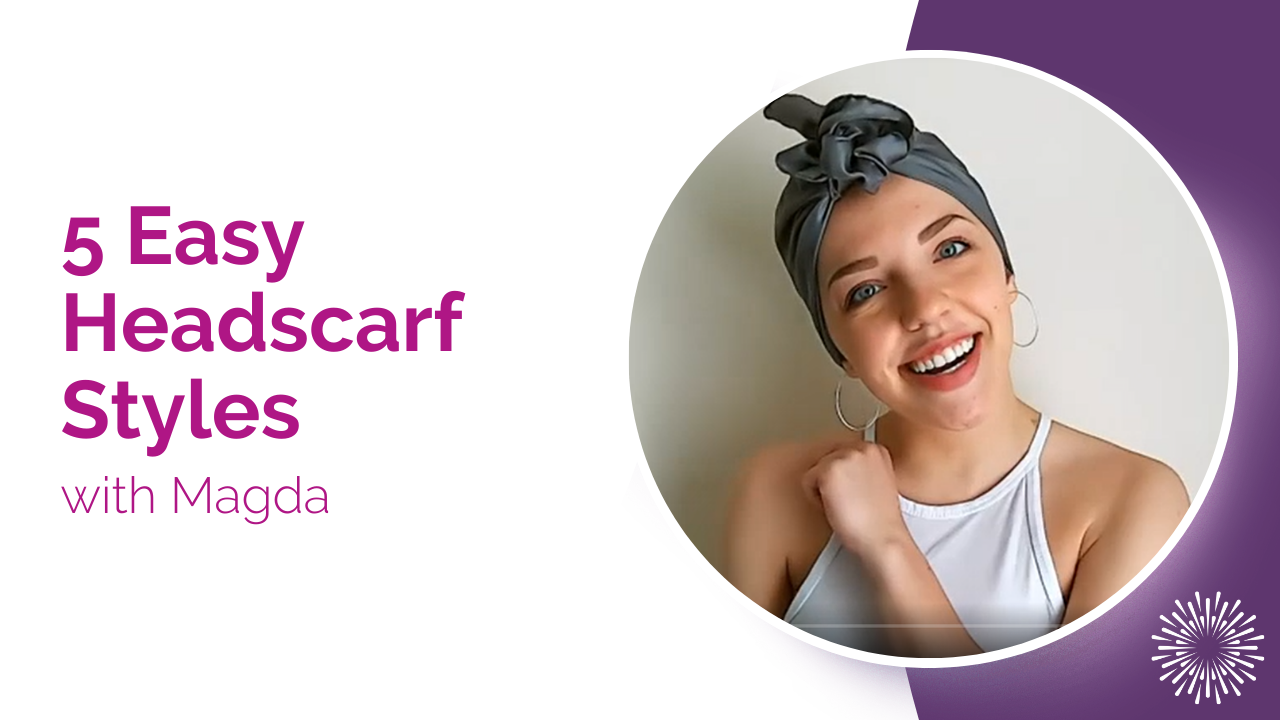
You should know that Look Good Feel Better workshops offer head/scarf wrapping info catering specifically to you and me, so that we can become more comfortable with how to wear our scarves in different ways. There are also lots of scarf-tying tutorials on YouTube, to give you even more ideas. You can start with this from Look Good Feel Better.