
I’ll never forget my first interaction with Look Good Feel Better (LGFB). It was about 20 years ago, when I was first diagnosed with breast cancer. Going to the LGFB workshop was my best day at the cancer centre. Most of my time there wasn’t cheerful or enjoyable, but my experience with LGFB was just lovely. The people were so kind and helpful, and it was great fun. I look back on it fondly.
I got diagnosed with cancer again last year. This time it was what doctors called a “complex case”: three distinct cancers – endometrial, ovarian, and fallopian – in three different places.
One of the first things I did was to connect with LGFB again and sign up for a workshop. Getting to attend the workshop again, after all these years, was a shiny, happy moment in my cancer journey. Who knew that chemotherapy could include highlights? It was the same supportive experience with people who were genuinely interested in helping me feel my best. I loved how they now provide a helpful booklet with makeup tips, so I didn’t have to take notes during the workshop.
The workshop isn’t really about makeup or skincare for me, though. It’s about the opportunity to chat with other people going through the same experience. And to have a good time – for example, everyone had a good giggle with some of the ladies modelling their wigs and making wonderful faces in the mirror. Sometimes, we just need a day where we’re thinking about nothing other than having fun. There’s no other agenda. It was so helpful in terms of my spirit – just enhancing my mood and joy. It’s more beneficial than therapy or a self-help group for me. LGFB cultivates such a supportive, uplifting environment. It was a very restorative afternoon – such a gift, truly. Whoever came up with this idea deserves immense credit.
Cancer and its treatment affect us all so differently. They can tell you what to expect during chemotherapy, but you never really know what’s coming your way until it’s there. It’s the same way with how cancer treatment’s side effects impact our appearance and self-esteem – it’s so individual. We may respond with acknowledgement or disbelief or rejection or anger. There’s a plethora of possible responses.
In a way, I think it comes down to your willingness to accept your own reality. My personal attitude is one of total acceptance. “It is what it is” – that’s my mantra. I look at whatever’s happening in my life – cancer treatment, or a broken shoelace, or a scenario in one of my past careers in education and social work – and I assess what’s going on and how to deal with it. How best can I move forward? What’s my next step? What’s the most useful and functional response to a situation? Is there a possibility to enhance the situation, to make it better?
That approach has served me well in life, and it’s serving me well now. I change the things I can change, and accept the things I can’t. I like to be realistic about what’s possible.
These days, I’m looking forward to what’s next. I’ve finished my treatment and I’m enjoying being retired. I love to make art – I also teach watercolour classes – and to spend time with my grandchildren. I’m looking forward to getting back to travelling, and specifically to going on a cruise. I just want to be on a ship somewhere warm. I love cruising, it’s my favourite thing. No cooking, no cleaning, just art classes, ocean air, and leisurely afternoon naps. And if I can’t be on a ship just yet, I’ll take an afternoon like the one LGFB gave me any day – one with kindness, laughter, and light.
The Basics
The Three Basic Steps Are:
Step 1 – Cleanse
A facial cleanser will remove dirt and dry flaky skin and help stimulate circulation.
Look for products that say GENTLE, for SENSITIVE SKIN or for ECEZMA
Ideally, use a facial cleanser twice a day – morning and night
You can use a gentle body wash for the rest of your body
Have flaky skin, black heads or ingrown hairs?
Consider a gentle exfoliator once a week to get a deeper clean. Use it right before cleansing to leave the skin looking smoother, clearer and brighter. Again – look for a gentle option during treatment and try testing on a small area first.
Step 2 – Moisturizer
Moisturizer is hands down the most straightforward and effective way to keep your skin in top shape – apply after washing and patting dry your face.
While most men generally have oilier skin than women, treatment can have an drying effect your skin, so staying hydrated (both inside and out!) is fundamental.
Don’t forget LIP BALM – your lips may be extra dry or chapped during treatment. Keep things simple with a hypoallergenic lip balm with an SPF to keep you moisturized and prevent burning during the day.
Step 3 – Sunscreen
This is an absolute must-have!
One of the most prevalent side-effects of treatment is sun sensitivity
It is essential to wear daily sunscreen protection with a minimum of SPF30
Some Extras to Consider:
Hand Cream
Hydration is a key element in maintaining your skin during this time. Keep a hand cream by your sink.
Body Cream & Lotion
Having a body moisturizer will more than earn its place in your daily care while undergoing treatment. Dryness, irritation and possible skin cracking are all things you want to avoid so laying on the lotion is more than worth the effort. Apply after you shower or bathe, and throughout the day as needed.
Tinted Moisturizer & Concealer
There are some great tinted products out there that are very light-weight and natural. These products help minimize any redness, uneven skin tone and/or dark circles under the eyes. Always look for fragrance free hypo-allergenic products when picking up your grooming essentials as treatment can make even the most robust of skin a little more sensitive.
Experiencing side effects?
Learn how to minimize and manage them in our Shaving & Men’s Skincare Workshop.
Let’s navigate this together
Join a community that understands. Receive expert advice, useful resources, and compassionate tips throughout your cancer journey in the LGFB newsletter
Newsletter Form
Electric Razors or Wet Shaving During Treatment
During treatment your skin may be more dry, red, or itchy and will be more susceptible to cuts, bruising and infection, so it’s important to examine your shaving regimen.
Electric Razors
Many care teams recommend electric razors during cancer treatment. They’re less likely to nick the skin and will help avoid infections, especially when your skin is extra sensitive or your immune system is weakened.
Razor Blades and Wet Shaving
If you prefer to stick with a traditional razor and a wet shave, read our tips to help make it as safe and soothing as possible. Don’t forget to ask your medical team’s advice about shaving while in treatment.
Tips for Shaving with a Razor During Treatment
Shower before shaving or apply a warm towel/face cloth. This warms the skin, opening the pores and softening the hair cuticles.
Apply your chosen sensitive skin shaving gel or foam, ideally using a shaving brush, and make sure you generate a warm, rich protective lather. (Using a shaving bush softens and lifts the facial hair off the face helping to maintain good levels of hydration and lubrication).
Use light, gentle strokes, letting your razor do the work.
Facial hair grows in many directions so you’ll shave both with and against the grain. Shave in the direction that feels most comfortable.
Rinse your blades often.
After Shaving
Rinse with cold water. This will remove shaving cream residue, tighten pores and cool the skin.
Moisturize the whole face and neck area with a mild moisturizer.
Old dogs can learn new tricks.
Learn comfortable shaving techniques in our Shaving & Men’s Skincare Workshop.
Let’s navigate this together
Join a community that understands. Receive expert advice, useful resources, and compassionate tips throughout your cancer journey in the LGFB newsletter
Newsletter Form
Sun Care and Safety during Cancer Treatment
Radiation and chemotherapy treatments, as well as some medications, can increase your susceptibility to sunburn and skin damage. Sun care is especially important when you are undergoing treatment.
Receiving Radiation?
As a general rule, no sun exposure is a good idea when you’re receiving radiation treatment if the site of the treatment is exposed skin. Your doctor may not want you to put sunscreen or any cream on while you’re receiving radiation treatment as the skin is prone to injury at that time.
Sun Safety During Treatment
Apply sun protection daily and liberally – a dollop about the size of a golf ball – to all exposed skin, such as the lips, ears, scalp, sides, and back of neck
Get in the habit of applying sun protection every morning, about 20 to 30 minutes before going outside, and reapply often – about every two hours
Remember that you’re still exposed to UVA/UVB rays even in shady areas. If you’re indoors, windows do not protect against UVA rays
Stay inside during the intense-sun hours of 11 a.m. to 4 p.m. Wear clothing especially formulated with SPF when you have to go out into strong sun.
Have more skin-related questions?
Find practical answers in our Shaving & Men’s Skincare Workshop.
Let’s navigate this together
Join a community that understands. Receive expert advice, useful resources, and compassionate tips throughout your cancer journey in the LGFB newsletter
Newsletter Form
Treatment over? Here are some product options…
Plump it up
Let’s talk about Hyaluronic Acid
If you've noticed your skin getting drier as you age, or that's just your skin type, one active ingredient to be on the lookout for is hyaluronic acid, especially in a serum.
The molecule, famous for holding 1000 times its weight in water, helps bring moisture to the surface of your skin. In the right formulation, it can produce immediate plumping effects, leaving skin looking dewy.
But for folks with very dry skin or who live in a dry climate, Dr. Julia Carroll, dermatologist and co-owner of Compass Medical, suggests layering moisturizer on top of your hyaluronic acid serum to seal it in and provide a barrier to moisture loss.
Brighten & Protect
Vitamin C is a workhorse ingredient and antioxidant
Helps improve uneven skin tone, fine lines, dullness and rough texture
Helps prevent oxidative stress caused by free radicals
"Antioxidant molecules help to neutralize these harmful atoms by giving up some of their own electrons. Think of it as nature’s “off” switch." – Dr. Vincent Richer, Medical & Cosmetic Dermatologist at Pacific Derm
Serum or Moisturizer
A serum and moisturizer combo can enhance your skincare routine —but what is the difference?
Serums are formulated to penetrate deeply into the skin to deliver targeted active ingredients. [This means they’re thinner and lighter to their creamier counterparts and also a more powerful delivery method]. Moisturizers help to reinforce the surface of the skin and work to increase hydration." – Dr. Arisa Ortiz, Harvard-trained & Board Certified Dermatologist
Layering Skincare Products
Whether you are a product minimalist or maximalist, the order you apply your skincare matters—both for your skin’s health and the products’ efficacy.
For the less-is-more folks, keep it simple: cleanser, moisturizer, sunscreen.
If your routine is more robust: cleanser, toner, serum(s), eye cream, moisturizer, face oil, sunscreen.
Still experiencing side effects?
Get expert advice from an onco-dermatologist in our Advanced Skincare Workshop.
Let’s navigate this together
Join a community that understands. Receive expert advice, useful resources, and compassionate tips throughout your cancer journey in the LGFB newsletter
Newsletter Form
Dealing With Hair Loss During Cancer Treatment
For some people, losing their hair can feel even harder than getting a cancer diagnosis. And that’s totally valid. Your hair might feel like a big part of who you are—it’s how you express yourself, feel confident, or just feel like you. Since hair loss is a visible sign of illness, it can mess with how you see yourself and how others see you. You might feel anxious, vulnerable, or just off.
But here’s the good news: Hair loss is temporary
And there are lots of things—like wigs, hats, or even totally new looks—that can help you feel more confident while your hair takes a break.
Whether you want to keep things feeling familiar or try something bold and new, we’ve got a few tips to help you through it.
Dealing With Thinning Hair
If your hair’s starting to thin, here are some ways to take care of it:
Don’t dye or bleach it—your hair is more fragile right now
Use a moisturizing shampoo and conditioner to help soften brittle strands
Try going shorter—it can make thinning hair less noticeable and puts less stress on the roots
Avoid heat styling tools (like blow dryers and curling irons), hairsprays, and products with alcohol
Sleep on a satin or silk pillowcase—it’s way gentler on your hair and scalp
Not everything has to change during treatment.
Get tips about nails, skincare makeup and hair in our Teens Workshop.
Let’s navigate this together
Join a community that understands. Receive expert advice, useful resources, and compassionate tips throughout your cancer journey in the LGFB newsletter
Newsletter Form
Picking Out a Wig That Feels Like You
Finding the right wig might take a little time, but it’s totally worth it to get one that makes you feel comfortable and confident. Whether you want something that looks just like your usual hair or you’re ready to try something totally new, here’s what to know:
Wig Shopping Tips:
Book an appointment – Trying on wigs usually takes around 45 minutes to an hour, so it’s best to plan ahead
Ask about wig caps – Some salons offer thin nylon caps to wear while trying wigs (they help keep things clean and comfy)
Bring backup – Take a friend, sibling, or parent for support and honest opinions
Bring a pic of your hair – A photo of your favorite look helps the stylist find something similar in style and colour
Keep your own hair short – Experts say keeping it around ¼ inch or shorter makes wigs fit better and feel comfier
Try lots of styles and colors – You might be surprised by what you like. Exploring different looks can actually be fun and empowering!
Take your time – You don’t have to pick the perfect wig in one visit. It's okay to take a few trips before deciding on the one that feels right for you.
At the Salon:
Ask if they provide nylon wig caps (for hygiene + comfort).
Try on a few different styles – even ones you wouldn’t normally pick.
Try a range of colours – you might find a fun new look.
Ask about care instructions and how to style each wig type (real vs. synthetic).
Check how the wig feels – is it itchy? Too tight? Too loose?
Questions to ask at the Salon:
- Do you have wigs made for people going through cancer treatment?
- Can you help style or trim the wig once I pick one?
- How do I wash and take care of this wig?
- What’s the return/exchange policy if I change my mind?
- Can you recommend anything for keeping my scalp comfy under the wig?
You’re not alone in this.
Connect with others who get what you’re going through in our Teens Workshop.
Let’s navigate this together
Join a community that understands. Receive expert advice, useful resources, and compassionate tips throughout your cancer journey in the LGFB newsletter
Newsletter Form
Body Image after Cancer Treatment and Surgery
For many people living with cancer or in remission, changes in appearance can be a major source of concern and anxiety. This is not vanity. Much of our identity is related to our physical appearance from how we wear our hair to what clothes we choose. Body shape and size, including breasts, are often tied to a sense of self, self-expression, sexuality, and self-esteem.
Appearance Related Side-effects
Appearance-related impacts of cancer can be temporary (like hair loss and skin changes) or more permanent (like surgery or scarring). They can all affect a person at a time when they may already feel vulnerable, which can negatively impact their mental and emotional health.
For anyone facing a cancer diagnosis, there’s enough to cope with emotionally without also feeling that there’s no space to speak about body image issues or that it is somehow selfish or vain to worry about them. For Dee-Jay Jodoin, a B.C. woman in remission, changes to her physical appearance like hair loss and weight gain were hard to accept.
The Physical and Emotional Connection
“People going through cancer treatment often experience a change in their body image and in their relationship with their body,” says Monique Voorn, a social worker at the Simcoe Muskoka Regional Cancer Centre in Barrie, Ontario. “They may be unhappy about how their appearance has changed, whether they’ve had breast surgery or scars they don’t like, or lymphedema. Sometimes, a woman may not have had significant visual changes to her body but feels like her body has failed her or that she can’t count on it.”
There can also be physical changes that a person may not expect. “With radiation, there are skin changes,” notes Larissa Dyck, an oncology nurse in Calgary, Alta. “The area that’s treated darken and may take a while to fade, and skin can get tighter and be uncomfortable for some patients, causing a loss of range of motion.”
Keloids – a type of raised scar that can arise after a surgery. These can be a particular concern for Black women specifically.
Weight can be an issue, too. Being on hormones can cause weight changes that can turn women’s body image completely upside down and they can get really down on themselves.
It takes time for women to recognize and appreciate the full impact of the changes they’ve undergone during their cancer journey. “It’s often near the end of treatment when it really hits women what they’ve been through and all the changes they’ve undergone – physical and otherwise,” says Dyck. “When patients are finished their treatment, they expect things to go back to normal — but they may still be on long-term hormones or medication, and that’s when it can be really hard. They expect their bodies to just bounce back, and they want to go back to work and exercise, but things aren’t the same as before.”
Empowerment is Different for Every Person
While physical symptoms can affect a person in a finite number of ways, the emotional experience is different for everyone.
“When some women lose their hair with chemo, they’ll proudly wear a head scarf. Other women have a complete loss of identity and want to wear a wig. They may fear that their partners won’t be attracted to them.”
Larissa Dyck
– Oncology nurse from Calgary, Alberta
“There’s a wave or rollercoaster ride of emotions in any type of cancer. There’s a lot of grief. We grieve all kinds of changes or losses in our lives that cancer brings — to your body, to your innocence, and to the carefree way that you may have used to experience life.”
Monique Voon
– Social Worker from Simcoe Muskoka Regional Cancer Centre
EVERY DAY WE HELP PEOPLE FEEL LIKE THEMSELVES AGAIN
Look Good Feel Better workshops help women, men and teens with cancer learn how to manage the physical, social and emotional impacts of cancer and its treatment in small and supportive groups.
Skincare & Makeup: Learn how to care for sensitive skin plus tips & techniques for managing the loss of brows and lashes, adding colour back to the face, makeup hygiene, and sun safety.
Bras & Prostheses: Learn about options available for post-surgery and beyond, what to expect at a breast form fitting, tips for where to find financial coverage, and more.
Wigs & Scarves: See a demonstration on various head coverings, what to consider when selecting a wig, easy scarf-tying techniques, plus caring for your scalp during and after treatment.
Teens: This special workshop just for teens includes skincare, on-trend make-up tips to feel your best and a demonstration of fun styles for caps, wraps, and hair alternatives.
Let’s navigate this together
Join a community that understands. Receive expert advice, useful resources, and compassionate tips throughout your cancer journey in the LGFB newsletter
Newsletter Form
Is Areola Restoration (a.k.a. Nipple Tattooing) right for you?
Nipple tattooing uses ink and shading techniques like traditional tattooing; this gives the illusion of 3D nipples where none exist. After breast cancer surgery, some people choose in areola restoration because it provides them a sense of confidence, empowerment, and comfort.
Whether you choose to include this in your post-cancer journey is entirely up to you. Here are some of the things to consider if you choose to explore this option.
Is there a ‘Right Type’ of Breast Tissue?
The first important thing to know is that nipple tattoos can be done on any type of tissue:
Reconstructed breast, with or without implants
Reconstructed nipples
Chest wall after a mastectomy
“Is a mastectomy tattoo the same thing as a nipple tattoo / areola restoration?”
No! Areola restoration are realistic tattoos done to look like an areola and 3D nipple. Decorative Tattoos, also known as mastectomy tattoos, are a form of body art that can be used to cover or camouflage scars. These types of tattoos can be any type of design or image. Many patients find it to be an empowering form of self-expression and an opportunity to redefine one’s experience after breast cancer surgery.
How do I find a Nipple Tattoo technician?
You are investing both time and money into the procedure so you should be comfortable with the person doing the work
- The tattoos are permanent, so you want to be confident in your choice.
- If you are feeling overwhelmed, ask a trusted friend to help you make calls and pre-screen with you.
- You might also want to speak to your doctor, medical team, or other women for references too.
- Before deciding on a technician, ask to see photos of the technician’s work. You can also request to call, email, or meet with a former client and ask about their experience.
Consider these things when choosing a technician:
Safety
Choose a place registered with your local public health unit
Tattooing is not regulated under Federal or Provincial governments. Establishments, however, can register with public health and will be inspected and regulated
Public health regulations will include standards on things like hand washing, sterilization, single-use needles, and bagging of machines to prevent the risk of infection
Artistry & Technique
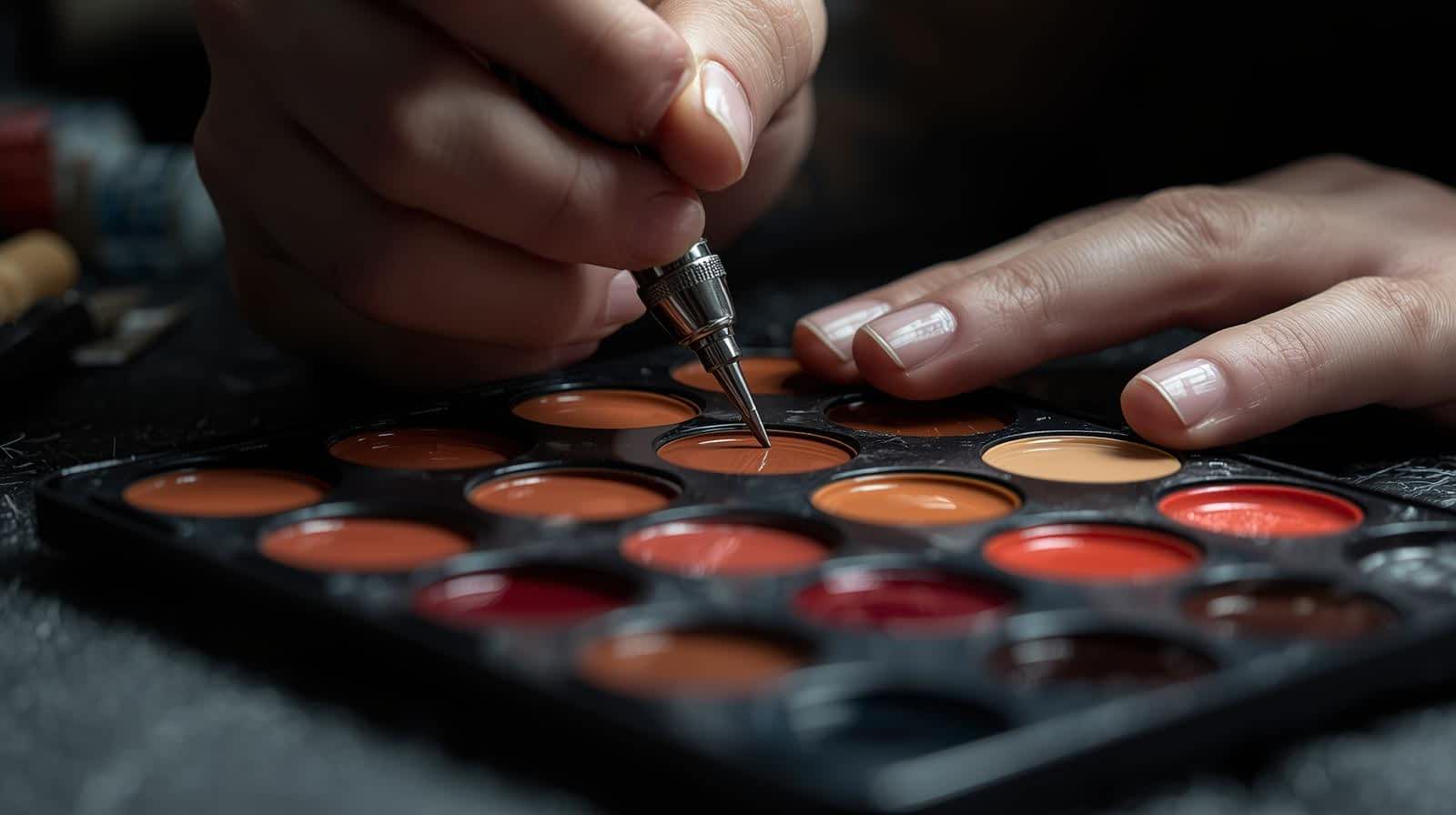
Ensure that the colour, design and shading is skillfully planned and executed. This will help create a realistic areola tattoo. These factors should be customized for you to match an existing nipple, replicate what you are used to or align with your personal preferences. Colour, shape, size is unique to each woman.
Like with art, colour theory is a vital component of tattooing. It’s extremely important that the technician you select is experienced and knowledgeable on the role of skin tones and undertones as well as how they will impact the way colour pigments show up on you.
Before finalizing an areola design on your body, ensure the technician can draw it on paper first. This will show whether they have the artistic skills to deliver on the design you have selected.
Proper technique will ensure the colour pigment stays vibrant as the skin heals and tattoo develops. Stretching of the skin as the needle is tattooing will also help achieve this and ensure the ink does not fade.
Other things to look for include: no patchiness, clean line work, and smooth shading.
Colour and Camouflaging Scars
Tattooing can cover a scar that is light by making it darker, but it is very difficult to make a dark scar lighter
Laser therapy may help in lightning scars and should be considered if lighting is needed before embarking on tattooing
Empathy
Your needs are important during this experience. Ensure you feel comfortable with your technician
A technician should be patient throughout the process from deciding on a design to respecting your needs for breaks while getting the tattoo
Asking questions and speaking up if you are uncomfortable provides a better experience for you, and also ensures the technician is attuned to your needs
Cost
The cost of areola restoration can vary from $500-$1500 depending on whether it is unilateral or bilateral
Some provinces offer coverage through public health insurance
Though costs may increase with the use of proper PPE and medical grade pigment, you should insist on these
Is areola tattooing right for you?
Get your questions answered in our Areola Tattooing Workshop.
Let’s navigate this together
Join a community that understands. Receive expert advice, useful resources, and compassionate tips throughout your cancer journey in the LGFB newsletter
Newsletter Form
Breast Forms: Fittings and Retailers
Find a Retailer in your Community
There are many retailers across Canada which carry breast care products. Medical specialist shops are one option and they often carry a large variety of products. Larger departments stores and lingerie stores can carry some mastectomy bras and breast forms too.
Consider asking for recommendations from your cancer care centre, friends or family members, or search online. You can also reference Anita Canada’s list of certified retailers to find one near you. Remember to call ahead to book an appointment and ask questions.
Preparing for a Breast Form Fitting:
Most fittings are more than an hour – call and book an appointment
Schedule 6+ weeks after surgery
Ensure you don’t have any swelling to find a proper fit
Wait until there’s no drainage at site
You should be completely healed: no wounds or bandages
Bring a fitted t-shirt to test how your bra looks underneath it
Nervous about going into a retail breast form shop?
Call ahead and ask some of these questions:
Do they carry a full range of products?
Can you try all of the products on?
Will they explain the differences in products to you?
Do they offer a private fitting room with a full-length mirror?
How busy will they be at the time of your appointment?
Is the retailer knowledgeable of various surgery types and treatments?
Let’s navigate this together
Join a community that understands. Receive expert advice, useful resources, and compassionate tips throughout your cancer journey in the LGFB newsletter