
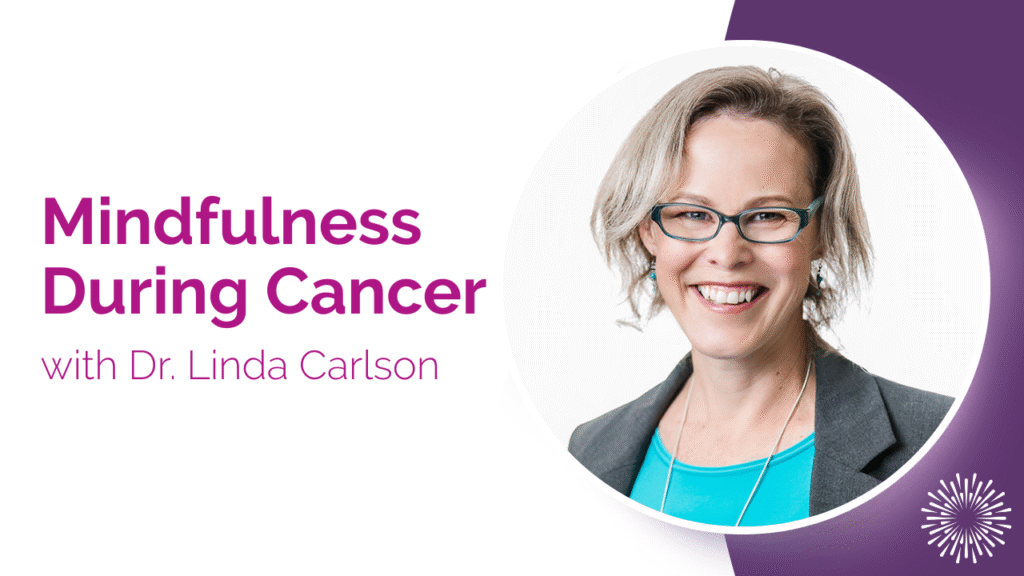
Finding Calm Through Mindfulness Meditation
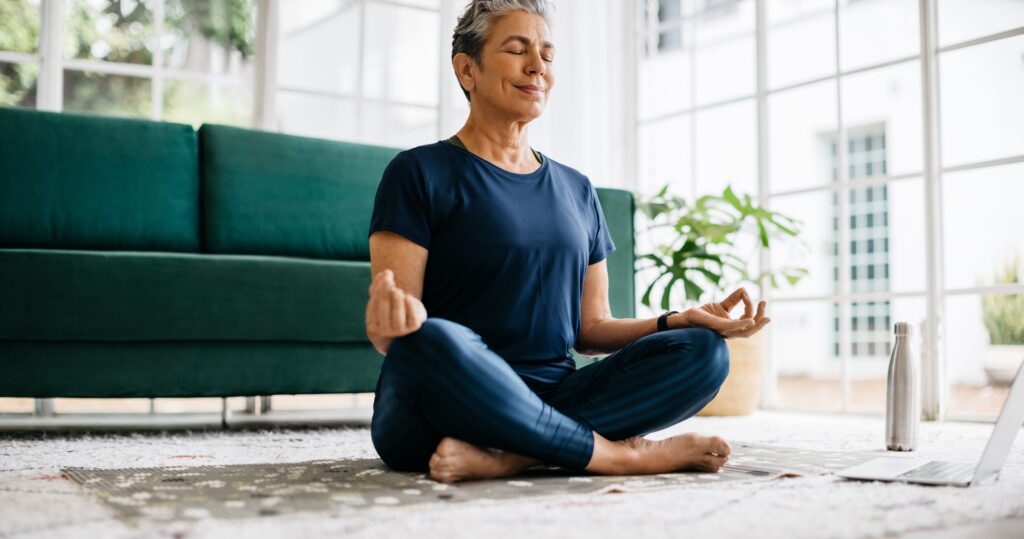
A cancer diagnosis can take a toll on the mental health of patients, families, and caregivers. Guided imagery — a form of visualization meditation — has been shown to reduce stress and anxiety, helping people feel calmer, more in control, and better able to cope with fears about the future and recurrence.
About this Workshop
The information and dialogues are designed to help you understand:
How stress, worry, and uncertainty affect your nervous system and overall wellbeing
How mindfulness meditation can help calm your mind and relax your body
How to practice short visualization exercises you can use at home to help manage anxiety throughout the cancer experience, including during treatment and beyond
Topics Covered in Finding Calm Through Mindfulness Meditation include:
The benefits of mindfulness meditation throughout the cancer experience
How to use visualization meditation to help manage stress, anxiety, and fear of recurrence
Simple ways to incorporate mindfulness into your daily routine
This workshop is available ONLINE
Join us!
- This session is led by a certified meditation teacher and includes a guided, story-based visualization meditation.
- It is roughly an hour and fifteen (1:15) minutes in length and is delivered over Zoom.

Who should attend this workshop?
- Individuals who are pre-treatment, currently in treatment, post-treatment, or living with cancer.
-
Caregivers, and anyone interested in learning more about using mindfulness meditation to cope with cancer-related stress and anxiety.
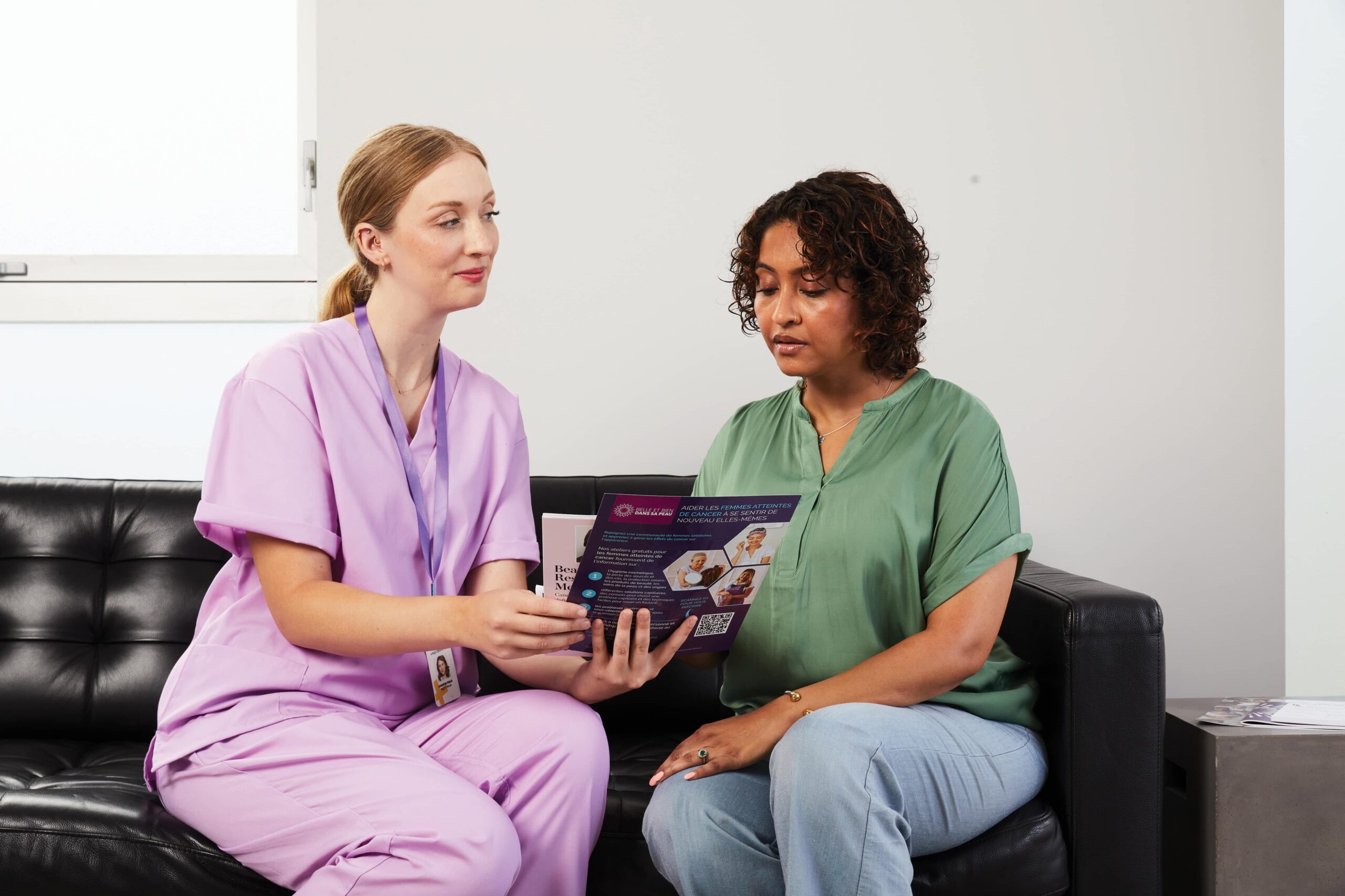
Let’s navigate this together
Join a community that understands. Receive expert advice, useful resources, and compassionate tips throughout your cancer journey in the LGFB newsletter.
Newsletter Form
Vaginal and Vulvar Dryness & Pain
Sexual Desire (Libido)
Practical Strategies: Where to Start
Sexual Activity & Relationships
Hormones & Treatment Decisions
Hormones & Treatment Decisions
Safety Questions
Getting Support
Finding Your Style
Dressing a Changed Body
Weight Changes & FLuctuating Sizes
Comfort, Side Effects, & Personal Needs
Shopping, Budget, & Overwhelm
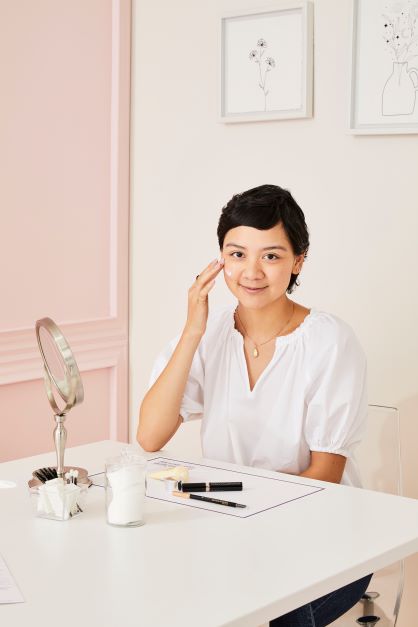
From skincare and makeup guidance to scarf-tying techniques and mindfulness practices, this video library offers practical tools to help you feel more confident, comfortable, and supported.
Skincare & Makeup Videos with Beauty Expert Christine Cho
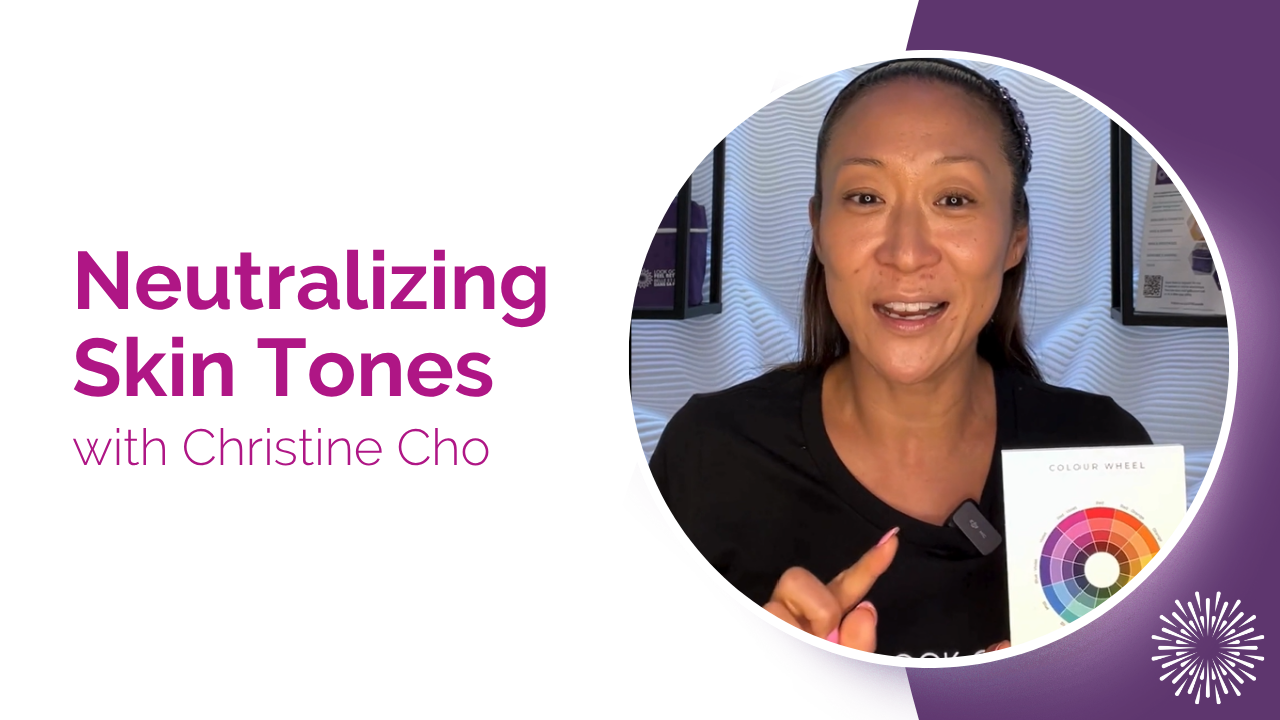
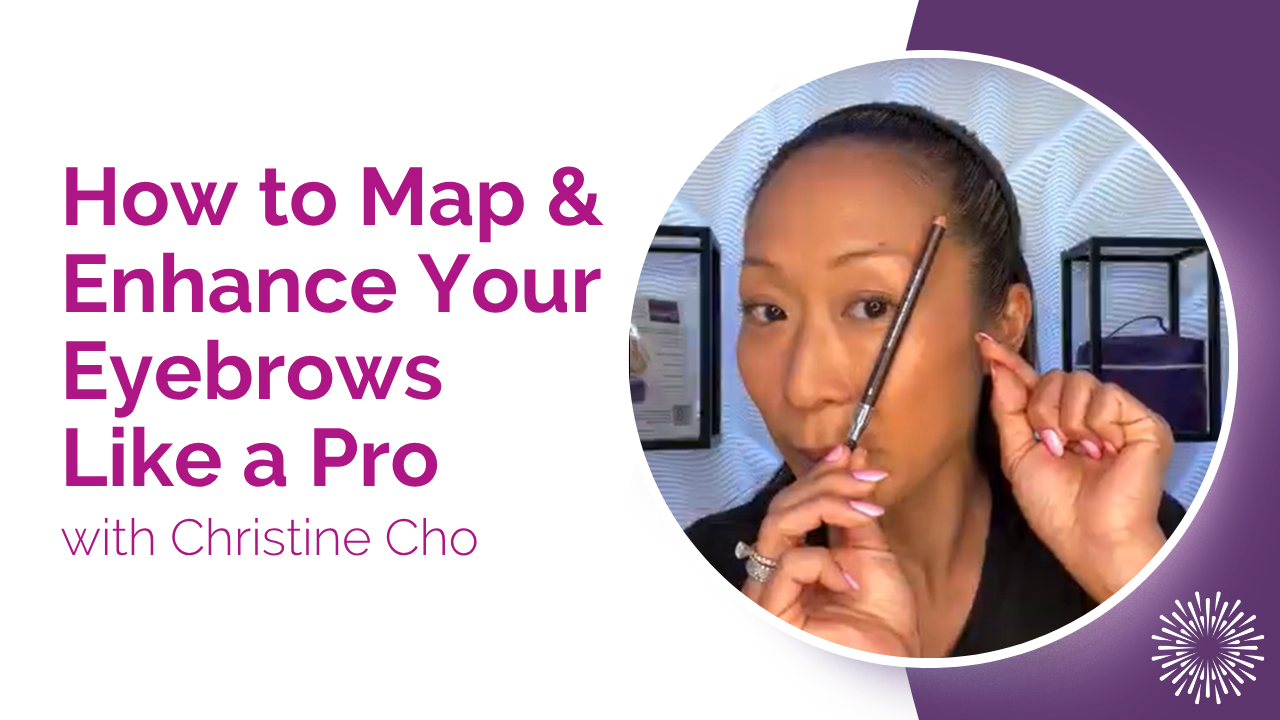
Advanced Skincare Videos with Onco-Dermatologist Dr. Maxwell Sauder



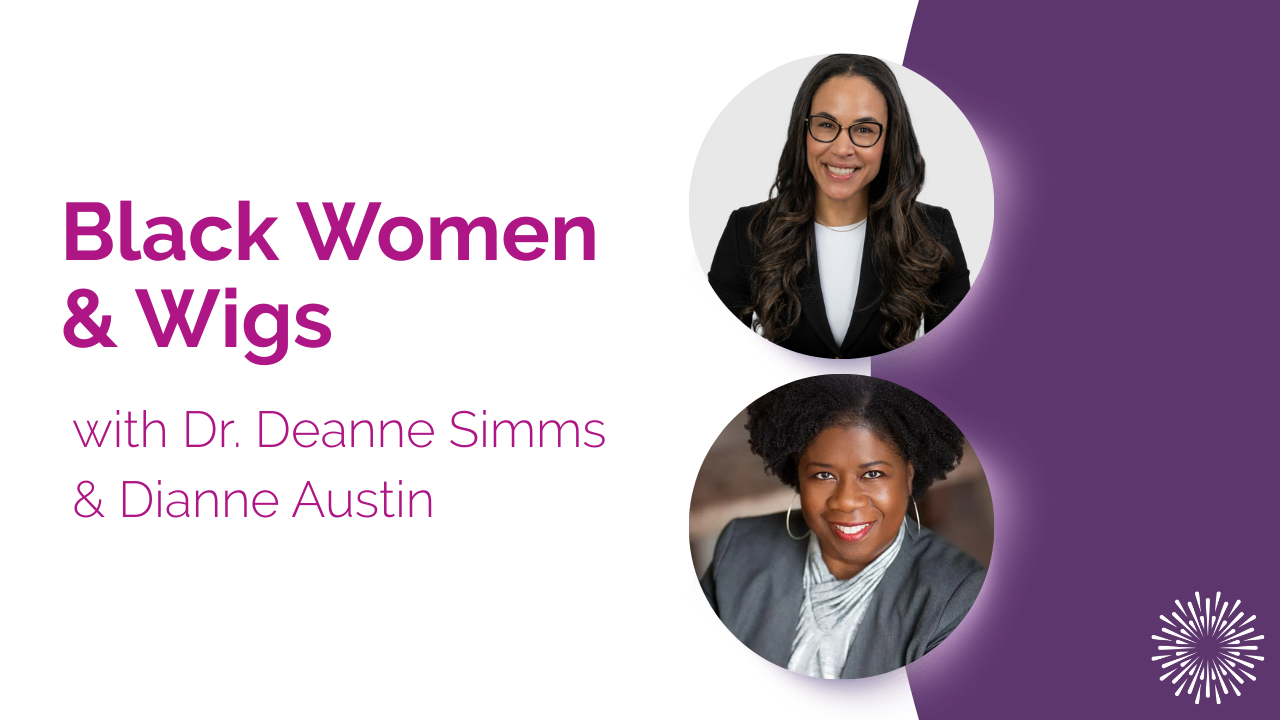
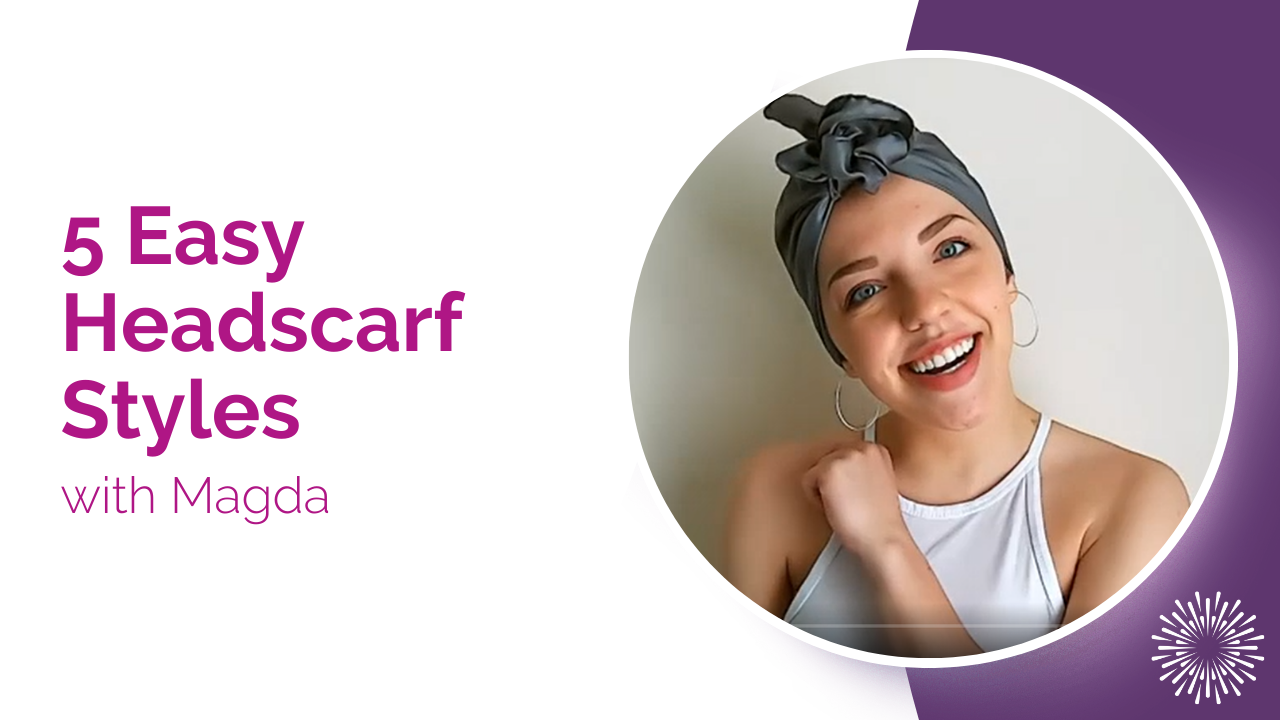
Wigs & Scarves Videos
Mindfulness Videos

Nutrition Videos
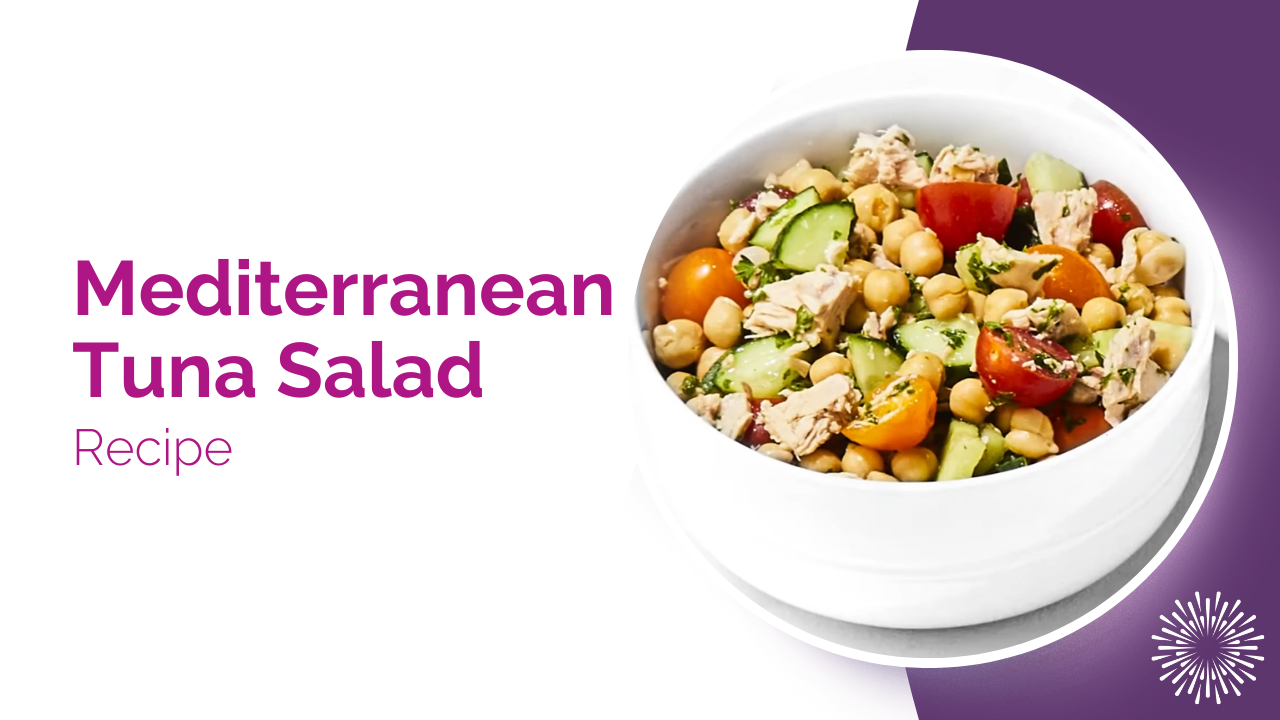
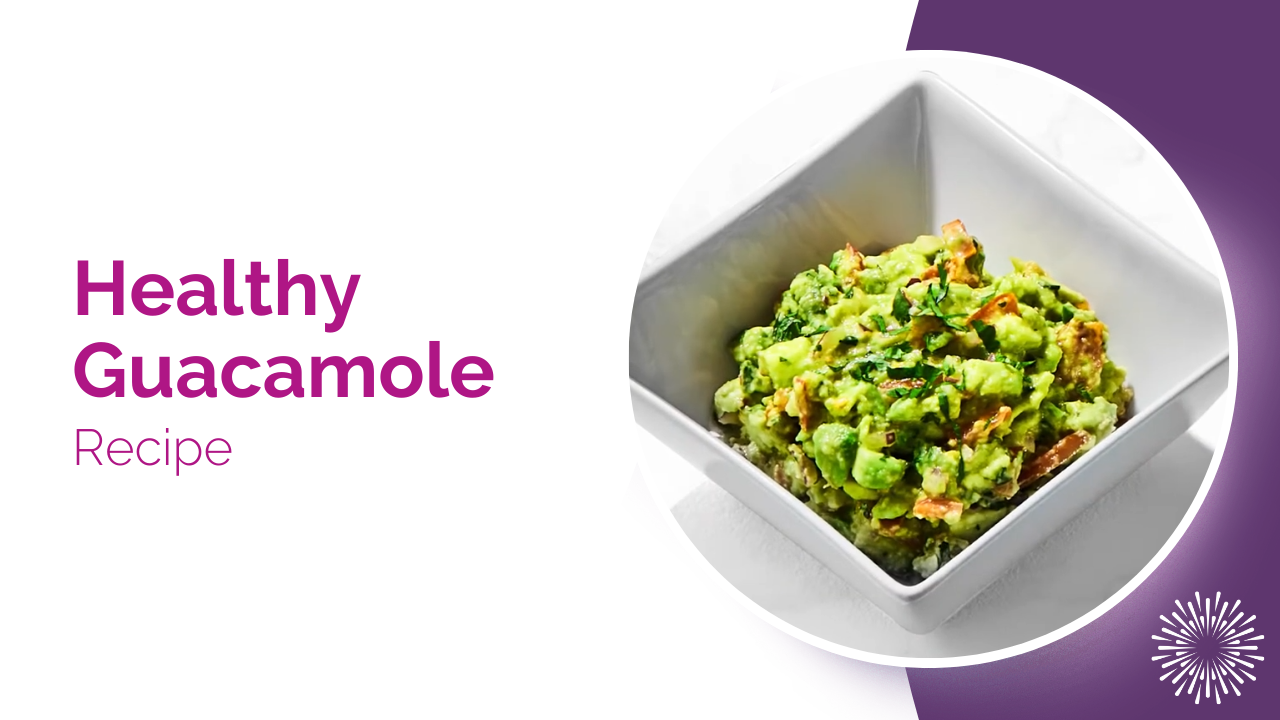
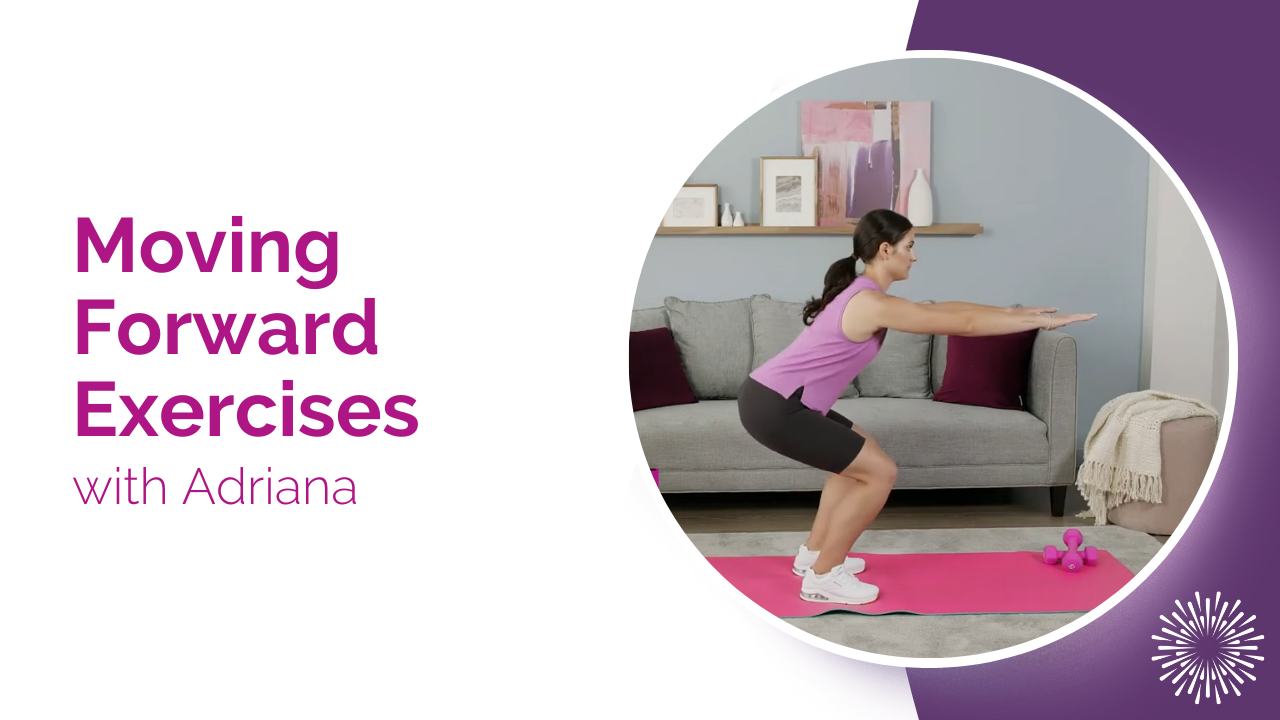
Exercise Videos
On International Women’s Day, we celebrate the strength, resilience, and compassion of women everywhere. At Look Good Feel Better, we see that strength every day in the women navigating cancer who participate in our workshops, as well as in the caregivers—most often women—who stand beside them, and the health care professionals who provide compassionate care along the way. We are also deeply grateful for our community of volunteers, nearly all women, whose generosity and dedication help uplift patients with confidence, connection, and support throughout their cancer journey.
Here are a few thoughts we’d like to share this International Women’s Day.
“I am so proud that Look Good Feel Better is a national organization that sees, supports and empowers women. On International Women’s Day, I want to recognize that women are at the core of so much of what we do – they are workshop participants, volunteers, donors, supporters, caregivers, healthcare professionals and LGFB staff.”
—Susan Larkin
President and CEO, Look Good Feel Better
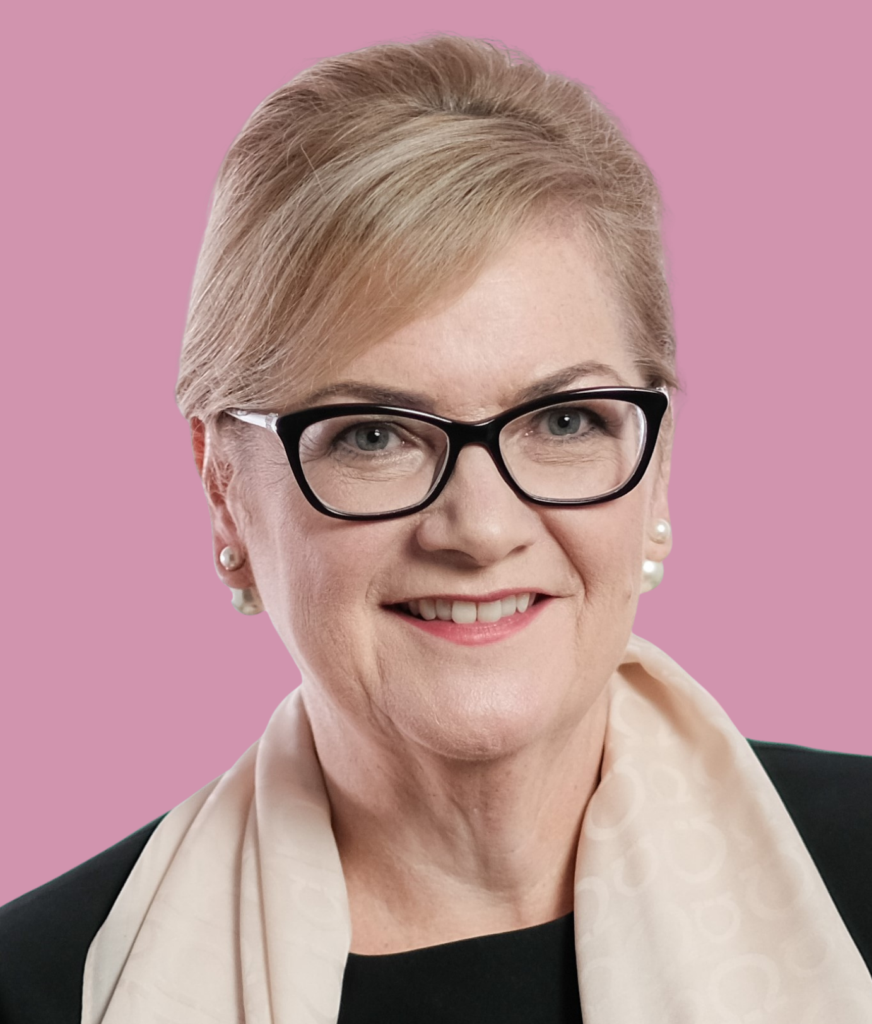
“When we mentor women, we don’t just give guidance — we gain a stronger, braver, more equitable future. Give your experience, your voice, your support — and you gain a community of women who are ready to lead.”
—Louanne McGrory
Board Chair, Look Good Feel Better

“This year’s International Women’s Day theme #GiveToGain, is more than a message — it’s a mandate. It speaks to a fundamental truth: generosity is a catalyst for equality.
When we give — our time, our mentorship, our influence, our advocacy — we are not giving something away. We are investing forward. We are multiplying opportunity. We are accelerating progress.
I’ve had the privilege of working alongside impactful organizations such as the Shoppers Drug Mart Foundation for Women’s Health, Go Further Women at Loblaw, and the Women’s Health Collective Canada — communities built on the belief that advancing women’s health and leadership is not a peripheral effort or initiative, but a societal imperative. These efforts prove that intentional collaboration creates sustainable, measurable change.
International Women’s Day is a call to action — at home, at work, and within our communities. Each of us has something to give. And when we give boldly and collectively, we don’t just support women — we reshape the future.
When women rise, the world rises with them.”
—Nneka Ezurike
Pharmacist, Pharmacy-Owner, Shoppers Drug Mart, Co-Founder, BBPC and International Speaker & Moderator
Before I was diagnosed with stage 4 cholangiocarcinoma, I lived a very active lifestyle. I was at the gym all the time, doing cardio and strength training. I loved going out and socializing with friends. I had not only a full-time job, but also a side hustle. Type A personality? You bet. I didn’t get much sleep.
Once I got my diagnosis, everything completely changed. My life as I knew it just kind of blew up. But it has been replaced with something fantastic, which is that I’m now really focused on healing and wellness.
These days, I’m doing yoga, mindfulness meditation, and reflexology. I’m writing and listening to music. I’ve slowed down and I’m really living in the present now, and the benefits have been incredible. I’m getting so much more out of life because I’m living every day to the fullest. It may surprise you, but what inspired this new way of living was beauty.
Undergoing cancer treatment is a very unglamorous time for a woman. I no longer recognized myself. My hair had been long, thick, and healthy, but it started coming out in chunks. My skin was dry and breaking out with acne and rashes. I’d had all these procedures that resulted in scars and lots of little marks from the poking and prodding. And during chemo, certain things are restricted like manicures, pedicures, and hair colouring. I had started feeling really awful. I didn’t want to go out – I could feel the social isolation creeping in. And so when I found out about the Look Good Feel Better (LGFB) program, I thought, you know what, it can’t hurt to go. And it made such a difference.
When I arrived at the LGFB workshop, I was warmly greeted by the volunteers hosting the program and the other ladies attending. That alone made me realize, hey, I’m not in this by myself. Talking and laughing with the other women, and getting all these great hair and makeup tips, gave me a real boost.
I was given a bag of makeup and the items were just perfect. I especially loved this bright pink lipstick and a beautiful rose-coloured blush. I was suffering from chemo-induced anemia and looking really pale, and these items brought a much-needed pop of colour to my face.
LGFB was the first program that I was well enough to attend, and it was the first time in my cancer journey that I felt seen, welcomed, and socially connected. It was very powerful. The workshop opened up a lot for me. When I was going out afterwards, I felt like a piece of my former self had returned. I didn’t feel self-conscious anymore. I even started getting compliments!
The boost I got from the LGFB workshop was what started my interest in pursuing health and wellness activities. I shifted from a high-pressure, goal-focused lifestyle to one centered on healing, presence, and wellness.
I’ve really learned to slow down and enjoy every single day. There’s so much joy in living in the present. It’s very healing. I find joy and gratitude in so many things: the sun shining, a walk through the neighbourhood, a call from a friend, or snuggling with my adorable cat Marge Simpson. Having cancer completely changed my entire life. Surprisingly, it’s not all negative. I feel so blessed.
With February marking Cholangiocarcinoma Awareness Month, sharing my story feels especially important right now. I want other people facing a stage 4 diagnosis to have hope, knowing it’s not necessarily the end. And I hope that every woman facing cancer will have the opportunity to experience an LGFB workshop.
Psychosocial Support
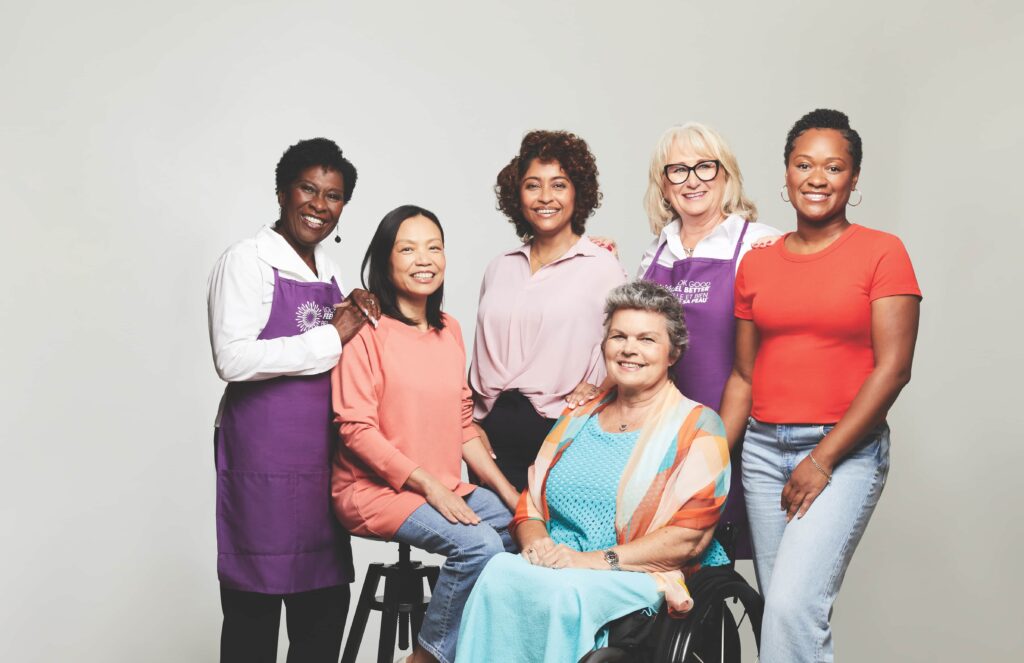
Look Good Feel Better is here for you with emotional, social and practical supports and resources.
We’re here when you need us
At Look Good Feel Better, we know that cancer doesn’t just affect the physical body. We support the whole person, addressing the emotional, psychological, and social well-being of you and your family.
Our workshops are run by caring, knowledgeable volunteers with expertise in their topics. Our resources offer practical advice and address topics that aren’t always covered by medical teams.
Whether you want to join one of our workshops, have questions at 4am (when the rest of your support system is asleep), or you want to connect with someone who understands what you are going through, know that we see you and will support you, no matter where you are in your cancer journey.
What we offer:
Caring, non-judgemental workshops that address the physical and emotional side-effects of cancer treatment (available in-person and online)
A supportive community that appreciates that every person is unique but also shares some understanding of what you’re experiencing
Practical resources and tips, whether you are pre-treatment, in-treatment, post-treatment or living with cancer
Access to our programming, no matter where you live. We are here for all Canadians
We’re here for you.
Find support, expertise, and practical tips in our workshops.
Let’s navigate this together
Join a community that understands. Receive expert advice, useful resources, and compassionate tips throughout your cancer journey in the LGFB newsletter.
Newsletter Form
Cancer Support Resources
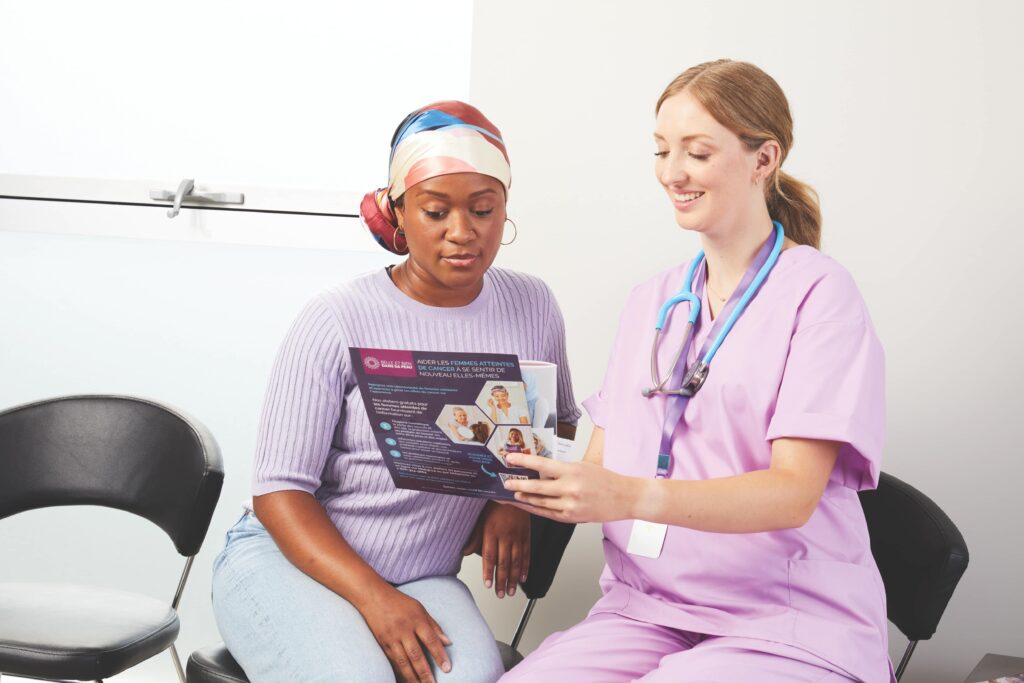
Look Good Feel Better offers free cancer support resources for the whole person—covering breast care, caregiver support, men’s programs, nutrition, and psychosocial well-being. From skincare and makeup tips to mindfulness, hair, wigs, and teen workshops, our resources empower confidence before, during and after treatment.
LGFB strives to provide you with important information through Supportive Workshops & Helpful Resources.
Take a look through our can cancer support resources to discover helpful tips, tricks, and techniques that will give you confidence and knowledge through your cancer journey.
Resources by Topic

Additional Resources to Explore
Let’s navigate this together
Join a community that understands. Receive expert advice, useful resources, and compassionate tips throughout your cancer journey in the LGFB newsletter.
Newsletter Form
LGFB Magazine
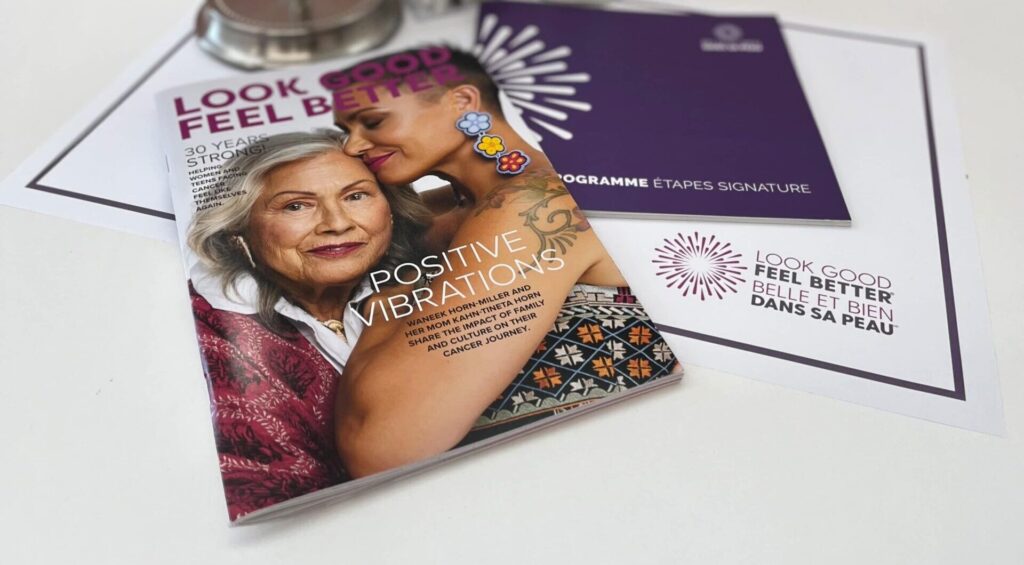
Check out our interactive magazine, filled with heartwarming stories, useful tips, and so much more! Look for the play button on our feature articles! Just click to watch and listen as our experts walk you through skincare, fitness, scarf-tying, cosmetics, mindfulness and more.
Like hands-on learning?
Get expert advice, practical tips, and support in our workshops.
Let’s navigate this together
Join a community that understands. Receive expert advice, useful resources, and compassionate tips throughout your cancer journey in the LGFB newsletter.
Newsletter Form
Tips for “the village” of caregivers
In many families, one person — often a spouse, child, or sibling who lives nearby — takes on most of the everyday responsibilities of caring for someone with cancer. But friends, neighbours, and co-workers can also play a vital role in supporting both the person with cancer and their primary caregiver.
Practical Support
As you spend time with your friend and see how cancer is shaping their daily life, you’ll discover meaningful ways to help. Here are some places to begin:
Stay in touch. Send short, frequent texts or emails, or make quick calls at times that work for them. Setting a regular check-in can take the pressure off them to reach out.
Support the primary caregiver too. Ask what they need. Offer to take one or two regular tasks off their plate, or simply listen without judgment.
Show up. Cancer can feel isolating. Even a short visit matters, whether or not your loved one feels like talking. Your role is to be present without pressure.
Be specific. Instead of saying “Let me know what I can do,” offer concrete help and follow through — a weekly meal, grocery run, school pickup, or light housework. Small, consistent contributions add up.
Compassionate Conversation
Many people worry about “saying the wrong thing.” What matters most is showing up, listening, and meeting your loved one where they are.
Let them lead. If they’re withdrawn or quiet, don’t push them to be positive. If they’ve had good news, check how they feel before celebrating.
Offer grace. Treatments, side effects, and fatigue can impact mood. Don’t take irritability or withdrawal personally — it’s often a normal part of coping.
Talk openly — but not only about cancer. Acknowledge their illness when it feels right, but remember they may also want to chat about everyday topics or weigh in on what’s happening in your life.
Offer quiet presence. If they’re comfortable, sitting beside them or holding their hand can be more powerful than words.
Let’s navigate this together
Join a community that understands. Receive expert advice, useful resources, and compassionate tips throughout your cancer journey in the LGFB newsletter.