
Nail Care During Cancer Treatment
Cancer treatment doesn’t just affect your hair and skin—it can change your nails too. Your nails (and the skin around them) might get weaker, develop ridges, get thicker or discoloured, or even fall off. It might sound a little scary, but don’t worry—it’s only temporary and totally normal during treatment.
Tips to Keep Your Hands & Feet Healthy
Want to keep your nails and skin in good shape?
Try these easy tips:
Skip Cutting Your Cuticles – it can lead to cuts or infections (use cuticle cream to keep them soft and help avoid hangnails)
Moisturize Often – with a thick, rich hand cream (your hands will thank you!)
Keep Your Nails Short – so they're less likely to break or snag
Wear Rubber Gloves – when doing stuff like dishes or cleaning. Too much water exposure can cause nail infections
Nail Polish & Salons – What to know!
Still want to rock some nail polish?
Go for it and play it safe!
Stick with light or neutral pinks for a natural, healthy look
Use acetone-free nail polish remover – it's always less drying
If you go to the salon, let them know you're in treatment so they can be extra gentle and hygienic
Not everything has to change during treatment.
Get tips about nails, skincare makeup and hair in our Teens Workshop.
Let’s navigate this together
Join a community that understands. Receive expert advice, useful resources, and compassionate tips throughout your cancer journey in the LGFB newsletter
Newsletter Form
Dealing With Hair Loss During Cancer Treatment
For some people, losing their hair can feel even harder than getting a cancer diagnosis. And that’s totally valid. Your hair might feel like a big part of who you are—it’s how you express yourself, feel confident, or just feel like you. Since hair loss is a visible sign of illness, it can mess with how you see yourself and how others see you. You might feel anxious, vulnerable, or just off.
But here’s the good news: Hair loss is temporary
And there are lots of things—like wigs, hats, or even totally new looks—that can help you feel more confident while your hair takes a break.
Whether you want to keep things feeling familiar or try something bold and new, we’ve got a few tips to help you through it.
Dealing With Thinning Hair
If your hair’s starting to thin, here are some ways to take care of it:
Don’t dye or bleach it—your hair is more fragile right now
Use a moisturizing shampoo and conditioner to help soften brittle strands
Try going shorter—it can make thinning hair less noticeable and puts less stress on the roots
Avoid heat styling tools (like blow dryers and curling irons), hairsprays, and products with alcohol
Sleep on a satin or silk pillowcase—it’s way gentler on your hair and scalp
Not everything has to change during treatment.
Get tips about nails, skincare makeup and hair in our Teens Workshop.
Let’s navigate this together
Join a community that understands. Receive expert advice, useful resources, and compassionate tips throughout your cancer journey in the LGFB newsletter
Newsletter Form
Picking Out a Wig That Feels Like You
Finding the right wig might take a little time, but it’s totally worth it to get one that makes you feel comfortable and confident. Whether you want something that looks just like your usual hair or you’re ready to try something totally new, here’s what to know:
Wig Shopping Tips:
Book an appointment – Trying on wigs usually takes around 45 minutes to an hour, so it’s best to plan ahead
Ask about wig caps – Some salons offer thin nylon caps to wear while trying wigs (they help keep things clean and comfy)
Bring backup – Take a friend, sibling, or parent for support and honest opinions
Bring a pic of your hair – A photo of your favorite look helps the stylist find something similar in style and colour
Keep your own hair short – Experts say keeping it around ¼ inch or shorter makes wigs fit better and feel comfier
Try lots of styles and colors – You might be surprised by what you like. Exploring different looks can actually be fun and empowering!
Take your time – You don’t have to pick the perfect wig in one visit. It's okay to take a few trips before deciding on the one that feels right for you.
At the Salon:
Ask if they provide nylon wig caps (for hygiene + comfort).
Try on a few different styles – even ones you wouldn’t normally pick.
Try a range of colours – you might find a fun new look.
Ask about care instructions and how to style each wig type (real vs. synthetic).
Check how the wig feels – is it itchy? Too tight? Too loose?
Questions to ask at the Salon:
- Do you have wigs made for people going through cancer treatment?
- Can you help style or trim the wig once I pick one?
- How do I wash and take care of this wig?
- What’s the return/exchange policy if I change my mind?
- Can you recommend anything for keeping my scalp comfy under the wig?
You’re not alone in this.
Connect with others who get what you’re going through in our Teens Workshop.
Let’s navigate this together
Join a community that understands. Receive expert advice, useful resources, and compassionate tips throughout your cancer journey in the LGFB newsletter
Newsletter Form
Taking Care of Your Mouth During Cancer Treatment
See Your Dentist First
Your dentist is part of your healthcare team. After you’ve been diagnosed with cancer and before you start treatment, go see your dentist. They’ll check for things like cavities or gum problems that could cause issues later.
Dry Mouth, Sores, and Other Problems
Cancer treatment can sometimes cause a dry mouth, mouth sores, or even a weird metallic taste. Here’s how you can help protect your mouth and feel more comfortable:
Use a soft toothbrush and toothpaste made for sensitive teeth
Rinse your mouth a few times a day. Try alcohol-free mouthwash, a mix of baking soda and water, or a mild saltwater rinse to help with sores or discomfort.
If your mouth feels dry or tastes bad, try sucking on a fruit-flavoured popsicle or sugar-free hard candy
We’re here for you.
Come learn how to minimize and manage side effects with people who get it in our Teens Workshop.
Let’s navigate this together
Join a community that understands. Receive expert advice, useful resources, and compassionate tips throughout your cancer journey in the LGFB newsletter
Newsletter Form
Body Image after Cancer Treatment and Surgery
For many people living with cancer or in remission, changes in appearance can be a major source of concern and anxiety. This is not vanity. Much of our identity is related to our physical appearance from how we wear our hair to what clothes we choose. Body shape and size, including breasts, are often tied to a sense of self, self-expression, sexuality, and self-esteem.
Appearance Related Side-effects
Appearance-related impacts of cancer can be temporary (like hair loss and skin changes) or more permanent (like surgery or scarring). They can all affect a person at a time when they may already feel vulnerable, which can negatively impact their mental and emotional health.
For anyone facing a cancer diagnosis, there’s enough to cope with emotionally without also feeling that there’s no space to speak about body image issues or that it is somehow selfish or vain to worry about them. For Dee-Jay Jodoin, a B.C. woman in remission, changes to her physical appearance like hair loss and weight gain were hard to accept.
The Physical and Emotional Connection
“People going through cancer treatment often experience a change in their body image and in their relationship with their body,” says Monique Voorn, a social worker at the Simcoe Muskoka Regional Cancer Centre in Barrie, Ontario. “They may be unhappy about how their appearance has changed, whether they’ve had breast surgery or scars they don’t like, or lymphedema. Sometimes, a woman may not have had significant visual changes to her body but feels like her body has failed her or that she can’t count on it.”
There can also be physical changes that a person may not expect. “With radiation, there are skin changes,” notes Larissa Dyck, an oncology nurse in Calgary, Alta. “The area that’s treated darken and may take a while to fade, and skin can get tighter and be uncomfortable for some patients, causing a loss of range of motion.”
Keloids – a type of raised scar that can arise after a surgery. These can be a particular concern for Black women specifically.
Weight can be an issue, too. Being on hormones can cause weight changes that can turn women’s body image completely upside down and they can get really down on themselves.
It takes time for women to recognize and appreciate the full impact of the changes they’ve undergone during their cancer journey. “It’s often near the end of treatment when it really hits women what they’ve been through and all the changes they’ve undergone – physical and otherwise,” says Dyck. “When patients are finished their treatment, they expect things to go back to normal — but they may still be on long-term hormones or medication, and that’s when it can be really hard. They expect their bodies to just bounce back, and they want to go back to work and exercise, but things aren’t the same as before.”
Empowerment is Different for Every Person
While physical symptoms can affect a person in a finite number of ways, the emotional experience is different for everyone.
“When some women lose their hair with chemo, they’ll proudly wear a head scarf. Other women have a complete loss of identity and want to wear a wig. They may fear that their partners won’t be attracted to them.”
Larissa Dyck
– Oncology nurse from Calgary, Alberta
“There’s a wave or rollercoaster ride of emotions in any type of cancer. There’s a lot of grief. We grieve all kinds of changes or losses in our lives that cancer brings — to your body, to your innocence, and to the carefree way that you may have used to experience life.”
Monique Voon
– Social Worker from Simcoe Muskoka Regional Cancer Centre
EVERY DAY WE HELP PEOPLE FEEL LIKE THEMSELVES AGAIN
Look Good Feel Better workshops help women, men and teens with cancer learn how to manage the physical, social and emotional impacts of cancer and its treatment in small and supportive groups.
Skincare & Makeup: Learn how to care for sensitive skin plus tips & techniques for managing the loss of brows and lashes, adding colour back to the face, makeup hygiene, and sun safety.
Bras & Prostheses: Learn about options available for post-surgery and beyond, what to expect at a breast form fitting, tips for where to find financial coverage, and more.
Wigs & Scarves: See a demonstration on various head coverings, what to consider when selecting a wig, easy scarf-tying techniques, plus caring for your scalp during and after treatment.
Teens: This special workshop just for teens includes skincare, on-trend make-up tips to feel your best and a demonstration of fun styles for caps, wraps, and hair alternatives.
Let’s navigate this together
Join a community that understands. Receive expert advice, useful resources, and compassionate tips throughout your cancer journey in the LGFB newsletter
Newsletter Form
Is Areola Restoration (a.k.a. Nipple Tattooing) right for you?
Nipple tattooing uses ink and shading techniques like traditional tattooing; this gives the illusion of 3D nipples where none exist. After breast cancer surgery, some people choose in areola restoration because it provides them a sense of confidence, empowerment, and comfort.
Whether you choose to include this in your post-cancer journey is entirely up to you. Here are some of the things to consider if you choose to explore this option.
Is there a ‘Right Type’ of Breast Tissue?
The first important thing to know is that nipple tattoos can be done on any type of tissue:
Reconstructed breast, with or without implants
Reconstructed nipples
Chest wall after a mastectomy
“Is a mastectomy tattoo the same thing as a nipple tattoo / areola restoration?”
No! Areola restoration are realistic tattoos done to look like an areola and 3D nipple. Decorative Tattoos, also known as mastectomy tattoos, are a form of body art that can be used to cover or camouflage scars. These types of tattoos can be any type of design or image. Many patients find it to be an empowering form of self-expression and an opportunity to redefine one’s experience after breast cancer surgery.
How do I find a Nipple Tattoo technician?
You are investing both time and money into the procedure so you should be comfortable with the person doing the work
- The tattoos are permanent, so you want to be confident in your choice.
- If you are feeling overwhelmed, ask a trusted friend to help you make calls and pre-screen with you.
- You might also want to speak to your doctor, medical team, or other women for references too.
- Before deciding on a technician, ask to see photos of the technician’s work. You can also request to call, email, or meet with a former client and ask about their experience.
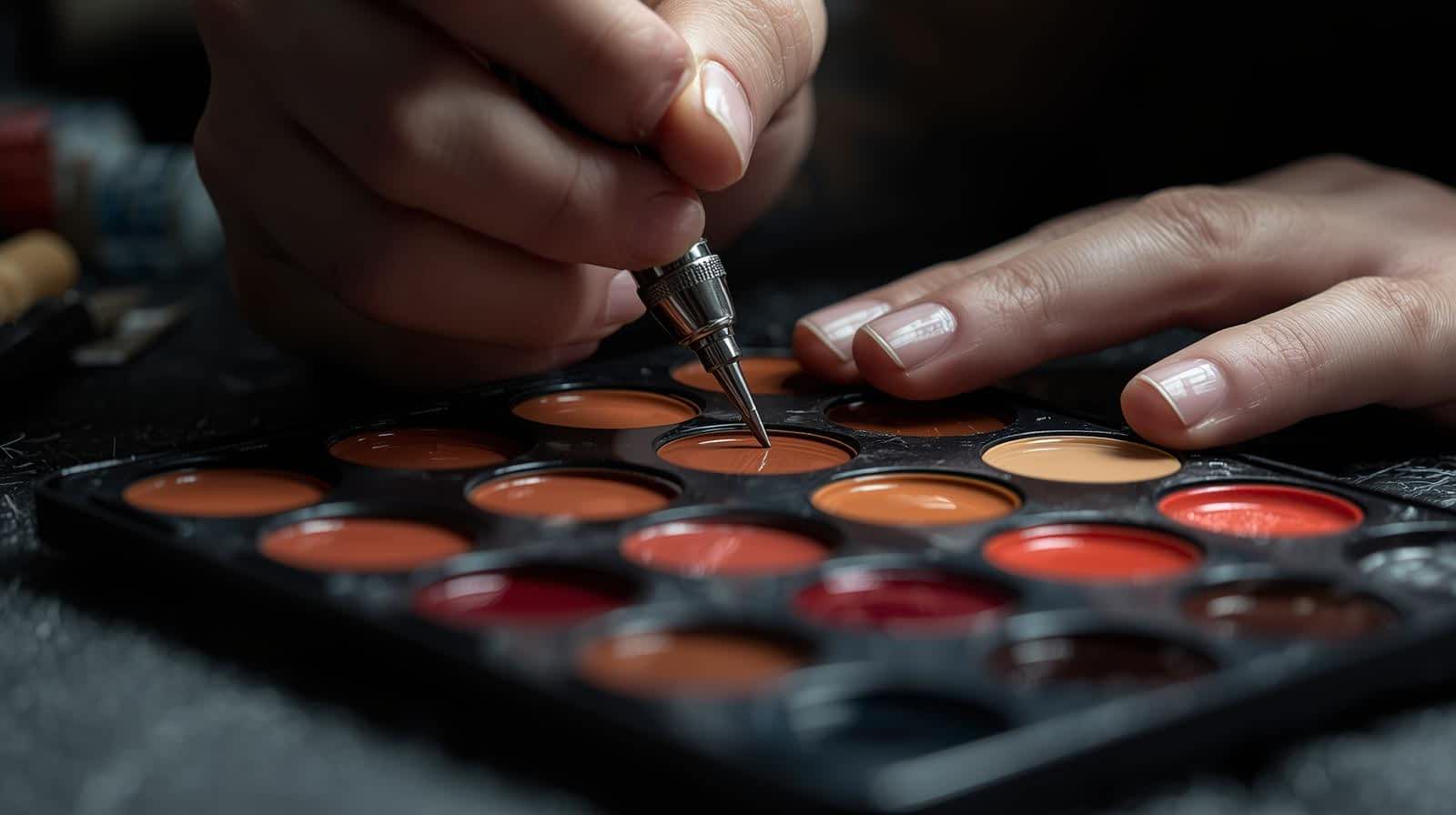
Consider these things when choosing a technician:
Safety
Choose a place registered with your local public health unit
Tattooing is not regulated under Federal or Provincial governments. Establishments, however, can register with public health and will be inspected and regulated
Public health regulations will include standards on things like hand washing, sterilization, single-use needles, and bagging of machines to prevent the risk of infection
Artistry & Technique
Ensure that the colour, design and shading is skillfully planned and executed. This will help create a realistic areola tattoo. These factors should be customized for you to match an existing nipple, replicate what you are used to or align with your personal preferences. Colour, shape, size is unique to each woman.
Like with art, colour theory is a vital component of tattooing. It’s extremely important that the technician you select is experienced and knowledgeable on the role of skin tones and undertones as well as how they will impact the way colour pigments show up on you.
Before finalizing an areola design on your body, ensure the technician can draw it on paper first. This will show whether they have the artistic skills to deliver on the design you have selected.
Proper technique will ensure the colour pigment stays vibrant as the skin heals and tattoo develops. Stretching of the skin as the needle is tattooing will also help achieve this and ensure the ink does not fade.
Other things to look for include: no patchiness, clean line work, and smooth shading.
Colour and Camouflaging Scars
Tattooing can cover a scar that is light by making it darker, but it is very difficult to make a dark scar lighter
Laser therapy may help in lightning scars and should be considered if lighting is needed before embarking on tattooing
Empathy
Your needs are important during this experience. Ensure you feel comfortable with your technician
A technician should be patient throughout the process from deciding on a design to respecting your needs for breaks while getting the tattoo
Asking questions and speaking up if you are uncomfortable provides a better experience for you, and also ensures the technician is attuned to your needs
Cost
The cost of areola restoration can vary from $500-$1500 depending on whether it is unilateral or bilateral
Some provinces offer coverage through public health insurance
Though costs may increase with the use of proper PPE and medical grade pigment, you should insist on these
Is areola tattooing right for you?
Get your questions answered in our Areola Tattooing Workshop.
Let’s navigate this together
Join a community that understands. Receive expert advice, useful resources, and compassionate tips throughout your cancer journey in the LGFB newsletter
Newsletter Form
Breast Forms: Fittings and Retailers
Find a Retailer in your Community
There are many retailers across Canada which carry breast care products. Medical specialist shops are one option and they often carry a large variety of products. Larger departments stores and lingerie stores can carry some mastectomy bras and breast forms too.
Consider asking for recommendations from your cancer care centre, friends or family members, or search online. You can also reference Anita Canada’s list of certified retailers to find one near you. Remember to call ahead to book an appointment and ask questions.
Preparing for a Breast Form Fitting:
Most fittings are more than an hour – call and book an appointment
Schedule 6+ weeks after surgery
Ensure you don’t have any swelling to find a proper fit
Wait until there’s no drainage at site
You should be completely healed: no wounds or bandages
Bring a fitted t-shirt to test how your bra looks underneath it
Nervous about going into a retail breast form shop?
Call ahead and ask some of these questions:
Do they carry a full range of products?
Can you try all of the products on?
Will they explain the differences in products to you?
Do they offer a private fitting room with a full-length mirror?
How busy will they be at the time of your appointment?
Is the retailer knowledgeable of various surgery types and treatments?
Let’s navigate this together
Join a community that understands. Receive expert advice, useful resources, and compassionate tips throughout your cancer journey in the LGFB newsletter
Newsletter Form
Caring for Scaring
Healing from cancer surgeries involves both physical and emotional challenges. Managing scar tissue is an important part of your recovery journey.
BEFORE SURGERY:
- If you are prone to keloids, ask your surgeon how this can be best managed with medication, topical treatments or strategic scar placement.
- It is okay to be concerned about scarring and to advocate for yourself!
AFTER SURGERY:
- Follow care instructions from your surgeon to keeping the surgical site clean.
- Once approved by your surgeon (approximately one month after surgery), you can start massaging the scar using either a beauty oil or scar reducing oil.
- Silicone scar sheets can help improve healing.
- Don’t wear clothing that compresses the scar for at least 4-6 weeks after surgery. If that makes wearing a regular bra difficult, try a tube top, tank top, or leisure bra to provide support if needed.
- Wait at least one year after all treatments are done before getting any nipple or decorative tattoos.
Physical Discomfort
It can be discouraging to still feel pain, swelling, tightness, sensitivity or a restricted range of motion after completing cancer treatment. For some people, discomfort may last far past their expected recovery time from surgery or radiation.
Prolonged Discomfort
Prolonged discomfort may be a build-up of scar tissue inside the body, typically around the breast, chest or shoulder area.
Scaring can cause the surrounding tissue to become denser and less elastic and result in restricted movement and/or pain. Some patients describe it as feeling “sticky” or “like Velcro” when they try moving the affected area.
Easing Discomfort
You may want to consider adding a physiotherapist or massage therapist who specializes in caring for breast cancer patients to your care team.
Talk to your primary care team about your concerns and mention this possibility. If you find your medical team resistance to these suggestions, don’t be afraid to advocate for yourself.
Physiotherapy or massage therapy is done on the chest, breast and/or shoulders to loosen and soften tissue.
Your provider may suggest techniques such as:
Myofascial release
Deep friction massage
Cupping therapy
Remember to…
Talk to your surgeon or oncologist to ensure that enough recovery time has passed before booking an appointment with a physio or massage therapist.
What healthcare professionals provide care for scar tissue?
Typically, it will be a physiotherapist or massage therapist who will have specialized expertise and experience working with breast cancer patients.
Refer to the Society for Oncology Massage and Canadian Physiotherapy Association to learn more and access a directory.
Your provincial Lymphedema Association can also be a great resource for therapists familiar with breast-cancer related side effects.
Some healthcare professionals use the term Cancer Rehabilitation to refer to their services that help manage the common side effects of cancer and cancer treatment. This can be a great search term when looking for professionals in your area.
Questions to ask Professionals:
Are you a licensed Healthcare provider registered with the provincial college?
Are you experienced in treating breast cancer patients?
Do you provide techniques I can do at home?
Are these services covered by provincial healthcare?
Are they covered by private medical insurance?
You’re not in this alone.
Find a supportive community and get expert advice in our workshops.
Let’s navigate this together
Join a community that understands. Receive expert advice, useful resources, and compassionate tips throughout your cancer journey in the LGFB newsletter
Newsletter Form
Before Radiation
Start A Routine:
If you haven’t started radiation yet, now is an excellent time to start a skincare routine. It will help protect your moisture barrier and give you a good starting point.
Follow these simple steps:
Cleanse
Moisturize
Protect
Make sure you choose products that are labeled with words like:
Gentle
Fragrance-free
ph-balancing
For eczema
During Radiation Treatment
Here are some easy-to-follow tips to help your skin during treatment:
- Keep showers or baths short and use lukewarm water; avoid extreme temperatures.
- Use gentle, fragrance free and ph-balancing products daily to cleanse and moisturize.
- Protect your skin from sun because treatment areas will be extra-sensitive.
- Cover the treated area with sun-protective clothing or items you cannot see through when you hold them up to the light. If you can’t cover the area, ask your care team about sunscreen options.

Be Gentle with the Treatment Area
- Don’t rub, massage or scratch the area.
- Avoid using facecloths. The friction can damage the skin.
- Use a soft towel to pat skin just enough to remove water – don’t rub completely dry.
- Prevent rubbing and friction by wearing loose-fitting clothing, ideally cotton or other soft, breathable fabrics.

Things to Consider
- Save shaving or use hair removal creams for after treatment. Don’t try to remove hair from a treatment area.
- Consider products with thermal water, which have been shown to reduce radiation’s negative impacts on the skin.
- Keep areas under your breast dry to avoid fungal infections in the folds.
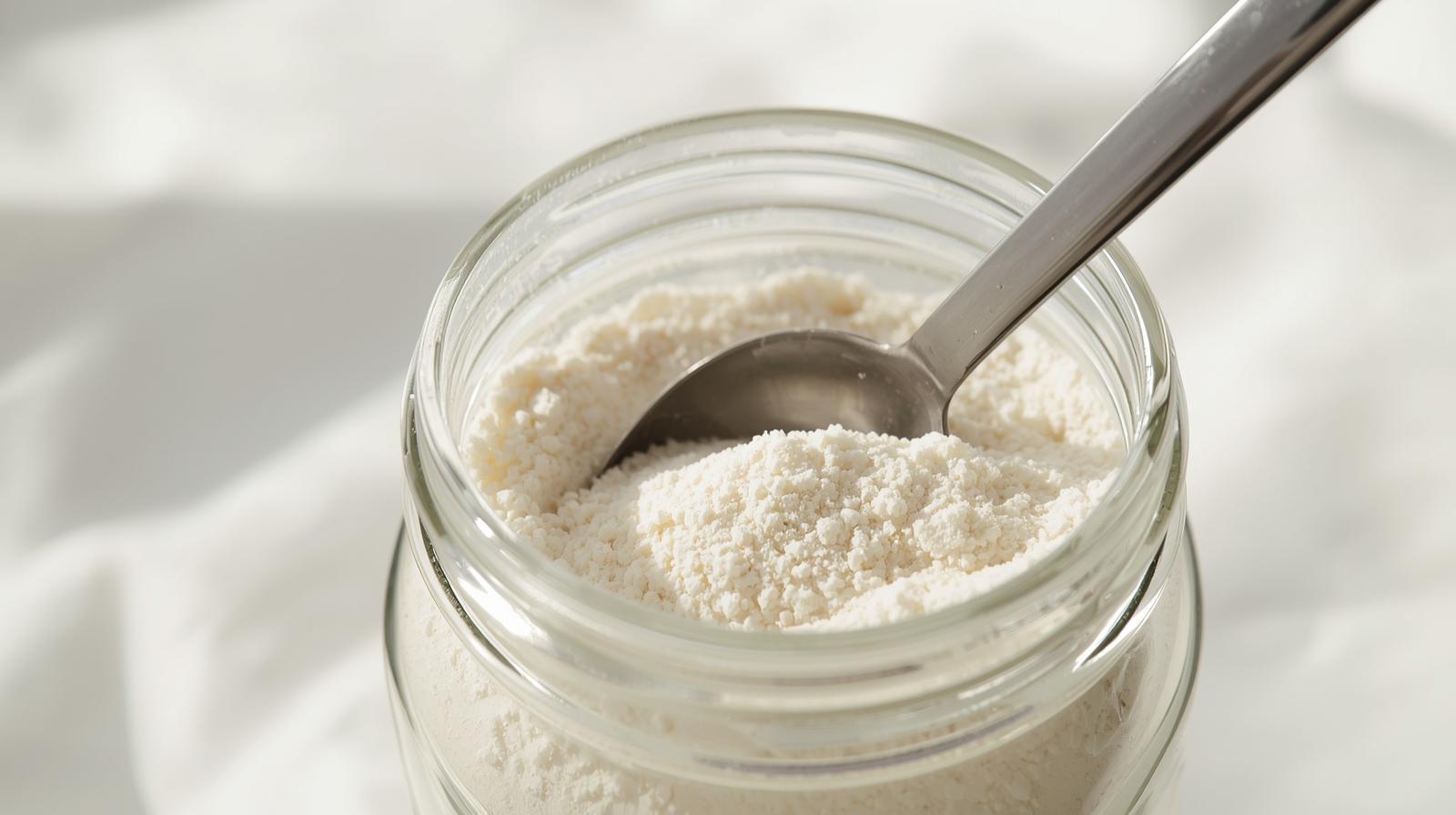
Cornstarch (not talcum powder) or an antifungal powder can help manage itchiness and redness.
Experiencing skin side effects?
Learn how to minimize and manage them in our Advanced Skincare Workshop.
Let’s navigate this together
Join a community that understands. Receive expert advice, useful resources, and compassionate tips throughout your cancer journey in the LGFB newsletter
Newsletter Form
Wig Care: What do you need?
A wire stand that allows air to circulate through the wig
If your wig is synthetic, special cleansers and leave-in conditioners (available at all wig salons), and a wide-tooth comb
If your wig is human hair, salon-quality shampoo and conditioner for chemically treated hair
About an hour for your first wig-cleaning experience
It will eventually take less time as you practice and gain experience caring for your wig
Cleaning Your Wig
Synthetic-Hair Wig:
- With a wide-tooth comb, gently but thoroughly brush or comb your wig before washing.
- Fill sink with cold water and thoroughly mix in 1 to 2 tbsp. (15–30 ml) of appropriate shampoo.
- Turn wig inside out, swish through water, and submerge a few times.
- Drain sink and refill with fresh cold water, then immerse wig a few times to rinse.
- Gently shake water from wig over the sink – do not squeeze or twist.
- Place on wire stand to dry – about eight to 12 hours.
- Never comb or brush a wig when it’s wet; wait until it’s completely dry.

Human-Hair Wig:
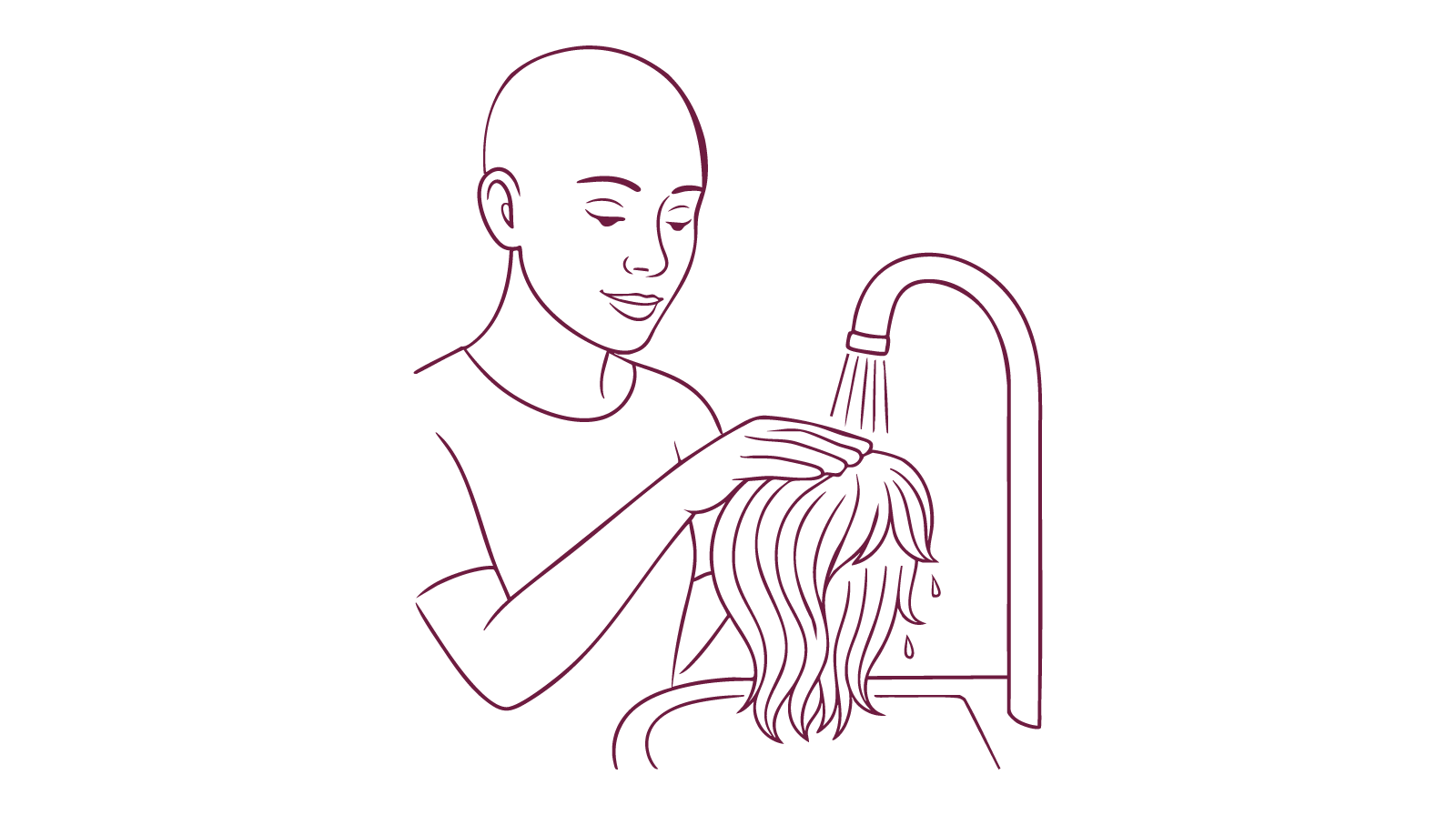
- Run wig under warm water.
- Place a small amount of shampoo on fingers and gently work into the hair, stroking downward from the weft (base) to the ends.
- Rinse thoroughly under warm running water until water runs clear.
- Place a small amount of conditioner in your hand; gently work into hair and let sit for three to five minutes.
- Rinse thoroughly in warm water.
- Gently comb wet hair with a wide-tooth comb from weft to ends.
- Place on wire stand to dry.
Let’s navigate this together
Join a community that understands. Receive expert advice, useful resources, and compassionate tips throughout your cancer journey in the LGFB newsletter