
Support groups have always been an important part of my life. I’m a big believer in them. As an extrovert, being around others energizes me and I enjoy hearing people’s stories. And I relish the give-and-take dynamic support groups provide. Sometimes you’re receiving support, and sometimes you’re giving back. This rhythm has long shaped my life.
It started in the early ’90s, with a women’s group I was in. Nearly 35 years later, some of those women are still my dearest friends. This was my first glimpse at how support groups could help me through each stage of life, and help me feel better about what I was going through – less alone, less scared, more educated, and more connected.
The second impactful support group I was part of was the Deaf Moms. I joined because I wanted to figure out the best way to raise and support our deaf son and hearing daughter. It didn’t just serve the parents; it brought our children together. It was a pivotal group in my life.
I consider the wonderful women in my Quilting Guild as another support group of sorts. I joined it when I retired, and it’s become such a big part of my life. I couldn’t have gotten through cancer without my Quilting Guild. One of the quilters, Maureen, would drop off warm buns every Saturday. Another, Janice, brought over pies for my biggest supporter, my husband, when I was going through treatment. So many quilters fed us dozens of meals and became a lifeline during my breast cancer journey. And many of them have been through cancer themselves, so they understood, and many were retired nurses. But they didn’t just feed me physically, they fed me mentally too.
When I found out I had cancer, my first instinct was to look for a support group. I was delighted to discover the Look Good Feel Better (LGFB) workshop, which has been incredibly supportive. It provided some much-needed fun and encouragement while I was going through treatment. Most of my outings during treatment were to doctors’ appointments that left me feeling scared and anxious. How refreshing it was to have a positive, uplifting experience with LGFB. I enjoyed myself, I learned new skills, including eyebrow techniques and concealer application, and I left feeling more like myself again, instead of like Kim who has cancer. Even better, I made a new friend through the workshop.
I’ve recommended LGFB to so many people. It really was a joyful day. There was something really nice about doing a cancer-related activity with other women going through similar experiences that wasn’t scary. We weren’t doing chemo together. We were doing something uplifting, and something that was special, just for cancer patients.
Being in a group and a member of a community is an important part of our humanity. Getting support and also giving support – pulling someone else up after you’ve gone through the process yourself – are so rewarding. Whatever you give, you get back tenfold.
I know that finding a support group can seem daunting, especially if you have cancer and don’t want to see people – it’s not exactly a social time. But I strongly encourage everyone to get out of your comfort zone and to seek community. It’s okay if you’re not an extrovert like me. You don’t have to talk, if you don’t want to, at an LGFB workshop. You can just go and listen. What you could gain by attending could be absolutely enormous. Nothing ventured, nothing gained. Life is better when you have a community. Together, we can get through the hard times, celebrate the good times, and share what we’ve learned along the way.
Right before my breast cancer diagnosis, I was in probably the best shape of my life. I couldn’t believe this happened. The people around me were shocked too. They were like, “Are you kidding me? You’re one of the healthiest people I know. How did this happen to you?” Who knows? We take all these steps to lead a healthy life, but there’s no rhyme or reason when it comes to cancer. Cancer is very mysterious. It lives within us.
I was hoping I’d only need surgery, but the tumour was larger than expected, and I ended up needing chemo too. I thought it was going to cause me a lot of harm. I was devastated and wished there was a better way. But I put all my trust in the doctors to do what was right for me, and I’m glad I did. I never googled anything because I didn’t want to find wrong information online, and I politely said “thanks but no thanks” to all the well-meaning people offering me unsolicited advice. I didn’t want fear-mongering, I didn’t want to hear about alternative treatments or the dangers of X-rays. I trusted my health care team and both the surgery and chemo went better than I could have ever dreamed.
I’ve been an elementary school teacher for 25 years, so I’m used to having a lot of structure in my life. I live by the bell. Being stuck at home while I was undergoing chemotherapy, with nowhere to be, was one of the hardest parts.
Having a good mindset and a routine – that sense of structure – really helped. I stayed positive, I kept moving forward. Family support and community connection were also huge parts of my healing. When my hair started falling out, one of my teenage sons shaved both my head and his own. We were both fully bald. That felt good, to do it together. My other son eventually shaved his, too. He had shoulder-length, wavy, surfer-style blonde hair, and off it all went. It was a big deal for him, and it felt monumental. He joined our little cancer solidarity group– and it meant the world to me. My caregiver circle also included Carly, who I used to mentor through the Big Brothers Big Sisters program. She came all the way from England to support and advocate for me. My sister Marty and my close friend Janet also offered help and companionship.
The Look Good Feel Better (LGFB) workshop was part of my healing, too. There’s something about this “look” of cancer that felt impossible to escape. I could get away with my fake hair and a hat, but without eyebrows or eyelashes I just didn’t feel like myself, and my pale skin wasn’t helping either. It was making me avoid social interactions. I felt that people were uncomfortable around me – they didn’t know where to look or what to say. I signed up for LGFB thinking I’d learn how to paint on eyebrows. And I never quite mastered the eyebrows, but that workshop gave me such a positive vibe, with a long-lasting impact. All the women were laughing and sharing and listening. It was uplifting.
After my treatments, I also received support through a variety of programs. In addition to LGFB, I participated in expressive art, yoga, and mindfulness programs. Every form of support helped me in ways that I can’t explain.
This season of life won’t last forever. Soon my hair will grow back, I’ll be in the classroom again, and I’ll feel like myself. I’m still keeping myself busy at home – watching classic movies, rearranging my furniture, doing puzzles, making bone broth. I’m staying active – kayaking, biking, gardening, and participating in a 12-week fitness study for cancer patients through the University of Calgary. I’m waiting for a sense of normalcy to resume. And I’m getting to know the new me. I’m way more relaxed now and more accepting of what the world presents us with. I’ve come to understand that there is learning and growth in every experience, even if it can be hard to recognize at the beginning.
I found out that I was positive for the BRCA2 gene in May of 2014 after my 94-year-old father was diagnosed with prostate cancer. He was urged to get tested as there’s a history of pancreatic and prostate cancer on his side of the family and, sure enough, his test came back positive. I was sent to the high-risk clinic and made the decision to have my ovaries and fallopian tubes removed. A small tumour was found, and that was the beginning of a journey of more surgeries, chemotherapy, and a deep struggle with my mental health. I was frightened.
As a professional pianist, it was very important that I did everything possible during my chemotherapy to avoid neuropathy – tingling, pain, or even numbness in my hands and feet. After searching online and asking for advice from all the nurses and doctors who were treating me, I ended up using a very questionable and unproven preventative technique of holding ice packs in my hands during therapy. Thank goodness, it seemed to have worked.
Other side effects were more difficult to deal with. Prior to treatment I had a big, thick head of curly hair and, when it started falling out in the shower, it was very difficult. Losing my eyebrows and eyelashes was tough, too. I had fatigue, heartburn, ear infections, and a perforated ear drum, and a period of time where I was crying a lot. I comforted myself by reminding myself that things could always be worse. And I am so lucky to have had a wonderful support system: my amazing husband, dear friends who supported me daily with a meal train and phone calls, and my adult daughter and son, who called regularly and came in from Toronto and the UK to visit, lifting me up with their presence.
My treatment was isolating. I was told to treat this time as if I were in the COVID pandemic as I was immunocompromised. I couldn’t see anyone in person. I longed for some connection, and so attending the Look Good Feel Better (LGFB) workshop was a very welcome opportunity. I saw people in person there for the first time in months.
I attended because I wanted to have eyebrows. I was scheduled to be in a video that was being made about my parents’ architecturally designed home and this was for posterity. So I signed up with that singular purpose in mind.
What I found out was that LGFB is so much more than learning how to apply makeup. It nourished my soul, gave me hope for the future, and helped me feel like myself again – confident to face myself and others. I was struck by how positive the participants were and especially inspired by the facilitator, who shared with us that she was a cancer survivor of over 20 years. She had humour, vitality, and boundless energy – everything I was longing for. I removed my head covering there for the first time in public, baring my bald head, something I couldn’t even do in front of my husband. That was a feeling I can’t even describe. It took a lot of courage for me to do that. I left that session feeling positive, supported, and connected.
There can be silver linings to having cancer. It has forced me to look at life differently, to value friendships, family, and the little things in life and not let them pass me by. This journey puts life into perspective. It has given me an opportunity to reflect on my priorities and to make sure that I can make a difference in the world.
Last spring I attended my son’s graduation ceremony in London, England. And in the summer I hosted a thank-you party for all my beloved friends who supported me during my treatment. I was able to support a friend going through something similar with greater empathy. We will travel again. Life is short and unpredictable, and I want to make the most of it.
Vaginal and Vulvar Dryness & Pain
Sexual Desire (Libido)
Practical Strategies: Where to Start
Sexual Activity & Relationships
Hormones & Treatment Decisions
Hormones & Treatment Decisions
Safety Questions
Getting Support
In this family of five sisters, the year 2025 will be marked by an unexpected and deeply shared experience. In the space of just a few months, three of them — Claudette, Ginette and Danielle — were diagnosed with breast cancer. Three different life paths, three different ages, but the same challenge that further strengthened their already solid bond.
Claudette, the eldest of the family, is 71 years old. In June 2025, her doctor informs her that the cancer that first appeared in 1993 has returned. This time, the tumour is rare and located in the nipple. Unfortunately, Claudette is no stranger to the disease: this diagnosis marks her fifth bout with cancer. Over the years, she has already battled three breast cancers, undergone a hysterectomy and been treated for a bladder tumour. She will face this new challenge with the experience and determination of someone who has already weathered several storms.
A month later, in July 2025, it is 66-year-old Ginette’s turn to receive the same news. For her, too, it is a recurrence. Her first breast cancer dates back to 1998. This time, she chooses a radical approach: even though only one breast is affected, she asks for both to be removed to avoid any future risk. She undergoes a total mastectomy in the autumn.
The youngest of the three sisters, 62-year-old Danielle, was actually the first to receive her diagnosis, in January 2025. On 7 March, she underwent a mastectomy of her right breast with reconstruction. Danielle is the youngest in the clan. “There are five girls in the family,” she explains. “And luckily, the other two are doing well.” Despite the difficulty of the situation, the three sisters find comfort in being able to go through this period together.
Amidst medical appointments and treatments, a simple initiative offered them a moment of respite and sharing. Danielle, who was already taking yoga classes at La Maison Main…Tenir L’espoir, heard about Look Good Feel Better. Intrigued, she decided to sign up and told her sisters about it. They liked the idea and chose to participate together.
For Claudette, this wasn’t her first experience of this kind. She had already attended a similar workshop in 1993 in Montreal. However, the workshop in Trois-Rivières was particularly touching for her, as she participated with her sisters. Ginette also attended a LGFB workshop on her own when she was first diagnosed in 1998.
As soon as they arrived, the three sisters rediscovered something precious: the joy of being together. “We don’t see each other often, so it was good for us,” says Danielle. The atmosphere quickly became friendly and filled with laughter.
The volunteers took the time to patiently and attentively guide each participant through simple personal care techniques: learning how to apply foundation, use concealer or redraw eyebrows. For some participants, these were new techniques to discover. For others, like Ginette, it was an opportunity to revisit advice she had received nearly thirty years earlier.
Claudette, for her part, is particularly concerned about her eyebrows, which she has lost. She feels unskilled at redrawing them and makes the group laugh when she jokes that she was afraid of looking like a clown. In a room with about eight women, each story is different, but they all share the same need for listening and support.
Danielle particularly appreciates the aspect of sharing and solidarity. Even if she does not necessarily use all the techniques she has learned, she values the advice she receives and the exchanges with the other participants. The conversations naturally broaden to include discussions about treatments, concerns, and everyday life.
For Danielle, these workshops play an essential role. “They give us hope and encourage us to take care of ourselves,” she explains. “Even when you’re going through illness, you can still take time for yourself.”
Beyond beauty tips, the three sisters have found a space where they feel understood. A place where they can talk freely, ask questions and meet other people who are going through the same thing. Danielle has also attended other workshops offered by LGFB and enjoys receiving their newsletter. She also wants to encourage her sisters to explore the various online workshops.
Today, they have agreed to share their story with one simple goal in mind: that their experience may be of use to others.
Three sisters, three journeys, one emotional year. But also three women who chose to go through this together—with courage, solidarity… and sometimes even a little humour, in front of a mirror, trying to draw the “perfect” eyebrow.
Finding Your Style
Dressing a Changed Body
Weight Changes & FLuctuating Sizes
Comfort, Side Effects, & Personal Needs
Shopping, Budget, & Overwhelm
Getting cancer made me feel really alone in some ways. Like, no one else around me was losing their hair or going bald. Being bald made – still makes – me feel insanely unique. I didn’t know anyone my age going through cancer. I celebrated my 19th birthday at home, recovering from a tough round of chemo, while my friends headed out to bars to party and toast their 19ths. Having cancer was a lonely experience.
It was also such a shock. My entire family describes the day I got diagnosed with lymphoma as the most shocking day of our lives. Before, I was such a regular 18-year-old. I felt and seemed healthy. I went to the gym all the time – I was really into bodybuilding. I was in school studying hairdressing. I had a boyfriend. I had a part-time job. Like, so typical. I went from thinking my life was fine one day to being in the hospital the next. Getting chemo, losing my hair – it was all happening before I could register the shock.
My family has been so supportive through everything. I live with my parents and my two brothers, along with two bunnies and a dog. They’ve all been so great. My friends and cousin have also been so supportive. But no one really fully got what I was going through.
Going to a Look Good Feel Better (LGFB) workshop was one of the most helpful things for getting me to feel less lonely. I was nervous to go, but I’m so glad I did. My mom came with me. It was genuinely such a nice night out. Everyone was super nice and we all had some good laughs, like when no one knew I was wearing a wig and I just whipped it off. I was going through a hard time, and a lot of things sucked. Getting to go to a girls’ night, receiving free makeup, and having people help me was so awesome.
And the makeup was super fun. I’ve finished my treatment now, but I still don’t have my hair. Putting on both my wig and makeup helped me to feel prettier, and a bit more like myself. I don’t think I would’ve started wearing makeup if I hadn’t gone to the LGFB workshop. I like being able to put on my wig and makeup and to go out and feel OK. I was so scared to lose my hair, but it ended up being totally fine. I’m having fun with it and if anything, I feel more confident now because I have long, blonde, thick hair and when I go out, nobody really knows that it’s not mine. It’s true: when you look good, you do feel better.
Getting diagnosed so young has definitely been scary. I wonder, is this going to affect me for a long time? I’m sure it will, right? I think about the checkups I’ll need, the precautions I’ll have to take, the things I’ll have to consider.
But it’s also given me a different perspective on things. I’m really grateful for the simple things now. Going to a restaurant with friends, or for coffee, or to the movies, or for a walk – these moments are so special now. If there are little things that you enjoy, just do them, you know?
From skincare and makeup guidance to scarf-tying techniques and mindfulness practices, this video library offers practical tools to help you feel more confident, comfortable, and supported.
Skincare & Makeup Videos with Beauty Expert Christine Cho
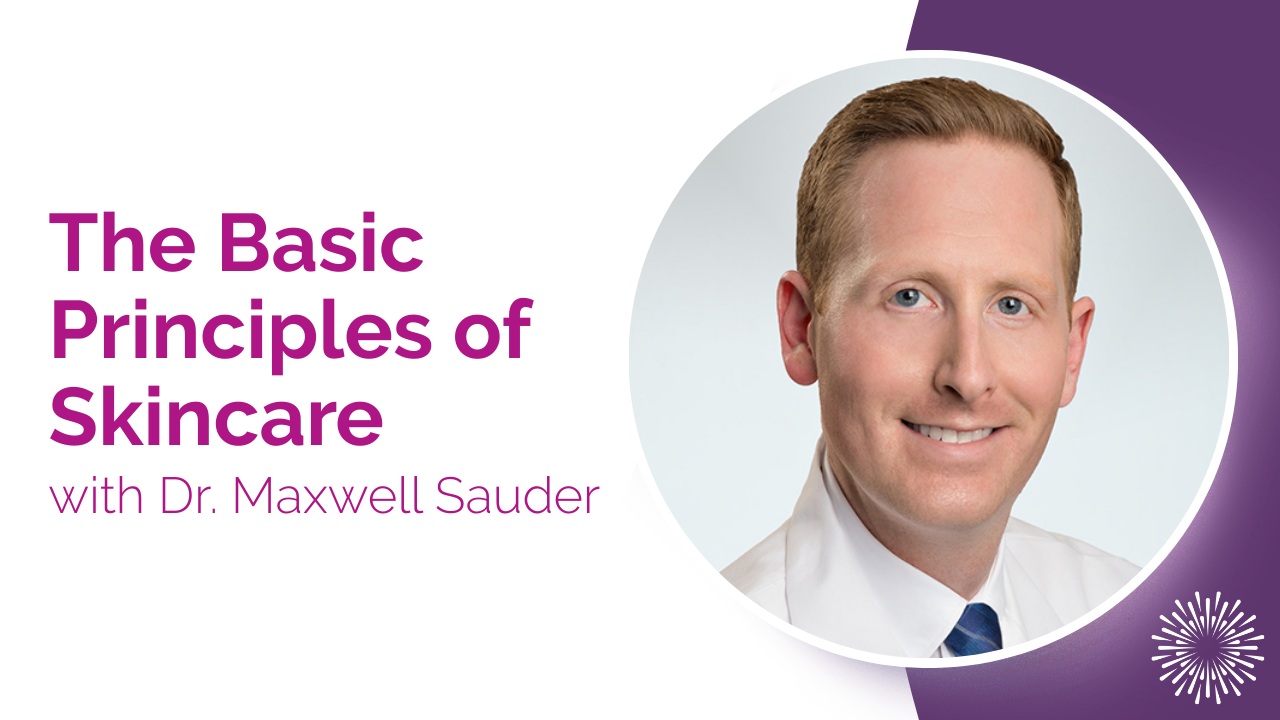
Advanced Skincare Videos with Onco-Dermatologist Dr. Maxwell Sauder



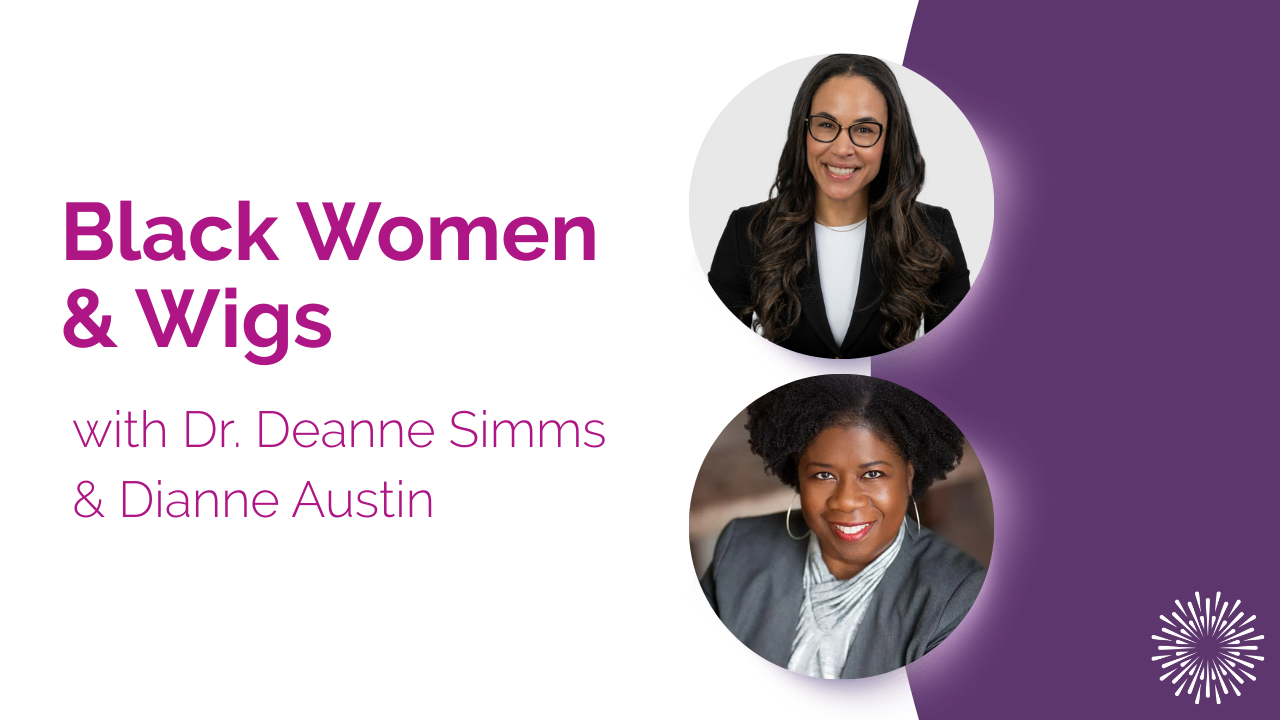
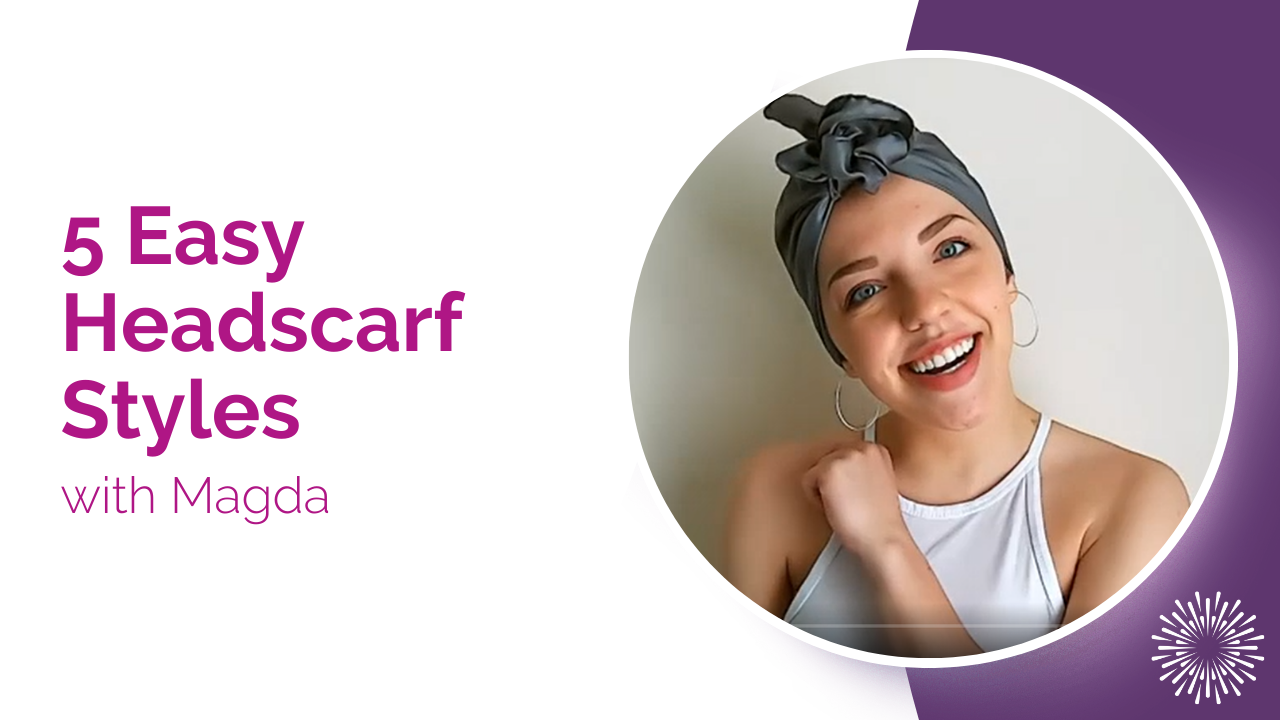
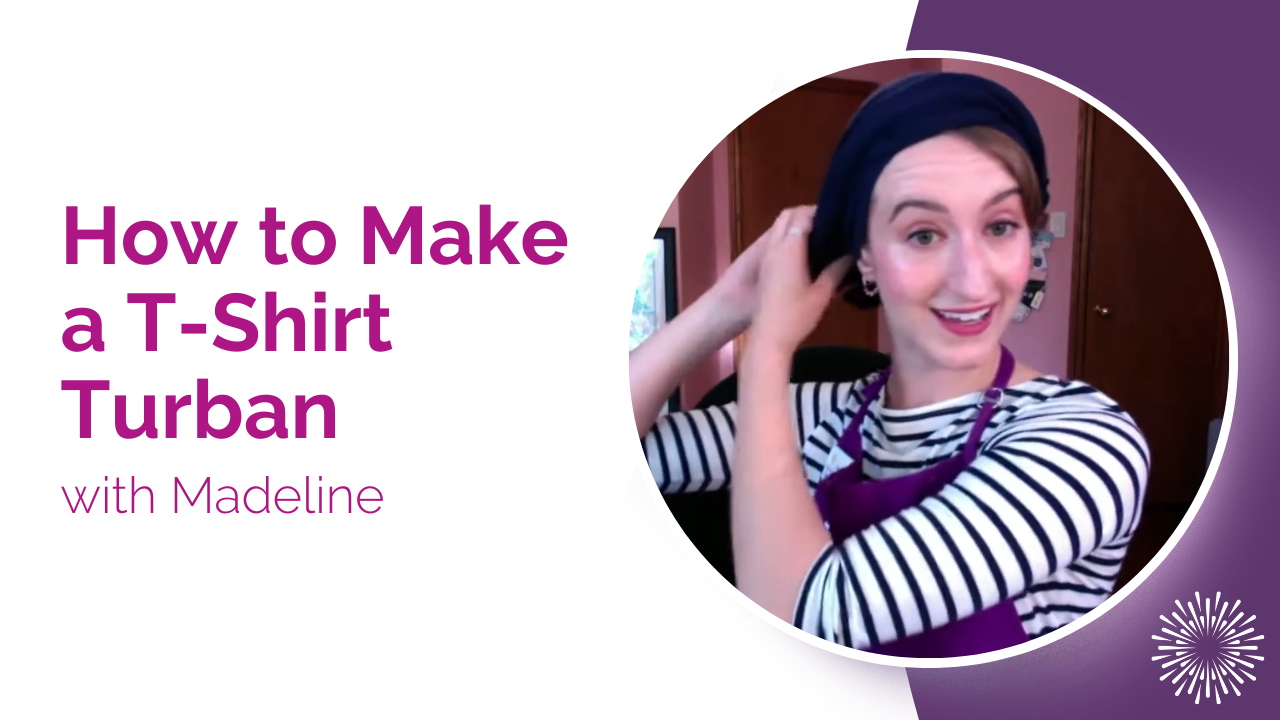
Wigs & Scarves Videos
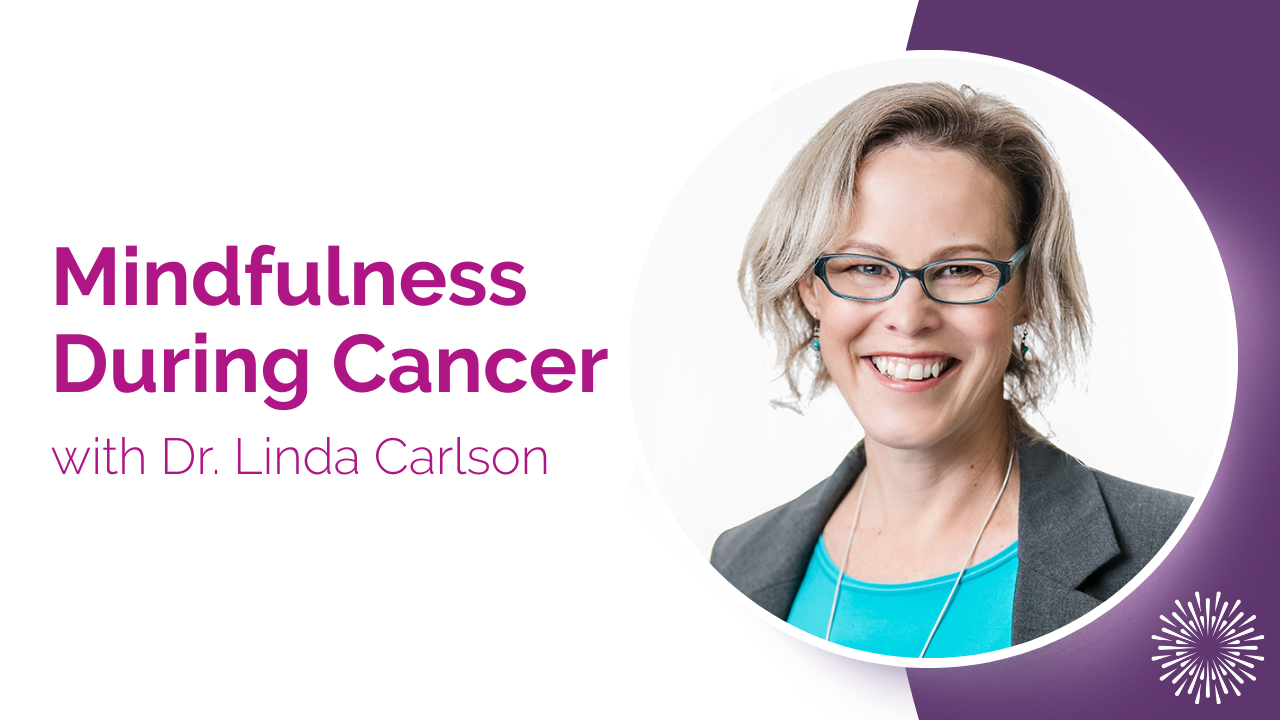
Mindfulness Videos
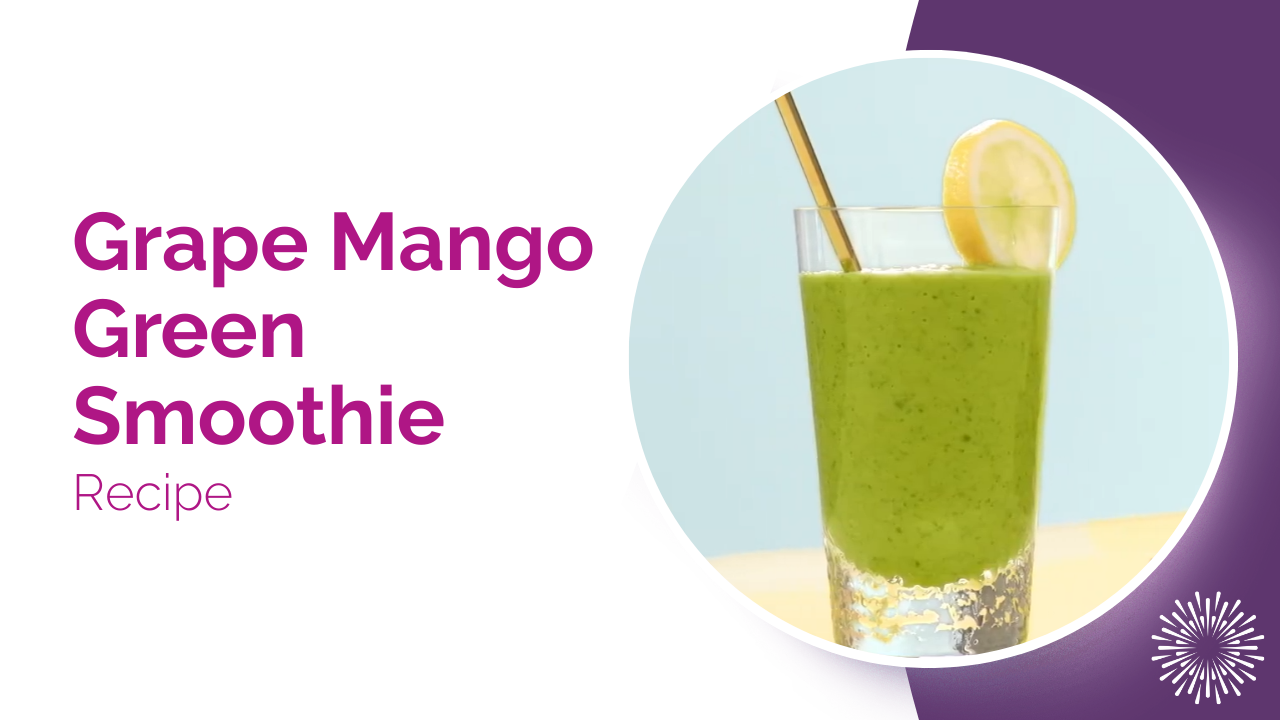
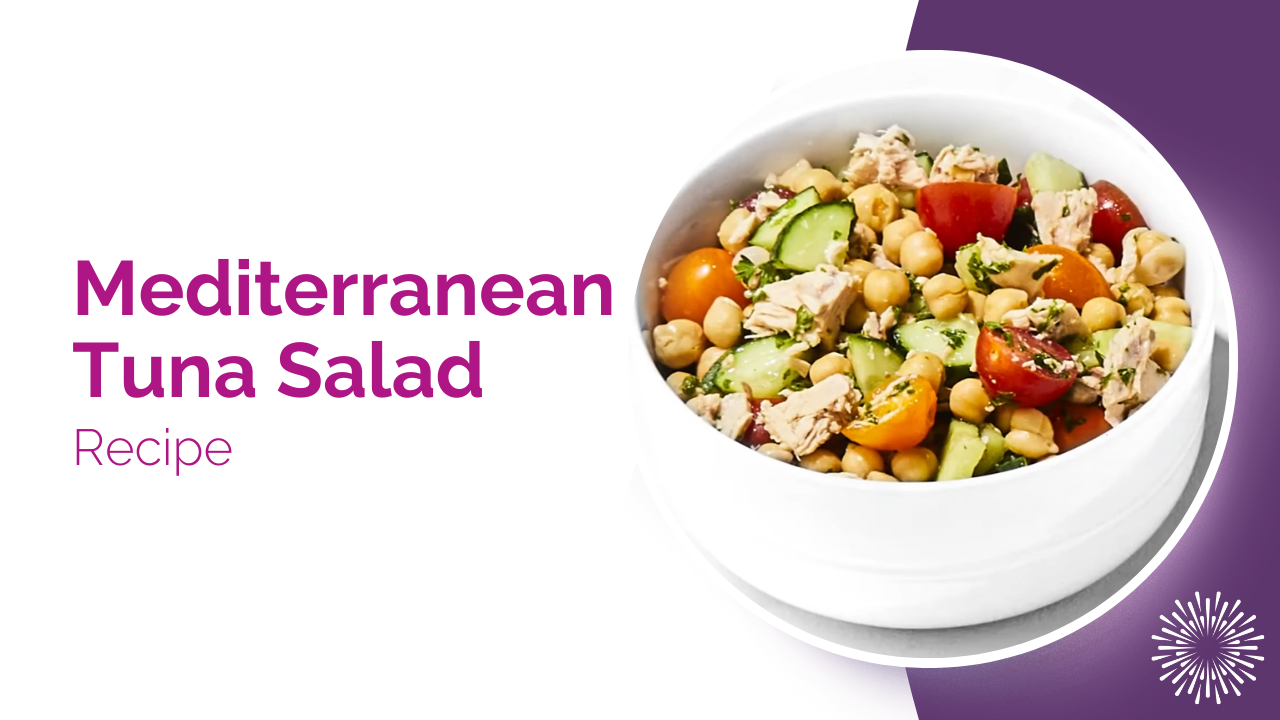
Nutrition Videos
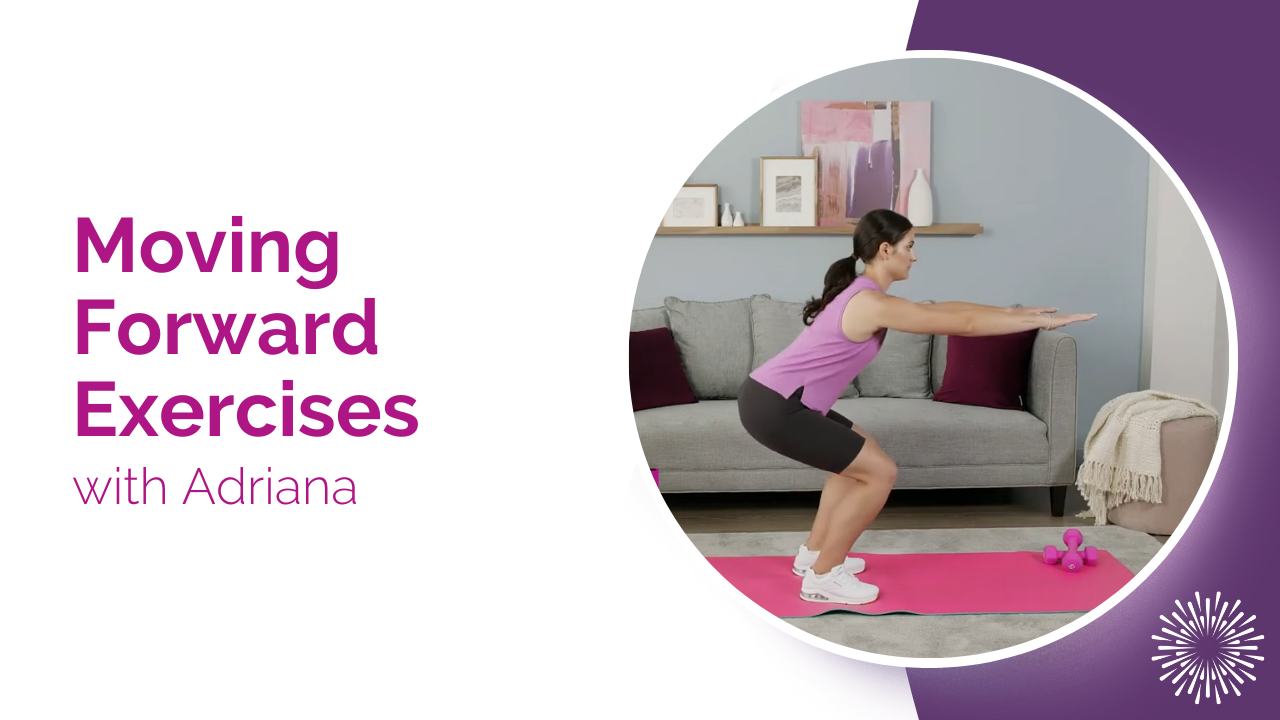
Exercise Videos
On International Women’s Day, we celebrate the strength, resilience, and compassion of women everywhere. At Look Good Feel Better, we see that strength every day in the women navigating cancer who participate in our workshops, as well as in the caregivers—most often women—who stand beside them, and the health care professionals who provide compassionate care along the way. We are also deeply grateful for our community of volunteers, nearly all women, whose generosity and dedication help uplift patients with confidence, connection, and support throughout their cancer journey.
Here are a few thoughts we’d like to share this International Women’s Day.
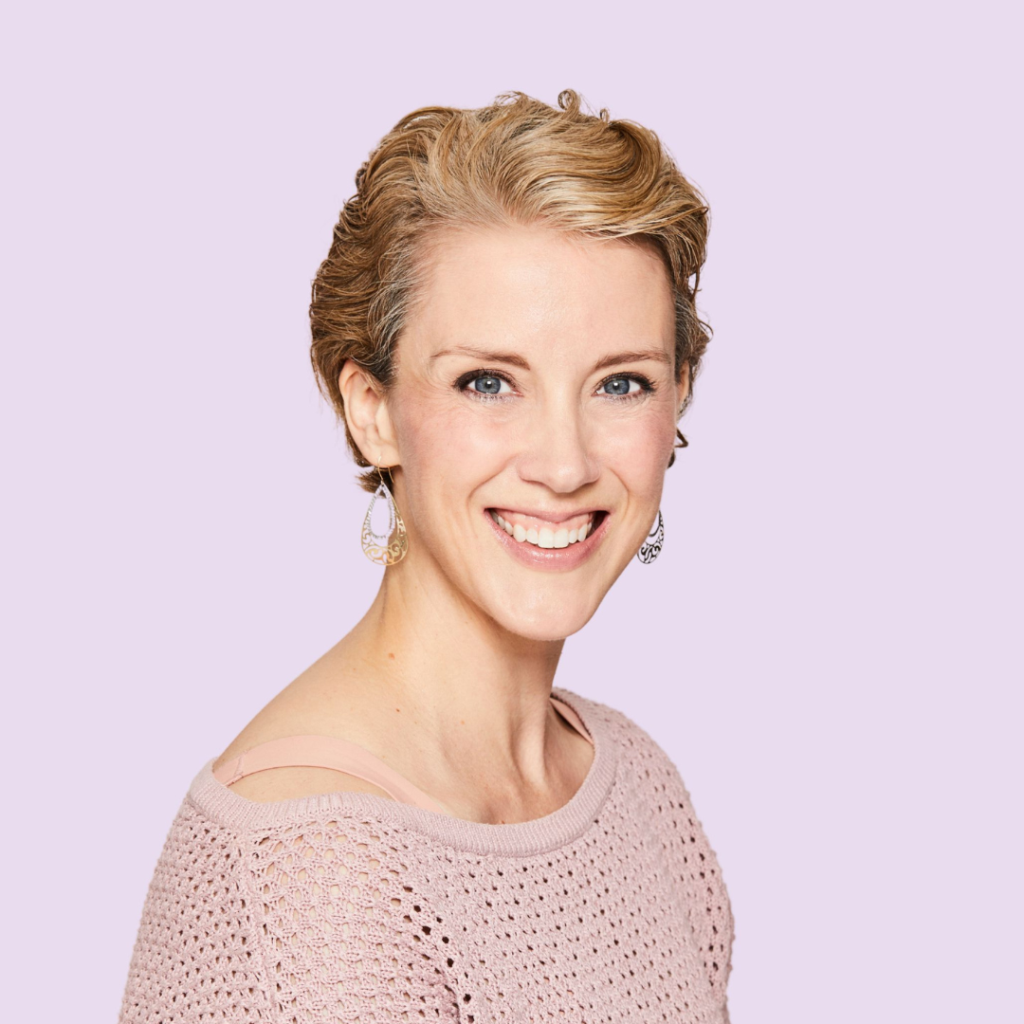
“I am so proud that Look Good Feel Better is a national organization that sees, supports and empowers women. On International Women’s Day, I want to recognize that women are at the core of so much of what we do – they are workshop participants, volunteers, donors, supporters, caregivers, healthcare professionals and LGFB staff.”
—Susan Larkin
President and CEO, Look Good Feel Better
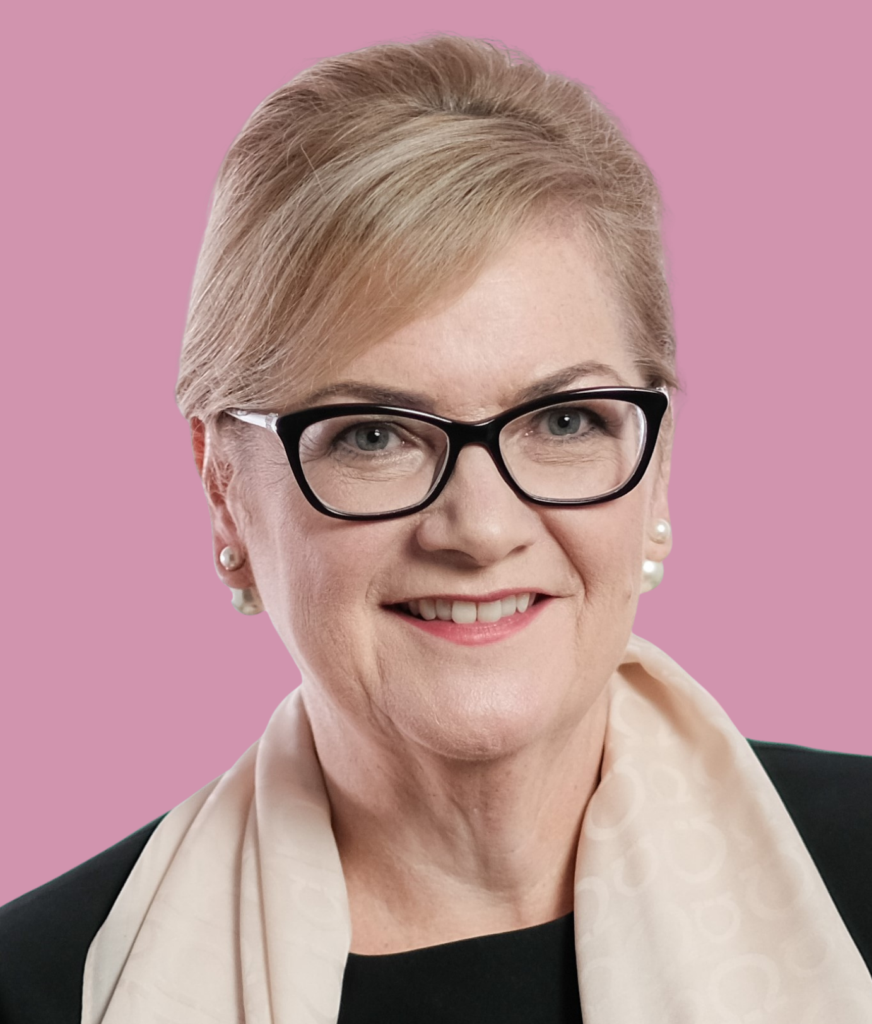
“When we mentor women, we don’t just give guidance — we gain a stronger, braver, more equitable future. Give your experience, your voice, your support — and you gain a community of women who are ready to lead.”
—Louanne McGrory
Board Chair, Look Good Feel Better
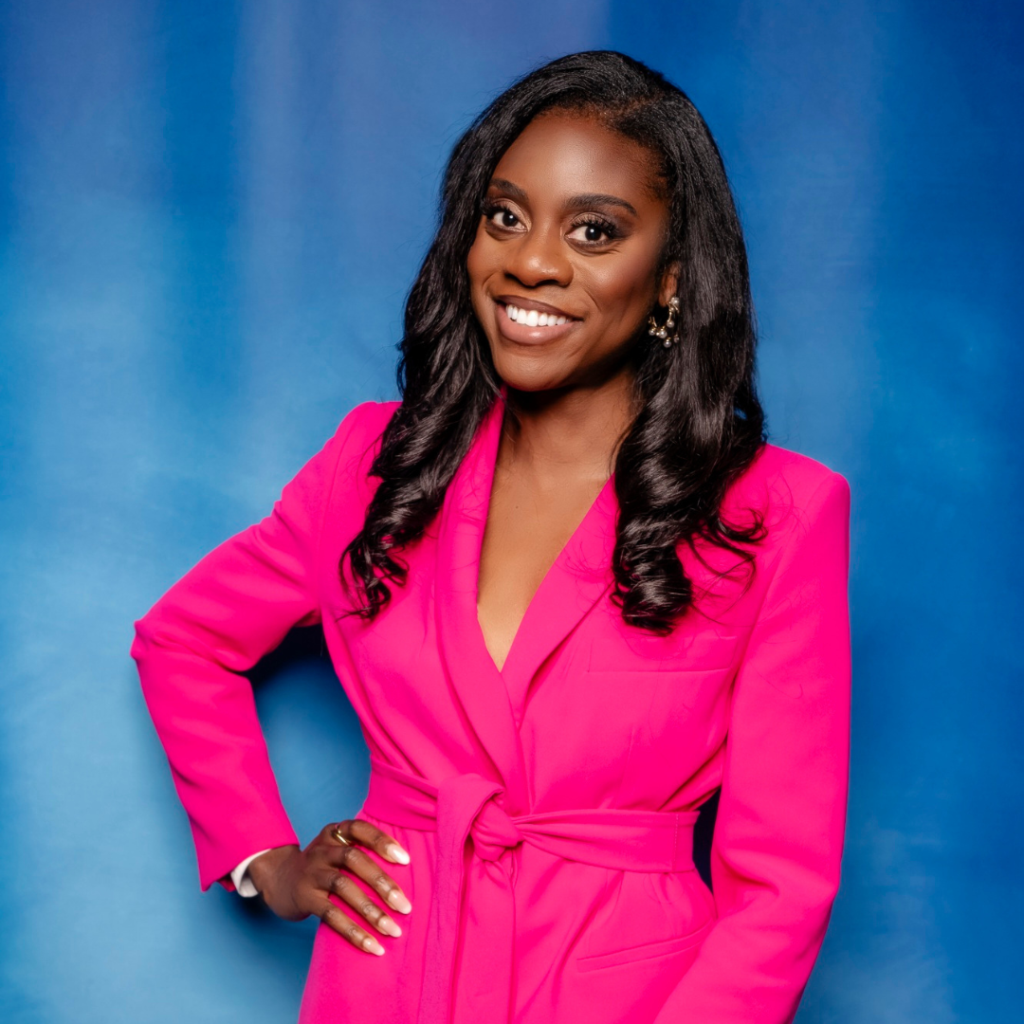
“This year’s International Women’s Day theme #GiveToGain, is more than a message — it’s a mandate. It speaks to a fundamental truth: generosity is a catalyst for equality.
When we give — our time, our mentorship, our influence, our advocacy — we are not giving something away. We are investing forward. We are multiplying opportunity. We are accelerating progress.
I’ve had the privilege of working alongside impactful organizations such as the Shoppers Drug Mart Foundation for Women’s Health, Go Further Women at Loblaw, and the Women’s Health Collective Canada — communities built on the belief that advancing women’s health and leadership is not a peripheral effort or initiative, but a societal imperative. These efforts prove that intentional collaboration creates sustainable, measurable change.
International Women’s Day is a call to action — at home, at work, and within our communities. Each of us has something to give. And when we give boldly and collectively, we don’t just support women — we reshape the future.
When women rise, the world rises with them.”
—Nneka Ezurike
Pharmacist, Pharmacy-Owner, Shoppers Drug Mart, Co-Founder, BBPC and International Speaker & Moderator
Before I was diagnosed with stage 4 cholangiocarcinoma, I lived a very active lifestyle. I was at the gym all the time, doing cardio and strength training. I loved going out and socializing with friends. I had not only a full-time job, but also a side hustle. Type A personality? You bet. I didn’t get much sleep.
Once I got my diagnosis, everything completely changed. My life as I knew it just kind of blew up. But it has been replaced with something fantastic, which is that I’m now really focused on healing and wellness.
These days, I’m doing yoga, mindfulness meditation, and reflexology. I’m writing and listening to music. I’ve slowed down and I’m really living in the present now, and the benefits have been incredible. I’m getting so much more out of life because I’m living every day to the fullest. It may surprise you, but what inspired this new way of living was beauty.
Undergoing cancer treatment is a very unglamorous time for a woman. I no longer recognized myself. My hair had been long, thick, and healthy, but it started coming out in chunks. My skin was dry and breaking out with acne and rashes. I’d had all these procedures that resulted in scars and lots of little marks from the poking and prodding. And during chemo, certain things are restricted like manicures, pedicures, and hair colouring. I had started feeling really awful. I didn’t want to go out – I could feel the social isolation creeping in. And so when I found out about the Look Good Feel Better (LGFB) program, I thought, you know what, it can’t hurt to go. And it made such a difference.
When I arrived at the LGFB workshop, I was warmly greeted by the volunteers hosting the program and the other ladies attending. That alone made me realize, hey, I’m not in this by myself. Talking and laughing with the other women, and getting all these great hair and makeup tips, gave me a real boost.
I was given a bag of makeup and the items were just perfect. I especially loved this bright pink lipstick and a beautiful rose-coloured blush. I was suffering from chemo-induced anemia and looking really pale, and these items brought a much-needed pop of colour to my face.
LGFB was the first program that I was well enough to attend, and it was the first time in my cancer journey that I felt seen, welcomed, and socially connected. It was very powerful. The workshop opened up a lot for me. When I was going out afterwards, I felt like a piece of my former self had returned. I didn’t feel self-conscious anymore. I even started getting compliments!
The boost I got from the LGFB workshop was what started my interest in pursuing health and wellness activities. I shifted from a high-pressure, goal-focused lifestyle to one centered on healing, presence, and wellness.
I’ve really learned to slow down and enjoy every single day. There’s so much joy in living in the present. It’s very healing. I find joy and gratitude in so many things: the sun shining, a walk through the neighbourhood, a call from a friend, or snuggling with my adorable cat Marge Simpson. Having cancer completely changed my entire life. Surprisingly, it’s not all negative. I feel so blessed.
With February marking Cholangiocarcinoma Awareness Month, sharing my story feels especially important right now. I want other people facing a stage 4 diagnosis to have hope, knowing it’s not necessarily the end. And I hope that every woman facing cancer will have the opportunity to experience an LGFB workshop.