
Dealing With Hair Loss During Cancer Treatment
For some people, losing their hair can feel even harder than getting a cancer diagnosis. And that’s totally valid. Your hair might feel like a big part of who you are—it’s how you express yourself, feel confident, or just feel like you. Since hair loss is a visible sign of illness, it can mess with how you see yourself and how others see you. You might feel anxious, vulnerable, or just off.
But here’s the good news: Hair loss is temporary
And there are lots of things—like wigs, hats, or even totally new looks—that can help you feel more confident while your hair takes a break.
Whether you want to keep things feeling familiar or try something bold and new, we’ve got a few tips to help you through it.
Dealing With Thinning Hair
If your hair’s starting to thin, here are some ways to take care of it:
Don’t dye or bleach it—your hair is more fragile right now
Use a moisturizing shampoo and conditioner to help soften brittle strands
Try going shorter—it can make thinning hair less noticeable and puts less stress on the roots
Avoid heat styling tools (like blow dryers and curling irons), hairsprays, and products with alcohol
Sleep on a satin or silk pillowcase—it’s way gentler on your hair and scalp
Not everything has to change during treatment.
Get tips about nails, skincare makeup and hair in our Teens Workshop.
Let’s navigate this together
Join a community that understands. Receive expert advice, useful resources, and compassionate tips throughout your cancer journey in the LGFB newsletter
Newsletter Form
Picking Out a Wig That Feels Like You
Finding the right wig might take a little time, but it’s totally worth it to get one that makes you feel comfortable and confident. Whether you want something that looks just like your usual hair or you’re ready to try something totally new, here’s what to know:
Wig Shopping Tips:
Book an appointment – Trying on wigs usually takes around 45 minutes to an hour, so it’s best to plan ahead
Ask about wig caps – Some salons offer thin nylon caps to wear while trying wigs (they help keep things clean and comfy)
Bring backup – Take a friend, sibling, or parent for support and honest opinions
Bring a pic of your hair – A photo of your favorite look helps the stylist find something similar in style and colour
Keep your own hair short – Experts say keeping it around ¼ inch or shorter makes wigs fit better and feel comfier
Try lots of styles and colors – You might be surprised by what you like. Exploring different looks can actually be fun and empowering!
Take your time – You don’t have to pick the perfect wig in one visit. It's okay to take a few trips before deciding on the one that feels right for you.
At the Salon:
Ask if they provide nylon wig caps (for hygiene + comfort).
Try on a few different styles – even ones you wouldn’t normally pick.
Try a range of colours – you might find a fun new look.
Ask about care instructions and how to style each wig type (real vs. synthetic).
Check how the wig feels – is it itchy? Too tight? Too loose?
Questions to ask at the Salon:
- Do you have wigs made for people going through cancer treatment?
- Can you help style or trim the wig once I pick one?
- How do I wash and take care of this wig?
- What’s the return/exchange policy if I change my mind?
- Can you recommend anything for keeping my scalp comfy under the wig?
You’re not alone in this.
Connect with others who get what you’re going through in our Teens Workshop.
Let’s navigate this together
Join a community that understands. Receive expert advice, useful resources, and compassionate tips throughout your cancer journey in the LGFB newsletter
Newsletter Form
Taking Care of Your Mouth During Cancer Treatment
See Your Dentist First
Your dentist is part of your healthcare team. After you’ve been diagnosed with cancer and before you start treatment, go see your dentist. They’ll check for things like cavities or gum problems that could cause issues later.
Dry Mouth, Sores, and Other Problems
Cancer treatment can sometimes cause a dry mouth, mouth sores, or even a weird metallic taste. Here’s how you can help protect your mouth and feel more comfortable:
Use a soft toothbrush and toothpaste made for sensitive teeth
Rinse your mouth a few times a day. Try alcohol-free mouthwash, a mix of baking soda and water, or a mild saltwater rinse to help with sores or discomfort.
If your mouth feels dry or tastes bad, try sucking on a fruit-flavoured popsicle or sugar-free hard candy
We’re here for you.
Come learn how to minimize and manage side effects with people who get it in our Teens Workshop.
Let’s navigate this together
Join a community that understands. Receive expert advice, useful resources, and compassionate tips throughout your cancer journey in the LGFB newsletter
Newsletter Form
Advanced Skincare Workshop
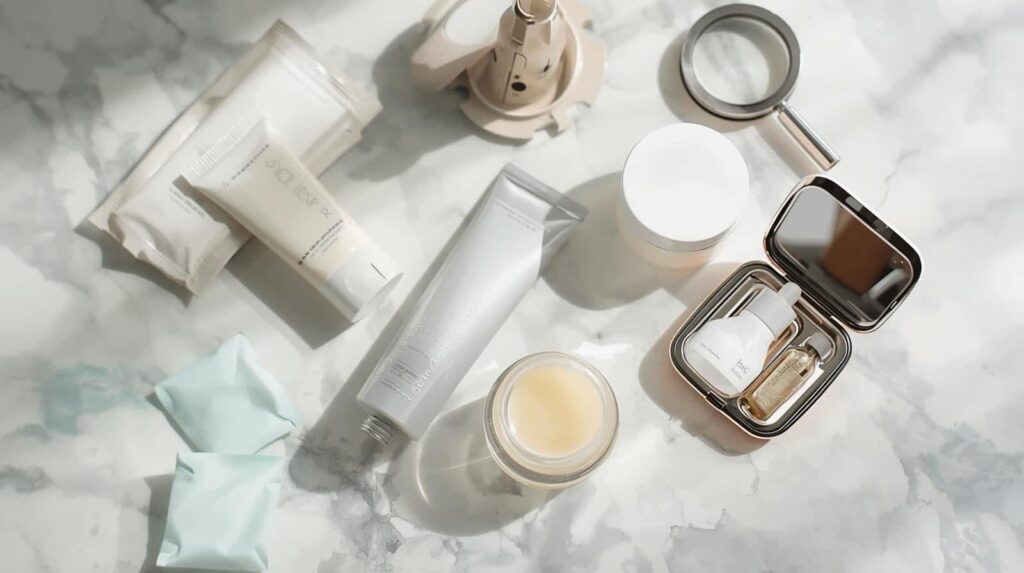
Advances in cancer treatment have led to more people experiencing skin-related side effects, both during and after treatment. In this workshop, expert Onco-Dermatologists share simple steps to help minimize and manage common skin and nail issues.
About this workshop
What you will learn:
How evolving cancer treatments can cause new and different side effects
Practical steps to help minimize and manage common skin, scalp, and nail concerns during and after treatment
Step-by-step guidance from an Onco-Dermatologist
Topics Covered in Advance Skincare include:
Simple skincare and suncare routines
Scalp care
Nail Health
Managing dry, itchy, and irritated skin
Acne and rashes
Skin recovery post-treatment
This workshop is available Online
Join us!
- This workshop delivered via a Q&A with our medical professional, and is offered approximately four times a year.
- It is roughly an hour and fifteen (1:15) minutes in length and is delivered over Zoom.
- Be sure to add your questions on the registration form!

Who should attend this workshop?
This workshop is available for anyone who is…
- Currently in treatment
- Post-treatment but may still be experiencing side-effects impacting their skin, scalp, or nails
- This workshop is designed to address skin concerns wherever people are in their cancer continuum
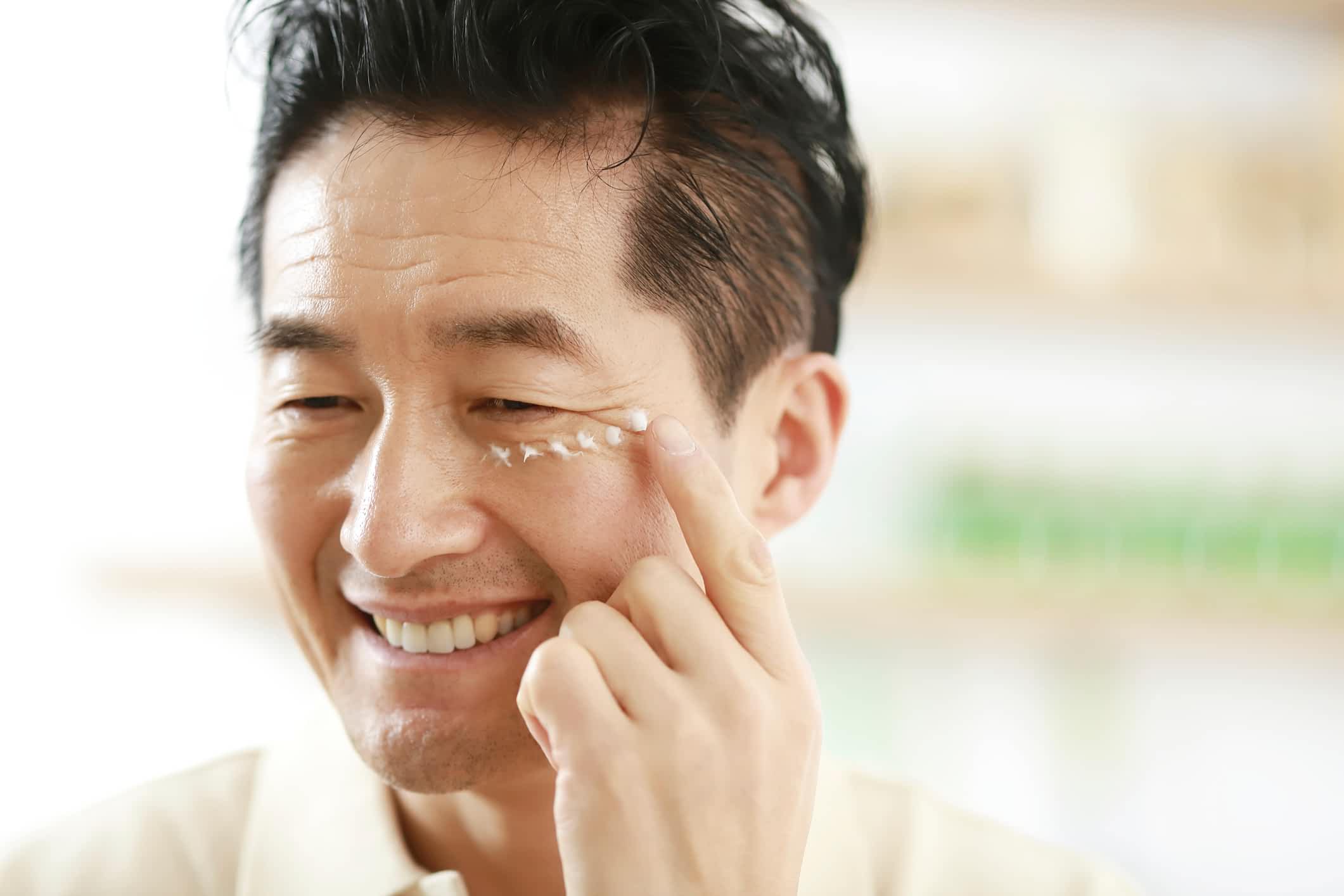
What Our Participants Have to Say
“Just knowing others are going through the same symptoms gave me hope.”
- Workshop Participant
“This webinar was delivered beautifully. I liked how participants’ questions were answered and things were explained at length.”
- Workshop Participant
Let’s navigate this together
Join a community that understands. Receive expert advice, useful resources, and compassionate tips throughout your cancer journey in the LGFB newsletter
Newsletter Form
Easy Skincare Tips During Cancer Treatment
Taking care of your skin while going through cancer treatment might sound like a lot, but keeping it simple can really help. A gentle skincare routine can make your skin feel better and help with some of the side effects, like dryness or irritation.
Here’s a step-by-step routine that’s easy to follow, even on tough days. With the right products and a soft touch, you’ll be giving your skin the love it needs.
A healthy skin care regiment before and during cancer treatment gives you the best chance of lessening the severity of side effects on your skin.
Product Info: Moisturizers (from light to rich)
Not all moisturizers are the same. Here’s the breakdown — start light and go richer if your skin needs more hydration:
Gels – super light, barely-there moisture
Lotions – light but a bit more hydrating
Creams – great for normal to dry skin
Balms – thicker, perfect for dry or flaky skin
Ointments – super rich, heavy-duty moisture
Not everything has to change during treatment.
Get tips about nails, skincare makeup and hair in our Teens Workshop.
Let’s navigate this together
Join a community that understands. Receive expert advice, useful resources, and compassionate tips throughout your cancer journey in the LGFB newsletter
Newsletter Form
When I think back to having cancer and going through treatment, a lot of it is a blur. It was almost like a four-month-long out-of-body experience. I was 15 and in grade 10 when I was diagnosed. I was in the culinary arts program at my school in Toronto, which I had wanted to do forever. And so much was already going on in my life. It was a tough year. My dog had recently died, which was really hard for my family, and my grandmother had also had a cancer scare. And, things were hard at school. I’d met someone who turned out to not be a very nice friend, so I stopped hanging out with him and then I found out a few months later that he’d been writing mean stuff about me online. And then he started threatening me and following me around school. He was friends with a lot of my friends and it was hard to get away from him. And I had also just parted ways with my entire friend group, because they were just not nice friends. One of them even told me she had hated me from the moment she met me. That was hard. I’d dealt with a lot that year, and so getting cancer just kind of felt like an extra bonus. It was the cherry on top of some terrible sundae.
Suddenly I was spending pretty much every single day, hours and hours of the day, in doctors’ offices trying to figure everything out. I started failing most of my classes at school because cancer was suddenly taking up most of my time.
I got through it, though. My school supported me with my class work when they heard what was going on. I was able to make some great new friends who were kind and supportive. And I got through my treatment.
Chemo was hard but it wasn’t as bad as movies would make it seem. In some ways it’s true that chemo can be very intense, but it wasn’t as scary as I thought it was going to be. My surgery went really well. Heading into it, my parents were super nervous, but I was just like, “OK cool, I’ll see you guys later!”
My hair did fall out, which was not fun. I had really long curly hair, and I was sad to lose it. And I had a lot of skin problems – sore skin, chemo blisters that turned dark purple on my feet, a lot of sensitivity in my hands, and red marks on my shoulders. Doing a Look Good Feel Better workshop helped me feel a lot better. I loved not just playing with makeup – I love getting to express myself in that way – but also getting to meet other people who had cancer. They told me about their experiences, which was really helpful for me. It made me feel less alone.
That’s all behind me now, and I get to focus on being a teenager and doing what I love. I still enjoy being creative in the kitchen. Baking is my favourite. I’m really good at making chocolate cake – I think I’ve perfected it. I also like to crochet, embroider, sew, and do crafts. I’m glad that this is my life again, and that cancer is in my past.