
A dermatologist isn’t one of the specialists you necessarily think you’ll need during and after cancer treatment. However, advances in treatments have made skin-related conditions very common.
We’ve asked one of Canada’s top Onco-Dermatologists, Dr. Maxwell Sauder, for the latest supportive information to help patients reduce and relieve the side effects they are experiencing.
Here are his recommendations for caring for your skin, scalp and nails during treatment and beyond.
Dr. Sauder is a board-certified dermatologist in Canada (FRCPC) and the United States (DABD) with additional fellowship training in cutaneous oncology. He is a former faculty member of Harvard Medical School where he focused on skin toxicities of anti-cancer treatments (STATs). He is currently an onco-dermatologist at Princess Margaret Cancer Centre where he assists in the management of complex cutaneous malignancies and STATs. He also practices at Toronto Dermatology Centre where he is the director of the Pigmented Lesion Clinic that uses cutting edge artificial intelligence technology to identify and manage skin cancers or precancerous lesions at the earliest possible stage.
Watch Our Conversation with Dr. Sauder



Nail Care Webinar
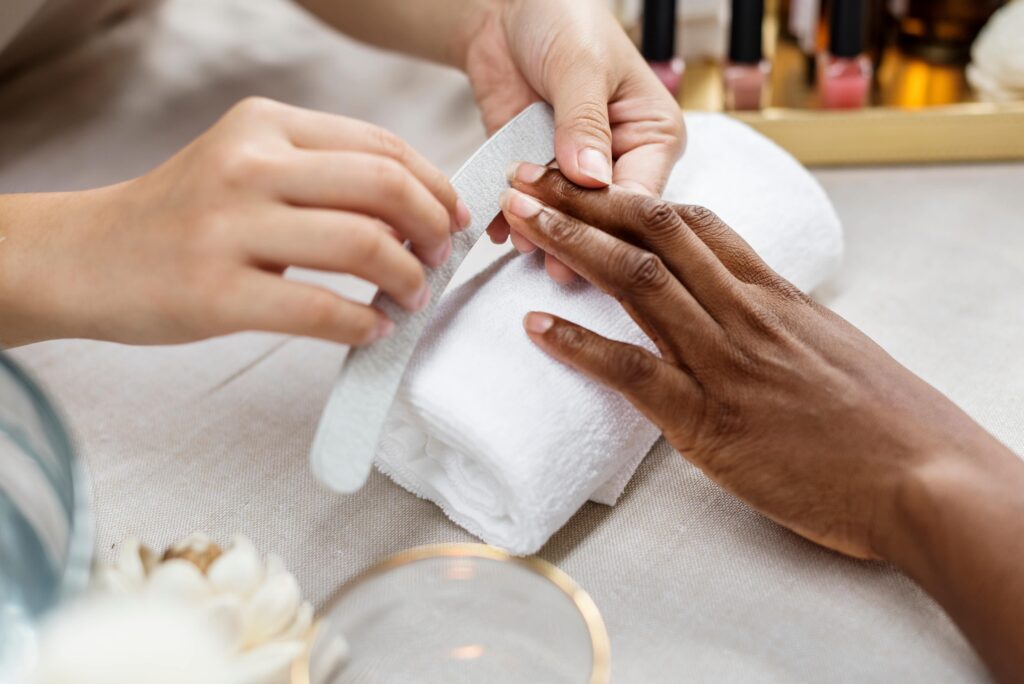
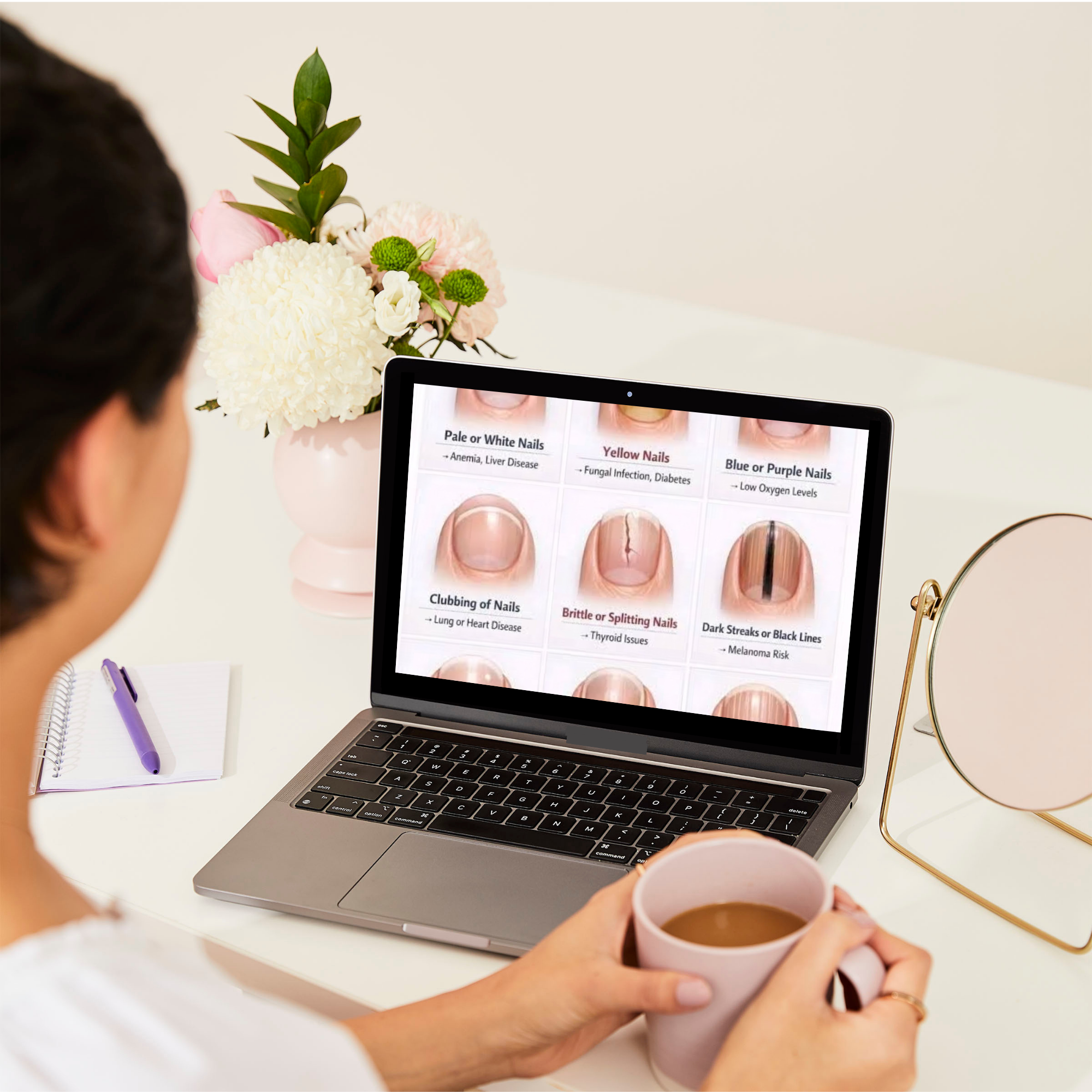
Cancer treatments can significantly impact nail health, causing changes like splitting, ridging, discolouration, and even nail loss. In this on-demand webinar, you will receive practical steps to help minimize and manage nail issues during and after treatment.
About this On-Demand Webinar
The information is designed to help you understand:
How cancer treatments affect nail growth and why nail changes occur
Simple 3-step nail care routine to protect and strengthen nails during treatment
Safe grooming techniques and what practices to avoid
When to seek medical attention for nail problems
Recovery timelines and what to expect post-treatment
Topics Covered in Nail Care include:
Understanding nail anatomy and treatment effects
Identifying specific nail changes: splitting, ridging, discolouration, and separation
Hand-foot syndrome and its impact on nails
Daily care routine: cleanse, moisturize, protect
Using nail polish safely and product recommendations
Proper nail trimming and filing techniques
Managing damaged or missing nails
Professional help and healthcare navigation
This recorded session is available online ON DEMAND
Practical Information, Anytime.
- Get expert information whenever you need it with this free pre-recorded webinar.
- Register for immediate 14-day access.
- Want a refresh? Feel free to register again once your initial access period expires.
Who should watch this webinar?
- Individuals who are currently in treatment
- Individuals who are post-treatment but may still be experiencing side-effects impacting their nails (on hands or feet)
- Anyone interested in the impacts of cancer treatments on nails
Learn about nail care anytime, anywhere.
Register for immediate access to this on-demand webinar.
Let’s navigate this together
Join a community that understands. Receive expert advice, useful resources, and compassionate tips throughout your cancer journey in the LGFB newsletter.
Newsletter Form
Nail and Hand Care
Let’s navigate this together
Join a community that understands. Receive expert advice, useful resources, and compassionate tips throughout your cancer journey in the LGFB newsletter.
Newsletter Form
Nail Care During Cancer Treatment
Cancer treatment doesn’t just affect your hair and skin—it can change your nails too. Your nails (and the skin around them) might get weaker, develop ridges, get thicker or discoloured, or even fall off. It might sound a little scary, but don’t worry—it’s only temporary and totally normal during treatment.
Tips to Keep Your Hands & Feet Healthy
Want to keep your nails and skin in good shape?
Try these easy tips:
Skip Cutting Your Cuticles – it can lead to cuts or infections (use cuticle cream to keep them soft and help avoid hangnails)
Moisturize Often – with a thick, rich hand cream (your hands will thank you!)
Keep Your Nails Short – so they're less likely to break or snag
Wear Rubber Gloves – when doing stuff like dishes or cleaning. Too much water exposure can cause nail infections
Nail Polish & Salons – What to know!
Still want to rock some nail polish?
Go for it and play it safe!
Stick with light or neutral pinks for a natural, healthy look
Use acetone-free nail polish remover – it's always less drying
If you go to the salon, let them know you're in treatment so they can be extra gentle and hygienic
Not everything has to change during treatment.
Get tips about nails, skincare makeup and hair in our Teens Workshop.
Let’s navigate this together
Join a community that understands. Receive expert advice, useful resources, and compassionate tips throughout your cancer journey in the LGFB newsletter.
Newsletter Form
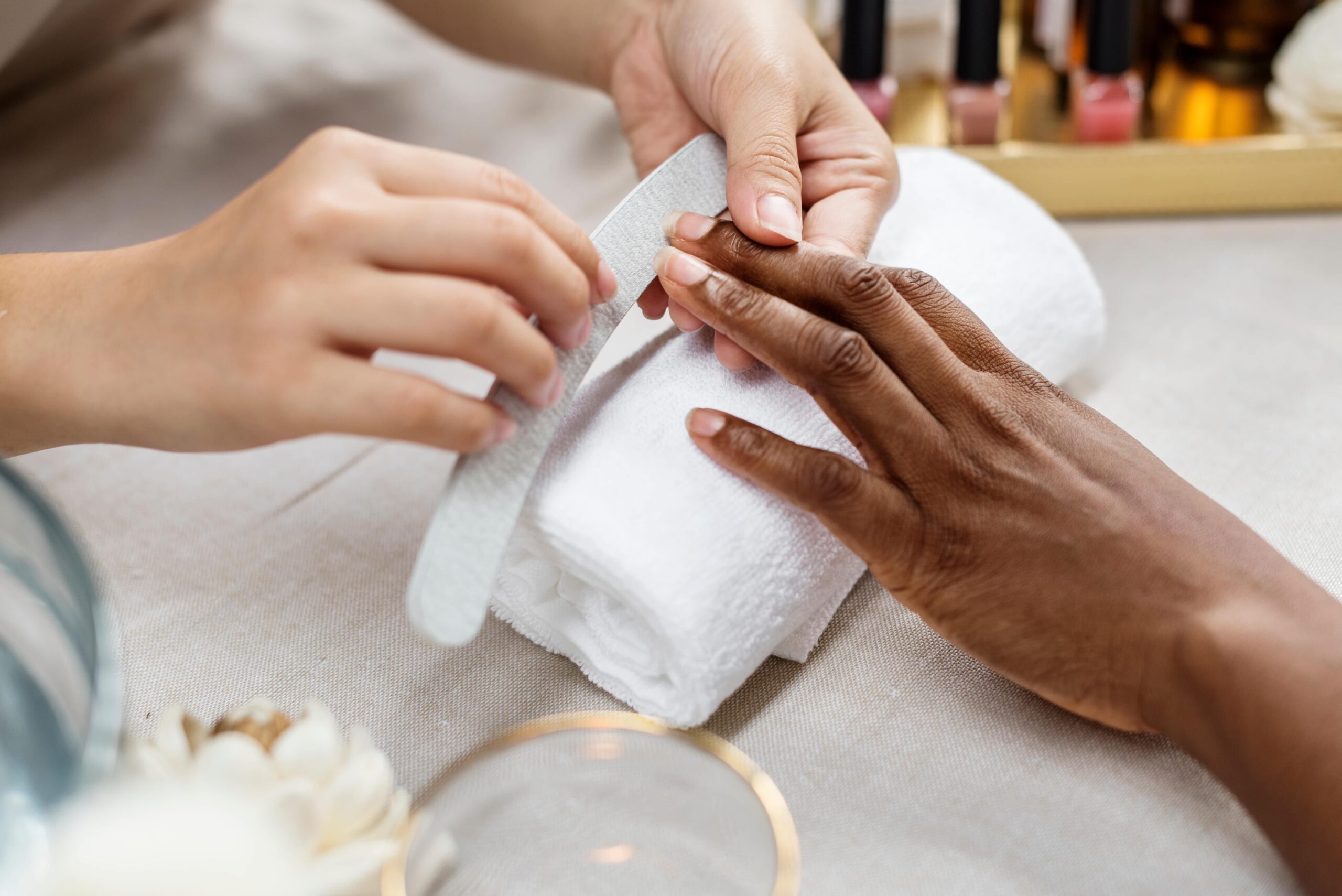
Tips to keep your hands and feet healthy:
-
Avoid cutting your cuticles. Instead, use cuticle cream to help combat dryness, splitting and hangnails.
-
Moisturize with a rich hand cream.
-
Keep nails short.
-
Wear rubber gloves while doing chores as excessive exposure to water can lead to fungal infection of the nail bed.
Nail Polish and Nail Salons
If you’d like to use polish, soft, neutral shades of pink will lend a healthy- looking finish
Use an oily acetone-free polish remover. Acetone is very drying and can make nail problem worse during treatment
When visiting a salon, make sure the staff has worked with clients undergoing cancer treatment (or at least knows how to take extra precautions to keep you safe and healthy)
Let’s navigate this together
Join a community that understands. Receive expert advice, useful resources, and compassionate tips throughout your cancer journey in the LGFB newsletter.
Newsletter Form
One question everyone may have as they begin their cancer treatment is ‘what are the side effects of my cancer treatment?’ The truth is, is that, while there are many common side effects from chemo, radiation, immunotherapy and drugs, your treatment experience will be different from anyone else. So, what’s ‘normal’? Your medical team may give you a booklet on what to expect, but the reality is, there is no ‘normal’.
Hair loss, fatigue, constipation, diarrhea, headache, nausea are all common side effects from cancer treatment. But you may also be dealing with loss of balance, strength and coordination. Others experience nerve tingling, “burning” or numbness. It’s also possible that you may not have any of these side effects. Your reaction to your treatment is as individual as your diagnosis itself.
In the past, a good patient was often described as someone who kept questions to a minimum, who followed all the advice that their healthcare professional provided, who didn’t complain or voice their concerns, and didn’t speak out about something they didn’t understand. Over the years, medical professionals have begun to realize that their patients are individuals, with minds of their own and ideas and questions about their own healthcare.
Enter, Dr. Margaret Fitch, a professor at the University of Toronto with a background in nursing and expertise in oncology and the psychosocial and emotional side of cancer. Dr. Fitch identifies the difference between ‘person-centered’ and ‘patient centered’ care. Your care is a partnership. Doctors, nurses and social workers bring knowledge and expertise, but you are the expert on you and your personal experience. Person-centered care calls on medical professionals to listen, work in partnership with you and to better understand what your life is like and to pay close attention to how any suggestions made may impact you.
Dr. Fitch offers some important take aways to help you in your efforts to ensure your care is ‘person-centered’.
Embrace Your Right to Ask Questions: It’s crucial to remember that you have the right to ask questions about your care and treatment. Even if it’s difficult to speak up, your health and well-being are paramount. Take time at home to write down your questions when you’re relaxed, and bring them to your appointments. Don’t hesitate to be firm and confident in asking for the information you need.
Utilize All Available Resources: While your time with your physician is limited, don’t hesitate to ask a nurse or another healthcare professional for additional support. Healthcare teams often work together, and they can help ensure that your concerns are addressed. It’s okay to use multiple strategies to get the information and support you need.
Understand That “Normal” Doesn’t Mean “Okay”: If you’re told that certain side effects or feelings are normal, it’s important to recognize that this doesn’t mean you have to accept them without support. There is help available, and you don’t have to navigate these challenges alone. Speak up about what you’re experiencing and ask about the resources and services that can provide relief.
Recognize the Uniqueness of Your Experience: Cancer is not just one disease, but many, each with its own treatments and side effects. What you go through may be completely different from someone else’s experience, even if the diagnosis sounds similar. Don’t feel pressured to compare your journey to others; instead, focus on what you need and seek out the right support for your specific situation.
Explore Your Options: The treatment and support options available to you are diverse. Whether it’s joining a group, seeking one-on-one counseling, or trying different therapies, it’s essential to find what works best for you. Don’t be afraid to explore different approaches until you find the one that feels right.
Stay Informed About New Treatments: Medical advancements, like targeted therapies, are constantly evolving. These treatments can be more precise and may reduce some of the more challenging side effects associated with traditional chemotherapy. Keep the conversation open with your healthcare team about new options that may be available to you.
Value Your Individuality: Remember, your journey is uniquely yours. While it’s helpful to hear others’ experiences, what works for someone else may not be the best fit for you. Trust in your instincts, ask for the information you need, and choose the path that feels most supportive to your individual needs and circumstances.
In Episode 2 of “Facing Cancer Together,” you will hear from several women undergoing treatment, each with their own unique version of ‘normal.’ Additionally, Dr. Fitch delves into the concept of ‘person-centered care,’ offering deeper insights into this compassionate approach to treatment. Tune in for a compelling discussion that highlights the diverse experiences of these women, the importance of personalized care and how you can advocate for yourself during your own cancer journey.