
Skincare, Makeup, & Hair Workshop
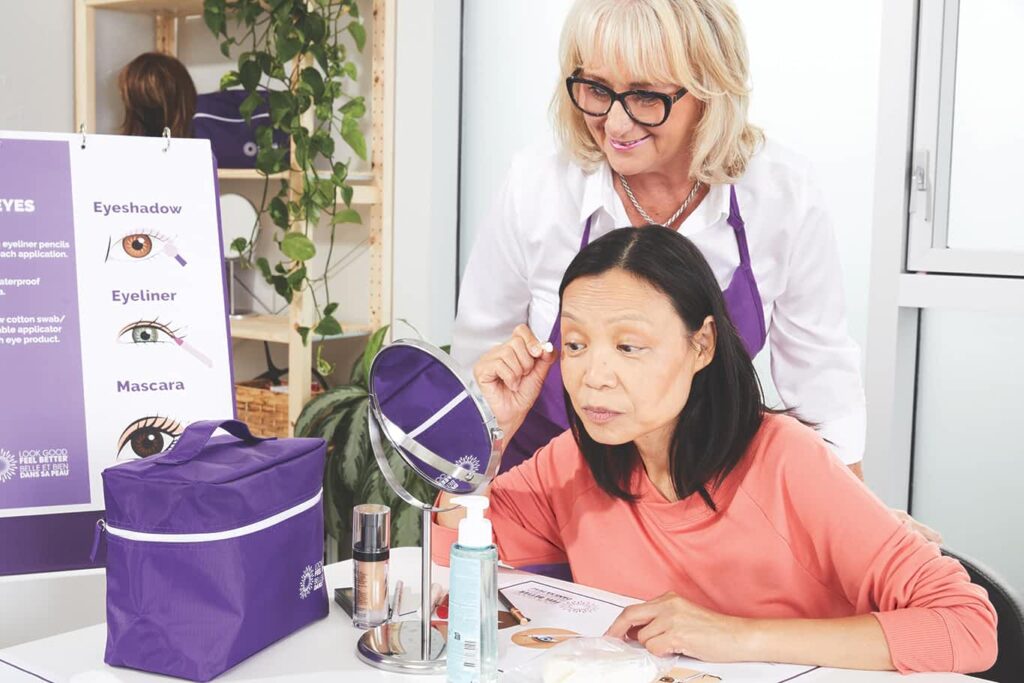
Discover practical ways to manage the physical side effects of cancer treatment on your skin, hair, and face, including skincare, makeup, hair loss, wigs and other head coverings. Connect with a community who gets it.
About this workshop
What you will learn:
Counteract side effects such as discolouration and dry skin
Practice simple makeup steps to add colour back to your face
Makeup hygiene and sun safety
Find tips and techniques for managing the loss of brows and lashes
Caring for your scalp during and after treatment
What to consider if selecting a wig
All types of head coverings including wigs
Pros and cons between synthetic and human hair wigs
The information and dialogues are designed to help you:
Manage the physical side effects of cancer treatment with clear, practical guidance
Connect with others who may understand what you are going through
Understand what to expect during treatment
Prepare for treatment to help minimize potential side effects
Feel more like yourself again
This workshop is available IN-PERSON.
IN-PERSON
- The IN-PERSON workshop is 2 hours long.
- Called Skincare, Makeup & Hair, it combines both our Skincare & Makeup and our Wigs & Hair Alternatives workshops.
- In-person workshops are only available in select locations around Canada.
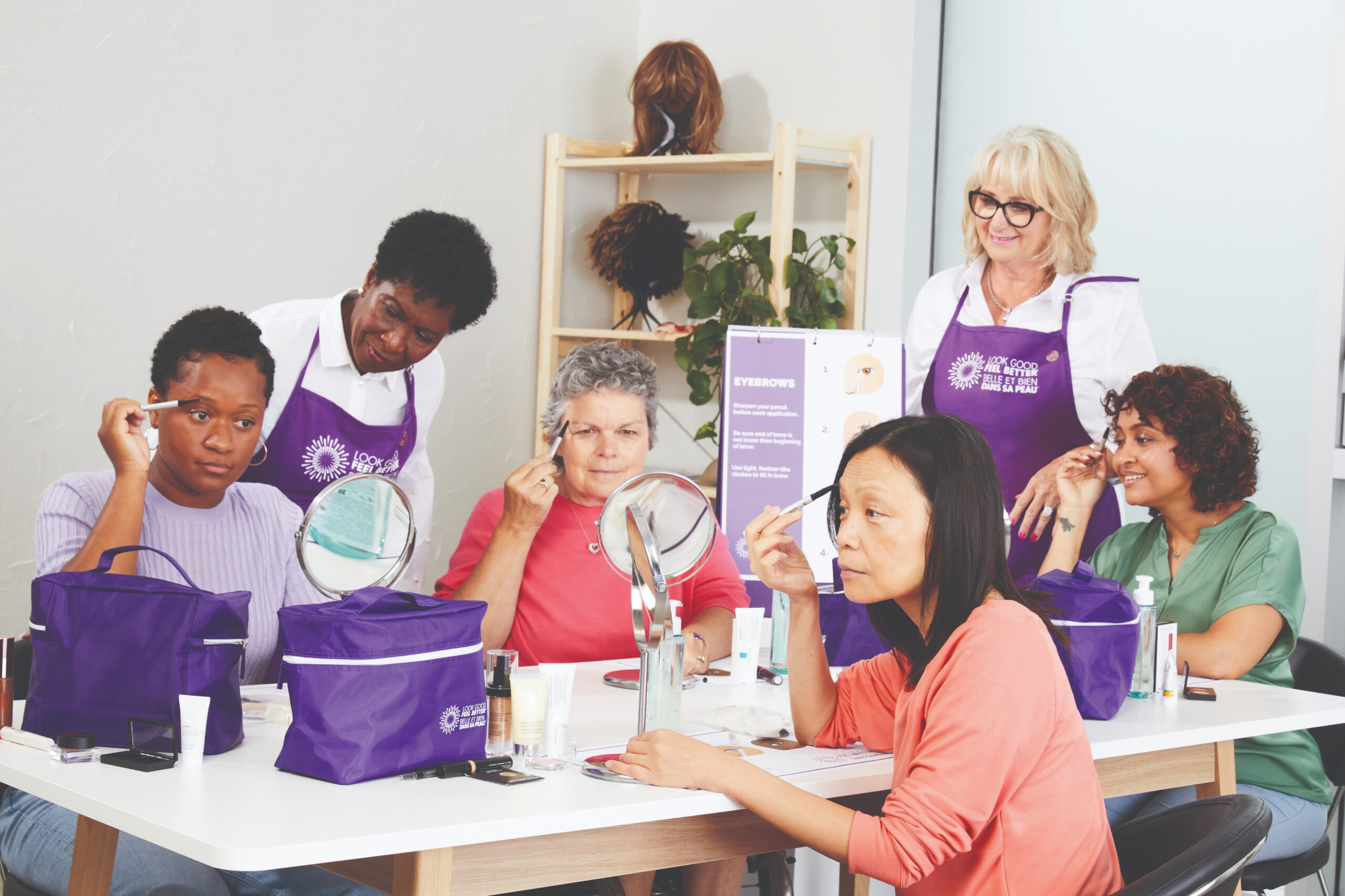
Who should attend this workshop?
This workshop is available to anyone who is about to start cancer treatment, is currently in treatment, or has completed treatment in the last 12 months and would like information about or support around this topic.
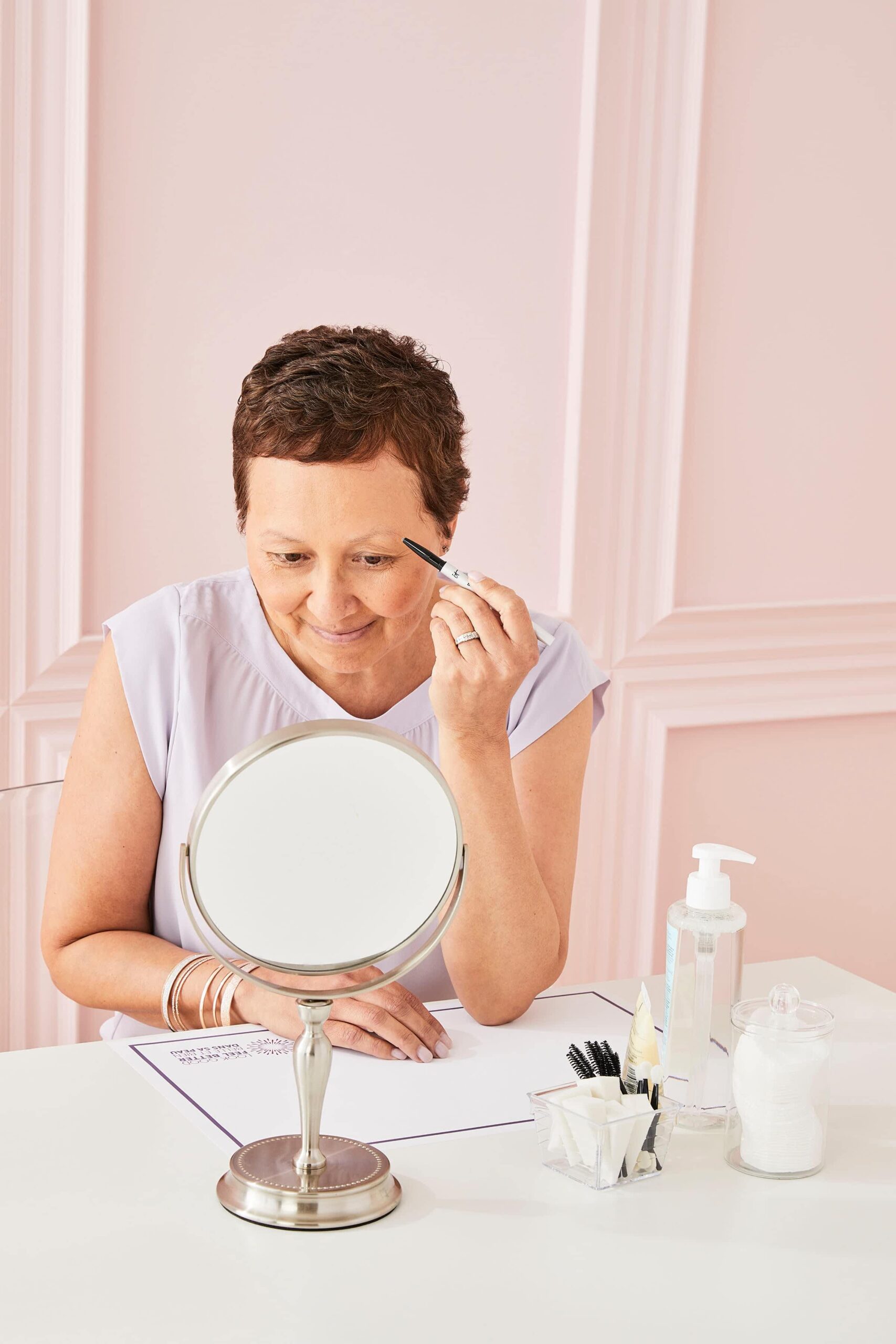
The Confidence Kit
Participants in the Skincare & Cosmetics workshop receive a free kit of skincare and makeup products.
These products are generously donated to Look Good Feel Better and meet the regulations set forth by Health Canada.
These products are for educational purposes, so you may practice the techniques explained in the workshop.
- You will receive the kit in the workshop.
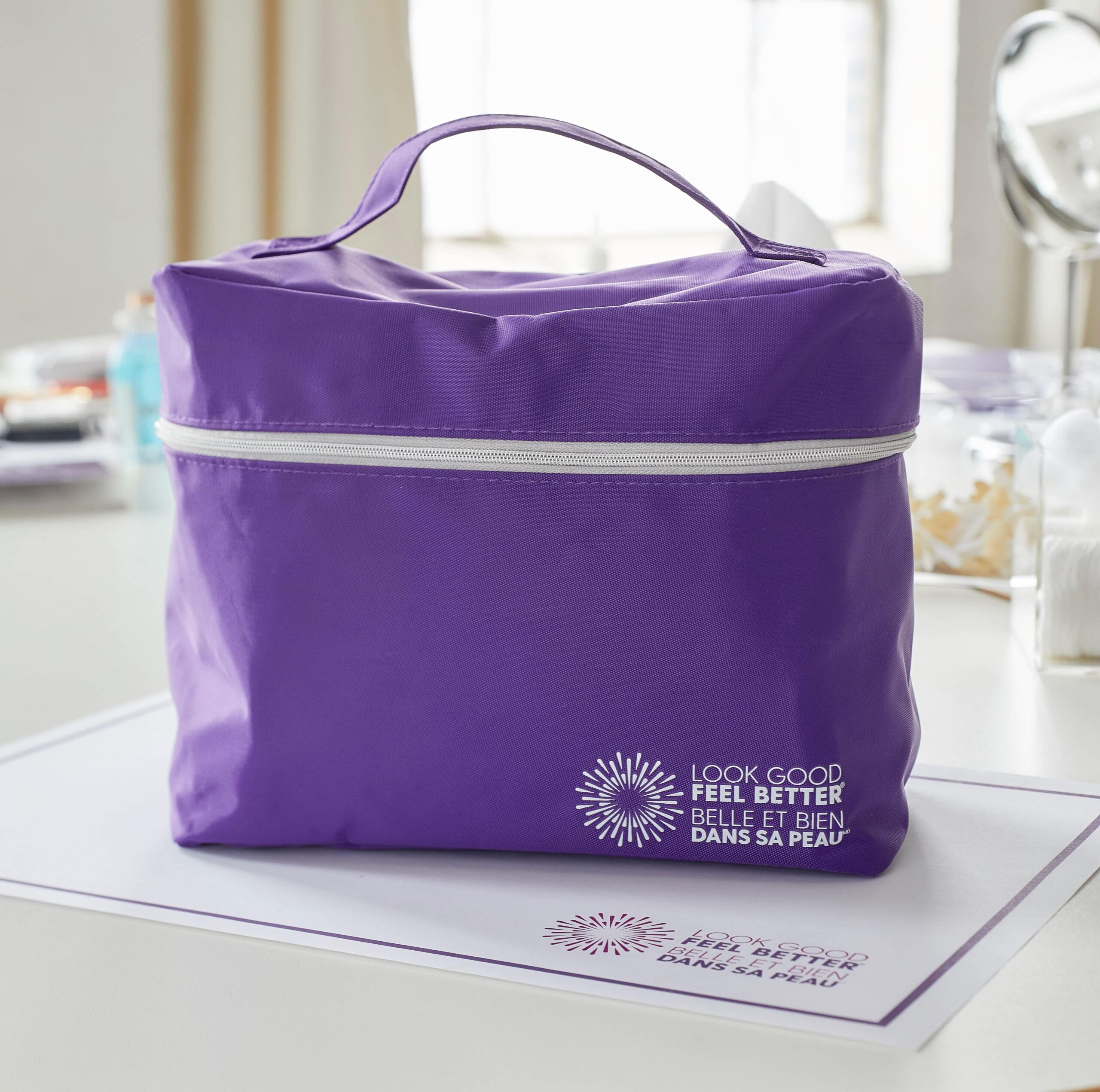
What Our Participants Have to Say
“This workshop was so useful because it wasn’t just information. It ‘normalized’ the techniques to cope with cancer & treatment related challenges to appearance. Yes, wear makeup and take care of your skin not just in spite of cancer and treatments but here is how to do it well and safely!”
- Joan L., Workshop Participant
“The volunteers were excellent and so caring. It’s the first time I’ve laughed in awhile.”
- Joan M., Workshop Participant
Participating in our workshops
97%
of Workshop Participants
would recommend our workshops to another person facing cancer.
32%
of Our Participants
feel somewhat confident BEFORE our workshops.
89.1%
of Our Participants
reported feeling somewhat confident or confident about their appearance AFTER our workshops.
Let’s navigate this together
Join a community that understands. Receive expert advice, useful resources, and compassionate tips throughout your cancer journey in the LGFB newsletter
Newsletter Form
Wigs & Scarves Workshop
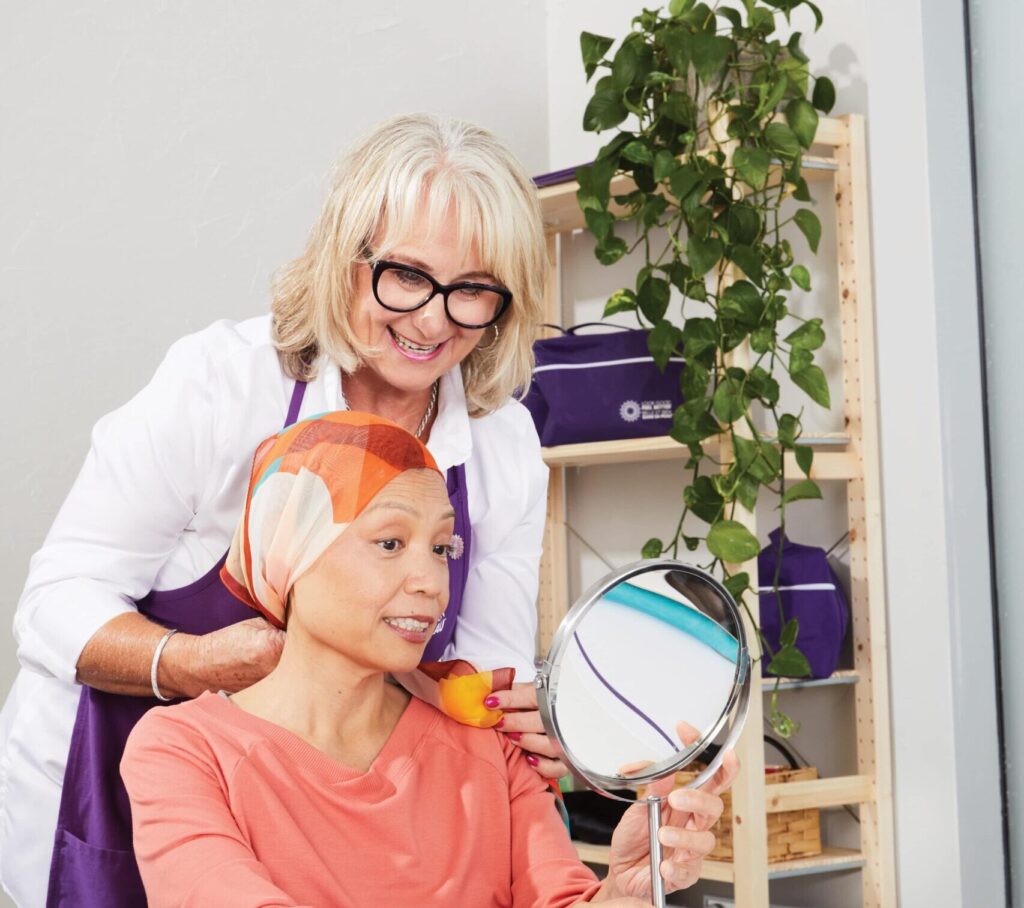
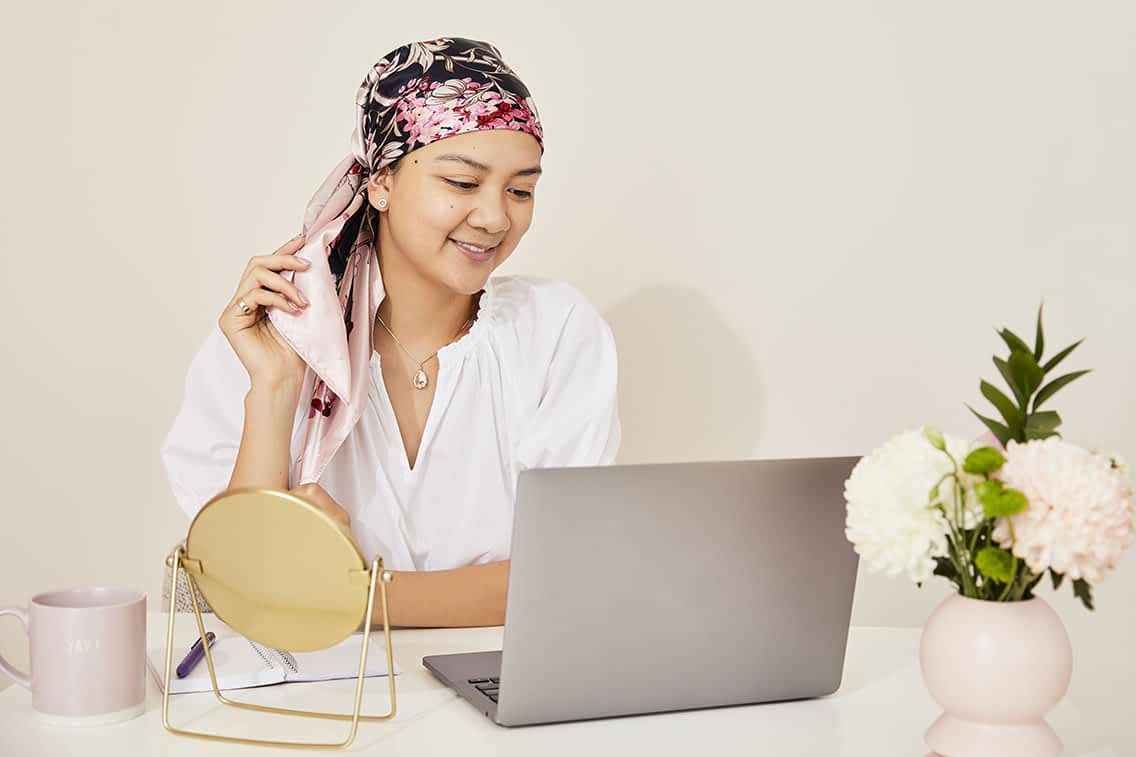
Learn about hair loss and caring for your scalp during treatment, all about wigs, and other hair alternatives, including scarf-tying techniques.
About this Workshop
What you will learn:
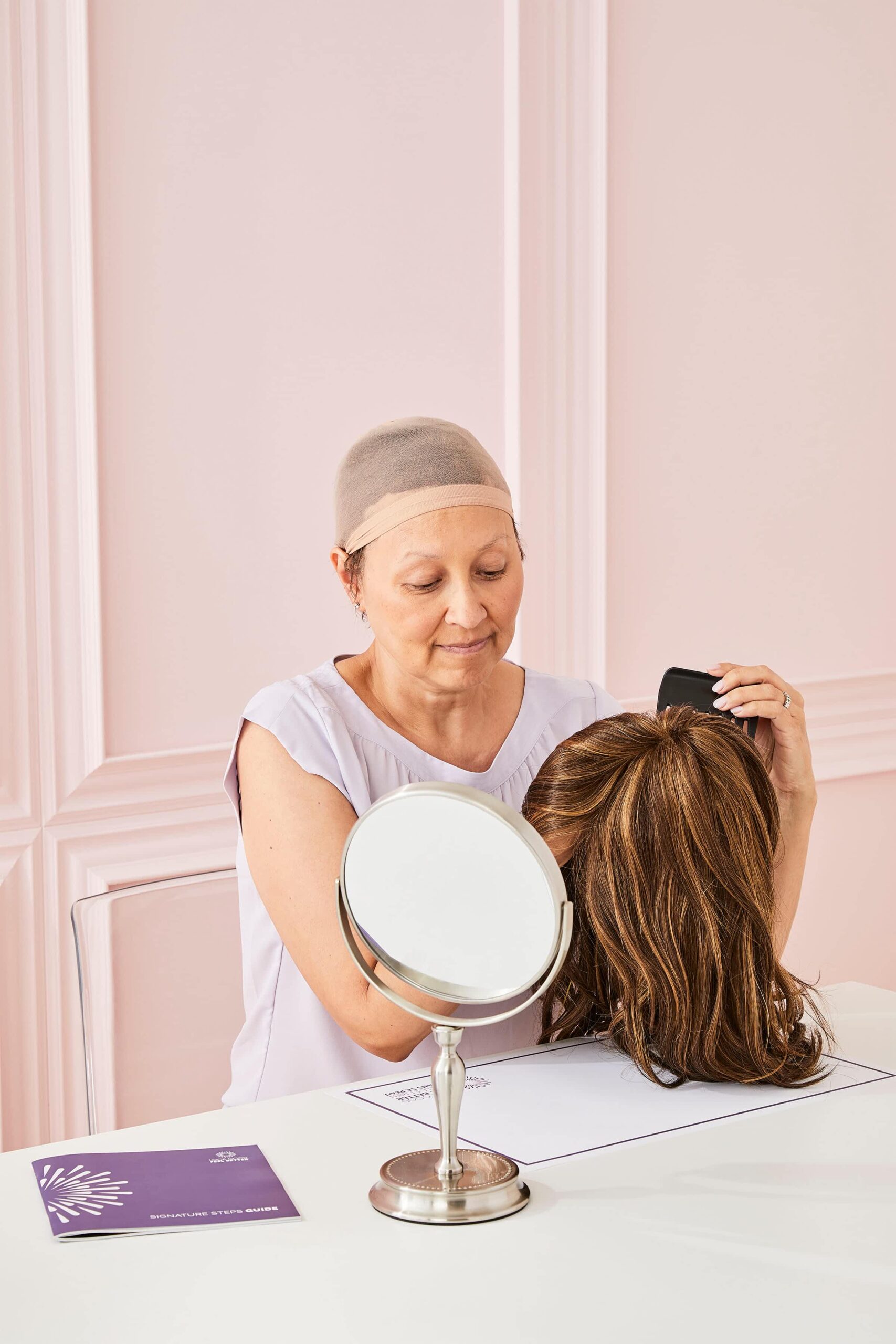
Caring for your scalp during and after cancer treatment
What to expect with hair regrowth
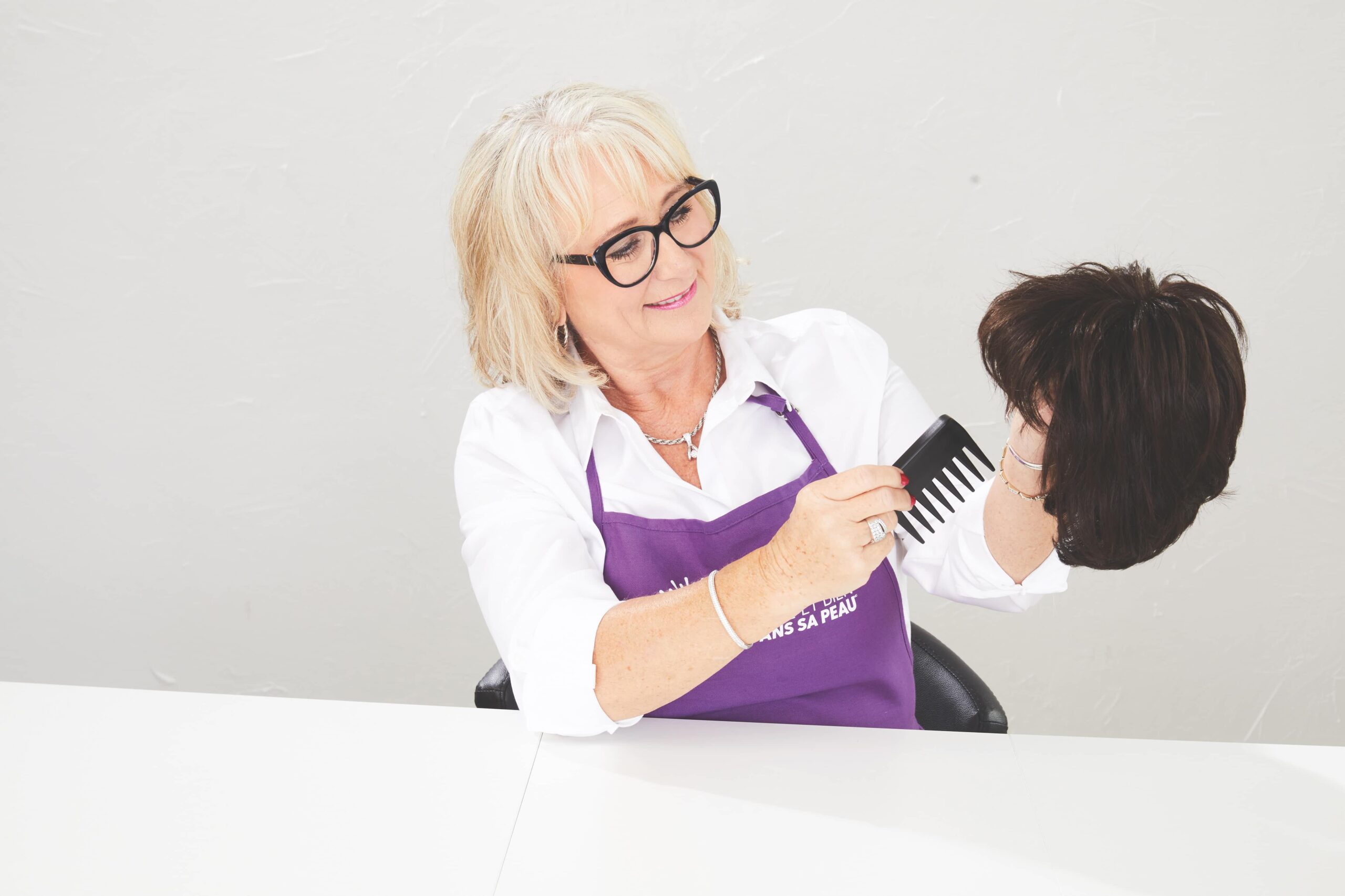
Discover all types of head coverings, including wigs
What to consider if selecting a wig
Pros and cons between synthetic and human hair
Easy scarf-tying techniques and more
The information and dialogues are designed to help you:
Manage the physical side effects of cancer treatment with simple, practical guidance
Connect with others who may understand what you are going through
Know what to expect during treatment
Prepare for treatment to help minimize potential side effects
Feel more like yourself
This workshop is available ONLINE and IN-PERSON
Online
- The ONLINE workshop is ONE HOUR long and is delivered via Zoom.
- Relax and join us from the comfort of your home.
IN-PERSON
- The IN-PERSON workshop is 2 HOURS long and is called Skincare, Makeup & Hair.
- It combines our Wigs & Scarves and our Skincare & Makeup Workshops into a single 2-hour session.
- The in-person workshop is only available in select locations around Canada.
Who should attend this workshop?
This workshop is available to anyone who is about to start cancer treatment, is currently in treatment or has completed treatment in the last 12 months and would like information about or support around this topic.
What are participants have to say
“The volunteers were excellent and so caring. It’s the first time I’ve laughed in awhile.”
- Workshop Participant
“This workshop exceeded my expectations. It helps to talk to an expert who is positive, fashionable and gives all the tips. One example – I had no idea how a chemo/sleep cap is such an important base layer!”
- Workshop Participant
Let’s navigate this together
Join a community that understands. Receive expert advice, useful resources, and compassionate tips throughout your cancer journey in the LGFB newsletter
Newsletter Form
By Adriana Lombardo
Let me be blunt with you. These past few months have been crap – to put it politely.
Only now is it hitting me: Survivor’s Guilt.
Why did I survive a deadly disease while I had to bury people I’ve met along the way?
Why am I finding it so difficult to move forward with my life without feeling extremely guilty?
This sucks!
I knew this feeling may come. I’d heard of survivor’s guilt and was aware of the emotions I had yet to face, but to be honest with you, I had started living and actually enjoying life without having to worry about appointments, etc, that I didn’t think it was going to happen.
I thought I was one of the lucky ones who wouldn’t go through it – who am I kidding.
As sad as this may be, or as weird as it may come across, I miss having cancer.
Weird, huh?
Who would ever say such words?
Let me explain:
Life was easier when I was sick; at least it seemed to be.
I didn’t have much to worry about other than chemo, appointments, procedures, if the cancer was going to kill me or not, you know, the usual “cancer stuff.”
Now that I’m back “in the real world,” I find myself struggling to accept that chapter has now closed.
It was two-plus long years of fighting and not having any worries about anything other than me.
I’ve moved on, almost as if nothing ever happened, but I find myself holding onto anger and pain and all these other emotions that I have never accepted until now.
I smiled all throughout my treatment – a genuine smile – but now I find I’m faking one to show people that I’m still alright.
How do you explain to people that while going through cancer I was genuinely doing fine, but now I feel as if I’m not?
I know it’s not up to me to explain this to anyone but that’s the thing about society – once you’ve gone through any sort of heartache, they expect you to pick up and keep going without actually acknowledging what you’ve gone through.
But that’s just it: once you’re “healed” or “cured”, people stop asking how you are because they assume everything is alright. That you’re “back to normal”.
I’m still trying to figure out my new normal while juggling these emotions.
It saddens me to know I had to remove my rose-coloured glasses at such a young age and that the benefit of the doubt doesn’t really exist once you’ve gone through cancer.
You see things and people for what and who they really are.
Anger and frustration followed.
Like I mentioned earlier, there are a lot of emotions that I’m battling now with Survivor’s Guilt.
It’s a matter of finding a balance between not letting go and moving forward.
I’m going to challenge myself for the next month. My goal is not to have it all figured out, but to accept what I’m feeling and just let myself feel it.
No one will ever have it figured out, so why should I?
I’m not sure that I’ll figure out why I’m feeling the way that I do, but I do owe myself ways of figuring out how to deal with it.
It’s going to be challenging but I’m going to learn to love myself all over again for the sake of my mental health and wellbeing.
I was a new translator for Look Good Feel Better when I was offered the chance to attend a workshop to see for myself how a session was run.
I had already translated a number of testimonials from people who’d experienced a workshop, and what always stood out was the warm welcome from the volunteers, their expertise and their respect for the participants. Some mentioned how, once the workshop had begun, apprehensions disappeared and were replaced by joy—a feeling not always present during cancer. Others said that being surrounded by people going through the same experience as them gave them much-needed moral support, without realising it. For others still, the workshop was energising, as it broke the social isolation caused by the almost daily medical appointments, the omnipresent fear during the ordeal, the gruelling treatments, and the exhaustion that overtook them as time went by.
The testimonials echoed the scale of the challenges a person needs to overcome during cancer. However, when I attended a workshop, I was able to see another side of the story: the volunteers, like fairies, were busy preparing the room with care and rigour. Sure moves, no doubt performed a thousand times before, were carried out with enthusiasm and team spirit; we weren’t welcoming the Queen of England, but it just seemed the same! It was beautiful, it was real. Most of them had already done a full day’s work for their employer, but these specialists in make-up, skin care or hair prostheses had chosen to commit themselves to their community out of generosity and solidarity. The women who were about to come forward were in great need of the expertise of these volunteer specialists, and they understood this.
I took a seat at a table and, as soon as the first participants arrived, I saw the magic happen. The volunteers knew how to read the participants: the welcome was both friendly and respectful, never intrusive; everyone had their own space, depending on whether they were more reserved or more open.
These women who had come that evening to learn how to look ‘normal’ again, even though nothing in their lives was normal at the time, these women who had chosen to leave their homes in spite of great fatigue, unpredictable nausea or a morale that wasn’t always up to scratch, found themselves gathered in this room for (essentially) the same reasons: the desire to take back control of their lives, against all odds. They were going to discover make-up tips and tricks to redraw their lost eyebrows, to restore their complexion, to take care of their dull skin and their nails damaged by chemotherapy and radiotherapy. And perhaps they would be tempted to try on a wig to camouflage a now bald head, or a scarf that they’ll learn to wear in a variety of clever ways.
From that evening in February, I remember the spirit of sisterhood that springs naturally from a Look Good Feel Better workshop: women helping other women they don’t know, whom they may never see again. In time, some of them may forget the names of the others, these angels who were there for them for an evening; but the warmth of their exchanges will remain with them forever. As the American novelist and poet Maya Angelou put it so well: ‘People will forget what you said, they will forget what you did, but they will never forget how you made them feel’. For a few hours, the volunteers and participants will have been cosmic sisters, sisters of the heart. For a few hours, they will have shared a complicity and a friendship that normally takes years to develop between two people, through living side by side and sharing life experiences. That’s the power of a Look Good Feel Better workshop.
When I was offered the job of translating content for Look Good Feel Better, I hesitated at first. I felt uneasy. I wasn’t sure if I wanted to, or even if I could, write about such a difficult subject—women affected by a serious illness that often leads to harsh treatment. I’d had breast cancer a year earlier and, a few years later, would be overcoming a second one that would require even tougher treatments. I finally agreed, but gave myself the right to withdraw if the experience proved too harsh. Then I realised that this mission to look good and feel better was a regular (and happy) reminder that human nature is fundamentally good. In fact, during the second cancer, I only kept Look Good Feel Better as a client. I insisted on continuing this work, because the stories and testimonials had a calming effect on me. Look Good Feel Better reminded me every day that I wasn’t alone. And everything is so much sweeter when you don’t feel alone, isn’t it?
It was on Christmas morning — while in the shower, thinking of my children and the celebrations and everything that needed to be done — that I first felt the lump. I wanted to believe it was nothing, just like the doctors had told me before, when I’d had clogged milk ducts while breastfeeding — but deep down, I knew something was different this time.
When I left Bangladesh and came to Canada five years ago with just my husband and two small children, I never dreamed that I’d soon be facing stage 3 breast cancer in a new land, thousands of kilometres away from my family. I felt so very alone. And I had a hard time accepting my diagnosis. I’ve always lived a healthy, disciplined lifestyle. In my family, everyone looked to me as the example of good health — I was the one who knew what foods to eat and how to live the right way. I did everything right, and yet still, I was the one who got cancer. It didn’t seem fair.
I struggled to accept what was happening to me, but one thing was clear: I had no choice but to face whatever was coming. I have kids, I have a family — I wanted to live.
My treatment involved eight rounds of chemotherapy, a lumpectomy, and 19 rounds of radiation. I hid my pain, sickness, and sadness from my husband and son and daughter as much as possible. I didn’t want my husband to lose strength — he had so much on his shoulders, taking care of me and the kids. I had no one to turn to, no one to talk to. I was desperately stressed out and frustrated. And I felt so helpless — I’m a very independent person who suddenly wasn’t able to do much on my own.
Fortunately, I realized that this wasn’t a permanent situation. I knew I would be alright after my treatment, and so I accepted the pain and the reality of what I was facing. I endured the vomiting, nausea, and painful burns from radiation. And little by little, things started to look up. I found support. I found strength. And through the big dark cloud that is cancer, I found small rays of hope.
Every cloud has a silver lining, or as we say in Bangladesh, “shesh bhalo jar, shob bhalo tar” – “all’s well that ends well,” basically. Despite the hardships, cancer brought me unexpected gifts. When my hair grew back after my treatment, for the first time ever it was curly — something I had always wanted. Post-chemo, my skin is so much better. And I got to model again, thanks to Look Good Feel Better (LGFB). In my home country, I had a modelling career, but that all stopped when I came to Canada. Participating in the LGFB photo shoot brought back so many good memories. The feeling of being in the spotlight again was incredible.
Cancer has also made me a better person. I’m much stronger mentally now and I have a deeper sense of gratitude for life. I’m prepared to be a good advisor for anyone else going through a cancer journey. And I really want to contribute, to give back. I want to share my story and my positivity, and to support other cancer patients — especially back in my home country, where cancer treatment resources are limited. In Canada, I got the best cancer treatment possible. But Bangladesh is a developing country, and those who have cancer there are suffering immensely. One day, I hope to return to share what I’ve learned and support those who need it most.
It was in the middle of a day doing something I love — golfing — that I finally had to admit to myself that something was wrong. I couldn’t even swing the club — the pain in my back had become unbearable. I went to get it checked out, and soon what I had already known deep down was confirmed: my breast cancer had returned, spreading to my bones.
Now, at 54, I’m facing a stage 4 diagnosis. I’ll be on treatment for the rest of my life. But here’s the thing — I’m not one to dwell on doom and gloom. As a Christian, I believe I’ll eventually go to heaven and have an eternal life. In the meantime, I’m determined to live life with grace, strength, and, most importantly, gratitude.
My cancer journey began in September 2020, during the height of the pandemic. I had noticed a lump in my breast and, after some tests, received the diagnosis that no one wants to hear: stage 2 breast cancer. I soon found out that I actually had cancer on both sides, which my doctor said wasn’t common. I always said, “It is what it is.” I worked for an insurance company, so I knew my odds for this type of thing. And two of my maternal relatives had breast cancer, so it wasn’t really a shock.
The treatments were tough— surgery, double-dose chemotherapy, and radiation. I was off work for a year and a half and was grateful to my workplace for their support, including offering everything I needed to make my time off as comfortable as possible. I was also so grateful to live in a place like Toronto, where so many supports are available.
I joined several Look Good Feel Better (LGFB) workshops, which were online during COVID, and they were so helpful. They helped me feel more like myself again, especially after losing my hair. I learned how to wear wigs and scarves, and how to take care of my skin.
After months of treatment, I was relieved when my treatment ended in May 2021. Life started to feel a little more normal again, but my cancer had been aggressive and deep down I knew there was always a possibility it could return.
When it did, I decided to go back to the Philippines, where I’m originally from, to visit my parents before I started treatment. Their health wasn’t good and they weren’t able to travel. It was so good to see them and to connect. While I was in Asia, I also went to Japan and ate a lot of sushi. And when I came back, I was ready to dive into a new round of treatments.
During my recurrence, I also signed up with LGFB for a second time, but this time for the skincare & cosmetics workshop. I really enjoyed getting to attend the workshop at Sunnybrook Hospital — it felt so much more personal. And I was impressed that they gave me custom skincare and makeup recommendations based on my East Asian skin type. Everybody’s skin is so different, so this really stood out.
Looking good became much more important to me this second time around as well. When I first had cancer, it was during COVID, and no one could go out. But now the world is open again, and I want to be out and about. And for me, if I don’t look well, I don’t want to go out. When I look well, I feel well, and then I’m more likely to go out and socialize, which in turn helps me feel emotionally better. It’s like a cycle — a positive, uplifting cycle.
I choose to focus on the positive. As I move forward in life, my faith reminds me that life here is temporary. Whatever the future holds, I know I’m not alone.
When my doctor told me I needed to fast-track fertility treatments if I wanted to have more children in the future, I was overwhelmed with emotion. I was 33 and suddenly the option of having more children — the spontaneity, the joy of it — wasn’t mine anymore. I didn’t want to tell my partner, who didn’t have any children of his own yet. I felt like I was robbing him of an experience he might have naturally had with someone else, someone who wasn’t going through breast cancer. It made me feel flawed, as though something was wrong with me.
Eventually I did tell my partner, and he was very supportive. He accompanied me to my treatments. But opening up about my diagnosis was hard. In Caribbean culture, especially among the older generation, people tend to be very private about their health. When I found out I had cancer, I wanted to keep the news to myself — even from my partner, family, and friends. But as things progressed, I realized I couldn’t do it alone.
I’d had a lumpectomy years ago, for a benign lump, which I had kept secret. I thought I could do the same this time — have a bit of chemo and downtime and then go back to my regular life and work as a nurse, with no one the wiser. I didn’t want my mother to worry. “Here we go again,” I said to myself. “I can do this.” But this time was different. I didn’t realize how much my treatment would break me down physically. Suddenly, I couldn’t even walk to the bathroom or wash my face on my own. I told my family and they stepped in to help.
My sister was an absolute godsend. She moved in and helped with all the day-to-day stuff — laundry, groceries. But most importantly, she really helped with my 10-year-old daughter. She took her to the movies, did her nails, and took her to her dance lessons and recitals, making sure her life wouldn’t be completely turned upside down.
I had trouble breaking things down and explaining what was going on to my daughter. Kids learn about cancer at school through Terry Fox, so naturally she asked if I was going to die like he did. I couldn’t answer her questions without falling apart, so having my sister there — and also getting my daughter into a children’s support group — was essential.
My treatment — chemo, a mastectomy, radiation, and IV therapy — took everything from me physically, mentally, and emotionally. I felt like cancer had stripped me bare, leaving me with no say, no control, nothing.
And then I was introduced to Look Good Feel Better (LGFB). Honestly, I wasn’t going to go. I was feeling awful and I didn’t want to socialize. I was very closed off and isolated. But I put my fear aside and attended the workshop, and I’m so grateful I did. The air felt so loveable when I got there — so welcoming, inviting, uplifting, and warm. It ended up being the most amazing experience. Everyone was talking and joking around, being so supportive. I didn’t expect to feel beautiful when I walked out. LGFB is like a sisterhood. When I was feeling broken and bare, it lifted me up and helped me to feel loved.
Today, I’m getting used to a new normal. I’ve had to accept that I’m never going to feel the way I did before cancer. But I’ve also realized that it’s okay to lean on others and to find strength in sisterhood.
I’d already survived a life-changing event when I was just 16 years old. It was the first day of summer. I was fresh out of grade 10 and excited to be doing my very first parachute jump. But the parachute didn’t open, and I plummeted 3,000 feet to the ground. The impact left me with a spinal cord injury, and I’ve used a wheelchair ever since.
I was able to move on with my life I went back to school and got a university education. I got married and had a daughter, who’s in her 30s now. I had a fulfilling career as a French immersion teacher. I also got very involved in wheelchair sports, from curling to hand cycling. My life was moving forward in a positive, productive way.
I thought that surely my spinal cord injury was the biggest challenge that life would throw my way. Cancer had never been on my radar. I was feeling great. When I discovered the lump, I didn’t panic. I’d been getting regular mammograms with nothing showing up. But when the nurse called and said, “There’s a 97.5% chance it’s malignant,” everything changed. It felt like the world had shifted beneath me once again, just like that day in 1981 when my parachute failed.
My breast cancer diagnosis was shocking. It was an aggressive cancer with all these names I’d never heard before: ER-positive, PR-positive, and HER2-negative. I had no idea there were so many forms of breast cancer. And it felt extremely unfair. I had already been dealing with a spinal cord injury for most of my life – wasn’t that enough? Hadn’t I experienced enough traumatic moments? I was also initially very concerned that I was not going to survive, as I’d watched my mother die of cancer. I was devastated.
My spinal cord injury changed my life, but cancer was even worse. It wasn’t just physically brutal – it caused an immense emotional toll, invading all aspects of my life and leaving me constantly on edge, with the steady fear of recurrence looming over me. And navigating the complexities of cancer care treatment was especially challenging because of my spinal cord injury. For example, the chemo table was too high for me to get up onto on my own. I had to lobby the hospital for better accessibility.
In the past year, I’ve gone through a lumpectomy, what felt like endless chemotherapy, radiation, and ongoing hormone therapy. I’ve gone from having long blond hair to short grey hair with chemo curls. I still don’t recognize myself when I look in the mirror. It’s like I’m a different person now, in many ways.
Amid the whirlwind of treatments and fear, finding support became essential. Having an organization like Look Good Feel Better (LFGB) was so helpful. Peer support is one of the big methodologies used to help people with spinal cord injuries. You can have a doctor explain about the injury and physiotherapy and occupational therapy, but peer support – meeting someone else living with the same condition – is often far more valuable. It was the same with having cancer. When I got my cancer diagnosis, I didn’t have any friends or colleagues who were going through it. I didn’t feel like there was much of a community or people I could speak with. No one in my family had had this diagnosis or any type of cancer treatment. I found that sense of peer support from LGFB’s workshops – peers getting together, and volunteers who are well-versed in cancer treatment. For me, the more I can meet others going through similar circumstances, the easier it is to go through the experience. I’m not alone. I’m part of a shockingly large community of women dealing with the same thing. This is an additional piece to the recovery process.
Other things that have helped in my recovery and my holistic approach to treatment are taking care of my appearance, staying active in my communities, and travelling. I’m aware of my mortality in a new way now. I no longer put things off. Cancer has taught me to live each day with intention and gratitude, embracing each moment to the fullest.