
Psychosocial Support
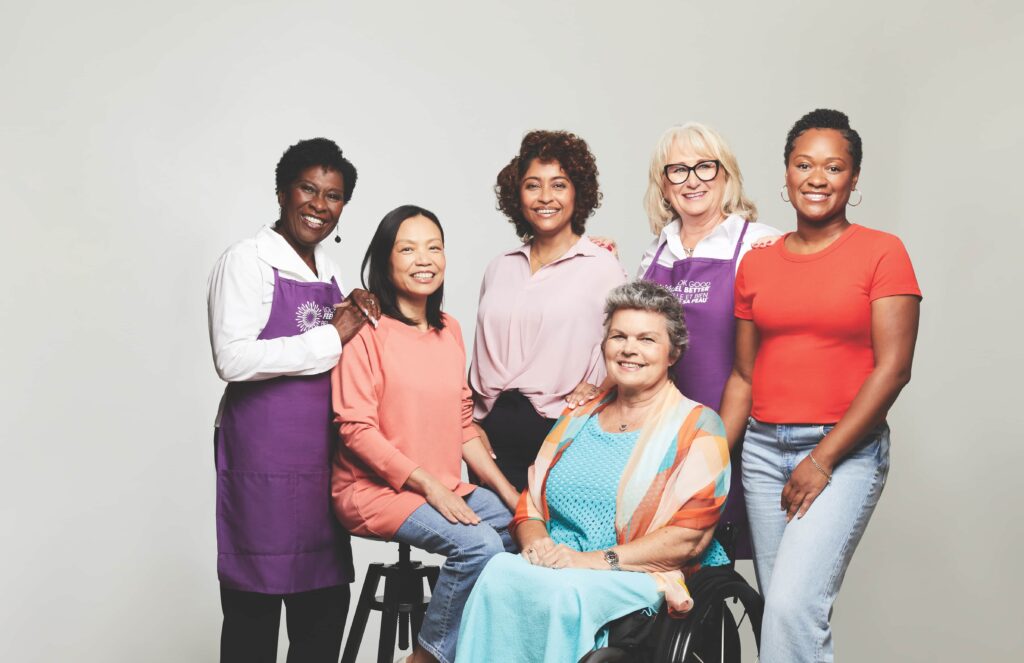
Look Good Feel Better is here for you with emotional, social and practical supports and resources.
We’re here when you need us
At Look Good Feel Better, we know that cancer doesn’t just affect the physical body. We support the whole person, addressing the emotional, psychological, and social well-being of you and your family.
Our workshops are run by caring, knowledgeable volunteers with expertise in their topics. Our resources offer practical advice and address topics that aren’t always covered by medical teams.
Whether you want to join one of our workshops, have questions at 4am (when the rest of your support system is asleep), or you want to connect with someone who understands what you are going through, know that we see you and will support you, no matter where you are in your cancer journey.
What we offer:
Caring, non-judgemental workshops that address the physical and emotional side-effects of cancer treatment (available in-person and online)
A supportive community that appreciates that every person is unique but also shares some understanding of what you’re experiencing
Practical resources and tips, whether you are pre-treatment, in-treatment, post-treatment or living with cancer
Access to our programming, no matter where you live. We are here for all Canadians
We’re here for you.
Find support, expertise, and practical tips in our workshops.
Let’s navigate this together
Join a community that understands. Receive expert advice, useful resources, and compassionate tips throughout your cancer journey in the LGFB newsletter.
Newsletter Form
Here are some ways to take care of yourself while caring for others:
Ask for and Accept Help
Share responsibilities. Make a list of what needs to be done and delegate specific tasks. Friends and family often appreciate having concrete ways to help.
Set boundaries. Be clear about what you need from others, and don’t be afraid to say no to requests that don’t feel manageable.
Care for Your Body
Stay active. Engaging in physical activities you enjoy—whether it’s a short walk, a bike ride, or a tennis match—can help reduce stress and boost your energy.
Eat well. Aim for balanced meals and plenty of water whenever possible.
Prioritize sleep. Create a calming bedtime routine and try for 7–9 hours of rest each night.
Don’t neglect your health. Keep your own medical appointments, take medications as prescribed, and address health concerns promptly.
Support Your Mind
Practice relaxation. Try mindfulness, meditation, yoga, tai chi, or other calming activities to help restore balance.
Make time for joy. Schedule activities that have nothing to do with caregiving, like reading, watching a movie, gardening, or spending time with supportive friends.
Talk it out. Share your feelings with a trusted friend, a support group, or a mental health professional. Naming emotions often makes them easier to manage.
Be Gentle with Yourself
Release expectations. You don’t need to be optimistic, organized, or calm all the time. It’s natural to feel overwhelmed, sad, frustrated, or guilty.
Practice self-compassion. Acknowledge that caregiving is hard and remind yourself that you’re doing your best.
When to Seek Extra Help
It’s normal to feel stressed by caregiving responsibilities, and many caregivers benefit from professional support. Please reach out to a healthcare provider or mental health professional if you notice:
Persistent feelings of depression or hopelessness
Thoughts of harming yourself or mistreating those you care for
Increasing reliance on alcohol or drugs
Stopping care for your own basic needs
Let’s navigate this together
Join a community that understands. Receive expert advice, useful resources, and compassionate tips throughout your cancer journey in the LGFB newsletter.
Newsletter Form
Tips for “the village” of caregivers
In many families, one person — often a spouse, child, or sibling who lives nearby — takes on most of the everyday responsibilities of caring for someone with cancer. But friends, neighbours, and co-workers can also play a vital role in supporting both the person with cancer and their primary caregiver.
Practical Support
As you spend time with your friend and see how cancer is shaping their daily life, you’ll discover meaningful ways to help. Here are some places to begin:
Stay in touch. Send short, frequent texts or emails, or make quick calls at times that work for them. Setting a regular check-in can take the pressure off them to reach out.
Support the primary caregiver too. Ask what they need. Offer to take one or two regular tasks off their plate, or simply listen without judgment.
Show up. Cancer can feel isolating. Even a short visit matters, whether or not your loved one feels like talking. Your role is to be present without pressure.
Be specific. Instead of saying “Let me know what I can do,” offer concrete help and follow through — a weekly meal, grocery run, school pickup, or light housework. Small, consistent contributions add up.
Compassionate Conversation
Many people worry about “saying the wrong thing.” What matters most is showing up, listening, and meeting your loved one where they are.
Let them lead. If they’re withdrawn or quiet, don’t push them to be positive. If they’ve had good news, check how they feel before celebrating.
Offer grace. Treatments, side effects, and fatigue can impact mood. Don’t take irritability or withdrawal personally — it’s often a normal part of coping.
Talk openly — but not only about cancer. Acknowledge their illness when it feels right, but remember they may also want to chat about everyday topics or weigh in on what’s happening in your life.
Offer quiet presence. If they’re comfortable, sitting beside them or holding their hand can be more powerful than words.
Let’s navigate this together
Join a community that understands. Receive expert advice, useful resources, and compassionate tips throughout your cancer journey in the LGFB newsletter.
Newsletter Form
Guidance for the Caregiver Journey
Caring for someone with cancer is both an act of love and a profound responsibility.
Beyond medical appointments and treatment plans, caregivers often find themselves managing small, everyday details that bring comfort, dignity, and emotional support. Psychosocial cancer care isn’t just support for the person with cancer. It also includes emotional and practical resources for their family and caregivers. And, LGFB is here to support you both.
Practical Ways to Comfort and Care
1. Supporting Post-Treatment Nutrition at Home
Help your loved one regain strength and vitality with balanced meals and gentle hydration support. You can make a difference by offering small, frequent meals that suit their changing tastes and energy levels.
Post-treatment Nutrition Workshop
2. Helping Manage Treatment-Related Skin Changes
Learn how to soothe dryness, irritation, or sensitivity with gentle, effective routines. Even simple suggestions like simplifying to just a calming cleanser and moisturizer or products made for eczema can make everyday comfort much easier.
3. Camouflaging Visible Side Effects – Makeup Tips
Discover simple makeup techniques to restore confidence and brighten your loved one’s day. Sometimes, a few brush strokes can help them feel more like themselves again.
4. Understanding and Supporting Hair Loss
Provide emotional support while helping explore wigs, scarves, and head coverings. Remember, hair loss can be an emotional milestone. While you may not have first hand experience with this loss, listening without judgment is an excellent way to offer support.
5. Assisting with Wig Care and Scarf Styling
Learn how to wash, maintain, and style wigs—or master scarf tying together. Turning it into a shared activity can make the process more lighthearted and fun.
6. Helping with Bras and Breast Forms After Surgery
The right post-surgical garments and bras and breast forms that help someone feel confident about their body after surgery can be very meaningful to someone after breast cancer. Taking the time to explore options together can help your loved one feel supported both physically and emotionally.
7. Nail Care for Comfort and Confidence
Learn how to manage brittle, ridged or discoloured nails, a common side effect to many kinds of cancer treatment. Small touches, like a gentle hand massage or moisturizing cuticles can offer both physical relief and emotional connection.
8. Care for Yourself While Caring for Them
Protect your own health and well-being to so that you can be there for the person you are helping. Prioritizing your rest, nutrition, and emotional support isn’t selfish—it’s essential for both of you.
Every caregiving journey is unique.
There isn’t a “right” way support someone through their cancer journey.
What matters most is the love, patience, and presence you bring each day. Don’t forget to care for yourself along the way. We hope these resources help you feel informed, empowered, and remind that you are not alone in this role. Look Good Feel Better is here for all Canadians facing cancer and the people who love and care for them.
We’re here for you and the person you are caring for.
Find advice and support in our workshops.
Let’s navigate this together
Join a community that understands. Receive expert advice, useful resources, and compassionate tips throughout your cancer journey in the LGFB newsletter.
Newsletter Form
“When my mom was diagnosed with cancer, we both took on new roles. It wasn’t always perfect, but caring for her helped me bring our love full circle. And, it demonstrated to my kids that none of us can take on anything alone. We were all in this together. The Look Good Feel Better workshops brought her a lot of joy and support. They also showed me real, tangible ways family and friends could help.”
Chelsea W., Caregiver of Workshop Participant
Cleansing and Moisturizing
Skincare Ingredients and Treatments
We’re here for you.
Find more support and connect with experts in our Skincare & Makeup Workshop.
Let’s navigate this together
Join a community that understands. Receive expert advice, useful resources, and compassionate tips throughout your cancer journey in the LGFB newsletter.
Newsletter Form
Preparing for Hair Loss
During Hair Loss
We’re here for you.
Find community and practical advice in our Wigs & Scarves workshop.
Let’s navigate this together
Join a community that understands. Receive expert advice, useful resources, and compassionate tips throughout your cancer journey in the LGFB newsletter.
Newsletter Form
Nail and Hand Care
Let’s navigate this together
Join a community that understands. Receive expert advice, useful resources, and compassionate tips throughout your cancer journey in the LGFB newsletter.
Newsletter Form
Understanding Your Wig Options
Choosing & Purchasing a Wig
Wig Fitting and Comfort
Managing Wig Comfort Issues
Styling and Customization
Caring for a Wig
We’re here for you.
Find community and practical advice in our Wigs & Scarves workshop.
Let’s navigate this together
Join a community that understands. Receive expert advice, useful resources, and compassionate tips throughout your cancer journey in the LGFB newsletter.
Newsletter Form
Community Resources

Here is Look Good Feel Better's list of trusted non-profit organizations offering complementary resources for people affected by cancer.
Community Partners
Look Good Feel Better is a national charity supporting Canadians affected by cancer.
Cancer can affect many aspects of life beyond the disease itself, but there are many organizations across Canada that help individuals, families, and caregivers navigate these challenges.
For local or community-based support, the Canadian Cancer Society’s Community Services Locator (CSL) connects Canadians to more than 4,500 cancer-related services nationwide.
The organizations listed below are trusted national partners working alongside Look Good Feel Better to help people affected by cancer access the care and resources they need.
We’re here for you.
Find support, expertise, and practical tips in our workshops.
Let’s navigate this together
Join a community that understands. Receive expert advice, useful resources, and compassionate tips throughout your cancer journey in the LGFB newsletter.