
Guidance for the Caregiver Journey
Caring for someone with cancer is both an act of love and a profound responsibility.
Beyond medical appointments and treatment plans, caregivers often find themselves managing small, everyday details that bring comfort, dignity, and emotional support. Psychosocial cancer care isn’t just support for the person with cancer. It also includes emotional and practical resources for their family and caregivers. And, LGFB is here to support you both.
Practical Ways to Comfort and Care
1. Supporting Post-Treatment Nutrition at Home
Help your loved one regain strength and vitality with balanced meals and gentle hydration support. You can make a difference by offering small, frequent meals that suit their changing tastes and energy levels.
Post-treatment Nutrition Workshop
2. Helping Manage Treatment-Related Skin Changes
Learn how to soothe dryness, irritation, or sensitivity with gentle, effective routines. Even simple suggestions like simplifying to just a calming cleanser and moisturizer or products made for eczema can make everyday comfort much easier.
3. Camouflaging Visible Side Effects – Makeup Tips
Discover simple makeup techniques to restore confidence and brighten your loved one’s day. Sometimes, a few brush strokes can help them feel more like themselves again.
4. Understanding and Supporting Hair Loss
Provide emotional support while helping explore wigs, scarves, and head coverings. Remember, hair loss can be an emotional milestone. While you may not have first hand experience with this loss, listening without judgment is an excellent way to offer support.
5. Assisting with Wig Care and Scarf Styling
Learn how to wash, maintain, and style wigs—or master scarf tying together. Turning it into a shared activity can make the process more lighthearted and fun.
6. Helping with Bras and Breast Forms After Surgery
The right post-surgical garments and bras and breast forms that help someone feel confident about their body after surgery can be very meaningful to someone after breast cancer. Taking the time to explore options together can help your loved one feel supported both physically and emotionally.
7. Nail Care for Comfort and Confidence
Learn how to manage brittle, ridged or discoloured nails, a common side effect to many kinds of cancer treatment. Small touches, like a gentle hand massage or moisturizing cuticles can offer both physical relief and emotional connection.
8. Care for Yourself While Caring for Them
Protect your own health and well-being to so that you can be there for the person you are helping. Prioritizing your rest, nutrition, and emotional support isn’t selfish—it’s essential for both of you.
Every caregiving journey is unique.
There isn’t a “right” way support someone through their cancer journey.
What matters most is the love, patience, and presence you bring each day. Don’t forget to care for yourself along the way. We hope these resources help you feel informed, empowered, and remind that you are not alone in this role. Look Good Feel Better is here for all Canadians facing cancer and the people who love and care for them.
We’re here for you and the person you are caring for.
Find advice and support in our workshops.
Let’s navigate this together
Join a community that understands. Receive expert advice, useful resources, and compassionate tips throughout your cancer journey in the LGFB newsletter.
Newsletter Form
Nutrition
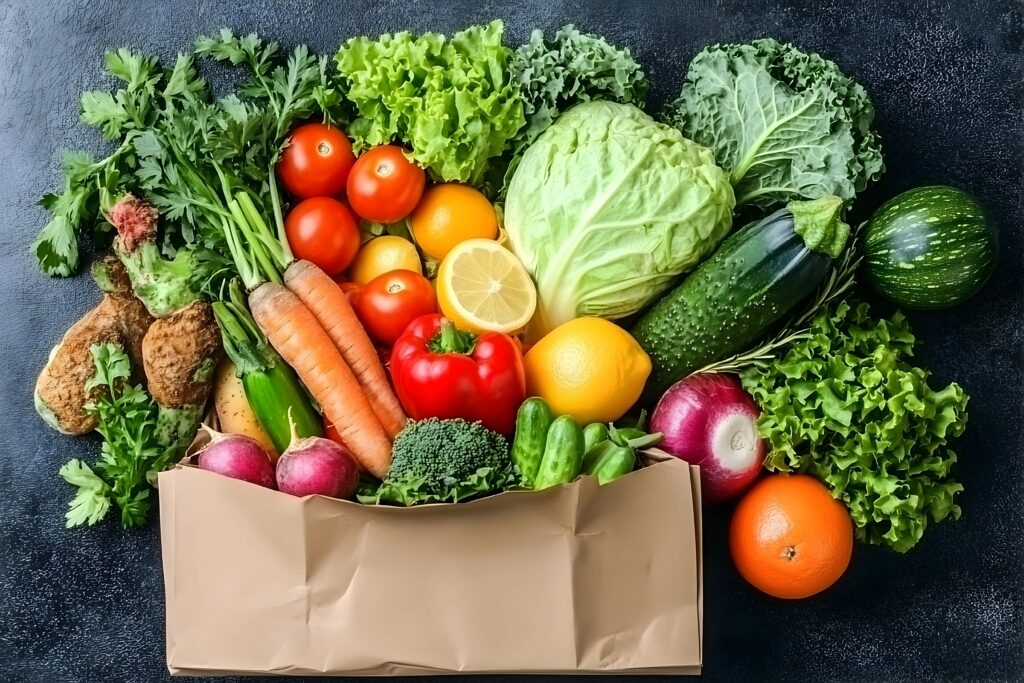
Good nutrition plays a vital role at every stage of the cancer journey, from easing treatment side effects to supporting recovery. Use these practical strategies suggested from an oncology nutritionist to help guide your approach.
Nutrition during and after treatment
While practicing healthy eating habits and staying active is important for every stage of life, they become increasingly important during cancer treatment. Maintaining your strength, decreasing the side effects of chemotherapy, and feeling good are all benefits of good nutrition and exercise. If you count a dietitian or nutritionist as part of your care team, it’s important to consult them prior to creating a schedule or grocery list—every body is unique!
Eating Well: A dietician and survivor shares her best nutrition tips
Focusing on nutrition gives cancer patients a greater sense of well-being and control. People who have been diagnosed with cancer, are in remission or are living with cancer have a lot on their minds – a nutrition may not be high on their list. Yet, nutrition can be a critical part of one’s cancer journey.
Jean LaMantia, a Toronto-based registered dietitian, and cancer survivor, recommends approaching nutrition in two phases:
- Phase 1: Nutrition that helps you get through your treatment
- Phase 2: Nutrition Post-treatment as a positive step to potentially prevent reoccurrence
Phase 1
“During my lymphoma treatment, I had severe nausea and vomiting, so I had to get strategic about what I could eat and what I could keep down.”
Jean LaMantia, Registered Dietitian and Cancer Survivor
Top Tips During Treatment
While you’re going through treatment, don’t worry about eating the PERFECT diet. LaMantia recommends taking this pressure off and simply eating in a way that helps you manage your side effects.
Eat cold and room temperature foods. They have less aroma and are less likely to trigger nausea
Plate food beautifully on a small plate to combat low appetite
Prioritize highly-nourishing foods, especially protein sources
Add extra calories to your meal with a drizzle of extra virgin olive oil
Phase 2
“After treatment, people who are in remission can experience a lot of anxiety, worrying about reoccurrence. Proactively doing your best to eat healthy foods that could lower your risk of recurrence can put your mind at ease. I find that it can be very empowering and can help you take back control.”
Jean LaMantia, Registered Dietitian and Cancer Survivor
Top Food Picks Post Treatment
Post-treatment, nutrition can play an important role in your recovery and healing.
According to LaMantia, the key is to focus on foods that are supportive of the immune system, anti-inflammatory, and proven to target cancer cells.
Mushrooms
Foods high in vitamin E (particularly wheat germ and almonds)
Garlic and onions
Spices including ginger and turmeric
Omega 3 fatty acids (found in fish like salmon, mackerel, rainbow trout, sardines, herring, and anchovies)
Cruciferous vegetables (broccoli, cabbage, brussels sprouts, cauliflower, and kale)
Berries
Whole grains (quinoa, wild rice, and whole grain pasta)
Protein foods (skinless poultry, yogurt, dried peas, beans, or lentils)
You have questions?
We have answers, practical advice, and support in our Post-Treatment Nutrition Workshop.
Let’s navigate this together
Join a community that understands. Receive expert advice, useful resources, and compassionate tips throughout your cancer journey in the LGFB newsletter.
Newsletter Form
When I first started experiencing unusual symptoms – constipation, bloating, heartburn, abdominal pain – in the summer of 2024, my first instinct was to put pen to paper. I drew a diagram of my body and wrote down all the things I’d been feeling. That’s the art therapist in me. When I showed the illustration to my doctor, she immediately recognized the signs of ovarian cancer. A CT scan revealed a large tumour over my right ovary, confirming her suspicions. I was completely shocked and devastated.
My career as a clinical counsellor and art therapist with preteens and teenagers abruptly stopped when I was diagnosed. It was such positive and enjoyable work. And not only did I have to leave my private practice, I had to stop doing things that gave me pleasure and joy in life.
I love being active: Zumba, belly dancing, strength training, circuit training. I also enjoy cooking wonderful food and travelling. But quite suddenly, my life was now filled with endless medical appointments. Testing, scans, blood work, chemotherapy, surgeries. It was surreal.
With my psychology background, I knew I had to look after the other parts of myself. The physical was being cared for. What about my emotional self, my sense of self, and my need for connection?
It had seemed that all the joyful activities in my life had come to a halt, but I was able to resurrect some activities that I hadn’t done in a while – things that I could go back to. Those included reading and art. I love art, especially drawing and painting with watercolours, and it has always been my resource during the tough times in life. It’s a wonderful outlet for sorrow and other emotions that need to be released.
I had no words for what was happening to me, and so I started to draw. I drew myself sitting in the middle of a tsunami wave – the tsunami of grief after diagnosis. I painted myself at nighttime in a jungle, with moonlight pouring down – standing in the garden of hope. I created more and more art, navigating the back and forth between despair and hopefulness.
I also talked with my caring partner, Bill. I cried a lot. I got a counsellor. I connected with friends. And I found community. When I first heard about Look Good Feel Better (LGFB), from a woman in the cosmetics department at Shoppers Drug Mart, a little spark went off. I signed up right away. At the workshop, I was amazed by how supportive it felt to be in a space with other women who I could relate to. I wasn’t alone – we were all going through it. The workshop was so informative, helpful, positive, and uplifting – something I dearly needed. And with my body having surrendered to all the necessary medical procedures, learning how to use makeup to my advantage was a way to take back my sense of dignity and to connect with my femininity.
LGFB brought me a respite from my sorrow and loss. It was a bright light, bringing a sense of community and breaking the isolation I was feeling – just like my art. Body, mind, and spirit are all integrated parts of us, and throughout my cancer journey, what really needed tending was my emotional side. It was stormy and intense – it needed to be expressed. We don’t have to be positive and brave all the time.
I can’t control everything, but I can control how I care for myself. Eating well, staying connected, and doing things I enjoy – reading, creativity – have made all the difference.
Post Treatment Nutrition Workshop
What you eat plays a vital role in how you feel after cancer treatment. But with so much nutrition advice out there, it’s easy to feel overwhelmed. What foods support healing? How do you improve energy levels? Can nutrition help prevent deficiencies and support immune function? Join us to answer many common questions about nutrition and cancer.
About this Workshop
Join us for an empowering discussion on:
Gut Health & Digestion – How the gut microbiome affects overall well-being
Key Nutrients – Supporting energy, mental clarity, and immune function
Food Absorption – Making sure your body gets what it needs
The 80/20 Rule – A mindful way to eat well while enjoying your favourite treats
Practical Strategies – Overcoming common post-treatment nutrition challenges
This workshop is available ONLINE
Post-Treatment Cancer support
Whether you are experiencing late effects from treatment, you are concerned about preventing recurrence or you’re managing the transition from intensive support and monitoring back to care by your family doctor or general practitioner, we are here for you.
Who should attend this workshop?
- Individuals who are post-treatment and interested in nutrition during and after cancer treatment.
- Anyone interested in nutrition relating to cancer wherever people are in their cancer continuum.
What our participants have to say
“I was struggling with what to eat to prevent recurrence—the 80/20 rule was so helpful in helping me be kinder to myself! A total mindset shift.”
- Emily R., Workshop Participant
Let’s navigate this together
Join a community that understands. Receive expert advice, useful resources, and compassionate tips throughout your cancer journey in the LGFB newsletter.