
Breast Forms: Fittings and Retailers
Find a Retailer in your Community
There are many retailers across Canada which carry breast care products. Medical specialist shops are one option and they often carry a large variety of products. Larger departments stores and lingerie stores can carry some mastectomy bras and breast forms too.
Consider asking for recommendations from your cancer care centre, friends or family members, or search online. You can also reference Anita Canada’s list of certified retailers to find one near you. Remember to call ahead to book an appointment and ask questions.
Preparing for a Breast Form Fitting:
Most fittings are more than an hour – call and book an appointment
Schedule 6+ weeks after surgery
Ensure you don’t have any swelling to find a proper fit
Wait until there’s no drainage at site
You should be completely healed: no wounds or bandages
Bring a fitted t-shirt to test how your bra looks underneath it
Nervous about going into a retail breast form shop?
Call ahead and ask some of these questions:
Do they carry a full range of products?
Can you try all of the products on?
Will they explain the differences in products to you?
Do they offer a private fitting room with a full-length mirror?
How busy will they be at the time of your appointment?
Is the retailer knowledgeable of various surgery types and treatments?
Let’s navigate this together
Join a community that understands. Receive expert advice, useful resources, and compassionate tips throughout your cancer journey in the LGFB newsletter.
Newsletter Form
Caring for Scaring
Healing from cancer surgeries involves both physical and emotional challenges. Managing scar tissue is an important part of your recovery journey.
BEFORE SURGERY:
- If you are prone to keloids, ask your surgeon how this can be best managed with medication, topical treatments or strategic scar placement.
- It is okay to be concerned about scarring and to advocate for yourself!
AFTER SURGERY:
- Follow care instructions from your surgeon to keeping the surgical site clean.
- Once approved by your surgeon (approximately one month after surgery), you can start massaging the scar using either a beauty oil or scar reducing oil.
- Silicone scar sheets can help improve healing.
- Don’t wear clothing that compresses the scar for at least 4-6 weeks after surgery. If that makes wearing a regular bra difficult, try a tube top, tank top, or leisure bra to provide support if needed.
- Wait at least one year after all treatments are done before getting any nipple or decorative tattoos.
Physical Discomfort
It can be discouraging to still feel pain, swelling, tightness, sensitivity or a restricted range of motion after completing cancer treatment. For some people, discomfort may last far past their expected recovery time from surgery or radiation.
Prolonged Discomfort
Prolonged discomfort may be a build-up of scar tissue inside the body, typically around the breast, chest or shoulder area.
Scaring can cause the surrounding tissue to become denser and less elastic and result in restricted movement and/or pain. Some patients describe it as feeling “sticky” or “like Velcro” when they try moving the affected area.
Easing Discomfort
You may want to consider adding a physiotherapist or massage therapist who specializes in caring for breast cancer patients to your care team.
Talk to your primary care team about your concerns and mention this possibility. If you find your medical team resistance to these suggestions, don’t be afraid to advocate for yourself.
Physiotherapy or massage therapy is done on the chest, breast and/or shoulders to loosen and soften tissue.
Your provider may suggest techniques such as:
Myofascial release
Deep friction massage
Cupping therapy
Remember to…
Talk to your surgeon or oncologist to ensure that enough recovery time has passed before booking an appointment with a physio or massage therapist.
What healthcare professionals provide care for scar tissue?
Typically, it will be a physiotherapist or massage therapist who will have specialized expertise and experience working with breast cancer patients.
Refer to the Society for Oncology Massage and Canadian Physiotherapy Association to learn more and access a directory.
Your provincial Lymphedema Association can also be a great resource for therapists familiar with breast-cancer related side effects.
Some healthcare professionals use the term Cancer Rehabilitation to refer to their services that help manage the common side effects of cancer and cancer treatment. This can be a great search term when looking for professionals in your area.
Questions to ask Professionals:
Are you a licensed Healthcare provider registered with the provincial college?
Are you experienced in treating breast cancer patients?
Do you provide techniques I can do at home?
Are these services covered by provincial healthcare?
Are they covered by private medical insurance?
You’re not in this alone.
Find a supportive community and get expert advice in our workshops.
Let’s navigate this together
Join a community that understands. Receive expert advice, useful resources, and compassionate tips throughout your cancer journey in the LGFB newsletter.
Newsletter Form
Under $130
The average cost of a post-mastectomy bra is under $130.00.
$200 to $500
Prostheses costs can range between $200.00 – $500.00.
Health Care Plan
Depending on where you live, your provincial healthcare plan may reimburse some costs of breast prostheses.
Private Health Insurance
Depending on the plan, they often will cover prostheses as well as post-operative bras once per year.
Let’s navigate this together
Join a community that understands. Receive expert advice, useful resources, and compassionate tips throughout your cancer journey in the LGFB newsletter.
Newsletter Form
Before Radiation
Start A Routine:
If you haven’t started radiation yet, now is an excellent time to start a skincare routine. It will help protect your moisture barrier and give you a good starting point.
Follow these simple steps:
Cleanse
Moisturize
Protect
Make sure you choose products that are labeled with words like:
Gentle
Fragrance-free
ph-balancing
For eczema
During Radiation Treatment
Here are some easy-to-follow tips to help your skin during treatment:
- Keep showers or baths short and use lukewarm water; avoid extreme temperatures.
- Use gentle, fragrance free and ph-balancing products daily to cleanse and moisturize.
- Protect your skin from sun because treatment areas will be extra-sensitive.
- Cover the treated area with sun-protective clothing or items you cannot see through when you hold them up to the light. If you can’t cover the area, ask your care team about sunscreen options.

Be Gentle with the Treatment Area
- Don’t rub, massage or scratch the area.
- Avoid using facecloths. The friction can damage the skin.
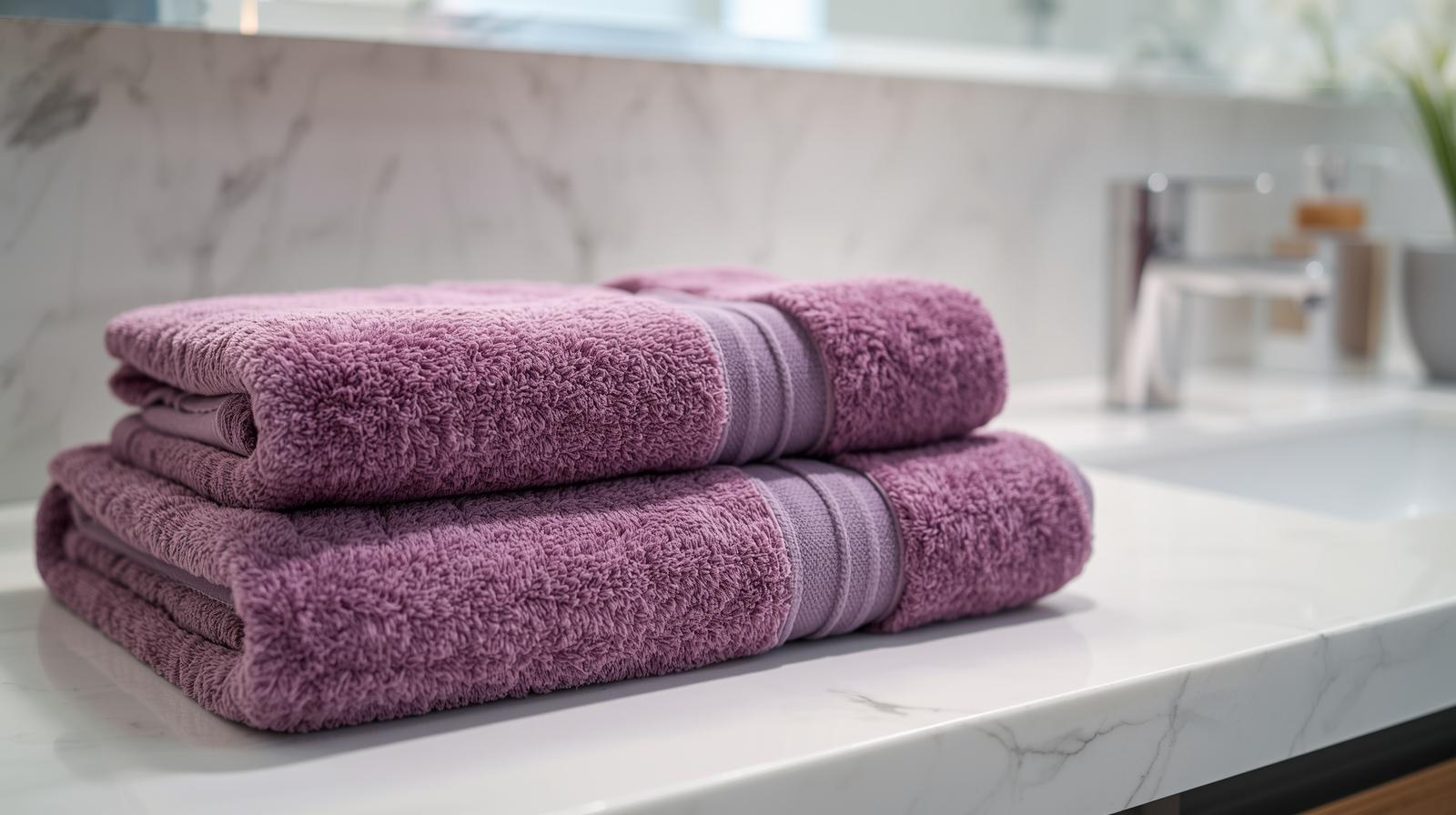
- Use a soft towel to pat skin just enough to remove water – don’t rub completely dry.
- Prevent rubbing and friction by wearing loose-fitting clothing, ideally cotton or other soft, breathable fabrics.
Things to Consider
- Save shaving or use hair removal creams for after treatment. Don’t try to remove hair from a treatment area.
- Consider products with thermal water, which have been shown to reduce radiation’s negative impacts on the skin.
- Keep areas under your breast dry to avoid fungal infections in the folds.
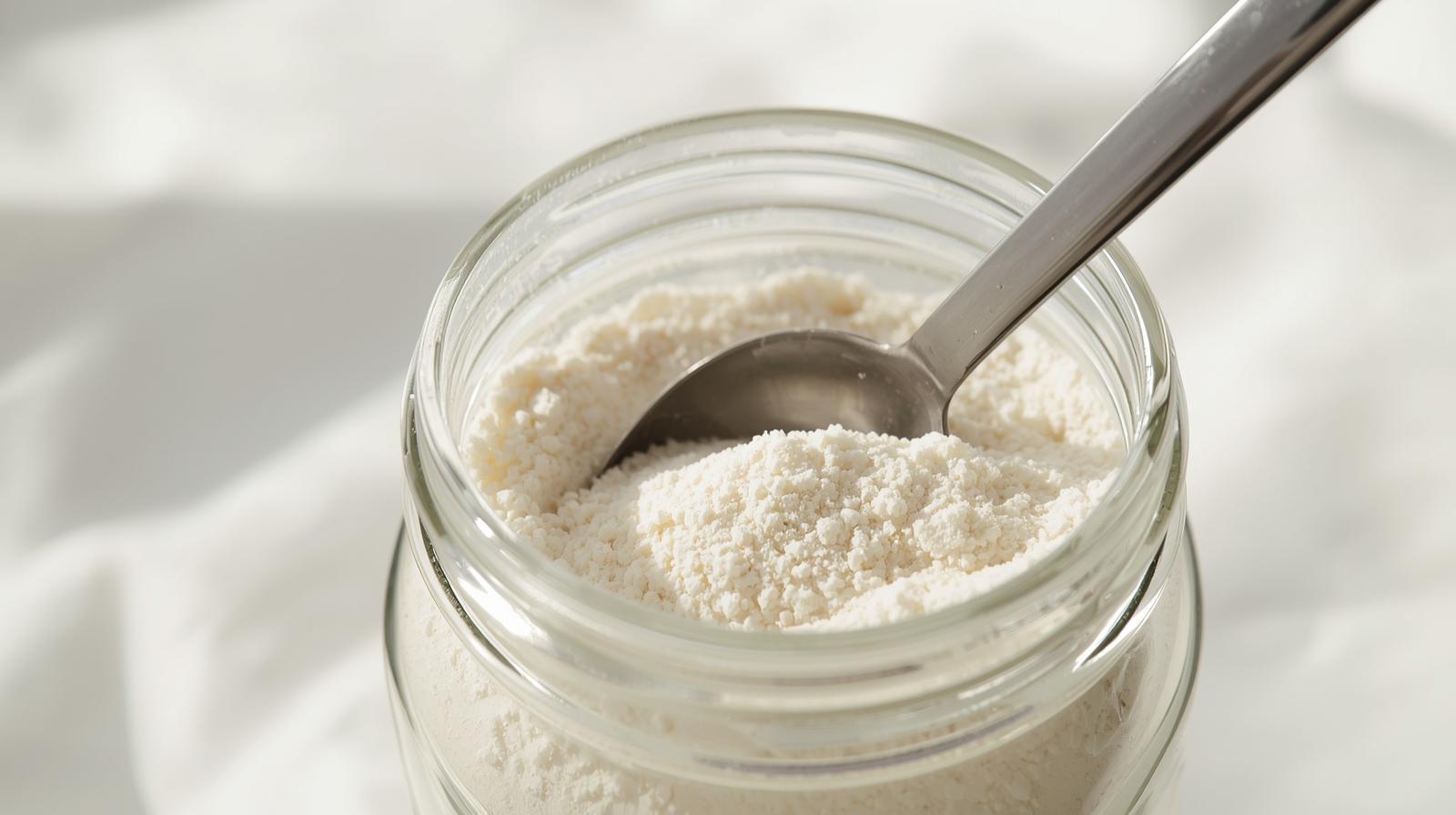
Cornstarch (not talcum powder) or an antifungal powder can help manage itchiness and redness.
Experiencing skin side effects?
Learn how to minimize and manage them in our Advanced Skincare Workshop.
Let’s navigate this together
Join a community that understands. Receive expert advice, useful resources, and compassionate tips throughout your cancer journey in the LGFB newsletter.
Newsletter Form
What to Wear During Radiation and/or After Breast Surgery
It’s possible you’re feeling a mix of different emotions during treatment or after a mastectomy or lumpectomy. As your body continues to change, your relationship with your body may as well.
Right After Breast Cancer Surgery & During Radiation Treatment
For the first four to six weeks, it is best to opt for: compression-free & wire-free bras and camisoles.
Compression and wire-free bras are often made from soft fabrics and known as ‘leisure bras.’ When shopping for a leisure bra online or in-person, look for something that closes in the front rather than the back.
After a mastectomy your body is still in recovery, and it can be difficult to pull anything over your head or reach behind to clasp the bra. If it is possible to try the garment on, ensure that the bra fits comfortably on the loosest hook. This is so it can be worn looser to begin with and gradually tightened as the swelling goes down.
When to Introduce Breast Forms
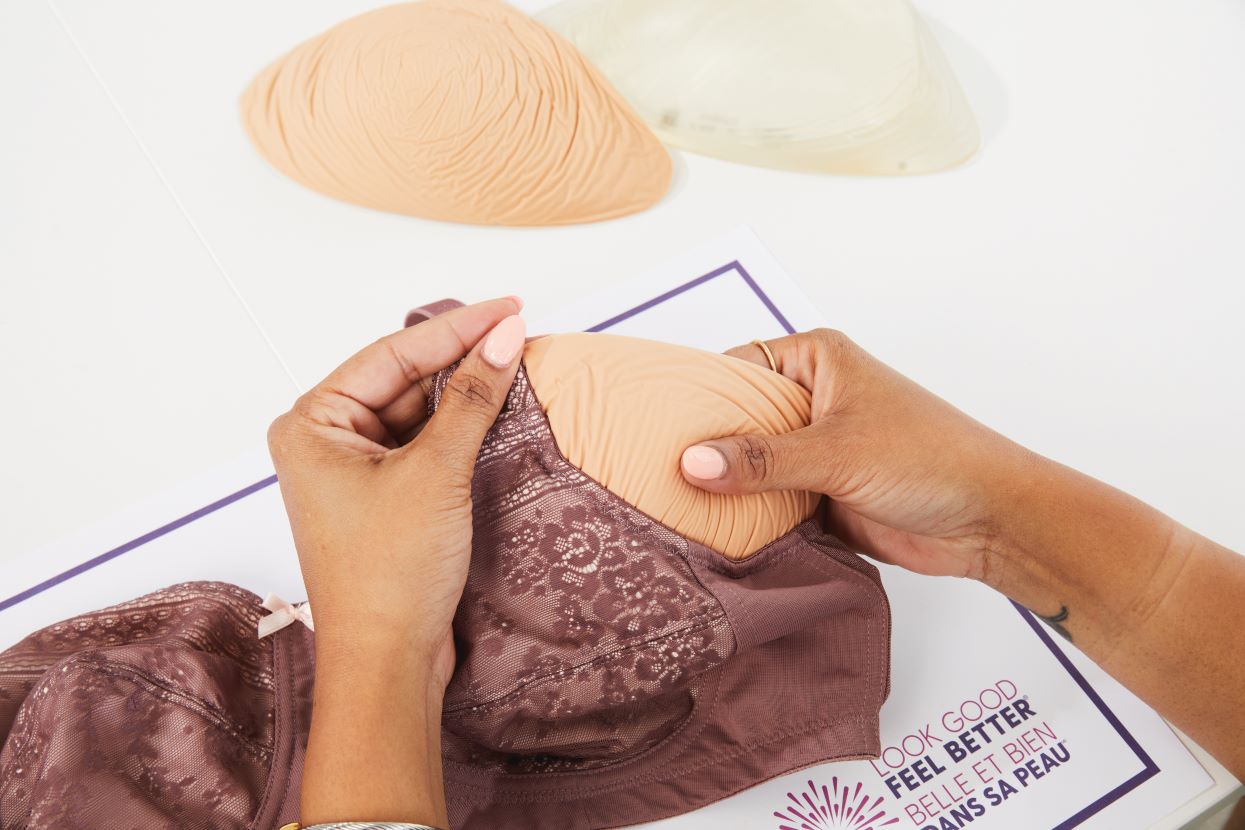
A light, fiberfill breast form (also called an initial breast form) can be worn in a bra or camisole if you so choose.
Some initial breast forms allow you to adjust the amount of fill inside to match the size of your other breast if you had a single mastectomy.
"I am having a Lumpectomy."
Follow the information above, however it is good to keep in mind that your medical team may advise you to wear a bra for 24-hours a day for the first week or two after surgery. Like with a mastectomy, look for a bra with:
Soft fabric
No compression
Underwire free
Easy to put on
"Radiation is part of my Care Plan."
Skin and tissue can be sensitive and tender during radiation, so when searching for bras or other garments, look for:
Soft fabric
Underwire free
No compression
Ideally fastens in the front
Other things to consider:
Fitted, but not tight, tank tops made from bamboo cotton offer support and are a great option for many women
While others prefer loose-fitting button up shirts and go without a bra or camisole.
What works best for you might come with some trial and error but having a few different options will be helpful.
You may need to wash the garments often because of regular use of creams and ointments on the treatment site.
"I've had Reconstruction."
Compression bras will be your friend after reconstruction! A compression bra helps to maintain shape and holds the breast(s) in place, preventing pressure points and tissue irritation from forming.
Look for a compression bra made from:
Strong fabric
No seams on the skin
A longer line for comfort
A front closure so you don’t have to stretch to reach a back closure or pull Anything over your head
Lymphedema
Post-Recovery “Everyday Bras”
Recovery time can vary greatly. People can be ready to move into an everyday bra anywhere from two months to one year after treatment is complete.
Mastectomy bras are available in many styles including lingerie, sport and everyday bras. These are specific for post-mastectomy or post- lumpectomy because they come with pockets to hold breast forms. Many have a higher neckline for support and to help cover scars.
If you sew, or know someone who can, you can have pockets sewn into any bra as well – but you may need to experiment a bit to get the right design to hold the breast form.
Remember that your size and shape may have changed post-treatment and post-surgery. A specialized bra retailer can help you find the right size – or check out our bra-fitting tips on our Breast Form Fitting and Bra Tips page.
Still have questions?
Get practical advice and connect with people who understand in our Bras & Prostheses Workshop.
Let’s navigate this together
Join a community that understands. Receive expert advice, useful resources, and compassionate tips throughout your cancer journey in the LGFB newsletter.
Newsletter Form
What Breast Form is Right for You?
Here’s what to consider based on your unique journey:
Had a mastectomy? Soft, wire-free bras or camisoles with front closures can be gentler on healing skin. Some come with built-in pockets for drainage tubes or breast forms.
Had a lumpectomy? Your medical team may recommend wearing a bra 24/7 for the first week or two. Look for soft, seamless, and wire-free options that offer gentle support without compression.
Going through radiation? Skin sensitivity is common, so breathable, seamless fabrics are key. Bamboo cotton tanks or front-closing wire-free bras help minimize irritation.
Had reconstruction? Compression bras provide support, reduce swelling, and help maintain breast shape during recovery. Look for strong, seamless fabrics with a longer band for added comfort.
Considering a breast form? Some women use breast forms while waiting for reconstruction, as a long-term option, or just for certain occasions.
Considering “Living Flat?” Many people choose not to wear forms or have reconstructive surgery. They feel comfortable with their body after surgery and decide to live as they are. Talk it through with your healthcare team, friends, family, or other participants in our workshop.
Want to talk with the pros?
Get personalized guidance and support in our Bras & Prostheses Workshop.
Let’s navigate this together
Join a community that understands. Receive expert advice, useful resources, and compassionate tips throughout your cancer journey in the LGFB newsletter.
Newsletter Form
Working as an oncology nurse has been my dream for so long. Losing my mom to breast cancer definitely influenced my decision to work in oncology and my desire to help people. It’s incredibly rewarding. But one thing’s for sure – I never expected to be on the other side of the diagnosis, facing cancer myself.
I especially didn’t expect it at just 30 years old – and 24 weeks pregnant with my first child. My mom passed away when I was only two years old, and to suddenly get the same diagnosis while I was on the verge of becoming a mom myself was beyond terrifying. I practically blacked out when I heard the news. I kept thinking, “What? I’m pregnant. This isn’t supposed to happen.” It was quite the curveball, to say the least.
While it was the most difficult news to receive, I’m so grateful they caught it early. I’m thankful that there were chemo medications I could take that were safe for my unborn son. I have the most phenomenal doctors and nurses – my colleagues in the cancer centre in Sudbury, Ontario, became my caregivers overnight. I have a wonderful support team through my husband, Ryan, and my step-mom, who I really think of as my mom, as she’s been a mother to me my whole life. She has been my rock. And this whole ordeal has given me a completely new perspective on facing cancer, despite the fact that I’ve cared for cancer patients for seven years now.
For example, although I supported cancer patients in their journeys everyday as a nurse, I underestimated the mental and emotional toll that cancer treatment would have on me. For one, losing my hair was so tough. I had always been like, “Oh, it’s just hair, it’ll grow back.” But it’s not just hair. It was part of me and my self-esteem and how I presented myself to the world.
I already knew about Look Good Feel Better (LGFB) through my work in the chemo room, and it became such a valuable resource for me. I signed up for a workshop right away, and boy, was it ever awesome. As a nurse, I had often heard about the impact of LGFB but experiencing it firsthand was completely different. Like losing my hair, I didn’t fully grasp how much it would mean to me until I was living it.
I took my mom to the workshop as my support person, and it was so good for the soul. I learned some great hair and makeup tips, but more than that, it gave me a powerful sense of hope. It helped me reclaim my self-esteem and made the scary experience I was going through feel a whole lot less scary. I loved connecting with other women who were going through what I was going through. Having cancer can feel so lonely – I had all the support in the world, but people didn’t really understand what I was going through, because, well, they didn’t have the diagnosis. Being able to share my experience with the women in the workshop was really special.
I’m so grateful that LGFB exists, and that my future patients will have the opportunity to attend the workshops. And now, I can speak to the experience personally. When I’m able to go back to work, I know I’ll be able to connect with and support my patients on a whole new level.
My son, Matthew, has arrived, and things feel so much better now. A lot of the anxiety and fear of the unknown that I experienced – about cancer, about being a first-time mom – have faded. This journey has given me a deeper understanding of resilience, both for myself and my patients.
I thought I had moved on. I thought that my cancer journey was behind me — far in the past. When a routine mammogram led to a new breast cancer diagnosis in 2023, it was a complete shock. My cancer had recurred after 13 years.
At first, I beat myself up over the diagnosis. I thought I had been doing everything right — eating well, working out, taking care of myself. “What did I do wrong?” I wondered. “How could this have happened?” I started to doubt my every move, every bite that I put in my mouth. My self-confidence declined. But I quickly realized that blaming myself wasn’t going to help. I had to act. I needed to take back control.
This time, I chose a double mastectomy with reconstruction. It felt like the safest option — I didn’t want to rely on mammograms anymore. And although I was reluctant to undergo chemo again after my painful first experience, I knew it was necessary. Thankfully, the treatment was a little easier this time. I received a new scalp cooling treatment that helped prevent hair loss, which made a huge difference for me emotionally. Though the chemo still brought its challenges — nausea, fatigue, and rashes — keeping some of my hair helped me feel like I hadn’t completely lost myself to the disease. Scalp cooling was a new innovation that hadn’t been available to me the first time around, so I was grateful for the opportunity to try it out.
Building a support system was also a priority for me. I’m from Mauritius, a tropical island off the coast of South Africa, and most of my family is still there, so I had to create my own network here. I discovered Look Good Feel Better (LGFB), and attending their workshop made a huge difference. My “look” is very important for me, and it was comforting to feel pampered and cared for, especially after all the blows and bad news I’d been receiving. The workshop helped me to regain confidence and connected me to a group of women who understood exactly what I was going through.
I also started a walking group for cancer patients and later joined a dragon boat group for breast cancer survivors. Looking at the strength of these paddlers made me feel strong, too. If they can do it, so can I. It was encouraging. After my first cancer experience, I was eager to move on and forget about it. But now, I realize there’s power in staying connected with the cancer community and with other survivors. I’m a two-time survivor. This is my life and my reality, and I accept it now.
This time, my son also played a bigger role in my recovery. He was just a toddler the first time I had cancer, but now, as a teenager, he became part of my support system. He loves photography, and whenever I did my makeup, he’d take photos of me and edit them. It made me feel good about myself and it became our bonding time, and those photos now hold a special place in my heart.
Today, I cherish every moment with my husband and son. We cook, go for walks, shop, watch movies — those little everyday moments mean everything to me now. I’m grateful for each day and, rather than cry about what happened to me or worry about the future, I choose to live in the present. Cancer may be part of my story, but it doesn’t define who I am.
It was on Christmas morning — while in the shower, thinking of my children and the celebrations and everything that needed to be done — that I first felt the lump. I wanted to believe it was nothing, just like the doctors had told me before, when I’d had clogged milk ducts while breastfeeding — but deep down, I knew something was different this time.
When I left Bangladesh and came to Canada five years ago with just my husband and two small children, I never dreamed that I’d soon be facing stage 3 breast cancer in a new land, thousands of kilometres away from my family. I felt so very alone. And I had a hard time accepting my diagnosis. I’ve always lived a healthy, disciplined lifestyle. In my family, everyone looked to me as the example of good health — I was the one who knew what foods to eat and how to live the right way. I did everything right, and yet still, I was the one who got cancer. It didn’t seem fair.
I struggled to accept what was happening to me, but one thing was clear: I had no choice but to face whatever was coming. I have kids, I have a family — I wanted to live.
My treatment involved eight rounds of chemotherapy, a lumpectomy, and 19 rounds of radiation. I hid my pain, sickness, and sadness from my husband and son and daughter as much as possible. I didn’t want my husband to lose strength — he had so much on his shoulders, taking care of me and the kids. I had no one to turn to, no one to talk to. I was desperately stressed out and frustrated. And I felt so helpless — I’m a very independent person who suddenly wasn’t able to do much on my own.
Fortunately, I realized that this wasn’t a permanent situation. I knew I would be alright after my treatment, and so I accepted the pain and the reality of what I was facing. I endured the vomiting, nausea, and painful burns from radiation. And little by little, things started to look up. I found support. I found strength. And through the big dark cloud that is cancer, I found small rays of hope.
Every cloud has a silver lining, or as we say in Bangladesh, “shesh bhalo jar, shob bhalo tar” – “all’s well that ends well,” basically. Despite the hardships, cancer brought me unexpected gifts. When my hair grew back after my treatment, for the first time ever it was curly — something I had always wanted. Post-chemo, my skin is so much better. And I got to model again, thanks to Look Good Feel Better (LGFB). In my home country, I had a modelling career, but that all stopped when I came to Canada. Participating in the LGFB photo shoot brought back so many good memories. The feeling of being in the spotlight again was incredible.
Cancer has also made me a better person. I’m much stronger mentally now and I have a deeper sense of gratitude for life. I’m prepared to be a good advisor for anyone else going through a cancer journey. And I really want to contribute, to give back. I want to share my story and my positivity, and to support other cancer patients — especially back in my home country, where cancer treatment resources are limited. In Canada, I got the best cancer treatment possible. But Bangladesh is a developing country, and those who have cancer there are suffering immensely. One day, I hope to return to share what I’ve learned and support those who need it most.
It was in the middle of a day doing something I love — golfing — that I finally had to admit to myself that something was wrong. I couldn’t even swing the club — the pain in my back had become unbearable. I went to get it checked out, and soon what I had already known deep down was confirmed: my breast cancer had returned, spreading to my bones.
Now, at 54, I’m facing a stage 4 diagnosis. I’ll be on treatment for the rest of my life. But here’s the thing — I’m not one to dwell on doom and gloom. As a Christian, I believe I’ll eventually go to heaven and have an eternal life. In the meantime, I’m determined to live life with grace, strength, and, most importantly, gratitude.
My cancer journey began in September 2020, during the height of the pandemic. I had noticed a lump in my breast and, after some tests, received the diagnosis that no one wants to hear: stage 2 breast cancer. I soon found out that I actually had cancer on both sides, which my doctor said wasn’t common. I always said, “It is what it is.” I worked for an insurance company, so I knew my odds for this type of thing. And two of my maternal relatives had breast cancer, so it wasn’t really a shock.
The treatments were tough— surgery, double-dose chemotherapy, and radiation. I was off work for a year and a half and was grateful to my workplace for their support, including offering everything I needed to make my time off as comfortable as possible. I was also so grateful to live in a place like Toronto, where so many supports are available.
I joined several Look Good Feel Better (LGFB) workshops, which were online during COVID, and they were so helpful. They helped me feel more like myself again, especially after losing my hair. I learned how to wear wigs and scarves, and how to take care of my skin.
After months of treatment, I was relieved when my treatment ended in May 2021. Life started to feel a little more normal again, but my cancer had been aggressive and deep down I knew there was always a possibility it could return.
When it did, I decided to go back to the Philippines, where I’m originally from, to visit my parents before I started treatment. Their health wasn’t good and they weren’t able to travel. It was so good to see them and to connect. While I was in Asia, I also went to Japan and ate a lot of sushi. And when I came back, I was ready to dive into a new round of treatments.
During my recurrence, I also signed up with LGFB for a second time, but this time for the skincare & cosmetics workshop. I really enjoyed getting to attend the workshop at Sunnybrook Hospital — it felt so much more personal. And I was impressed that they gave me custom skincare and makeup recommendations based on my East Asian skin type. Everybody’s skin is so different, so this really stood out.
Looking good became much more important to me this second time around as well. When I first had cancer, it was during COVID, and no one could go out. But now the world is open again, and I want to be out and about. And for me, if I don’t look well, I don’t want to go out. When I look well, I feel well, and then I’m more likely to go out and socialize, which in turn helps me feel emotionally better. It’s like a cycle — a positive, uplifting cycle.
I choose to focus on the positive. As I move forward in life, my faith reminds me that life here is temporary. Whatever the future holds, I know I’m not alone.