
Here are some ways to take care of yourself while caring for others:
Ask for and Accept Help
Share responsibilities. Make a list of what needs to be done and delegate specific tasks. Friends and family often appreciate having concrete ways to help.
Set boundaries. Be clear about what you need from others, and don’t be afraid to say no to requests that don’t feel manageable.
Care for Your Body
Stay active. Engaging in physical activities you enjoy—whether it’s a short walk, a bike ride, or a tennis match—can help reduce stress and boost your energy.
Eat well. Aim for balanced meals and plenty of water whenever possible.
Prioritize sleep. Create a calming bedtime routine and try for 7–9 hours of rest each night.
Don’t neglect your health. Keep your own medical appointments, take medications as prescribed, and address health concerns promptly.
Support Your Mind
Practice relaxation. Try mindfulness, meditation, yoga, tai chi, or other calming activities to help restore balance.
Make time for joy. Schedule activities that have nothing to do with caregiving, like reading, watching a movie, gardening, or spending time with supportive friends.
Talk it out. Share your feelings with a trusted friend, a support group, or a mental health professional. Naming emotions often makes them easier to manage.
Be Gentle with Yourself
Release expectations. You don’t need to be optimistic, organized, or calm all the time. It’s natural to feel overwhelmed, sad, frustrated, or guilty.
Practice self-compassion. Acknowledge that caregiving is hard and remind yourself that you’re doing your best.
When to Seek Extra Help
It’s normal to feel stressed by caregiving responsibilities, and many caregivers benefit from professional support. Please reach out to a healthcare provider or mental health professional if you notice:
Persistent feelings of depression or hopelessness
Thoughts of harming yourself or mistreating those you care for
Increasing reliance on alcohol or drugs
Stopping care for your own basic needs
Let’s navigate this together
Join a community that understands. Receive expert advice, useful resources, and compassionate tips throughout your cancer journey in the LGFB newsletter.
Newsletter Form
Why is Psychosocial Care Important?
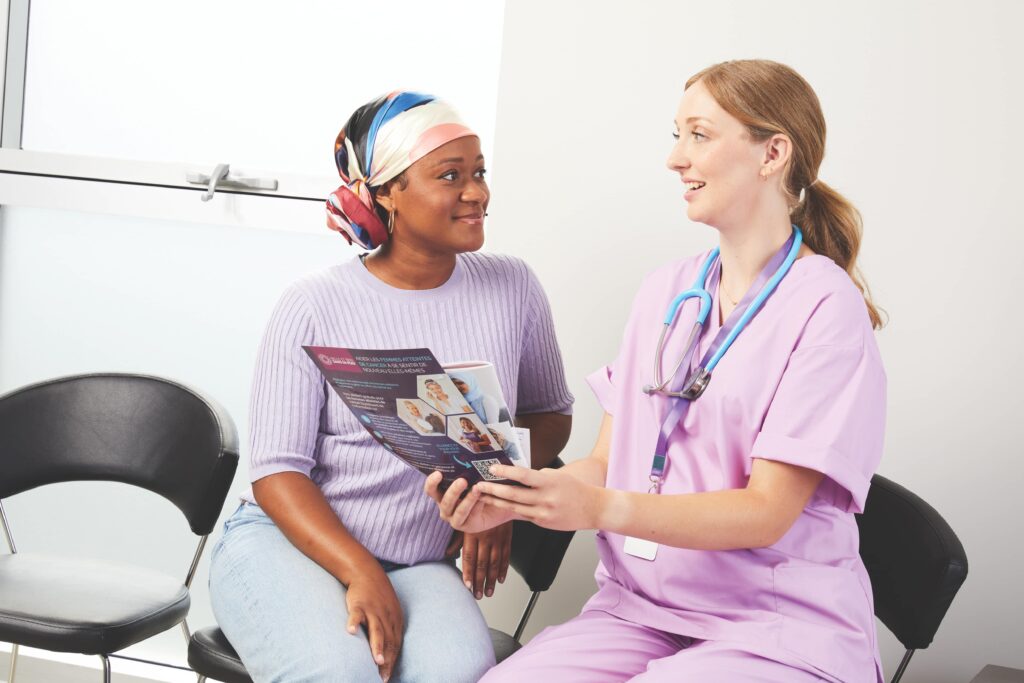
Simple supports can make a big difference for mental and emotional health during all stages of cancer treatment.
Our workshops and other “low-intensity” supports
Research shows that low-intensity support programs—like the psychosocial workshops offered by Look Good Feel Better —can help with depression and anxiety in everyday life. A study published by the National Institutes of Health (NIH) on September 11, 2023, found that these kinds of low-intensity approaches can make a real difference for people with long-term health conditions, especially when part of a team-based care plan.
This is why so many cancer care teams recommend Look Good Feel Better to their patients.
Addressing Anxiety and Emotional Stress Before it Escalates
People who are dealing with cancer experiencing mild or moderate distress can greatly benefit from low intensity programs like:
workshops
support groups
online therapies
Even these simple tools can significantly reduce depression and anxiety
Studies show that psychological distress that patients experience when going through medical treatment (even when it is mild) can escalate into more severe anxiety and depression if not addressed early. (Carlson et al., 2010)
Our workshops provide both practical guidance and emotional support, empowering people facing cancer with the tools they need to care for themselves with confidence and dignity. This proactive support helps people manage emotional responses before they worsen.
Empowering Self-Management and Control
Through hands-on guidance and connection with others, many of our workshop attendees regain a sense of control during an overwhelming time. This meaningful form of supportive care helps foster resilience and promotes positive mental wellbeing.
When people participate in supportive interventions, it increases their sense of agency and perception of control – and both of these protect against emotional deterioration during long-term illness and medical care. Feeling more in control during cancer treatment is strongly linked to improved psychological outcomes.
Research has shown that patients who felt more in control during cancer treatment experienced less distress – independent of physical health – suggesting that feeling in control can help predict how well someone will cope with illness. (Barez et al., 2008)
Accessible and Less Stigmatizing
Low intensity supports, like Look Good Feel Better workshops, feel more accessible and acceptable to people who may hesitate to seek more formal mental health. (Anderson et al., 2014). This encourages great participation among people who may otherwise avoid asking for or seeking help. These low-intensity options for people with mild distress also helps reduce the demand for specialised mental health services, reducing the overall burden on healthcare. (Bower & Gilbody, 2005).
We’re here for you.
Find support, expertise, and practical tips in our workshops.
Let’s navigate this together
Join a community that understands. Receive expert advice, useful resources, and compassionate tips throughout your cancer journey in the LGFB newsletter.