
Skincare, Makeup, & Hair Workshop
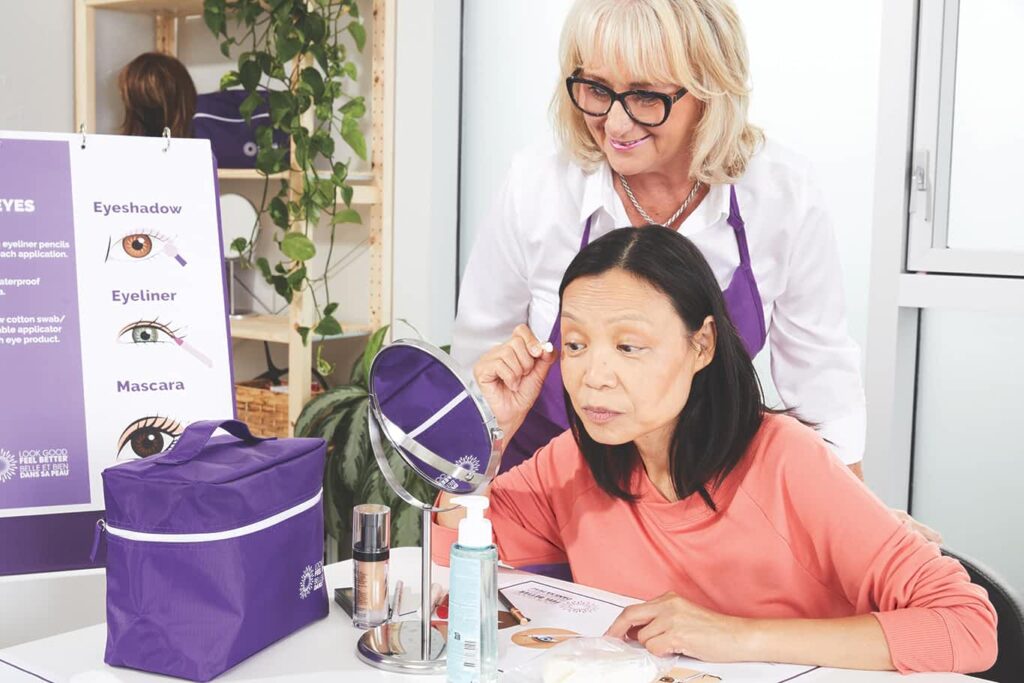
Discover practical ways to manage the physical side effects of cancer treatment on your skin, hair, and face, including skincare, makeup, hair loss, wigs and other head coverings. Connect with a community who gets it.
About this workshop
What you will learn:
Counteract side effects such as discolouration and dry skin
Practice simple makeup steps to add colour back to your face
Makeup hygiene and sun safety
Find tips and techniques for managing the loss of brows and lashes
Caring for your scalp during and after treatment
What to consider if selecting a wig
All types of head coverings including wigs
Pros and cons between synthetic and human hair wigs
The information and dialogues are designed to help you:
Manage the physical side effects of cancer treatment with clear, practical guidance
Connect with others who may understand what you are going through
Understand what to expect during treatment
Prepare for treatment to help minimize potential side effects
Feel more like yourself again
This workshop is available IN-PERSON.
IN-PERSON
- The IN-PERSON workshop is 2 hours long.
- Called Skincare, Makeup & Hair, it combines both our Skincare & Makeup and our Wigs & Hair Alternatives workshops.
- In-person workshops are only available in select locations around Canada.
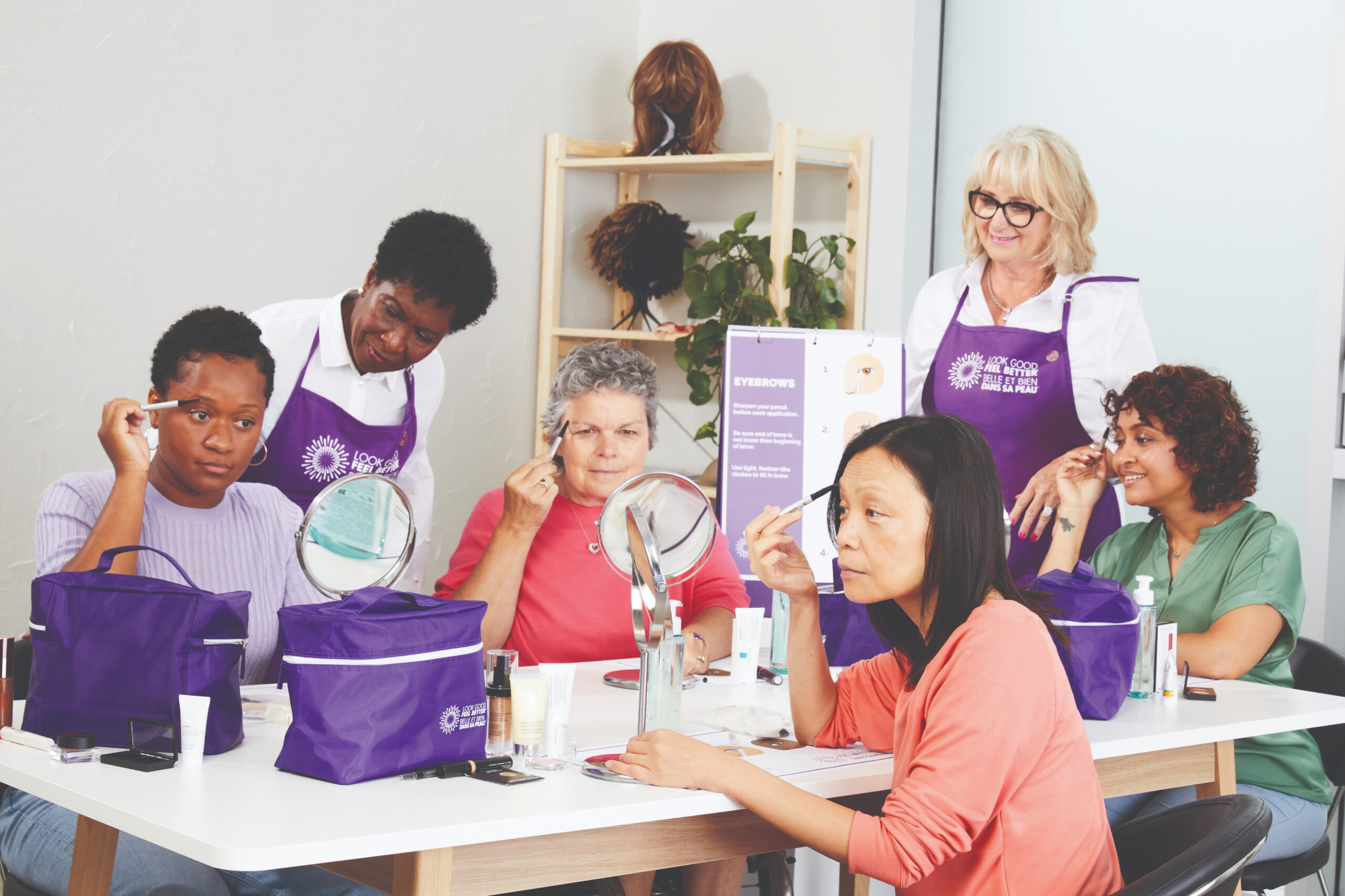
Who should attend this workshop?
This workshop is available to anyone who is about to start cancer treatment, is currently in treatment, or has completed treatment in the last 12 months and would like information about or support around this topic.
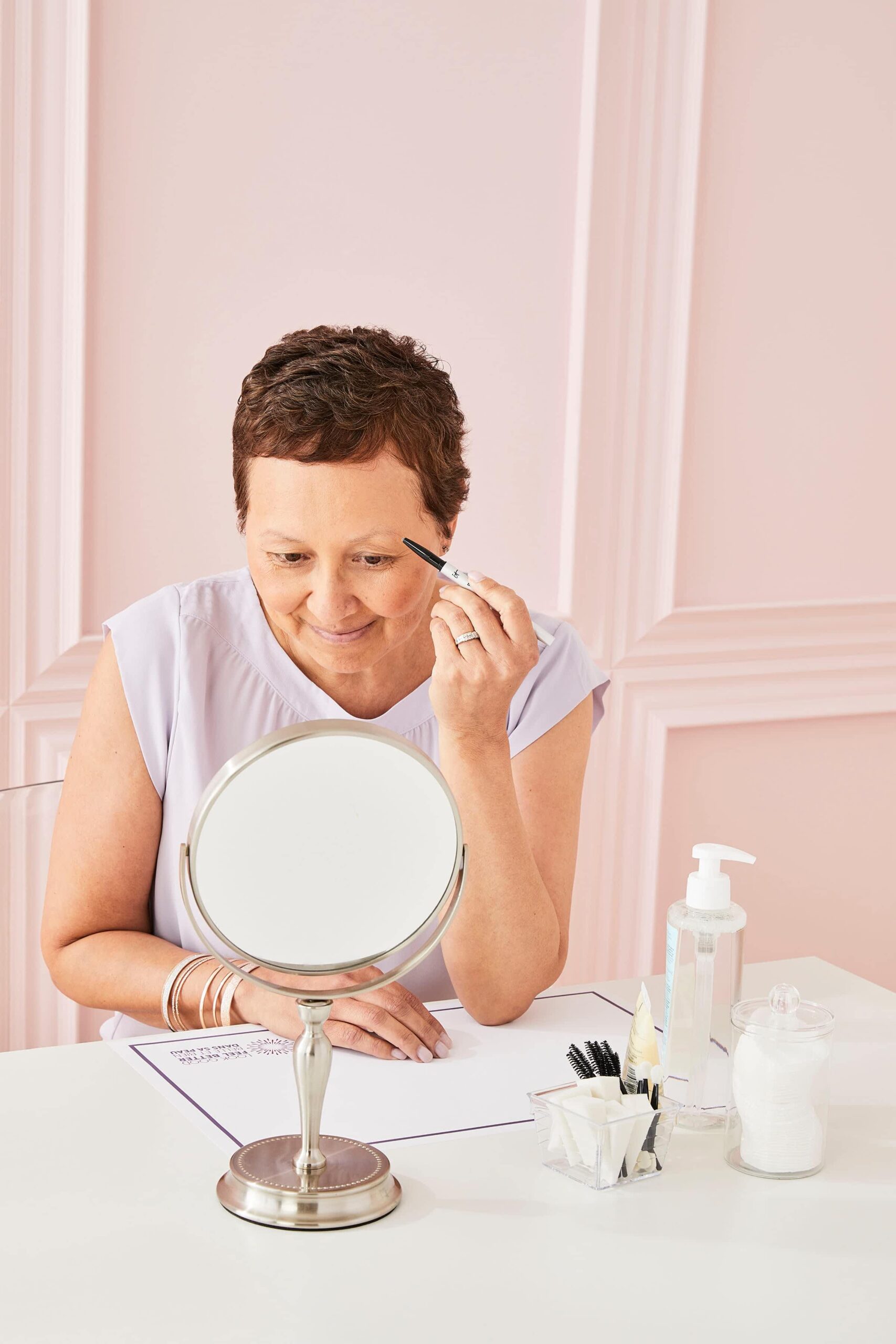
The Confidence Kit
Participants in the Skincare & Cosmetics workshop receive a free kit of skincare and makeup products.
These products are generously donated to Look Good Feel Better and meet the regulations set forth by Health Canada.
These products are for educational purposes, so you may practice the techniques explained in the workshop.
- You will receive the kit in the workshop.
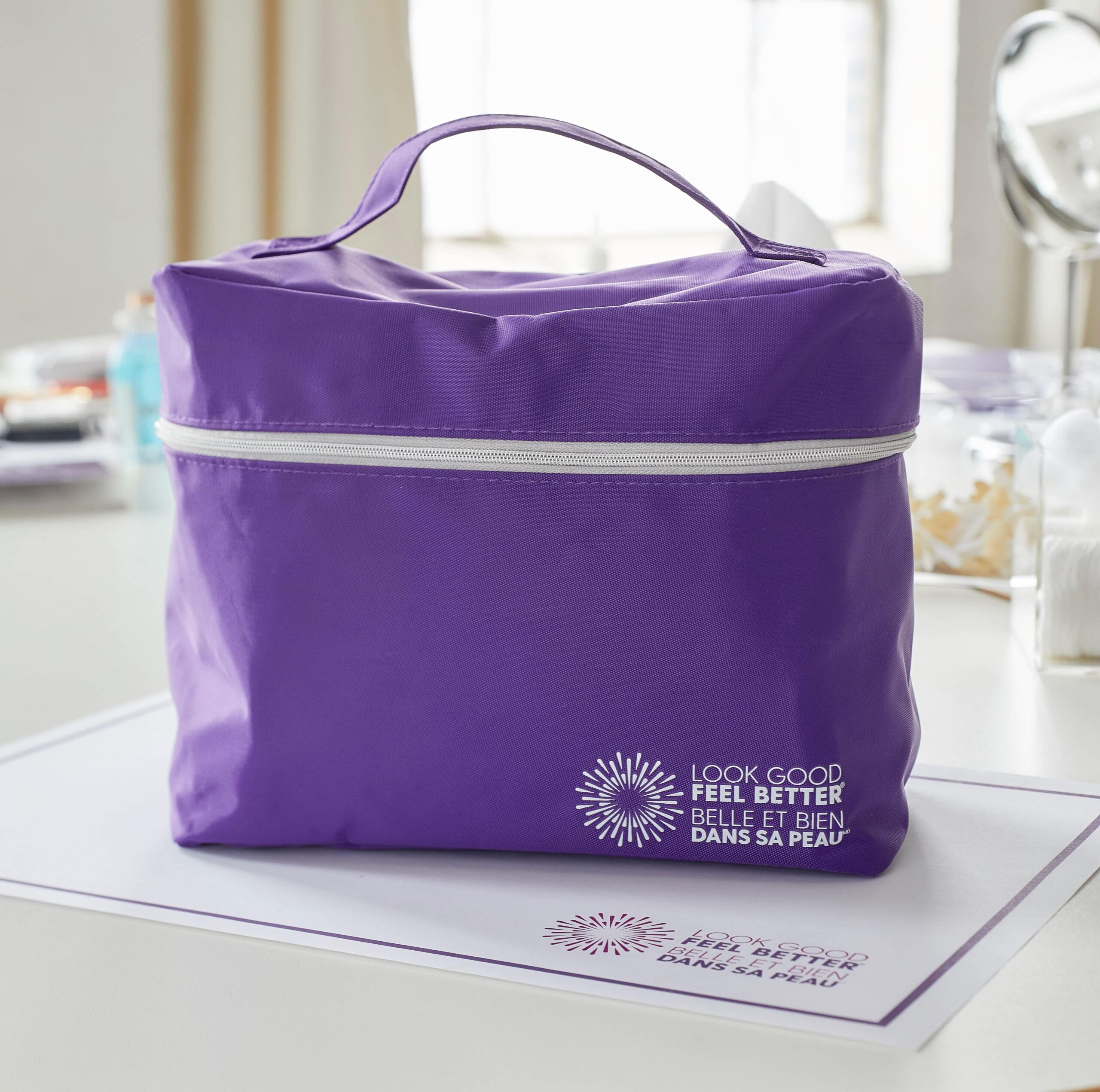
What Our Participants Have to Say
“This workshop was so useful because it wasn’t just information. It ‘normalized’ the techniques to cope with cancer & treatment related challenges to appearance. Yes, wear makeup and take care of your skin not just in spite of cancer and treatments but here is how to do it well and safely!”
- Joan L., Workshop Participant
“The volunteers were excellent and so caring. It’s the first time I’ve laughed in awhile.”
- Joan M., Workshop Participant
Participating in our workshops
97%
of Workshop Participants
would recommend our workshops to another person facing cancer.
32%
of Our Participants
feel somewhat confident BEFORE our workshops.
89.1%
of Our Participants
reported feeling somewhat confident or confident about their appearance AFTER our workshops.
Let’s navigate this together
Join a community that understands. Receive expert advice, useful resources, and compassionate tips throughout your cancer journey in the LGFB newsletter
Newsletter Form
Wigs & Scarves Workshop
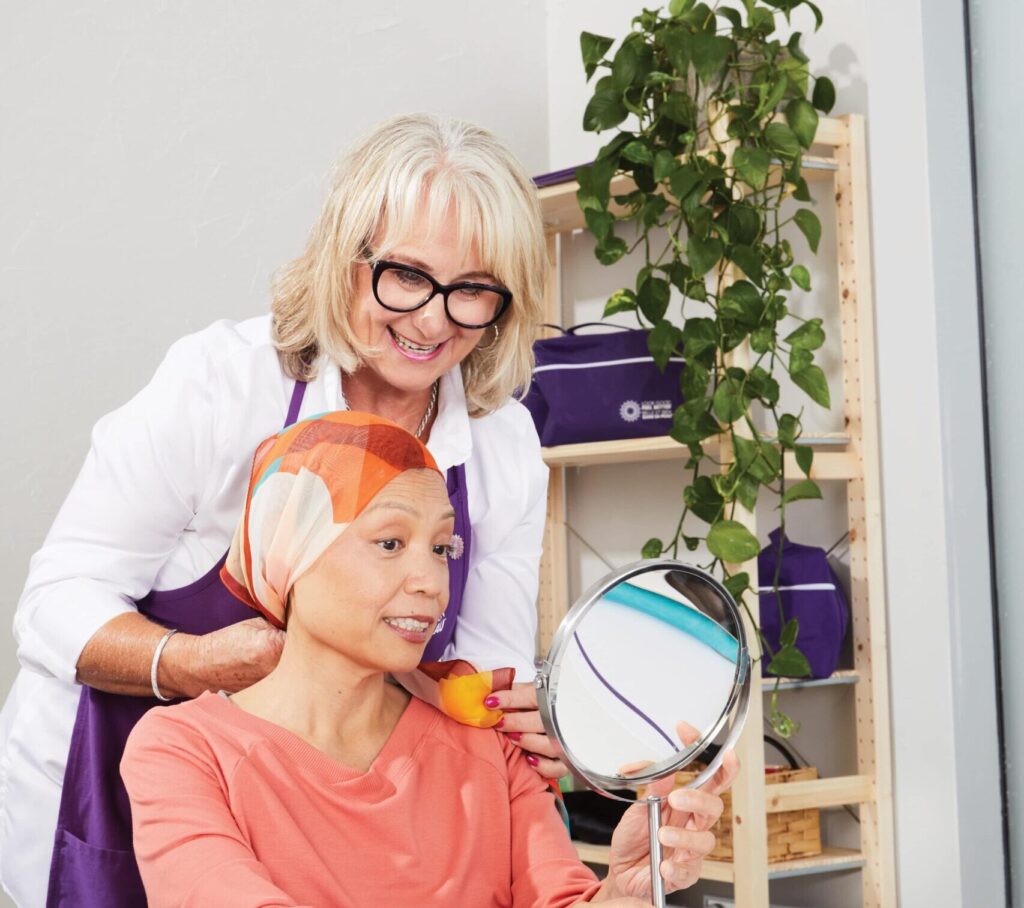
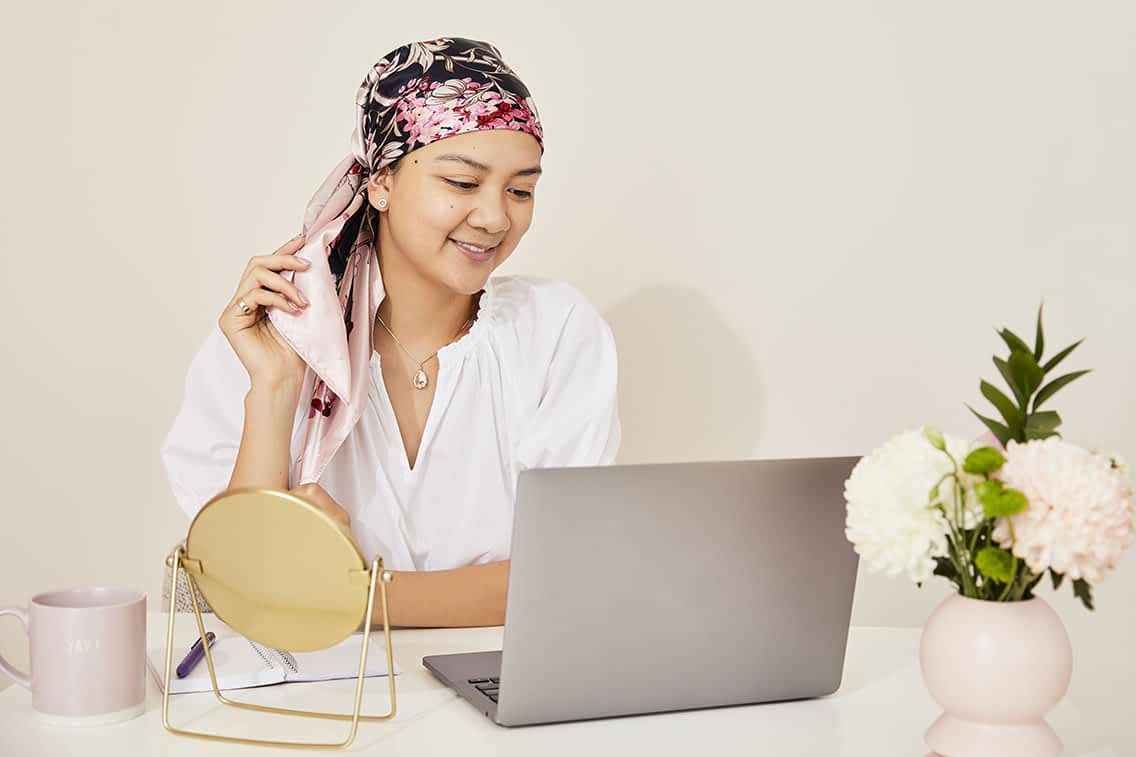
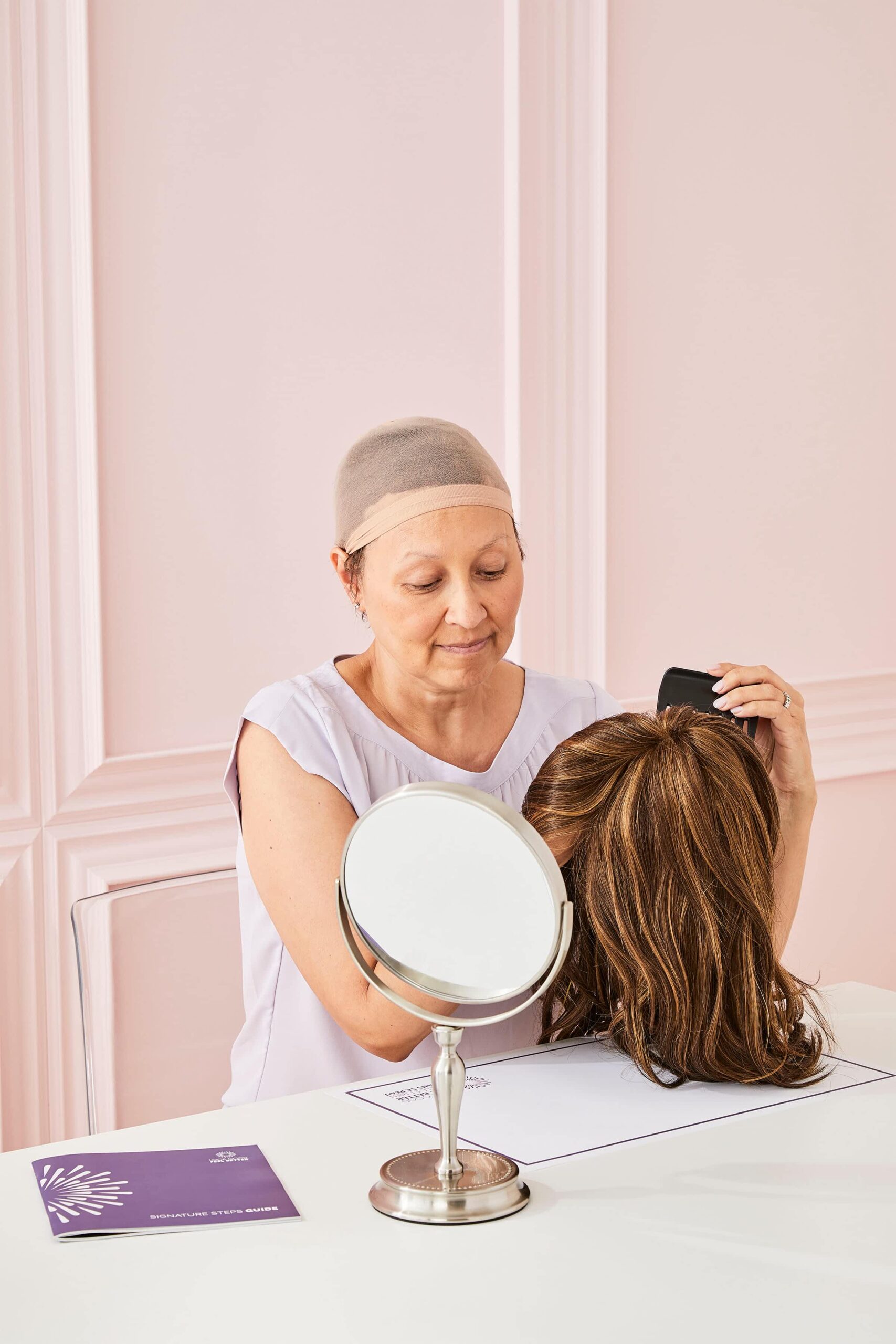
Learn about hair loss and caring for your scalp during treatment, all about wigs, and other hair alternatives, including scarf-tying techniques.
About this Workshop
What you will learn:
Caring for your scalp during and after cancer treatment
What to expect with hair regrowth
Discover all types of head coverings, including wigs
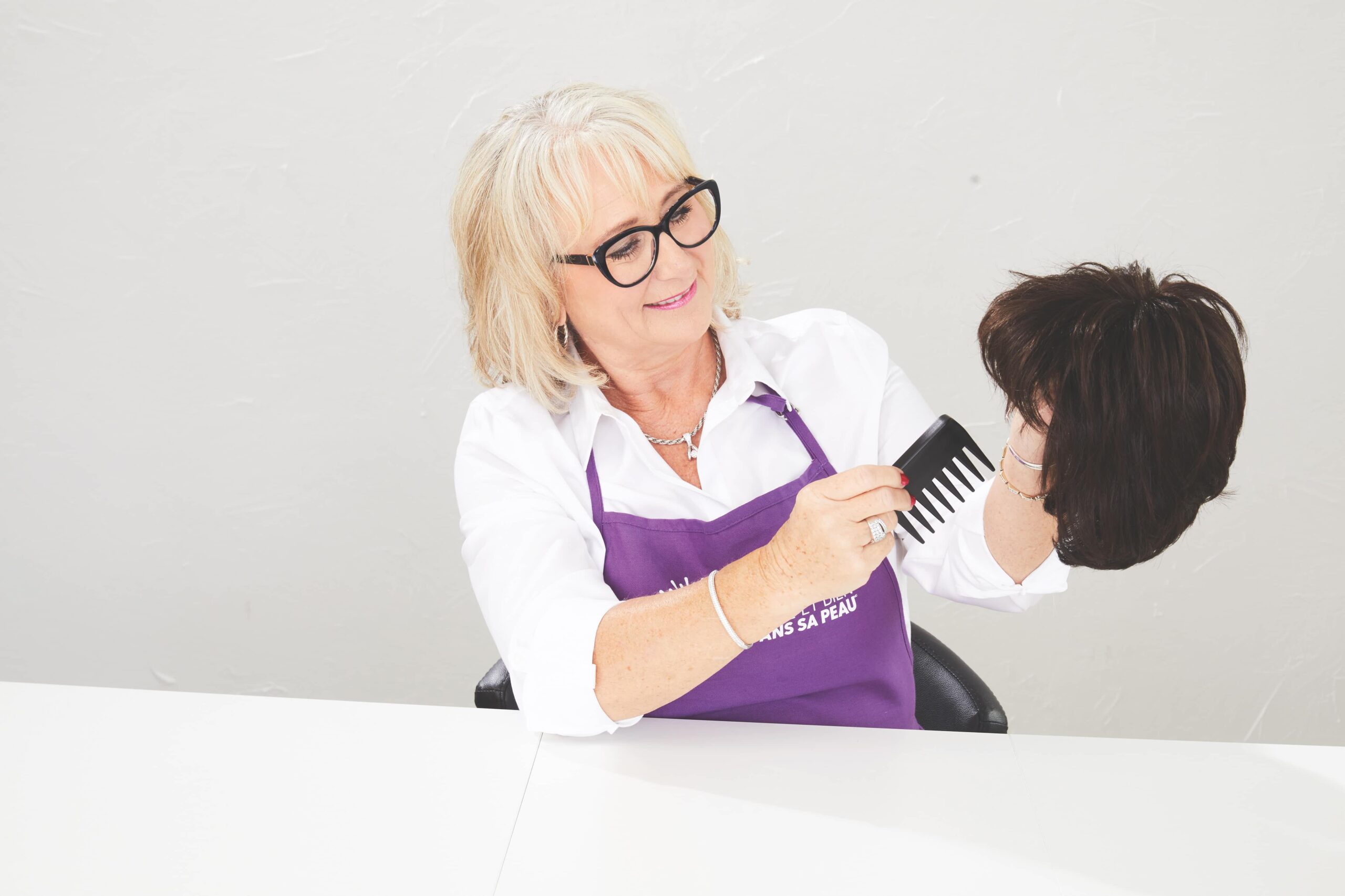
What to consider if selecting a wig
Pros and cons between synthetic and human hair
Easy scarf-tying techniques and more
The information and dialogues are designed to help you:
Manage the physical side effects of cancer treatment with simple, practical guidance
Connect with others who may understand what you are going through
Know what to expect during treatment
Prepare for treatment to help minimize potential side effects
Feel more like yourself
This workshop is available ONLINE and IN-PERSON
Online
- The ONLINE workshop is ONE HOUR long and is delivered via Zoom.
- Relax and join us from the comfort of your home.
IN-PERSON
- The IN-PERSON workshop is 2 HOURS long and is called Skincare, Makeup & Hair.
- It combines our Wigs & Scarves and our Skincare & Makeup Workshops into a single 2-hour session.
- The in-person workshop is only available in select locations around Canada.
Who should attend this workshop?
This workshop is available to anyone who is about to start cancer treatment, is currently in treatment or has completed treatment in the last 12 months and would like information about or support around this topic.
What are participants have to say
“The volunteers were excellent and so caring. It’s the first time I’ve laughed in awhile.”
- Workshop Participant
“This workshop exceeded my expectations. It helps to talk to an expert who is positive, fashionable and gives all the tips. One example – I had no idea how a chemo/sleep cap is such an important base layer!”
- Workshop Participant
Let’s navigate this together
Join a community that understands. Receive expert advice, useful resources, and compassionate tips throughout your cancer journey in the LGFB newsletter
Newsletter Form
Skincare & Makeup Workshop
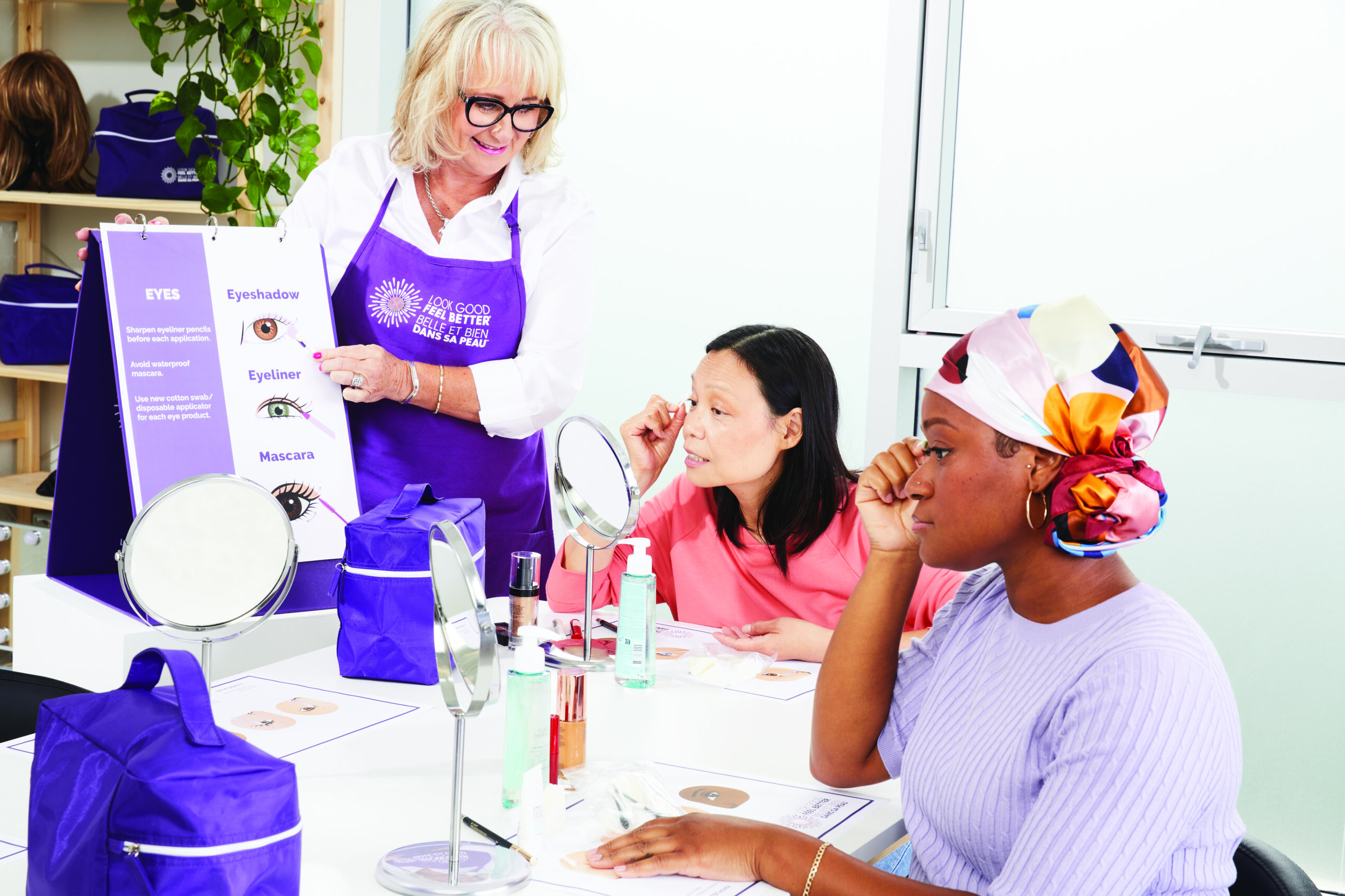
Discover practical ways to manage the physical side effects of cancer treatment on your skin, hair, and face, including skincare, makeup, hair loss, wigs and other head coverings. Available online or in-person
About this workshop
What you will learn:
Counteract side effects such as discolouration and dry skin
Find tips and techniques for managing the loss of brows and lashes
Practice simple makeup steps to add colour back to your face
Makeup hygiene and sun safety
The information and dialogues are designed to help you:
Manage the physical side effects of cancer treatment with clear, practical guidance.
Connect with others who may understand what you are going through.
Understand what to expect during treatment.
Prepare for treatment to help minimize potential side effects.
Feel more like yourself again.
This workshop is available ONLINE and IN-PERSON.
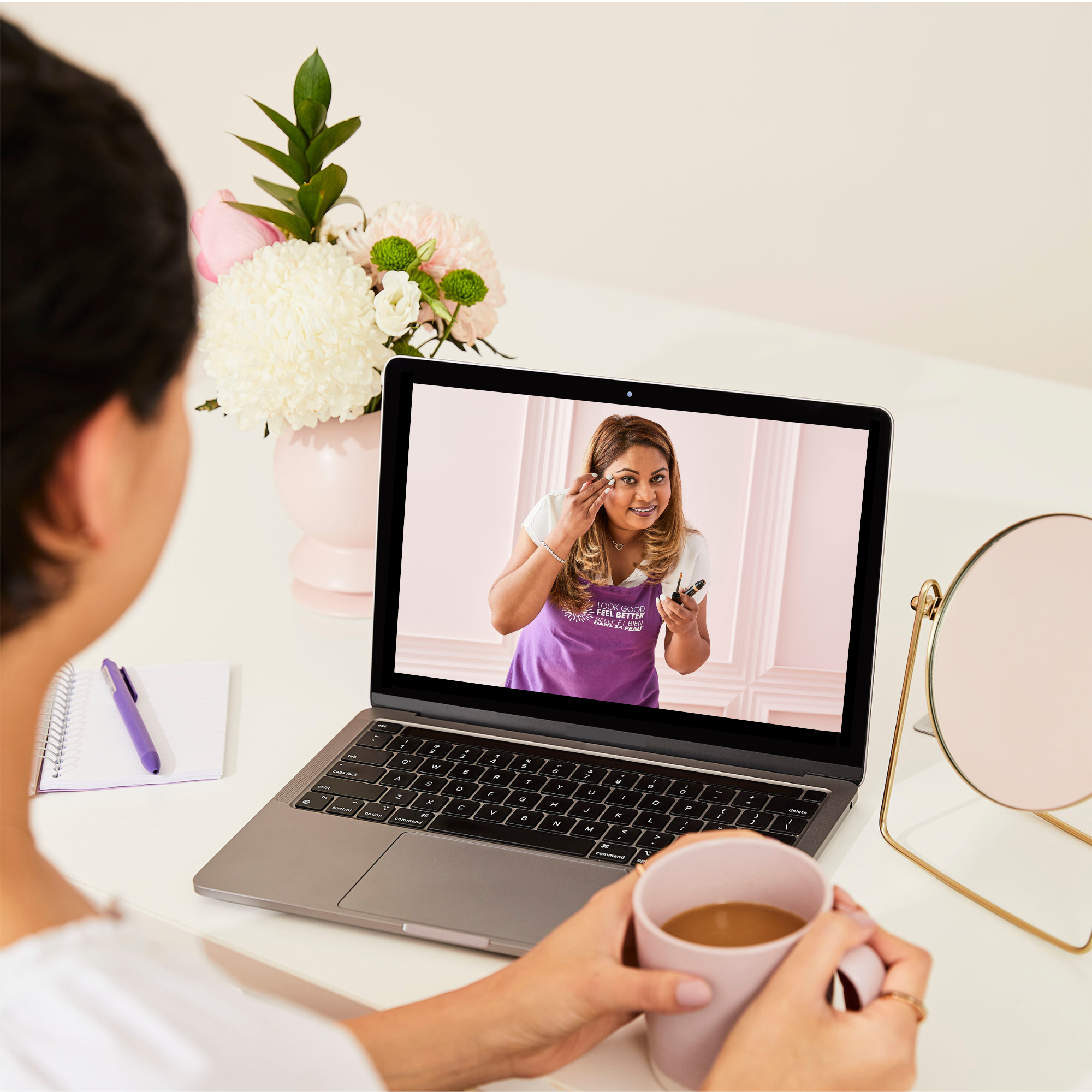
ONLINE
- The ONLINE workshop is one hour long and is delivered via Zoom.
- Relax and learn from the comfort of your own home.
IN-PERSON
- The IN-PERSON workshop is 2 hours long.
- Called Skincare, Makeup & Hair, it combines both our Skincare & Makeup and our Wigs & Hair Alternatives workshops.
- In-person workshops are only available in select locations around Canada.
Who should attend this workshop?
This workshop is available to anyone who is:
- about to start cancer treatment
- is currently in treatment or
- has completed treatment in the last 12 months and would like information about or support around this topic.
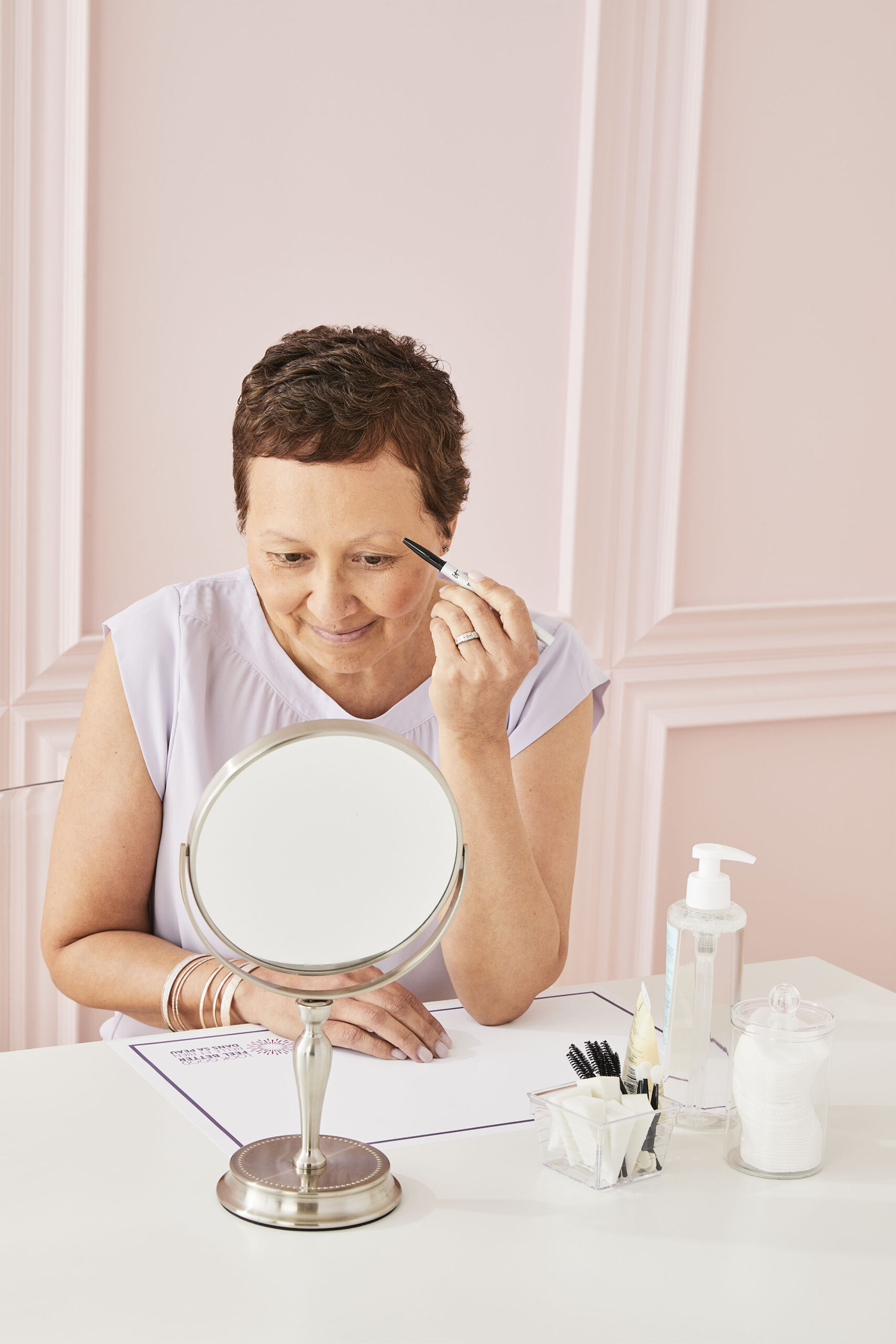
The Confidence Kit
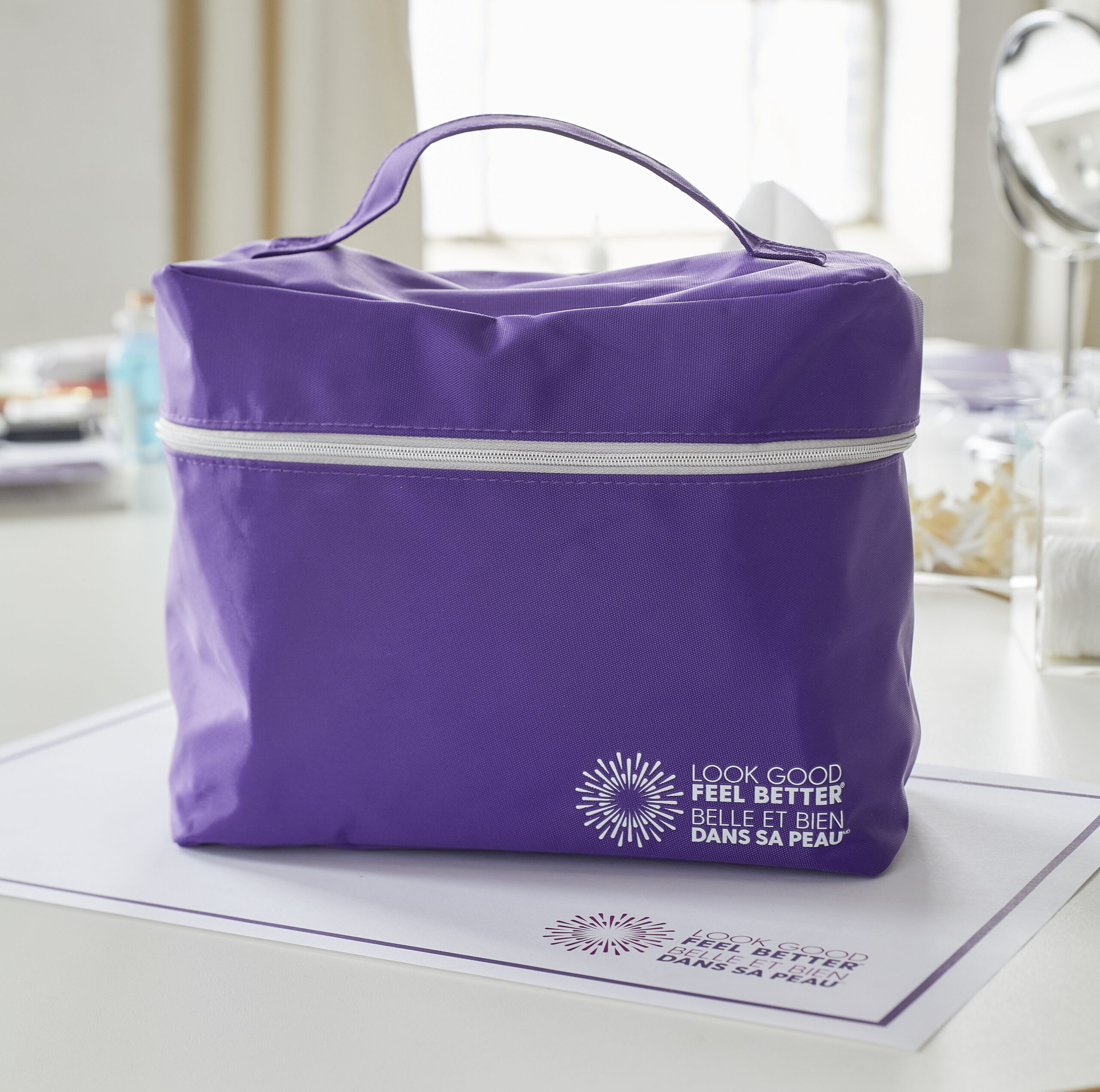
Participants in the Skincare & Makeup workshop receive a free kit of skincare and cosmetics products.
These products are generously donated to Look Good Feel Better and meet the regulations set forth by Health Canada.
These products are for educational purposes, so you may practice the techniques explained in the workshop.
- In-person workshop: You will receive the kit in the workshop.
- Online workshop: The kit will be shipped to you. It generally arrives 15-20 business days AFTER the workshop.
What Our Participants Have to Say
” This workshop was so useful because it wasn’t just information. It ‘normalized’ the techniques to cope with cancer & treatment related challenges to appearance. Yes, wear makeup and take care of your skin not just in spite of cancer and treatments but because of cancer and treatments! Here is how to do it well and safely!”
- Mirabel R., Workshop Participant
Participating in our workshops
97%
of Workshop Participants
would recommend our workshops to another person facing cancer.
32%
of Our Participants
feel somewhat confident BEFORE our workshops.
89.1%
of Our Participants
reported feeling somewhat confident or confident about their appearance AFTER our workshops.
Let’s navigate this together
Join a community that understands. Receive expert advice, useful resources, and compassionate tips throughout your cancer journey in the LGFB newsletter
Newsletter Form
It was on Christmas morning — while in the shower, thinking of my children and the celebrations and everything that needed to be done — that I first felt the lump. I wanted to believe it was nothing, just like the doctors had told me before, when I’d had clogged milk ducts while breastfeeding — but deep down, I knew something was different this time.
When I left Bangladesh and came to Canada five years ago with just my husband and two small children, I never dreamed that I’d soon be facing stage 3 breast cancer in a new land, thousands of kilometres away from my family. I felt so very alone. And I had a hard time accepting my diagnosis. I’ve always lived a healthy, disciplined lifestyle. In my family, everyone looked to me as the example of good health — I was the one who knew what foods to eat and how to live the right way. I did everything right, and yet still, I was the one who got cancer. It didn’t seem fair.
I struggled to accept what was happening to me, but one thing was clear: I had no choice but to face whatever was coming. I have kids, I have a family — I wanted to live.
My treatment involved eight rounds of chemotherapy, a lumpectomy, and 19 rounds of radiation. I hid my pain, sickness, and sadness from my husband and son and daughter as much as possible. I didn’t want my husband to lose strength — he had so much on his shoulders, taking care of me and the kids. I had no one to turn to, no one to talk to. I was desperately stressed out and frustrated. And I felt so helpless — I’m a very independent person who suddenly wasn’t able to do much on my own.
Fortunately, I realized that this wasn’t a permanent situation. I knew I would be alright after my treatment, and so I accepted the pain and the reality of what I was facing. I endured the vomiting, nausea, and painful burns from radiation. And little by little, things started to look up. I found support. I found strength. And through the big dark cloud that is cancer, I found small rays of hope.
Every cloud has a silver lining, or as we say in Bangladesh, “shesh bhalo jar, shob bhalo tar” – “all’s well that ends well,” basically. Despite the hardships, cancer brought me unexpected gifts. When my hair grew back after my treatment, for the first time ever it was curly — something I had always wanted. Post-chemo, my skin is so much better. And I got to model again, thanks to Look Good Feel Better (LGFB). In my home country, I had a modelling career, but that all stopped when I came to Canada. Participating in the LGFB photo shoot brought back so many good memories. The feeling of being in the spotlight again was incredible.
Cancer has also made me a better person. I’m much stronger mentally now and I have a deeper sense of gratitude for life. I’m prepared to be a good advisor for anyone else going through a cancer journey. And I really want to contribute, to give back. I want to share my story and my positivity, and to support other cancer patients — especially back in my home country, where cancer treatment resources are limited. In Canada, I got the best cancer treatment possible. But Bangladesh is a developing country, and those who have cancer there are suffering immensely. One day, I hope to return to share what I’ve learned and support those who need it most.
I’d already survived a life-changing event when I was just 16 years old. It was the first day of summer. I was fresh out of grade 10 and excited to be doing my very first parachute jump. But the parachute didn’t open, and I plummeted 3,000 feet to the ground. The impact left me with a spinal cord injury, and I’ve used a wheelchair ever since.
I was able to move on with my life I went back to school and got a university education. I got married and had a daughter, who’s in her 30s now. I had a fulfilling career as a French immersion teacher. I also got very involved in wheelchair sports, from curling to hand cycling. My life was moving forward in a positive, productive way.
I thought that surely my spinal cord injury was the biggest challenge that life would throw my way. Cancer had never been on my radar. I was feeling great. When I discovered the lump, I didn’t panic. I’d been getting regular mammograms with nothing showing up. But when the nurse called and said, “There’s a 97.5% chance it’s malignant,” everything changed. It felt like the world had shifted beneath me once again, just like that day in 1981 when my parachute failed.
My breast cancer diagnosis was shocking. It was an aggressive cancer with all these names I’d never heard before: ER-positive, PR-positive, and HER2-negative. I had no idea there were so many forms of breast cancer. And it felt extremely unfair. I had already been dealing with a spinal cord injury for most of my life – wasn’t that enough? Hadn’t I experienced enough traumatic moments? I was also initially very concerned that I was not going to survive, as I’d watched my mother die of cancer. I was devastated.
My spinal cord injury changed my life, but cancer was even worse. It wasn’t just physically brutal – it caused an immense emotional toll, invading all aspects of my life and leaving me constantly on edge, with the steady fear of recurrence looming over me. And navigating the complexities of cancer care treatment was especially challenging because of my spinal cord injury. For example, the chemo table was too high for me to get up onto on my own. I had to lobby the hospital for better accessibility.
In the past year, I’ve gone through a lumpectomy, what felt like endless chemotherapy, radiation, and ongoing hormone therapy. I’ve gone from having long blond hair to short grey hair with chemo curls. I still don’t recognize myself when I look in the mirror. It’s like I’m a different person now, in many ways.
Amid the whirlwind of treatments and fear, finding support became essential. Having an organization like Look Good Feel Better (LFGB) was so helpful. Peer support is one of the big methodologies used to help people with spinal cord injuries. You can have a doctor explain about the injury and physiotherapy and occupational therapy, but peer support – meeting someone else living with the same condition – is often far more valuable. It was the same with having cancer. When I got my cancer diagnosis, I didn’t have any friends or colleagues who were going through it. I didn’t feel like there was much of a community or people I could speak with. No one in my family had had this diagnosis or any type of cancer treatment. I found that sense of peer support from LGFB’s workshops – peers getting together, and volunteers who are well-versed in cancer treatment. For me, the more I can meet others going through similar circumstances, the easier it is to go through the experience. I’m not alone. I’m part of a shockingly large community of women dealing with the same thing. This is an additional piece to the recovery process.
Other things that have helped in my recovery and my holistic approach to treatment are taking care of my appearance, staying active in my communities, and travelling. I’m aware of my mortality in a new way now. I no longer put things off. Cancer has taught me to live each day with intention and gratitude, embracing each moment to the fullest.