
” There’s lots of great information. I feel as though the questions I had were answered before I even had a chance to ask them. I’m not happy about the changes to my body, but I am accepting them, and I appreciate the tips and support to help me deal with this.”
- Kathryn R, Workshop Participant
Prefer direct information from a professional?
Try our Bras & Prostheses Workshop today!
Let’s navigate this together
Join a community that understands. Receive expert advice, useful resources, and compassionate tips throughout your cancer journey in the LGFB newsletter
Newsletter Form
Post Surgical Products
Prostheses Basics
Fitting & Clothing Tips
Nightwear & Sleep Support
Care & Maintenance
Skincare During Radiation
Nipple Appearance Options
Access & Financial Help
Let’s navigate this together
Join a community that understands. Receive expert advice, useful resources, and compassionate tips throughout your cancer journey in the LGFB newsletter
Newsletter Form
Global Reach
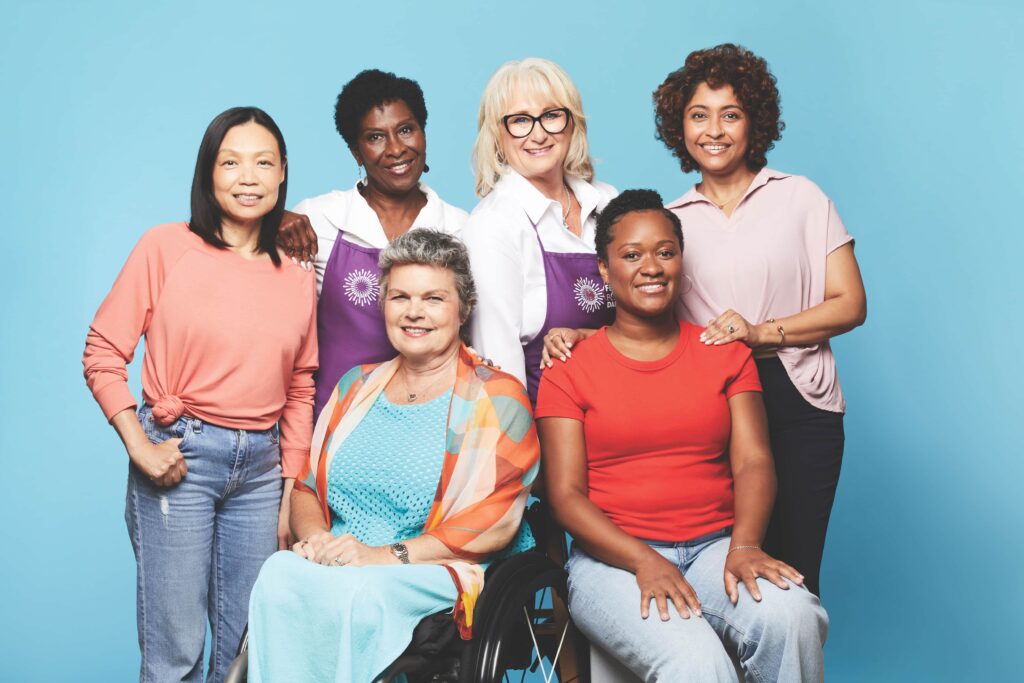
Look Good Feel Better Programs can be found in 27 countries around the world. Through these international sister programs – each operating independently but sharing the Look Good Feel Better name and mission – our efforts to help people with cancer are multiplied.
Look Good Feel Better Around the Globe
Our Partners
| Argentina | Luzca Bien Siéntase Mejor | www.luzcabien.org.ar | lbsm@capa.org.ar | (+54) 11 4813-9047 |
| Australia | Look Good Feel Better | www.lgfb.org.au | info@lgfb.org.au | 61 7 3203 4788 |
| Brazil | De Bem Com Voce | www.debemcomvoce.org.br | Claudio Viggiani cviggiani@abihpec.org.br | 55 (11) 98292 0797 |
| Canada | Look Good Feel Better | www.lookgoodfeelbetter.ca | news@lgfb.ca | 905 890 5161 |
| Chile | Luzca Bien Siéntase Mejor | www.camaracosmetica.cl | amarquez@camaracosmetica.cl | (56 2) 951 0212 Fax: (56 2) 246 7230 |
| Colombia | Luzca Bien Siéntase Mejor | www.andi.com.co/Home/Camara/15-camara-de-la-industria-cosmetica-y-aseo | cpluzcabien@andi.com.co | 57 1 326 8580 Fax: 57 1 347 3198 |
| Denmark | Look Good Feel Better | www.lookgoodfeelbetter.dk | bd.knudsen@lookgoodfeelbetter.dk | (+45) 35 43 40 44 |
| Ecuador | Luzca Bien Siéntase Mejor | www.luzcabiensientasemejor.ec | mfleon@procosmeticos.com | 593 2 2261 385 |
| France | Belle et Bien | www.bellebien.fr | contact@bellebien.fr | Toll-free: 33 1 56 69 67 89 |
| Germany | DKMS LIFE gemeinnützige Gesellschaft mbH | www.dkms-life.de | info@dkms-life.de | 49 221 940 582 4100 |
| Ireland | Look Good Feel Better | www.lookgoodfeelbetter.ie | info@lookgoodfeelbetter.ie | + 353 1 8734996 / + 35387 7008366 |
| Israel | Look Good Feel Better | www.cancer.org.il | francine@bezeqint.net | 972 3 572 1618 |
| Italy | La Forza e il Sorriso | www.laforzaeilsorriso.it | info@laforzaeilsorriso.it | 011 39 02 281 77380 |
| Mexico | Luzca Bien Siéntase Mejor | www.canipec.org.mx | gsr@canipec.org.mx | (52 – 55) 55 75 21 21 |
| The Netherlands | Look Good Feel Better | www.lookgoodfeelbetter.nl | h.uffing@lookgoodfeelbetter.nl | 030 – 697 15 11 |
| New Zealand | Look Good Feel Better | www.lgfb.co.nz | info@lgfb.co.nz | (+64) 09 308 0245 |
| Norway | Look Good Feel Better | www.klf.no | post@klf.no | (+47) 22 39 63 50 |
| Peru | Luzca Bien Siéntase Mejor | https://www.camaralima.org.pe/ | www.facebook.com/lbsmperu | (511) 219 1587 |
| Poland | Fundacja Piekniejsze Zycie | www.piekniejszezycie.org | info@piekniejszezycie.org | +48 222-55-32-32 |
| Singapore | Look Good Feel Better | www.lookgoodfeelbetter.org | enquiry@singaporecancersociety.org.sg | 922 1 9578 |
| South Africa | Look Good Feel Better | www.lgfb.co.za | info@lgfb.co.za | +27 11 795 4272 |
| Spain | Ponte Guapa, Te Sentirás Mejor | www.ponteguapatesentirasmejor.es | www.fundacionstanpa.com | +34 91 571 16 40 |
| Sweden | Look Good Feel Better | www.lookgoodfeelbetter.se | Madelaine Edholm | 46 8 783 82 36 |
| Switzerland | Look Good Feel Better | www.lgfb.ch | contact@lgfb.ch | 41 0 43 243 0335 |
| United Kingdom | Look Good Feel Better | www.lookgoodfeelbetter.co.uk | 01 372 747 500 | |
| United States | Look Good Feel Better | www.lookgoodfeelbetter.org | info@lookgoodfeelbetter.org | 1-800-395-LOOK |
| Uruguay | Luzca Bien Siéntase Mejor | camperf@ciu.com.uy | 598 2 604 04 64 ext.211 |
Let’s navigate this together
Join a community that understands. Receive expert advice, useful resources, and compassionate tips throughout your cancer journey in the LGFB newsletter
Newsletter Form
By Adriana Lombardo
I went for chemotherapy at Princess Margaret Cancer Centre once a week for two years.
The first time I went I didn’t realize I’d spend a full day there. I didn’t know what to pack at first. I brought along one water, a granola bar, and a book to my first chemo appointment.
Soon afterward, the nurse explained to us that although you may have a “set-time” for blood and chemo, it doesn’t necessarily mean that that is when you get called in. She told us that it takes a while for the blood results to come back and once they are cleared by the nurse practitioner, then chemo gets ordered.
Once chemo gets ordered, it’s a matter of the pharmacy making the order, which takes time.
From that day on, I always made sure to pack my favorite items that I always kept on-hand – not only for chemo, but wherever I went during treatment.
Crackers & Other Dry Goodies
I was on steroids for two years and a bit.
It was brutal during my intensification phase (30 weeks of high dose steroids) where I usually had heartburn or nausea and needed to munch on something dry to feel better.
Crackers were my go-to and always a staple item to have in my bag because I just never knew when I’d get the steroid munchies.
Other dry, salty goodies like popcorn or even bread, made it a lot easier to keep my hunger at bay most of the time…seeing as I was hungry all the time.
Let’s be honest, I always carried some sort of food on me whether it be sandwiches, rice, or leftover pasta.
I would whip it out of my bag and set myself up with a mini picnic.
Different Hats
I had purchased a wig at the Wig Salon at PMH but I only wore it twice because I preferred to go bald and just wear hats out of comfort.
I purchased pretty much every single hat in that store and then some!
I liked carrying around different style hats to change into whether at the hospital, at an appointment or while I was out.
At one point of treatment, changing hats for me was like changing shirts and never knowing which to wear because I just had too many options…yup, that was me! But hey, it’s not like I can’t transition them into everyday hats now that my hair is back.
Chapstick & Moisturizer (LOTS OF IT)
I expected skin changes as one of the side-effects, but because it was the winter time, I had extra chapped lips and extra dry hands. I had to reapply my Chapstick at least three times within the hour and constantly moisturize my hands to prevent them from cracking.
Water
While taking steroids, I found it extremely difficult to keep up with any hydration because everything tasted like metal to me, but I knew I’d regret it if I didn’t try and force myself to drink because then it would lead to other problems…if you know what I’m saying.
At least carrying the bottle with me would encourage me to drink it, not only because it made my bag heavier (motivating me to finish it), but also because it stuck out of my bag, so I knew it was always there right in front of my face.
Sunscreen
Anyone and everyone should always make sure to apply some sort of protection to their skin.
I never thought that I’d start wearing sunscreen during the winter months, but I had to once I learned about all the risks associated with sun exposure during chemotherapy.
As much as it scared me, it put me in place knowing that I needed to constantly reapply it, even if I was just driving around in the car.
Now, it has just become a habit of mine to always apply it in the morning and carry it in my bag to reapply it throughout the day. The small travel size options, or the ones that come in the Look Good Feel Better kit are a great size to have on you.
Antibacterial Soap/Wipes
“Disinfect everything!” are the words that stuck with me throughout my entire treatment.
The nurses made it very clear that germs loved me at this point – being immunosuppressed and all.
I was susceptible to catching anything, so I had to make sure that my hands and any surfaces were always clean.
It was embarrassing at first, having to disinfect tables at the mall in food courts if I went to buy a coffee with family or friends, being extremely cautious in public bathrooms, and even if I was having a picnic at parks…people looked at me funny but I knew I had to be careful. Maybe my actions remind them of the pandemic.
I grew used to the idea of being “safe,” and embraced what I was going through when I had to do it.
If people looked at me funny or stared, I’d smile and say, “I know, right!? How can someone fighting cancer and going through chemo look this great bald?” or “I pay my oncologist big bucks to look the way that I do.” *wink*”
People thought I was ridiculous, but what did I care. I was going through this, not them, so there was absolutely no need for it to bother them in any way, shape, or form.
Just learn to laugh about it and then people will laugh with you.
Books/Magazines & Entertainment
You need to pass the time somehow. During treatment, I grew to love psychology and self-help books. I found them to be quite insightful at this point in my life. I was already going through a life-changing experience, which made me begin to question everything, so I decided to take that time and re-evaluate my whole life and give it a makeover.
Plus, I always had my cellphone on me for social media, games, and texting.
Make sure to carry around things like books, magazines, or crossword puzzles, because you’ll find you’ll have a lot of time on your hands while going to treatment or other appointments. You might as well make the most of it.
Vitamins/Medication
I always found myself to be out and about at the point when my medication or vitamins were due. I found it a lot easier to just carry them around in a cute little makeup bag that I had purchased solely for that purpose. That kept everything safe, clean, and in a place that I knew would always be in my bag.
About Us
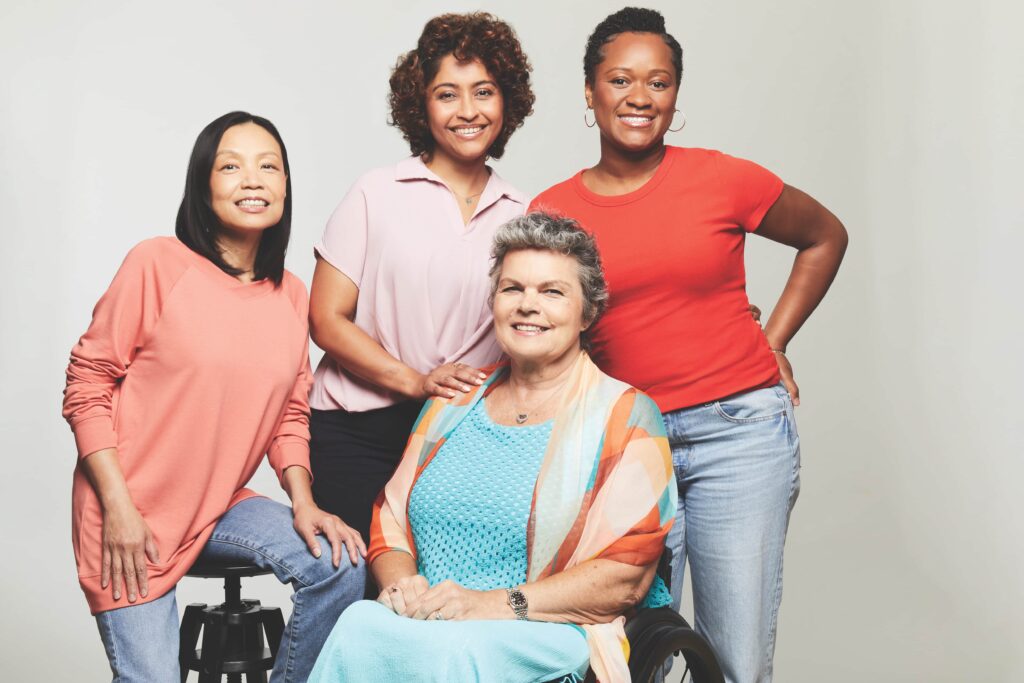
Every Canadian facing cancer deserves free supportive care. Look Good Feel Better empowers patients with practical tools, emotional support, and community through workshops and resources that build confidence and well-being before, during, and after treatment.
What We Do
Look Good Feel Better provides psychosocial supports to Canadians before, during, and after cancer treatment.
We do this by providing important practical information and emotional support through our free workshops, accompanied by a multitude of resources we provide on our website, print materials, social channels, and podcast. Most importantly, our programming builds a supportive community.
Confident and Informed
Instinctively, we all know the benefits that come from feeling confident and well-informed. It helps us feel our best. We feel more capable, we make more social connections, our spirits are lifted. For those facing cancer, these benefits are even more crucial.
Research shows that accessible mental wellness support reduces depression and distress in people with long-term conditions like cancer.
Look Good Feel Better programming provides proven health benefits to those facing all cancers by providing practical information, social connections to people facing similar circumstances, increasing confidence and contributing to overall well-being.
In fact, an international study showed that attending a single group workshop – such as Look Good Feel Better – resulted in patients reporting a reduction in depression and anxiety, higher self-esteem and higher quality of life.(1)
A second recent study found most cancer survivors in Canada face ongoing and unmet needs related to psychological (90%), physical (80%), and practical (50%) challenges (2) and that more support is needed to address the psychosocial cost burden faced by patients and their families.(3)
_____________________________________________________________________
- Richard A. et al. Recover your smile: Effects of a beauty care intervention on depressive symptoms, quality of life, and self esteem in patients with early breast cancer. Psycho-Oncology 2018:1-7.
- Fitch M, Zomer S, Lockwood G, et al. Experiences of adult cancer survivors in transitions. Support Care Cancer. 2019;1;27(8):2977-2986.
- The psychosocial cost burden of cancer: A systematic literature review Beverley M. Essue1,2 | Nicolas Iragorri1 | Natalie Fitzgerald1 | Claire de Oliveira August 2020.
Our Core Workshops
Our core workshops address the physical side effects of cancer treatment, including changes to the skin, hair, and body.
These include:
Skincare & Makeup
Wigs & Scarves
Bras & Prostheses
Shaving & Men's Skincare
Teens
Other Workshops
Our Post-Treatment Nutrition workshop (led by nutritionists specializing in cancer care) helps participants regain their strength, energy, and overall health. Our Advanced Skincare, Nail Care and Areola Tattooing programs also help manage the physical effects of treatment and restore self-confidence, which is equally important.
We also partner with like-minded organizations to offer workshops that address other key sources of anxiety throughout their medical journey. Topics such as Talking to Kids about Cancer, Returning to Work and Cancer Fatigue are offered online periodically throughout the year. Check our Workshops page to learn what topics are currently on our calendar.
Equal Access to Expert Cancer Advice
Cancer treatments have evolved, and new forms of chemotherapy and immunotherapy have caused different and adverse side effects to emerge. We’ve worked with leading Canadian onco-dermatologists to ensure that our community can access the latest supportive information to help reduce and relieve the side effects they experience AND the emotional distress that may accompany not being able to access oncology specialists quickly and easily.
Let’s navigate this together
Join a community that understands. Receive expert advice, useful resources, and compassionate tips throughout your cancer journey in the LGFB newsletter
Newsletter Form
Practical Advice within a Caring Community
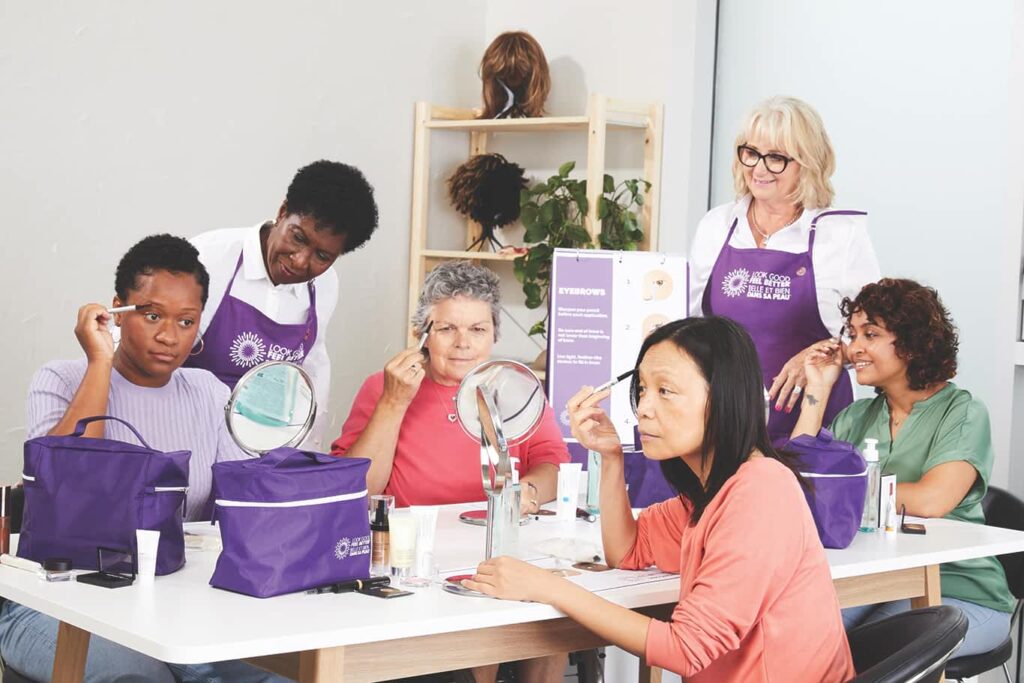
We know how important it is to simply feel like yourself, especially when going through cancer treatment. Look Good Feel Better offers free workshops that help address both the emotional and appearance-related side effects of treatment.
Everyone deserves support during cancer treatment
LGFB workshops are a space where cancer isn’t in charge. You can concentrate on yourself. Learn information and techniques that can help you manage or even minimize some side effects of your cancer treatment. Talk with and connect with others facing a similar cancer experience. Offer an understanding smile to someone who may need one.
What happens at LGFB workshops?
Led by our expert volunteers, Look Good Feel Better workshops offer real information, helpful tips and techniques AND supportive care. At the end of the session, we hope you’ll feel that you can face cancer with a bit more confidence and feel more like yourself again.
We Provide Online and In-Person Workshops
IN-PERSON LGFB WORKSHOPS:
Our primary in-person workshop is 2 hours long and addresses skincare, makeup that helps address physical side effects of cancer treatment, hair loss, scalp and nail care, wigs, scarves and other hair alternatives. It is called Skincare, Makeup & Hair. It is offered in 80 locations across Canada where our volunteers will greet you with a warm smile. You will also receive our Confidence Kit, which is a free kit of skincare and makeup products, so you can practice the techniques explained in the workshop at home.
Learn More about This WorkshopCheck for In-Person Workshops Near You
ONLINE:
We offer several online workshops topics. Each is an hour to an hour and a half long, are led by one of our subject matter experts, and are easily accessible via Zoom.
Our Skincare & Makeup, Wigs & Scarves, Bras & Prostheses and Shaving & Men’s Skincare workshops are offered multiple times during the month. Our Teens, Post-Treatment Nutrition and Advanced Skincare workshops are typically held a few times a year.
From time to time, we also offer workshops on other topics such as Cancer Fatigue, Coping with Fear & Worry, and Talking to Kids about Cancer.
Let’s navigate this together
Join a community that understands. Receive expert advice, useful resources, and compassionate tips throughout your cancer journey in the LGFB newsletter
Newsletter Form
Teens Workshop
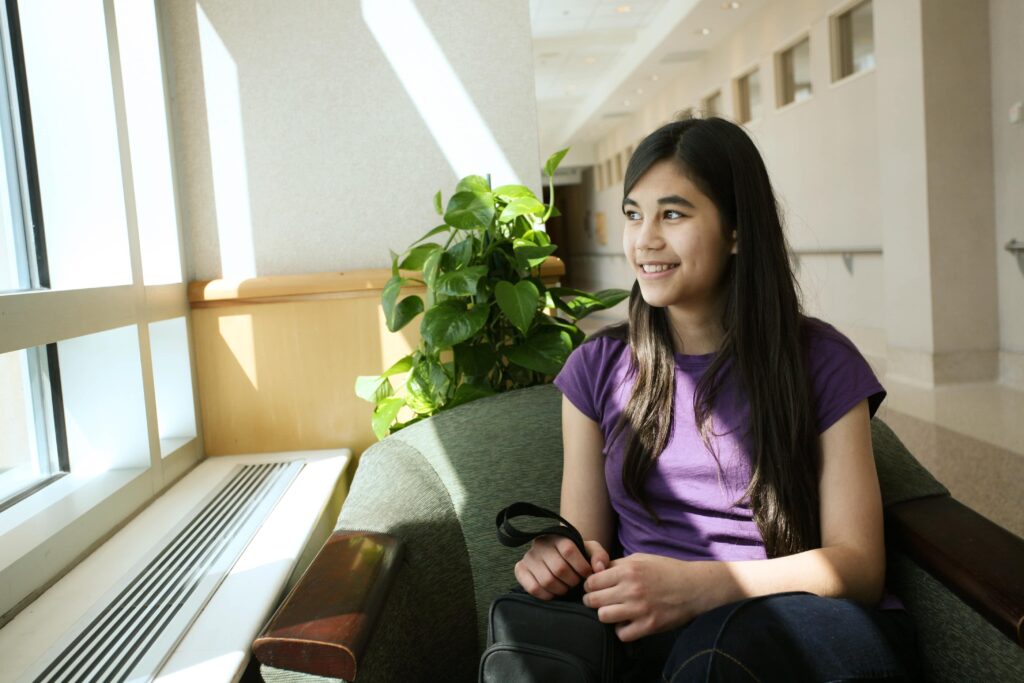
Dealing with cancer is hard. Figure out what works for you during treatment, from gentle skincare routines and makeup hygiene to cute head wrap styles, wigs and nails. Learn all these things, plus meet other teens with cancer, in a space that gets what you’re going through.
About this Workshop
Our online workshop is pretty unique and catered to teens with cancer. It’s a space where you don’t have to explain yourself, or your cancer. No one’s cancer experience is the same, but everyone will have some idea of what you’re going through.
How it works and what you will learn:
Learn skincare, makeup and sun care tricks and tips to help your sensitive skin heal and look its best during treatment
Get expert advice on managing treatment side effects like dryness, discolouration, and dreaded acne
Explore creative, cute, and cool styles for hats, wraps, wigs, scarves, and other hair alternatives
Get a free kit full of awesome skincare and makeup products that are OK to use during treatment
Even it’s ultimately not your thing, do it for the plot
A new theme – and new makeup – every time
Just because we’re talking about how to deal with side-effects to your skin and hair, it doesn’t mean that we can’t have fun with it. Each session covers a new look so you can lean into your artistic side or just change up the basics to help you feel more like yourself.
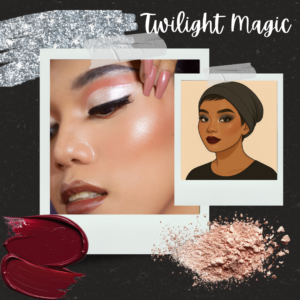
Twilight Magic: Smoky Eyes & Starlit Glow
Thursday, October 1st
Bring a little autumn magic to your routine. This session blends soft smoky techniques and shimmer placement to capture a twilight glow—perfect for fall photos or a subtle Halloween nod.

Holiday Classics: Effortless Skin & Bold Red Lip
Thursday, December 3rd
Wrap up the year with a modern classic. Learn simple techniques to keep skin fresh, eyes softly defined, and lips bold and bright. Choose your finish—sheer, satin, or gloss—and let your red lip shine.
Who can attend?
This workshop welcome teens aged 13 to 17 who are currently facing cancer or have completed treatment in the past year.
A bit older or younger and want to attend? Send us an email at workshops@lgfb.ca
Hang out. Have fun. Repeat.
What if you take our workshop, enjoy it, and want to come to another one? That happens a lot! As long as spots are available, we’d love to you to have you back for another one.
Each session has a new make-up theme AND it’s a great way to build friendships over time!
Come hang out with people who kind of understand what you’re going through!
Register for our Teens Workshop today!
Let’s navigate this together
Join a community that understands. Receive expert advice, useful resources, and compassionate tips throughout your cancer journey in the LGFB newsletter
Newsletter Form
Post Treatment Nutrition Workshop

What you eat plays a vital role in how you feel after cancer treatment. But with so much nutrition advice out there, it’s easy to feel overwhelmed. What foods support healing? How do you improve energy levels? Can nutrition help prevent deficiencies and support immune function? Join us to answer many common questions about nutrition and cancer.
About this Workshop
Join us for an empowering discussion on:
Gut Health & Digestion – How the gut microbiome affects overall well-being
Key Nutrients – Supporting energy, mental clarity, and immune function
Food Absorption – Making sure your body gets what it needs
The 80/20 Rule – A mindful way to eat well while enjoying your favourite treats
Practical Strategies – Overcoming common post-treatment nutrition challenges
This workshop is available ONLINE
Post-Treatment Cancer support
Whether you are experiencing late effects from treatment, you are concerned about preventing recurrence or you’re managing the transition from intensive support and monitoring back to care by your family doctor or general practitioner, we are here for you.
Who should attend this workshop?
- Individuals who are post-treatment and interested in nutrition during and after cancer treatment.
- Anyone interested in nutrition relating to cancer wherever people are in their cancer continuum.

What our participants have to say
“I was struggling with what to eat to prevent recurrence—the 80/20 rule was so helpful in helping me be kinder to myself! A total mindset shift.”
- Emily R., Workshop Participant
Let’s navigate this together
Join a community that understands. Receive expert advice, useful resources, and compassionate tips throughout your cancer journey in the LGFB newsletter
Newsletter Form
Shaving & Men’s Skincare Workshop
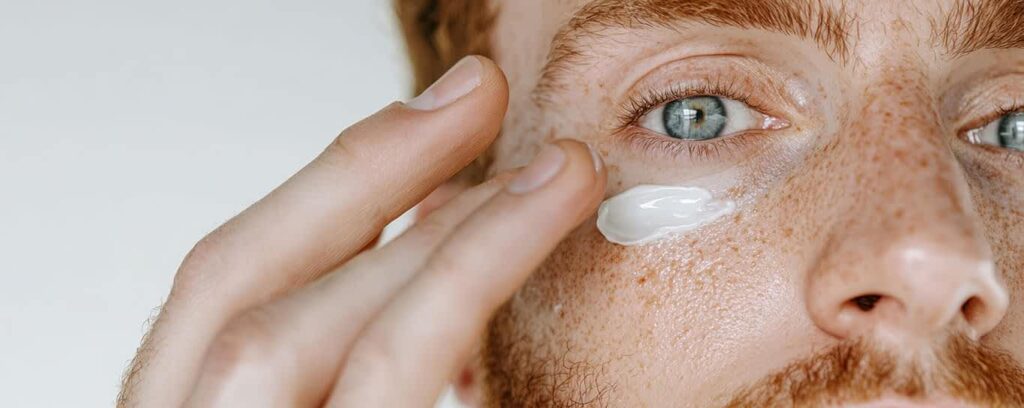
Physical side effects sometimes catch us by surprise. Cancer treatment can bring unexpected changes to your appearance—dry, discoloured skin, hair loss, irritation from shaving, nail changes — but that doesn’t mean you have to just put up with them.
Real advice in a supportive setting
Our Look Good Feel Better Shaving & Men’s Skincare Workshop is designed to help you take control of these changes with a simple, effective skincare regimen and shaving and grooming techniques tailored specifically for men facing cancer.
This free workshop is offered both online and in person at select locations and is held in a comfortable, supportive setting. You can listen, learn, and participate as much—or as little—as you’d like. Participants also receive a complimentary kit of men’s skincare and shaving products to try before and during treatment.
About the Shaving & Men's Skincare Workshop
Even if you’ve never paid much attention to your facial skin before, small changes can make a big difference in how you look and feel. In this session, we’ll cover:
Managing hair loss – What to expect, how to care for your scalp, and what happens when hair grows back
Caring for skin during treatment – Avoid dry, irritated or painful skin with a simple routine that take just a few minutes a day
Shaving with less irritation – Pros and cons of using a regular razor vs an electric razor during treatment and how to shave your face (or scalp) safely when your skin is more sensitive.
Protecting your skin from the sun – We’ll share simple ways to guard sensitive skin from the sun during and after treatment.
Who is the Shaving & Men’s Skincare workshop for?
This session is ideal for:
- Men who are currently undergoing cancer treatment or have completed treatment in the past year
- Anyone facing cancer who would like support around these specific appearance-related side effects
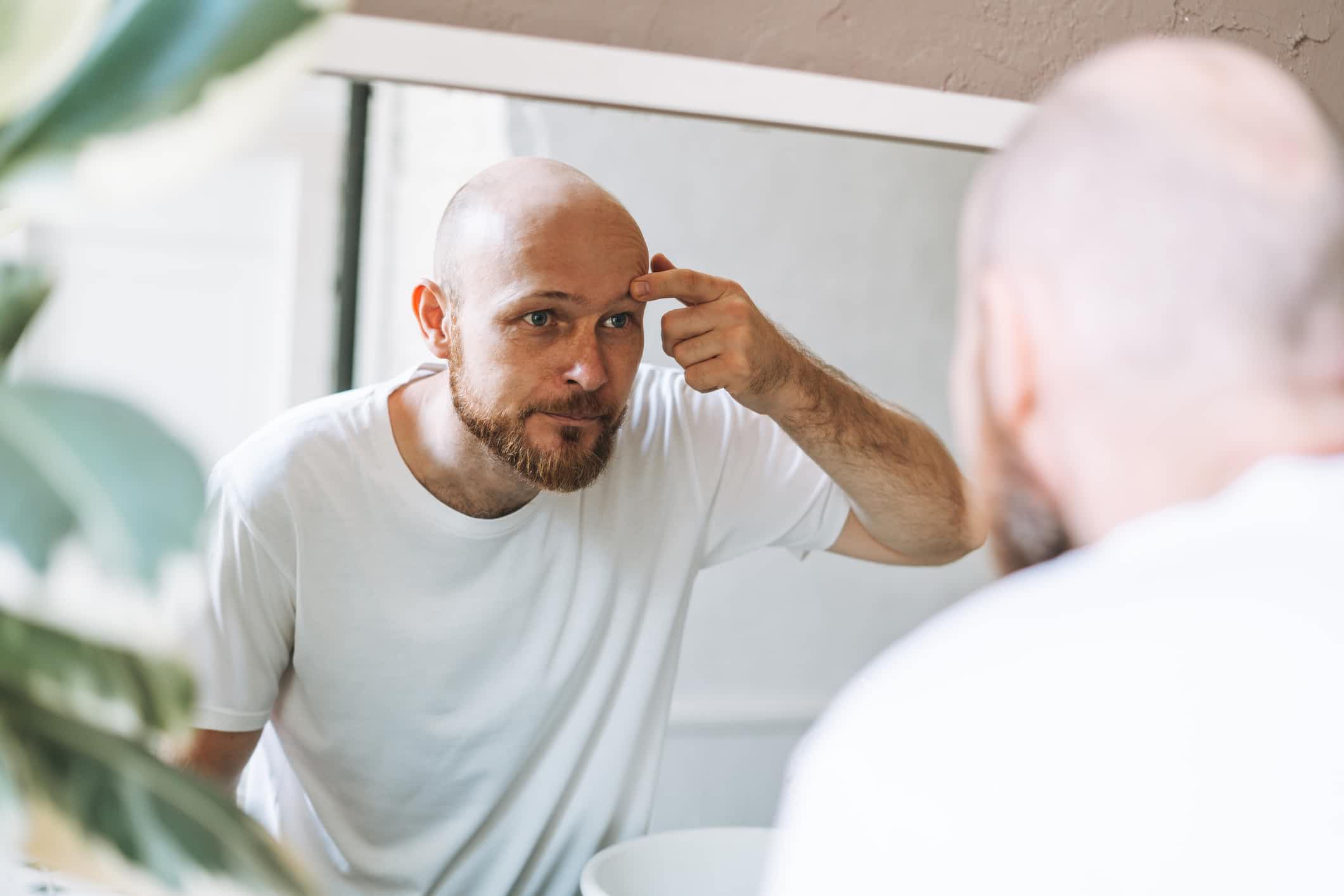
Maybe you didn’t sign up for this workshop…
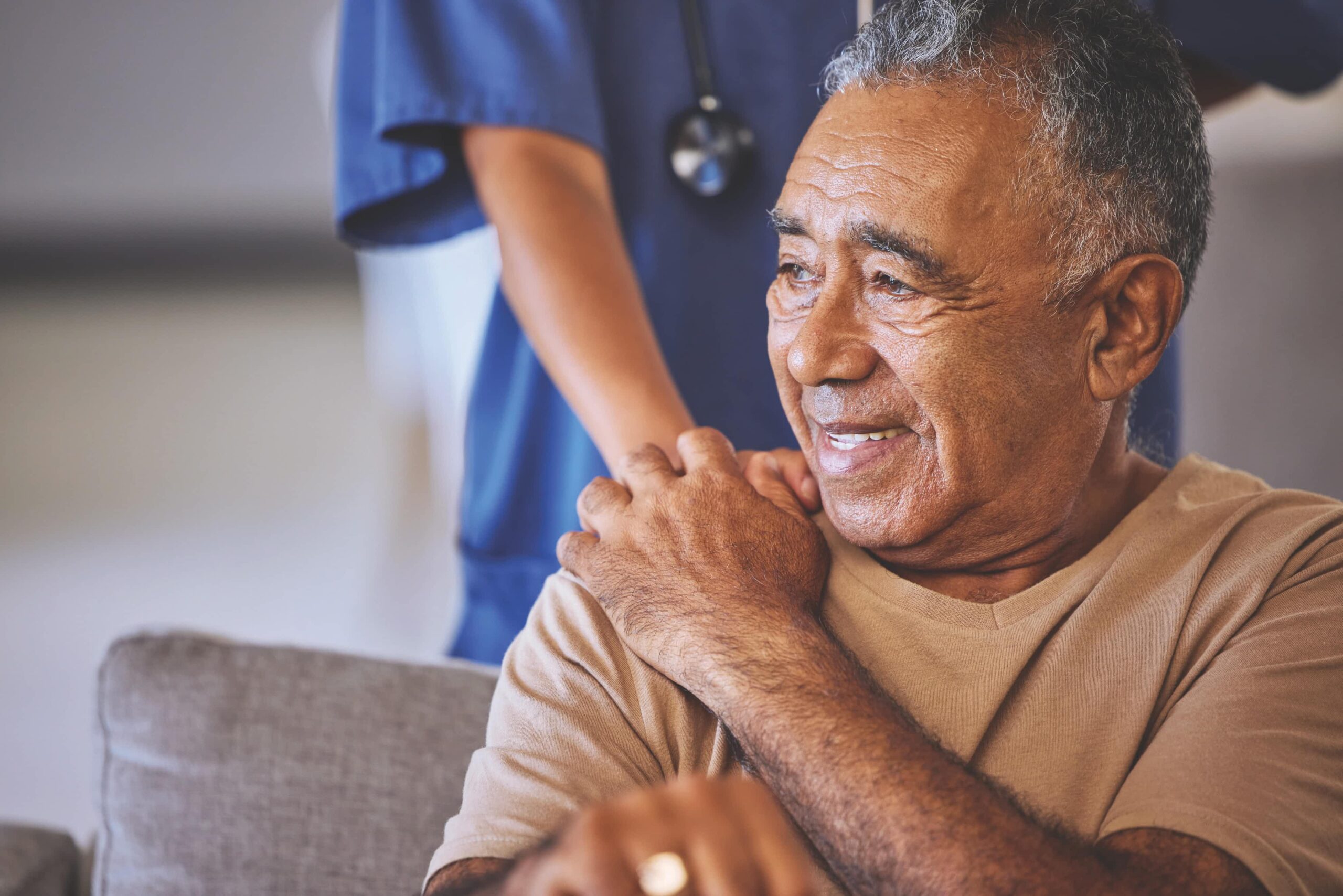
and someone who cares about you did it on your behalf. You’re not alone. If you’re here because a loved one suggested it, take that as a sign of their support.
A no-pressure, practical approach
Prefer to stay in the background?
No problem! No matter if you’re attending online or in person, you can simply listen and absorb the tips at your own pace, and try them out whenever it suits you.
Whether you’re here for men’s skincare advice, scalp care, guidance on hair loss, or because someone you love suggested you might benefit from the workshop, we’re so glad you are here. This session is all about giving you the tools to move forward with confidence, in whatever way works best for you.
What our participants have to say
” Before treatment, I was worried about hair loss. I didn’t expect that issues with skin on my face and scalp would be the most challenging chemo side effect. The advice in this workshop helped.”
- Joseph S., Workshop Participant
“Actively taking care of myself helped me regain control – I didn’t want to be defined as sick.”
- Adam P., Workshop Participant
Join us for a workshop led by industry experts, tailored for men facing all cancers
Register for the Shaving & Men's Skincare workshop today!
Let’s navigate this together
Join a community that understands. Receive expert advice, useful resources, and compassionate tips throughout your cancer journey in the LGFB newsletter
Newsletter Form
Bras & Prostheses Workshop
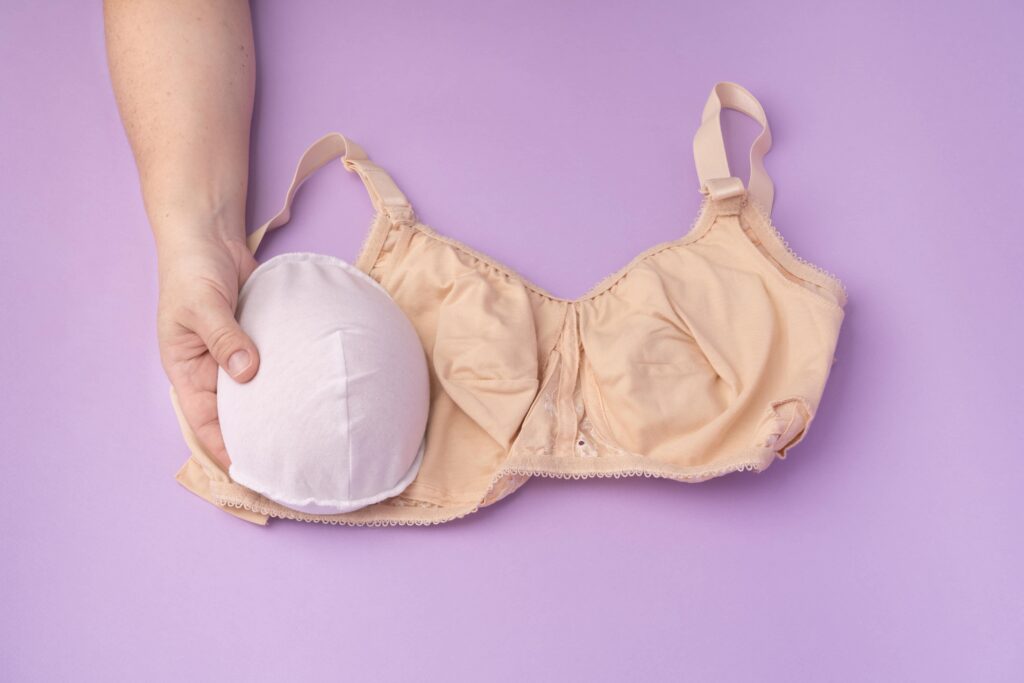
Whether you’ve recently had a mastectomy, lumpectomy, or breast reconstruction—or are still exploring your options—you may be wondering what comes next. How will your body change? What will feel comfortable? Join us to learn about breast prostheses, bras, post-surgical garments, swimsuits and more.
About this Workshop
What you will learn:
Questions to ask before breast cancer treatment and/or pre-surgery (e.g. lumpectomies, mastectomies, or breast reconstruction)
Supportive clothing to wear post-surgery and during treatment – Bras, camisoles, and breast forms designed for comfort and healing
How a fitting works – What to expect, when to go, and how to find the right size
Body changes during recovery – Possible impacts on sizing and when to introduce different types of apparel or breast forms
Breast prostheses and partial forms – Options that help restore balance and boost confidence
Financial coverage – Where to look for funding (both public and private), insurance options, and community support
The information and dialogues are designed to help you:
Navigate your choices with confidence
Walk you through your options in a supportive and welcoming space
Gain knowledge in post-surgical camisoles, breast prostheses, and mastectomy bras
Feel comfortable with every day solutions
The Bras & Prostheses workshop is available ONLINE
Who should attend this workshop?
Anyone affected by breast cancer who wants information about breast prostheses, breast forms, post-op garments and what to expect before, during or after breast cancer surgery and/or treatment.
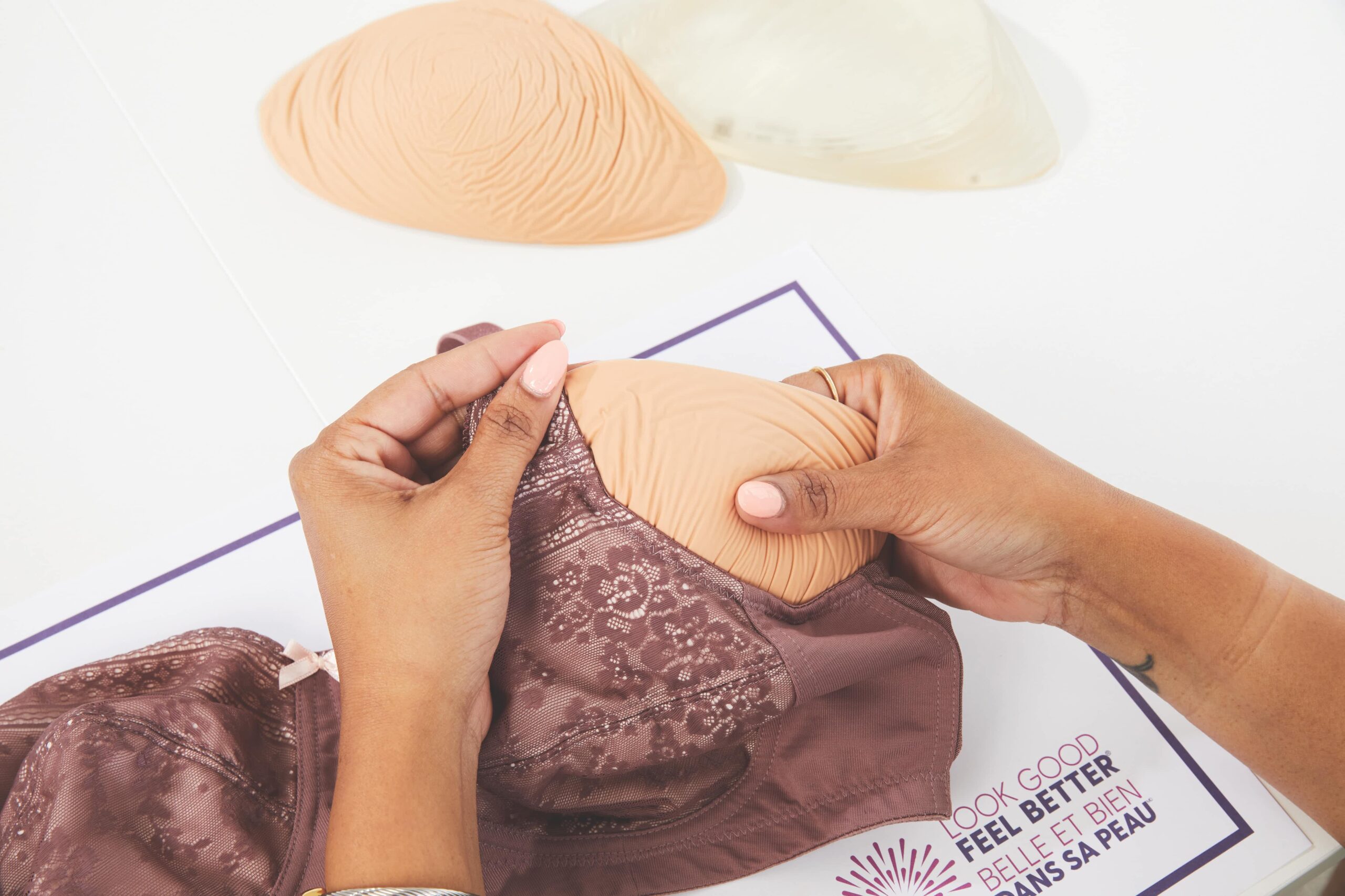
What our participants have to say about the Bras & Prostheses workshop
” It was great to learn about all the options I have…some of which I didn’t know about or hadn’t even thought of. Very helpful, empowering, supportive info at a time when some of us are feeling uncertain and self-conscious. “
- Audrey R., Workshop Participant
Want to Learn More About Post-Mastectomy Bras and Breast Forms?
Register for the Bras & Prostheses Workshop today!
Let’s navigate this together
Join a community that understands. Receive expert advice, useful resources, and compassionate tips throughout your cancer journey in the LGFB newsletter