
Choosing Head Coverings
Care and Maintenance
Special Considerations
Scarf Styling and Techniques
Still have questions? We cover these topics and a LOT MORE in our workshops.
We're here to help.
Let’s navigate this together
Join a community that understands. Receive expert advice, useful resources, and compassionate tips throughout your cancer journey in the LGFB newsletter
Newsletter Form
Application Techniques
Foundation and Base Makeup
Eyebrows
Eye Makeup
Lip Care
Makeup Hygiene and Safety
We’re here for you.
Connect with others and get hands-on learning in our Skincare & Makeup Workshop.
Let’s navigate this together
Join a community that understands. Receive expert advice, useful resources, and compassionate tips throughout your cancer journey in the LGFB newsletter
Newsletter Form
Nail and Hand Care
Let’s navigate this together
Join a community that understands. Receive expert advice, useful resources, and compassionate tips throughout your cancer journey in the LGFB newsletter
Newsletter Form
Understanding Your Wig Options
Choosing & Purchasing a Wig
Wig Fitting and Comfort
Managing Wig Comfort Issues
Styling and Customization
Caring for a Wig
We’re here for you.
Find community and practical advice in our Wigs & Scarves workshop.
Let’s navigate this together
Join a community that understands. Receive expert advice, useful resources, and compassionate tips throughout your cancer journey in the LGFB newsletter
Newsletter Form
Community Resources

Here is Look Good Feel Better's list of trusted non-profit organizations offering complementary resources for people affected by cancer.
Community Partners
Look Good Feel Better is a national charity supporting Canadians affected by cancer.
Cancer can affect many aspects of life beyond the disease itself, but there are many organizations across Canada that help individuals, families, and caregivers navigate these challenges.
For local or community-based support, the Canadian Cancer Society’s Community Services Locator (CSL) connects Canadians to more than 4,500 cancer-related services nationwide.
The organizations listed below are trusted national partners working alongside Look Good Feel Better to help people affected by cancer access the care and resources they need.
We’re here for you.
Find support, expertise, and practical tips in our workshops.
Let’s navigate this together
Join a community that understands. Receive expert advice, useful resources, and compassionate tips throughout your cancer journey in the LGFB newsletter
Newsletter Form
Nutrition

Good nutrition plays a vital role at every stage of the cancer journey, from easing treatment side effects to supporting recovery. Use these practical strategies suggested from an oncology nutritionist to help guide your approach.
Nutrition during and after treatment
While practicing healthy eating habits and staying active is important for every stage of life, they become increasingly important during cancer treatment. Maintaining your strength, decreasing the side effects of chemotherapy, and feeling good are all benefits of good nutrition and exercise. If you count a dietitian or nutritionist as part of your care team, it’s important to consult them prior to creating a schedule or grocery list—every body is unique!
Eating Well: A dietician and survivor shares her best nutrition tips
Focusing on nutrition gives cancer patients a greater sense of well-being and control. People who have been diagnosed with cancer, are in remission or are living with cancer have a lot on their minds – a nutrition may not be high on their list. Yet, nutrition can be a critical part of one’s cancer journey.
Jean LaMantia, a Toronto-based registered dietitian, and cancer survivor, recommends approaching nutrition in two phases:
- Phase 1: Nutrition that helps you get through your treatment
- Phase 2: Nutrition Post-treatment as a positive step to potentially prevent reoccurrence
Phase 1
“During my lymphoma treatment, I had severe nausea and vomiting, so I had to get strategic about what I could eat and what I could keep down.”
Jean LaMantia, Registered Dietitian and Cancer Survivor
Top Tips During Treatment
While you’re going through treatment, don’t worry about eating the PERFECT diet. LaMantia recommends taking this pressure off and simply eating in a way that helps you manage your side effects.
Eat cold and room temperature foods. They have less aroma and are less likely to trigger nausea
Plate food beautifully on a small plate to combat low appetite
Prioritize highly-nourishing foods, especially protein sources
Add extra calories to your meal with a drizzle of extra virgin olive oil
Phase 2
“After treatment, people who are in remission can experience a lot of anxiety, worrying about reoccurrence. Proactively doing your best to eat healthy foods that could lower your risk of recurrence can put your mind at ease. I find that it can be very empowering and can help you take back control.”
Jean LaMantia, Registered Dietitian and Cancer Survivor
Top Food Picks Post Treatment
Post-treatment, nutrition can play an important role in your recovery and healing.
According to LaMantia, the key is to focus on foods that are supportive of the immune system, anti-inflammatory, and proven to target cancer cells.
Mushrooms
Foods high in vitamin E (particularly wheat germ and almonds)
Garlic and onions
Spices including ginger and turmeric
Omega 3 fatty acids (found in fish like salmon, mackerel, rainbow trout, sardines, herring, and anchovies)
Cruciferous vegetables (broccoli, cabbage, brussels sprouts, cauliflower, and kale)
Berries
Whole grains (quinoa, wild rice, and whole grain pasta)
Protein foods (skinless poultry, yogurt, dried peas, beans, or lentils)
You have questions?
We have answers, practical advice, and support in our Post-Treatment Nutrition Workshop.
Let’s navigate this together
Join a community that understands. Receive expert advice, useful resources, and compassionate tips throughout your cancer journey in the LGFB newsletter
Newsletter Form
Mindfuless During Cancer with Dr. Linda Carlson

Understand more about mindfulness and its importance in treatment and daily living.
We sat down to chat with Dr. Linda Carlson, professor in the Faculty of Medicine and co-author of The Art and Science of Mindfulness (full biography below). She defines mindfulness as “Paying attention on purpose in the present moment with an open and accepting attitude.” During the hour, Dr. Carlson helped break down what mindfulness is, provided research-based examples of how it can help reduce stress, support mental health during cancer and gave us practical mindfulness tips that can be beneficial in your everyday professional and personal lives.
Watch the full conversation
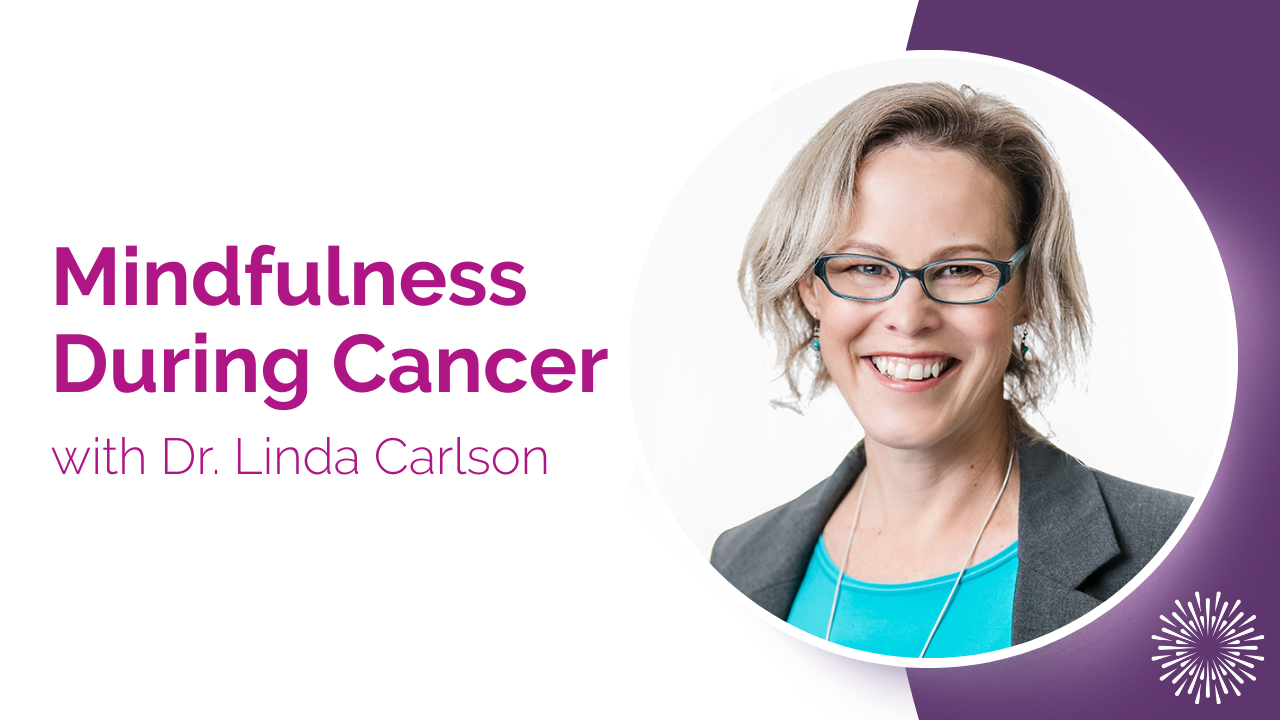
Q & A with Dr. Linda Carlson
Awareness of Breath Exercise
This exercise helps us notice where our attention wants to go; and so we will try to direct it on the breath. But you’ll notice as you’re doing it that your attention is jumping around, two parts:
Paying attention to the breath and the body
The other piece is noticing what your mind wants to do instead
Follow these steps:
Find a comfortable spot.

-
Place one hand on your chest and the other hand lower down on your belly.
-
Let go of any judgement.
-
Don’t analyze the way you’re breathing, just pay attention to how the breath is coming and going in your body.
-
Breath in.
-
You may want to sit up a bit so that you can feel the breath moving in your body.
-
As you breathe in you’ll notice movement. Just try noting if you feel that movement in the top hand or the bottom hand and the length of the breath. Then as you breathe out, try taking note again of the same thing—where’s the movement and how does it feel.
-
Is the ‘in’ breath a similar length to the out? Or is one shorter than the other?
-
What happens as you switch from in to out, is there a pause?
-
If your mind wanders, lead it back to your breath and approach it with a sense of curiosity and openness.
-
Does your breath change in anyway?
-
Take a few more breaths.
-
Lower your hands.
-
Open your eyes.
Biography
Dr. Linda Carlson holds the Enbridge Research Chair in Psychosocial Oncology, is Full Professor in Psychosocial Oncology in the Department of Oncology, Cumming School of Medicine at the University of Calgary, and Adjunct Professor in the Department of Psychology. She is the Director of Research and works as a Clinical Psychologist at the Department of Psychosocial Resources at the Tom Baker Cancer Centre (TBCC), where she has worked since 1997. She also holds a CIHR SPOR-funded mentorship chair in innovative clinical trials, which funds the TRACTION program (Training in Research And Clinical Trials in Integrative Oncology), supporting a multidisciplinary group of University of Calgary fellows studying Integrative Oncology.
Dr. Carlson received the Kawano New Investigator Award from the International Psycho-Oncology Society in 2006; the William E. Rawls Prize in cancer control from the National Cancer Institute of Canada/Canadian Cancer Society in 2007; a New Investigator Award from the Canadian Psychological Association Health Section in 2009, the inaugural Research Excellence award from the Canadian Association of Psychosocial Oncology in 2010, the Arete Award for Research Excellence from the Department of Oncology at the University of Calgary in 2012, the Bernard Fox Memorial Award from the International Psycho-Oncology Society in 2019, and was shortlisted for the Dr. Rogers Prize in Complementary and Alternative Medicine in 2013, 2015, 2017 and 2019. She is also a fellow of the Society for Behavioral Medicine and the Mind and Life Institute, is the President-Elect of the Society for Integrative Oncology, and is Co-Editor-in-Chief for the official International Psycho-Oncology Society journal: The Journal of Psychosocial Oncology Research and Practice.
Dr. Carlson’s research in Psychosocial Oncology, Integrative Oncology and Mindfulness-Based Cancer Recovery has been published in many high-impact journals and book chapters, and she published a patient manual in 2011 with Michael Speca entitled: Mindfulness-Based Cancer Recovery: A step-by-step MBSR approach to help you cope with treatment and reclaim your life, in addition to a professional training manual in 2009 (2nd Edition 2017) with Shauna Shapiro entitled The Art and Science of Mindfulness: Integrating mindfulness into psychology and the helping professions. She has published over 200 research papers and book chapters, holds several millions of dollars in grant funding and is regularly invited to present her work at international conferences, most recently in Netherlands, Switzerland, China, Australia, New Zealand, Africa, Israel and all across Canada and the USA. She presented a TEDx talk called Mindfulness for Personal and Collective Evolution in 2016, you can find the video here.
We’re here for you.
Find support, expertise, and practical tips in our workshops.
Let’s navigate this together
Join a community that understands. Receive expert advice, useful resources, and compassionate tips throughout your cancer journey in the LGFB newsletter
Newsletter Form
LGFB Podcast: Facing Cancer Together
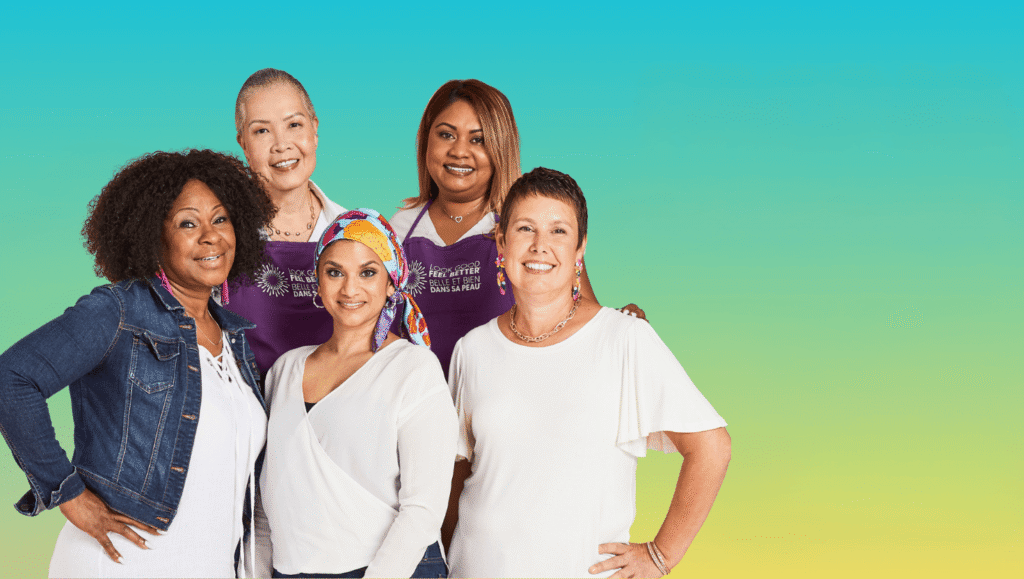
Support and insights for patients, loved ones, and care teams – all in one podcast. If your life is touched by cancer, the Facing Cancer Together podcast is for you.
Facing cancer doesn’t mean you are now only “the cancer patient”
So often, people in our workshops tell us that they need to feel seen, to feel understood and not feel alone. Please share the Facing Cancer Together podcast with anyone in your life facing a cancer diagnosis – or caring for someone who is.
Episode Guide
Sit Back, Relax, & Enjoy these informative episodes hosted by our very own Susan Larkin!
| Title | Description | |
|---|---|---|
| EP 0 | What is the Facing Together Podcast? | Introduction |
| EP 1 | You have cancer – Now What? | In our first episode, host Susan Larkin introduces some of the real voices you will hear throughout the series as they share the real deal about their own personal cancer experiences. Whether you are a patient, family, friends, or part of the health care team – we are – Facing Cancer Together. |
| EP 2 | This is Supposed to be Normal? | Hair loss. Brittle fingernails. Rashes. Stomach upset. Fatigue. Brain fog. Just a short list of the many side effects someone may have told you was “normal”. Dr. Margaret Fitch, Oncology Nurse professor and a leading researcher in psychosocial support in oncology explains how there is nothing normal about it. |
| EP 3 | Jules Whish on Living with Cancer | With advancement in treatments and greater understanding of the disease – there are people who are living with cancer. But what does that mean? Jules Whish joins us and shares how she is figuring it out as she goes – along with sharing on social media. Learn more about Jules Whish: https://www.heyjules.ca/ |
| EP 4 | Support Systems | What the heck is psychosocial support? It can be emotional support, spiritual, overall well-being, and even practical support. Dr. Margaret Fitch, Oncology Nurse, professor and a leading researcher in psychosocial support is back, talking about just how important these supports are. |
| EP 5 | Michelle Audoin is Living with Cancer | Navigating stage four cancer, facing cancer as a Black woman, grieving – and dried up raisins. Michelle Audoin is here to talk about it all – including how she ended up revealing more than she thought she ever would. |
| EP 6 | Navigating Nutrition | Going through treatment, there can be so many extra sources of stress – including food & nutrition. Hopefully listening to Registered Dietician Denise Gabrielson will help take some of that stress off your plate. |
| EP 7 | Brave, Fierce and Funny Part 1 | Anyone who names their own podcast “Women of Ill Repute” is not going to hold back. And Maureen Halloway and Wendy Mesley certainly do not hold back when it comes to sharing their cancer experience. |
| EP 8 | Brave, Fierce and Funny Part 2 | Radio broadcaster Maureen Halloway and television journalist Wendy Mesley are back – continuing the conversation about their cancer experience. |
| EP 9 | Unique Experiences | Everyone’s cancer experience is unique. In this episode, you’ll hear from Michelle Sylvain who is currently in treatment, then Denise Dmitruk on going through treatment as a nurse – and her most unusual pet. We finish with a male perspective from Michael Suba, who is looking back years later – and learning to trust his body again. |
| EP 10 | Talking to your Kids with Guest Audrey Guth | Often, a personal cancer experience can highlight gaps in the system. For Audrey Guth, it led her to helping mothers facing cancer and helping their children. In this episode, Audrey teaches us how to talk to kids about cancer. |
| EP 11 | How to Feel Like Yourself | The appearance-related impacts of cancer treatment can take a very serious toll on someone’s overall well-being. It’s not vanity. It’s about looking into a mirror, and not seeing the “Cancer Patient” – but instead seeing yourself. Dr. Margaret Fitch, and some of our other special guests, discuss why feeling like yourself does, in fact, make you feel better. Then, Andrea Galley talks about “Boobie Parties”, and body image post-surgery. |
| EP 12 | Back to Work / Back to “Normal”…Now What? | When treatment is done, people around you – including co-workers and bosses – may feel you are now “back to normal”. But side effects can last much longer after treatment ends. Dr. Christine Maheu and Maureen Parkinson, Co-Directors of Cancer and Work, will join us to share best practices. |
| EP 13 | You Are Not Alone | Throughout this podcast, you’ve heard people share their very personal stories and experiences around cancer. So many of them were nervous about being “interviewed”. When I asked them why they were doing it – they all said the same thing. They wanted to share their story to help someone else going through treatment, to know they are not alone. |
Let’s navigate this together
Join a community that understands. Receive expert advice, useful resources, and compassionate tips throughout your cancer journey in the LGFB newsletter
Newsletter Form
Let’s Listen
Dr. Deanne Simms, Clinical Psychologist will speak to the mental health benefits of managing appearance during cancer, the impact of the loss of control and the connection between hair and identity, specifically for BIPOC women.
Dianne Austin, Cancer Survivor and Entrepreneur, will then share her story of how her personal experience has led her to create a social enterprise to meet gaps in supporting Black women facing hair loss.
Discussions with Dr. Deanne Simms & Dianne Austin
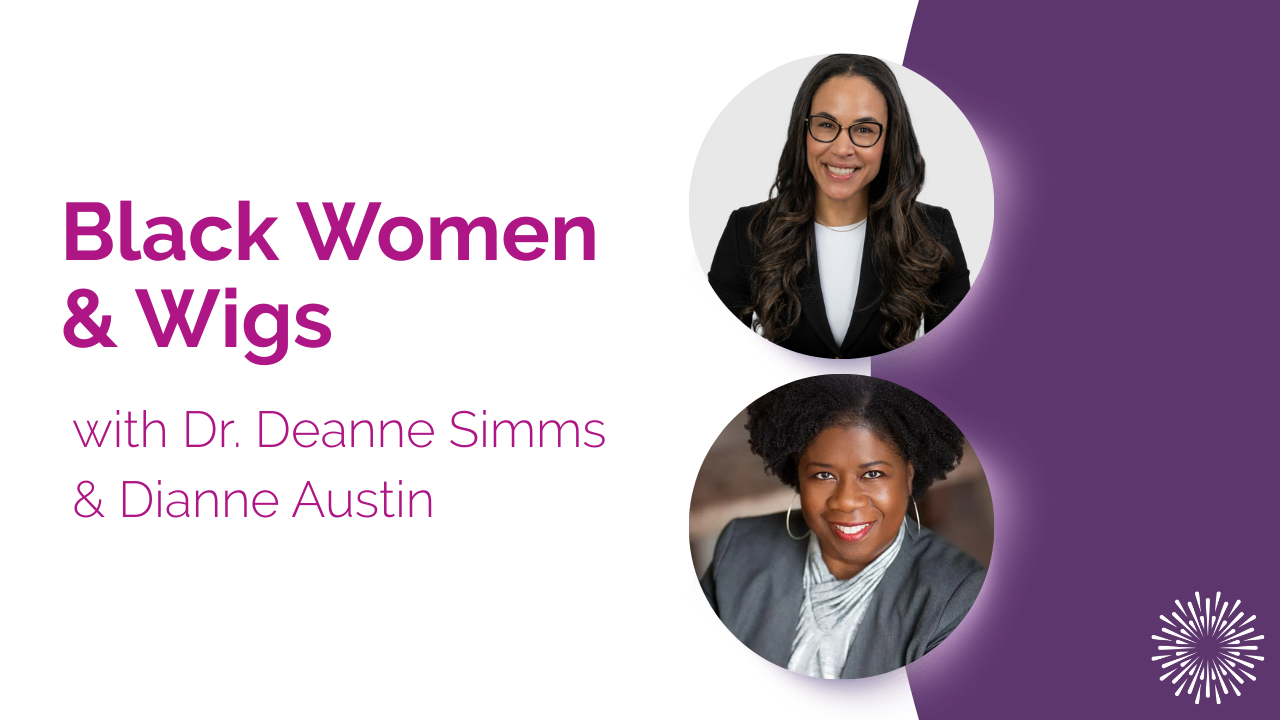
Our Speakers
Dr. Deanne Simms
President and CEO, ThriveSpace Health and Wellness
Dr. Simms is a senior Clinical Health Psychologist who has a well-established career providing specialized care for children, adolescents and adults with complex mental and physical health challenges or conditions. In her work, Dr. Simms works collaboratively with her clients while utilizing evidence-based, cognitive behavioral interventions within a measurement-based care framework. In her work ranging from primary to tertiary care settings across 4 Canadian provinces, Dr. Simms has worked to build and evaluate evidence-based practices and programs. Dr. Simms strives to support the health and well-being of the individuals she works with, while enhancing and improving service delivery in both the private and public health sectors.
Dr. Simms is a passionate leader whose responsibilities have extended to provincial and national health leadership. Dr. Simms is an innovator who drives change, and is a sought-after consultant for system-level projects. Using her scientific background, combined with her dedication to enhancing and extending health service delivery, Dr. Simms contributes meaningfully to boards, steering committees, working groups and initiatives aimed at transforming the health care landscape through disruptive, data-driven innovation. Dr. Simms is the President and CEO of ThriveSpace Health and Wellness, a company which focuses on delivering and enhancing digital health services. In this space, Dr. Simms consults with individuals, clinicians, organizations and health systems to augment and enhance service delivery. Dr. Simms is passionate about ensuring individuals everywhere can access the right care, at the right time, in the way that most suits their needs.
Dianne Austin
Co-founder and CEO of Coils to Locs
Dianne Austin, B.S. is the co-founder and CEO of the startup, Coils to Locs, a direct to hospital distributor of high-quality coily, curly hair prosthesis (wigs) for Black women or any woman with highly textured hair. Coils to Locs is at the forefront of addressing an unrecognized health care disparity that impacts Black women experiencing chemotherapy-related hair loss: The lack of coily, curly wigs that are available at cancer centers in the U.S. that can be purchased with health insurance reimbursement.
A five-year breast cancer survivor and thriver, Dianne is passionate about healthcare equity issues given her personal experiences and that of family and friends within the healthcare system.
Let’s navigate this together
Join a community that understands. Receive expert advice, useful resources, and compassionate tips throughout your cancer journey in the LGFB newsletter
Newsletter Form
“I liked getting information that was specifically for teens and connecting with other people who understood what I was going through in the teen workshop.”
Maddie W., Workshop Participant
Prefer direct information from a professional?
Try one of our workshops today!
Let’s navigate this together
Join a community that understands. Receive expert advice, useful resources, and compassionate tips throughout your cancer journey in the LGFB newsletter